
Wittevrouwenpoort te Utrecht — History & Facts
In Wittevrouwenpoort te Utrecht, the revelation of urban life unfolds through the meticulous strokes of an artist who found poetry in the mundane. The essence of the scene speaks not just of a place but of the heart of a city, where every archway and cobblestone whispers of stories untold. Focus on the vibrant hues enveloping the gate, where warm ochres meld seamlessly with cooler blues, creating a dynamic contrast that draws the eye immediately. Look to the left, where figures bustle about their day—each person imbued with life through delicate detailing, from their clothing to their gestures.
Notice how the light filters through the archway, casting soft shadows that play against the textured walls, revealing the artist's mastery of chiaroscuro. Beyond the surface, the painting captures the tensions between tranquility and motion, order and chaos. The looming gate stands as a symbol of security, while the activity around it suggests both the vibrancy and unpredictability of urban existence. The figures’ faces, though small, convey an array of emotions from weariness to joy, evoking the complexity of daily life in a bustling 17th-century city. In 1646, Saftleven painted this scene during a period of remarkable change and prosperity in Utrecht.
The city was flourishing, both economically and artistically, as artists were beginning to embrace naturalism and urban landscapes. This work reflects not only the artist's keen observation of everyday life but also the broader movement in Dutch art towards capturing the authenticity of the world around them.
More Artworks by Herman Saftleven
Browse all →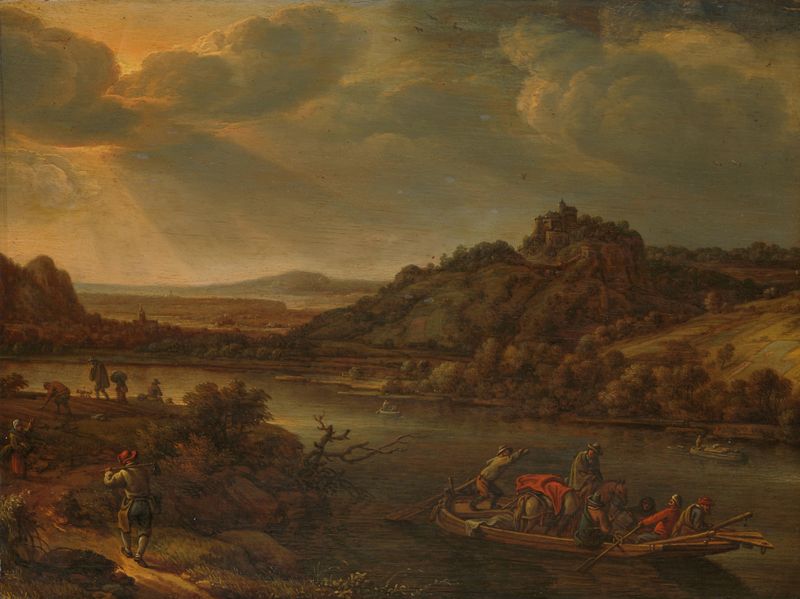
River view with ferry
Herman Saftleven
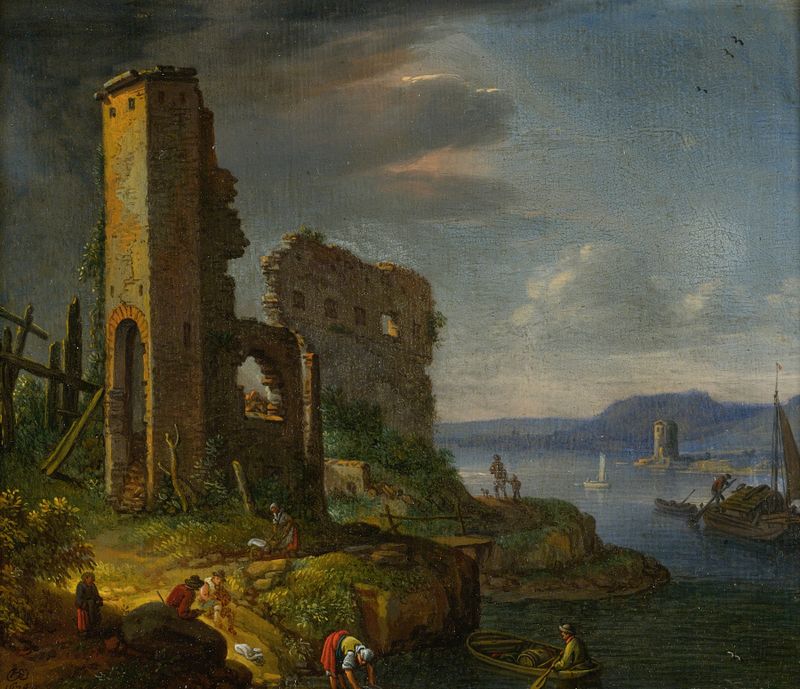
River Landscape With Ruins, Boats And Figures
Herman Saftleven
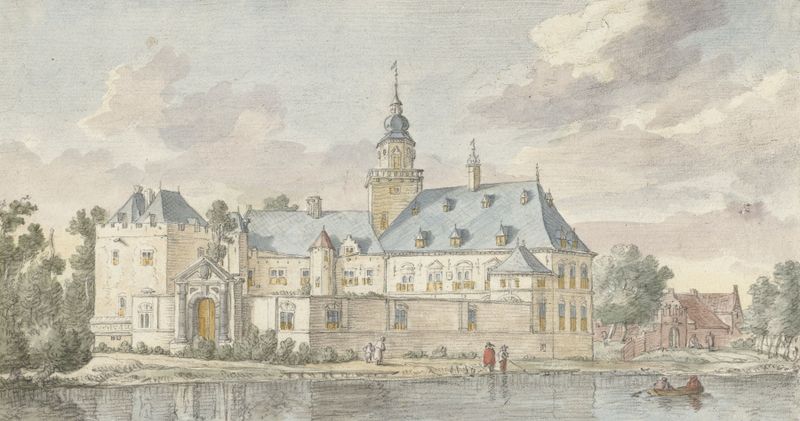
Gezicht op kasteel Nijenrode
Herman Saftleven
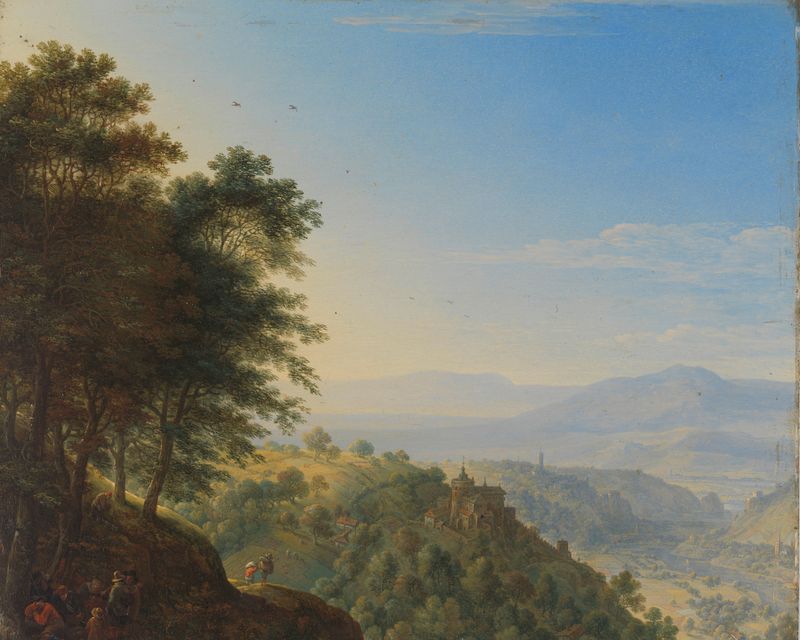
Berglandschap bij Boppard aan de Rijn
Herman Saftleven
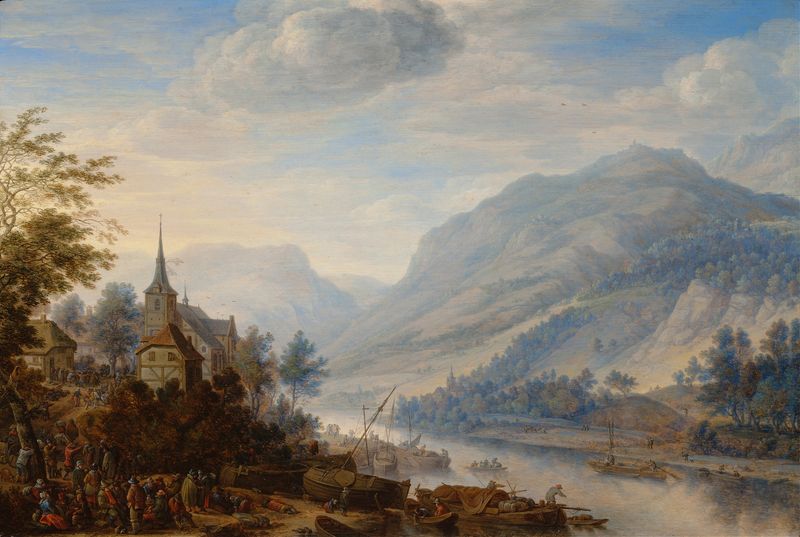
View of the Rhine at Reineck
Herman Saftleven
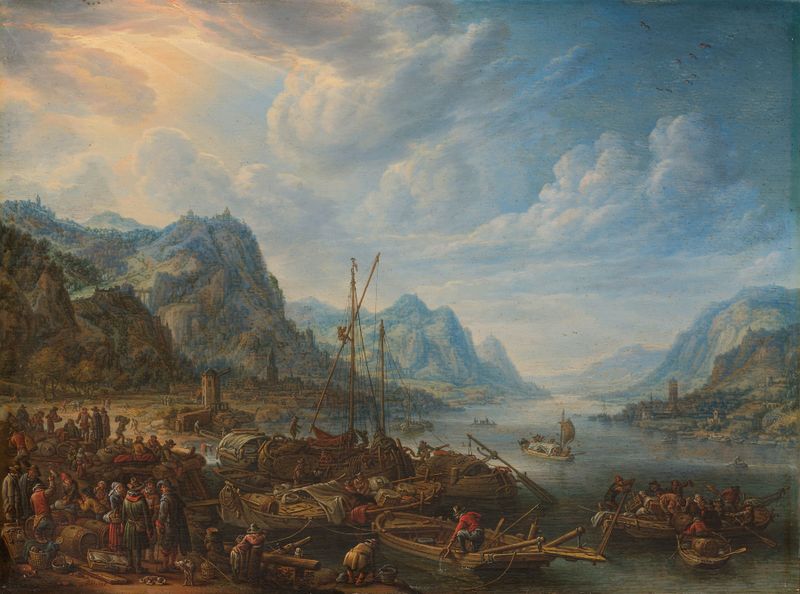
Riviergezicht met aanlegplaats
Herman Saftleven
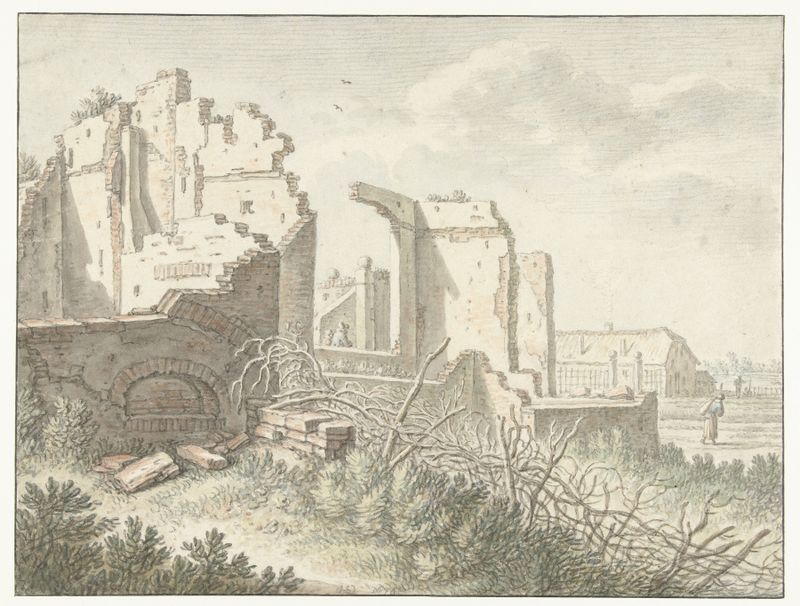
Ruïne buiten de Wittevrouwenpoort te Utrecht
Herman Saftleven
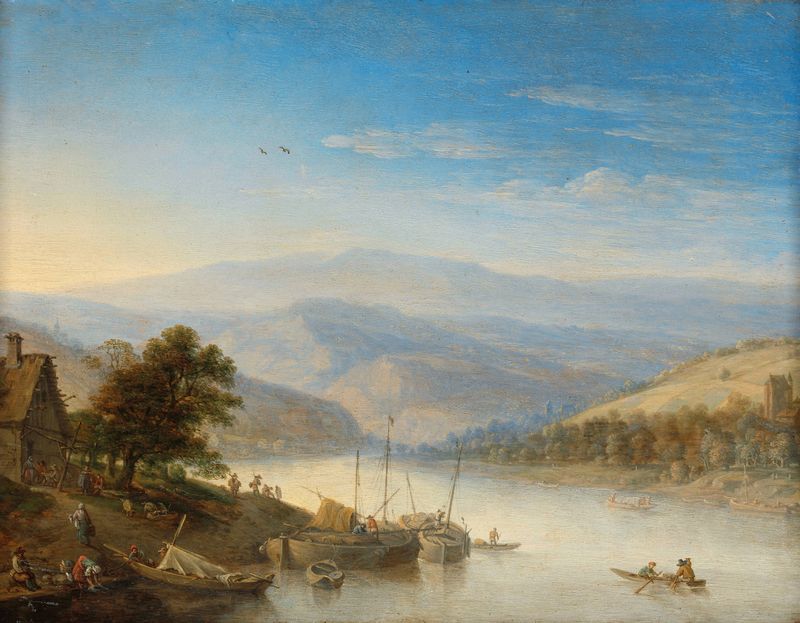
View of the Rhine River near Andernach
Herman Saftleven
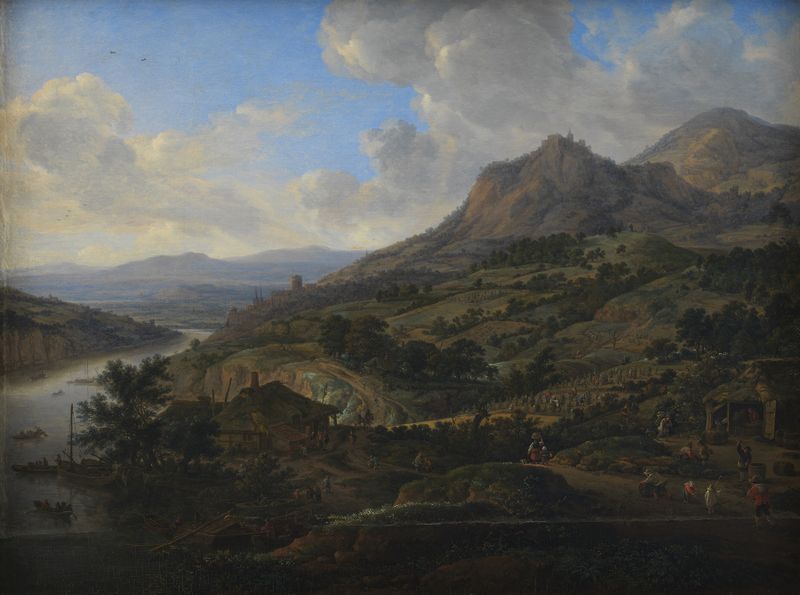
Wine Harvest at the Rhine
Herman Saftleven
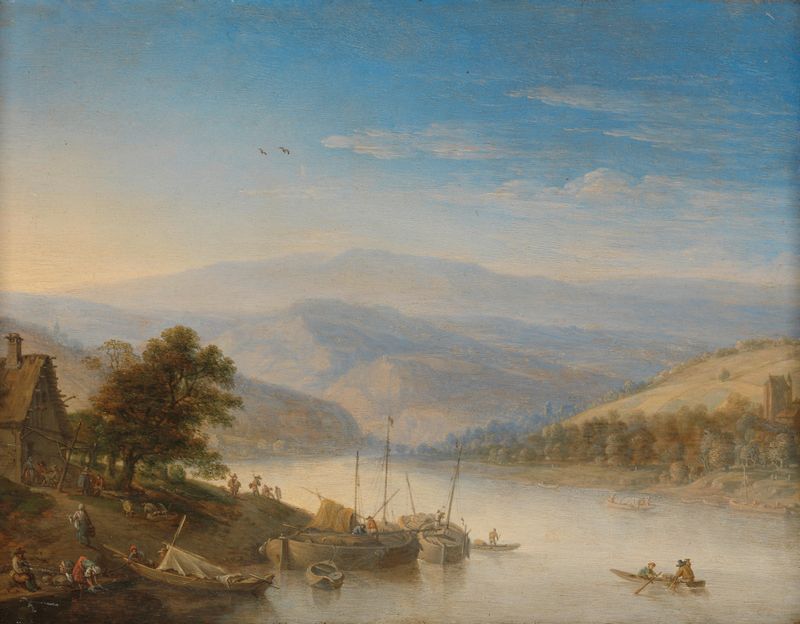
Gezicht op de Rijn bij Andernach
Herman Saftleven
More Architecture Art
Browse all →
The statue of Liberty
Frédéric Auguste Bartholdi

View of Houses in Delft, Known as ‘The Little Street’
Johannes Vermeer

View of Houses in Delft, Known as ‘The Little Street’
Johannes Vermeer

The Cathedral in Rouen. The portal, Grey Weather
Claude Monet

The yellow house
Vincent van Gogh

The Church in Auvers-sur-Oise, View from the Chevet
Vincent van Gogh