Woman at a Piano — History & Facts
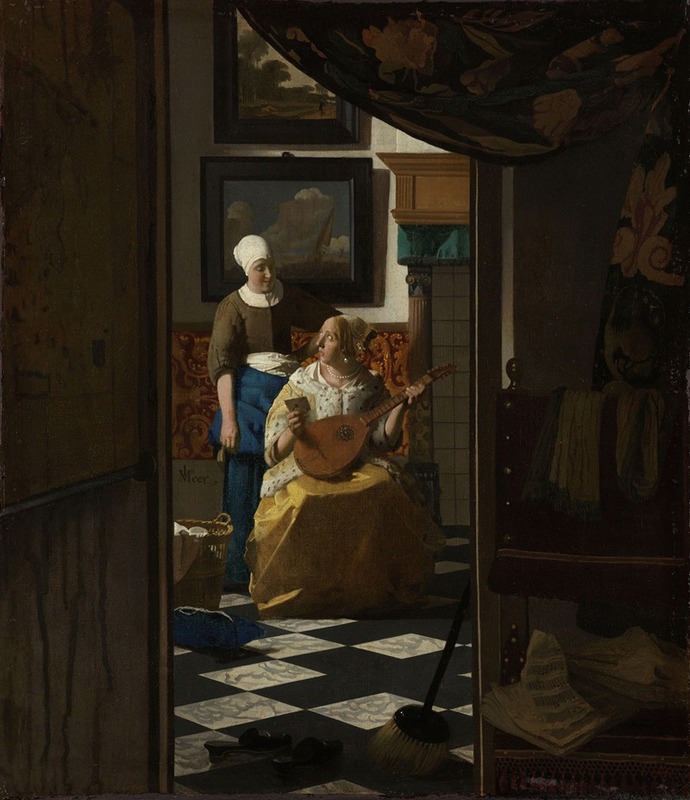
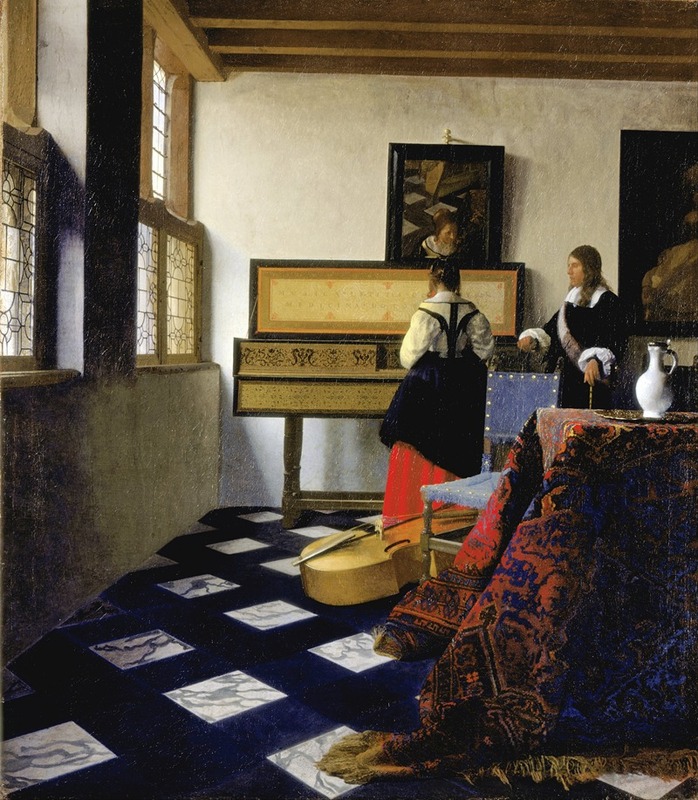
This captivating transformation invites one to reflect on the delicate balance between disorder and harmony within ourselves and the world around us. Look to the figure at the center, seated with poise at the piano. Her elegant posture contrasts with the surrounding stillness, as if her presence alone brings music to life. The artist employs soft, muted colors to give a warm, inviting atmosphere, drawing the viewer’s gaze to the delicate interplay of light and shadow upon her flowing garments.
Notice how the subtle textures of the fabric and the polished wood of the piano create a sense of intimacy, as if the room breathes along with her. Yet, beneath the surface of tranquility lies a more profound tension. The seemingly serene scene hints at the chaos of emotions within the musician, whose focused expression suggests both passion and restraint. The juxtaposition of her graceful demeanor against the rigid structure of the piano evokes a struggle between artistic aspirations and societal expectations.
One can sense a flicker of vulnerability in her gaze, a silent yearning for freedom amidst the confines of propriety. Lié-Louis Périn painted this work between 1790 and 1800, during a time of significant social upheaval in France on the cusp of the Revolution. Emerging in the neoclassical tradition, Périn sought to blend the ideals of classical beauty with contemporary themes of individual expression. His focus on female subjects marked a shift in artistic representation, reflecting the changing roles of women in society during this transformative period.