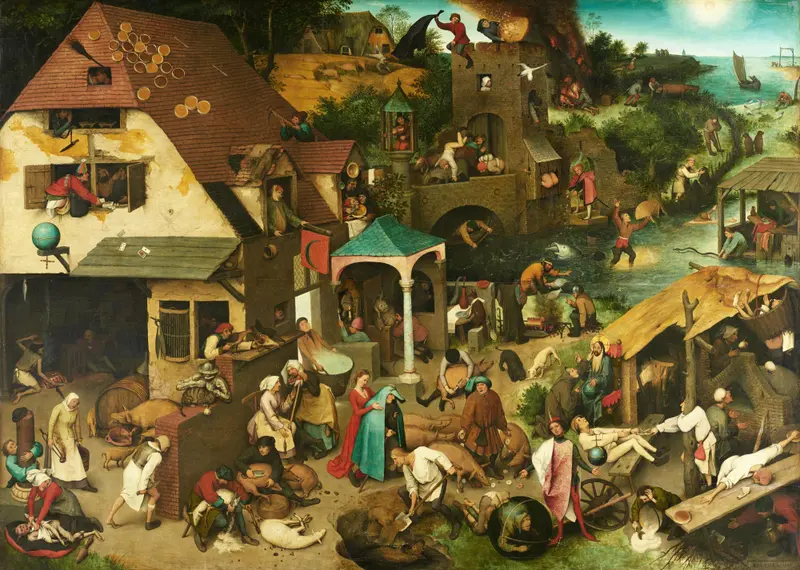
Woman in Childbirth — History & Facts
What first grips the viewer in Woman in Childbirth is the hush that fills the room, as if time itself holds its breath. A woman reclines in bed, her face turned upward, eyes closed in exhaustion or prayer, while a man sits at her side, grasping her hands with a quiet urgency. The light, concentrated on her pale face and the linen of her dress, draws every gaze to the drama of this private moment.
Shadows gather in the corners, but the warmth of the wooden beams and the humble furnishings suggest a space of care rather than coldness. The man’s posture—leaning forward, knees bent, hands enfolding hers—signals both helplessness and devotion, a silent witness to the ordeal. Painted in 1824 by Ary Scheffer, this work belongs to a world on the edge of modernity, where domestic scenes began to claim the dignity once reserved for grand history paintings. Early nineteenth-century artists, especially in northern Europe, were drawn to the intimacy of everyday life, and works like this offered a rare glimpse into moments traditionally hidden from public view.
Such paintings were often commissioned by families or local patrons, eager to commemorate the milestones and trials of ordinary existence. Today, Woman in Childbirth resides in the Dordrechts Museum, a quiet testament to both the endurance of its subject and the shifting values of its age. The longer you look, the more the painting asks: whose hands have steadied us in our most vulnerable hours?
More Artworks by Ary Scheffer

Princess Marie d'Orléans in Her Studio
Ary Scheffer
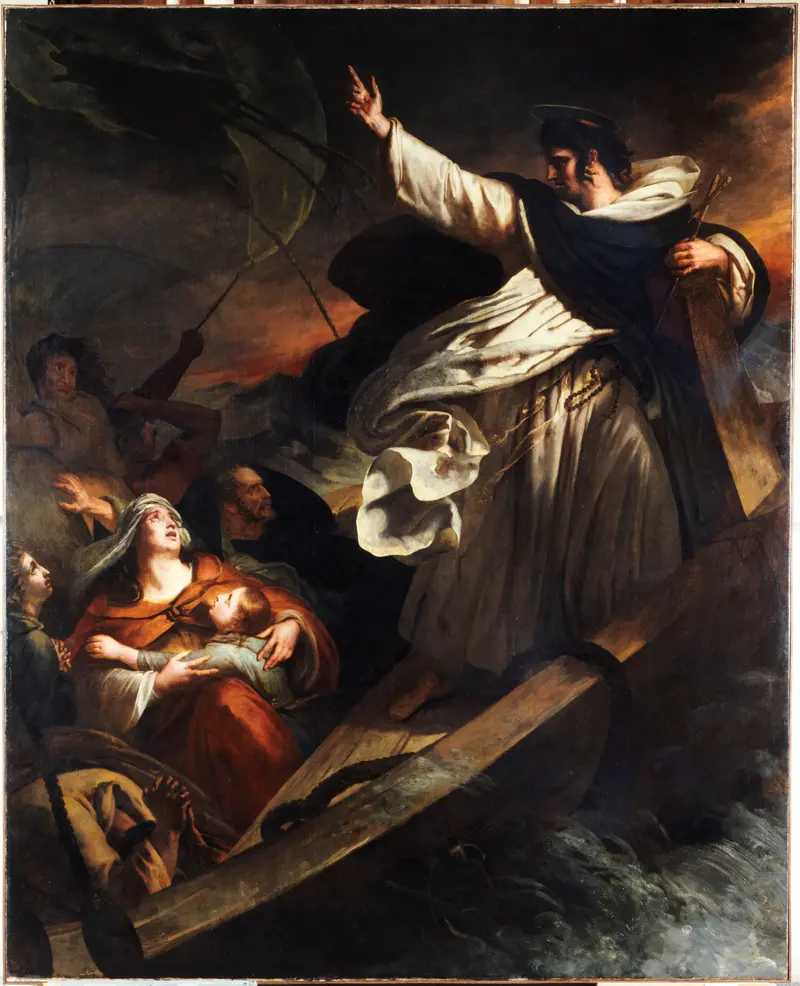
Saint Thomas d'Aquin prêchant la confiance en Dieu pendant la tempête
Ary Scheffer
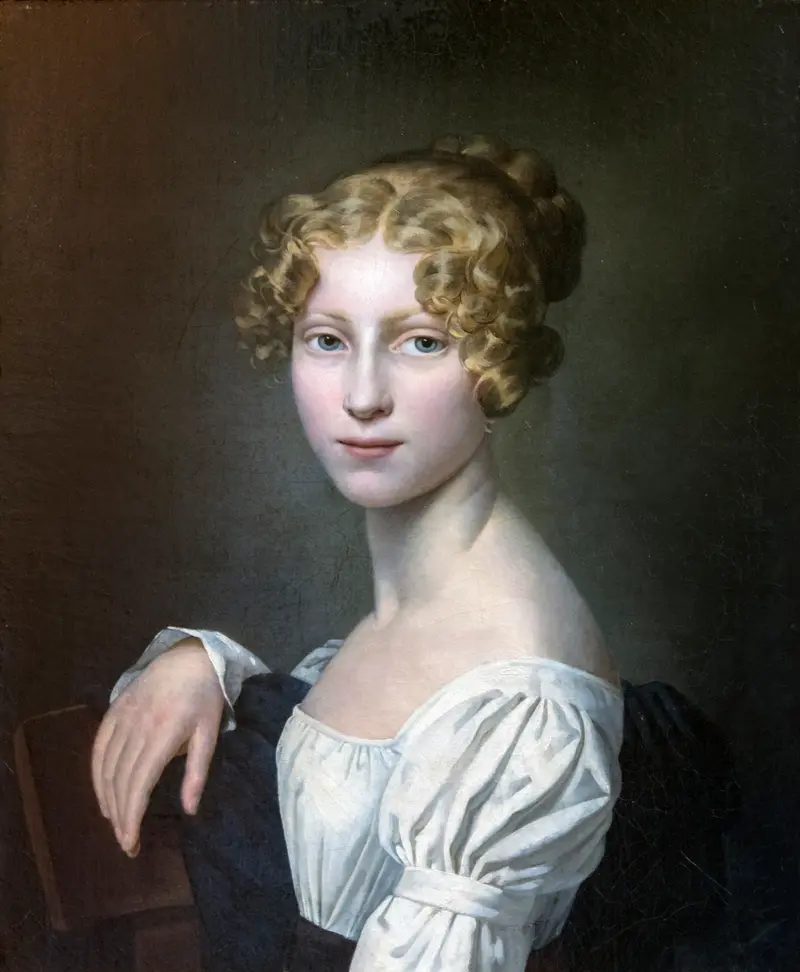
Pauline de Rémusat par Ary Scheffer
Ary Scheffer
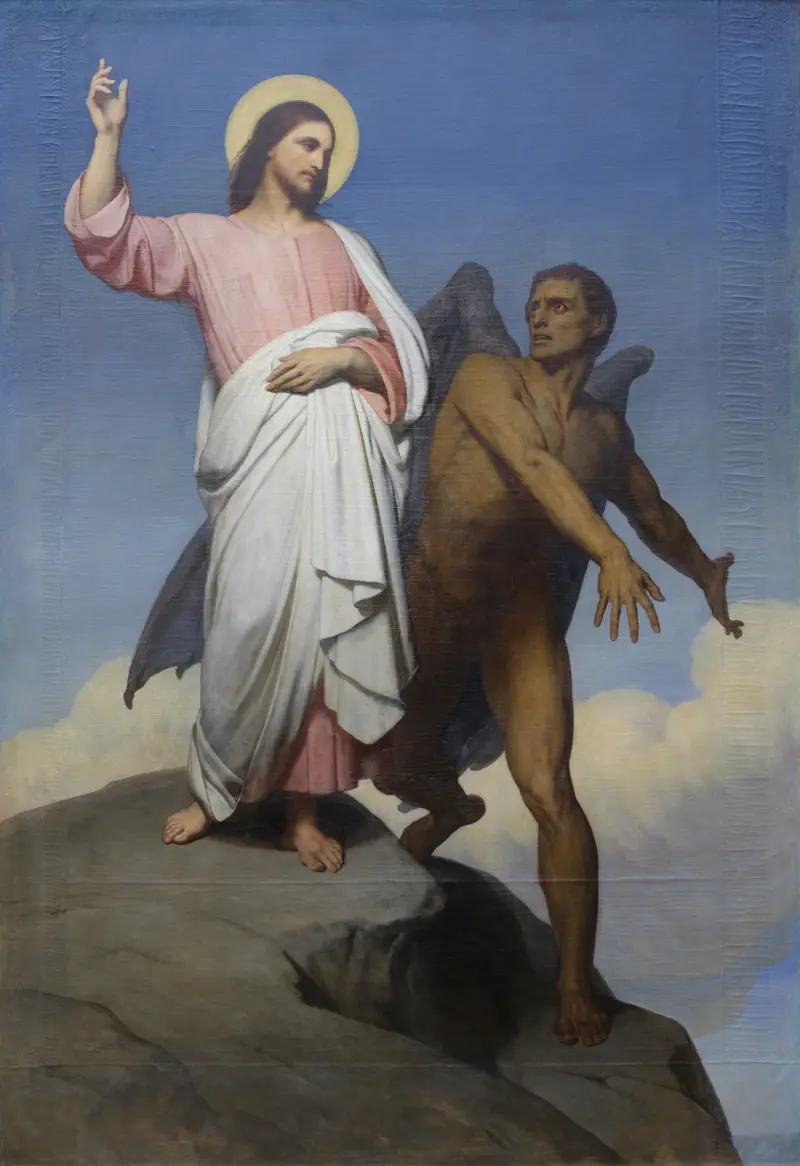
La Tentation du Christ Musée du Louvre Peintures MI 285
Ary Scheffer
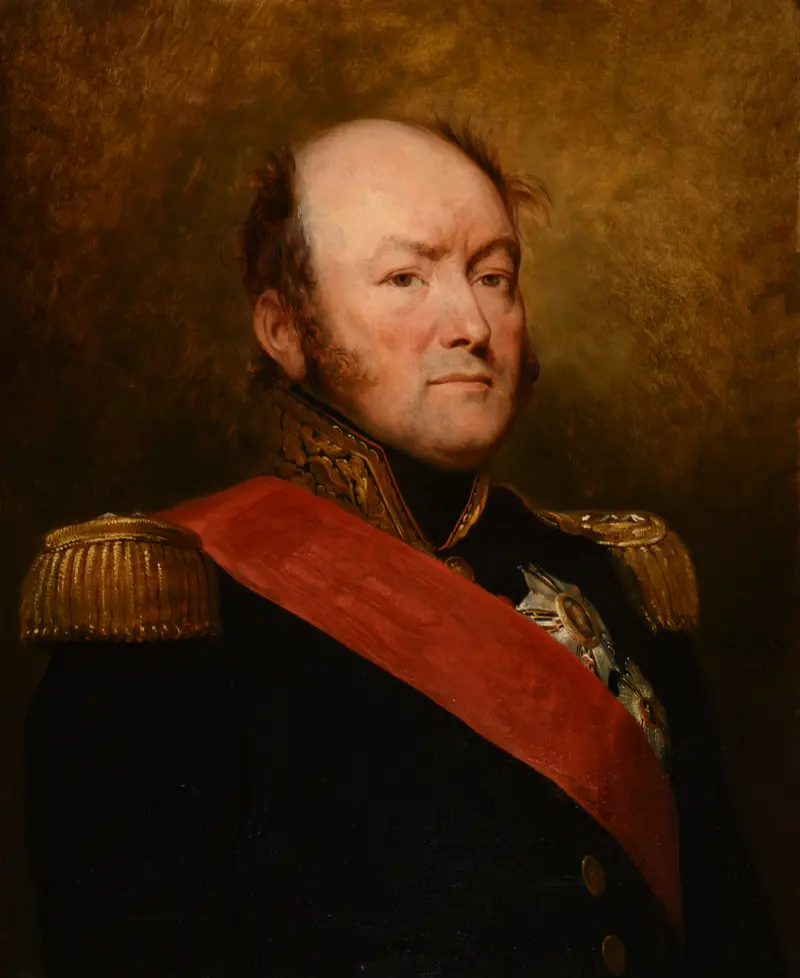
Comte Drouet d'Erlon
Ary Scheffer
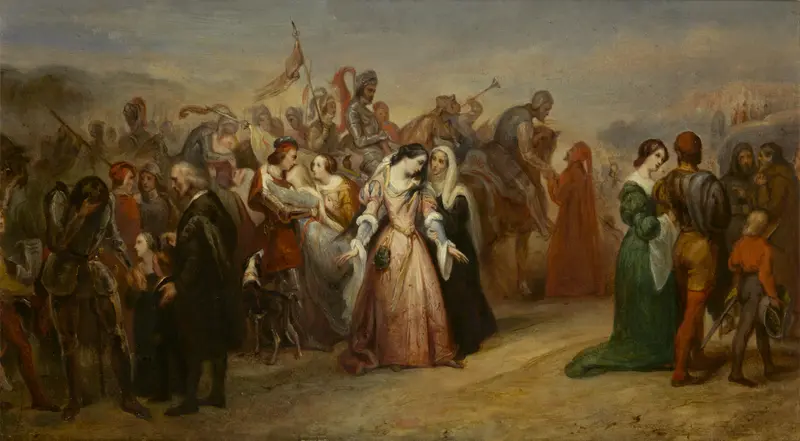
Lenore - de terugkeer van het leger
Ary Scheffer
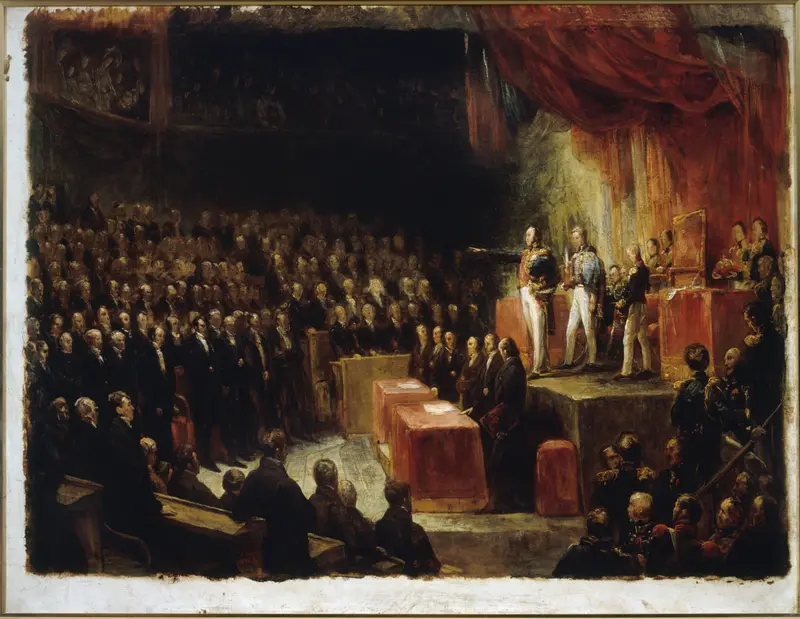
Louis Philippe prêtant serment devants les chambres, le 9 août 1830 P1537 Musée Carnavalet
Ary Scheffer
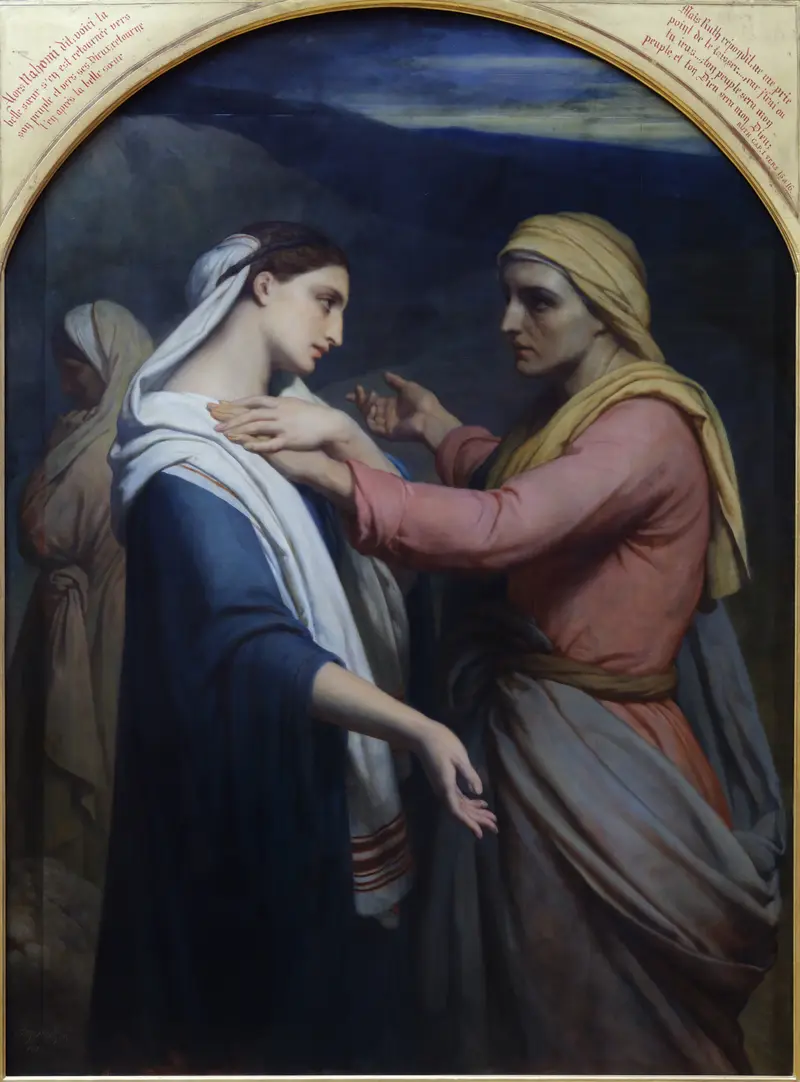
Ruth et Noémi Musée du Louvre Peintures RF 2013 4
Ary Scheffer

Figuur van een treurende engel DM S 70 Dordrechts Museum
Ary Scheffer
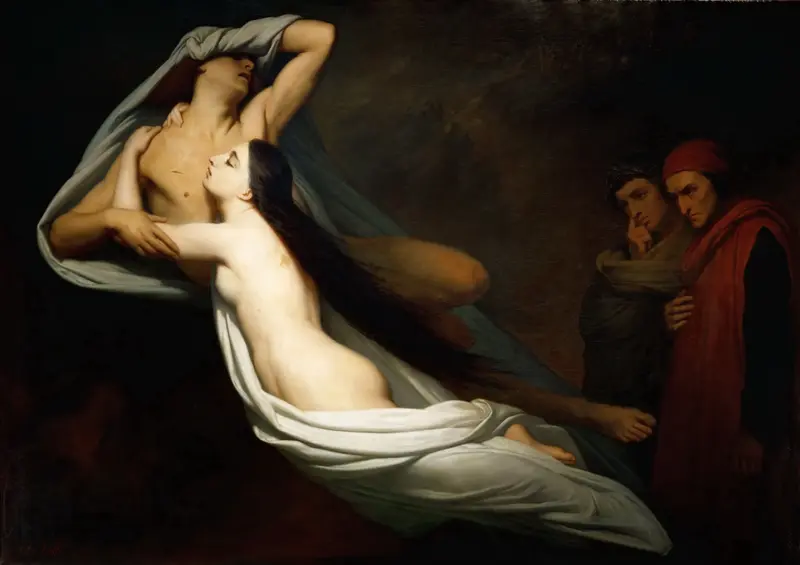
Francesca da Rimini and Paolo Malatesta appraised by Dante and Virgil
Ary Scheffer