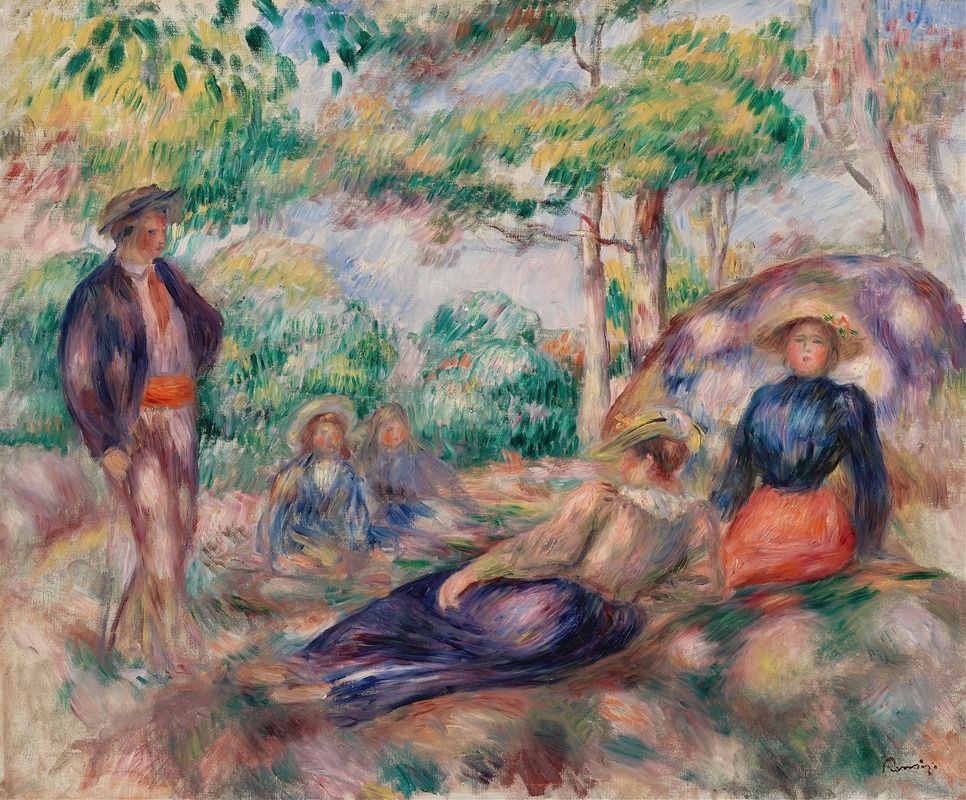
Discover insights about this artwork
Women Washing Clothes — History & Facts
In Women Washing Clothes, Paul Gauguin captures a scene of women engaged in the communal task of laundry. The painting features vibrant colors, with blues and greens dominating the background, creating a lively atmosphere. The figures are depicted in traditional attire, emphasizing their connection to the local culture.
The setting appears to be a rural area, possibly in Brittany, where Gauguin spent significant time. The painting is executed in oil on canvas, showcasing Gauguin's characteristic bold brush strokes and vivid color palette. The composition is balanced, with the women arranged in a way that draws the viewer's eye across the canvas. The use of light and shadow adds depth to the scene, while the simplified forms reflect Gauguin's departure from realism.
This work exemplifies the Post-Impressionist style, focusing on emotion and color over precise representation. Paul Gauguin was a leading figure in the Post-Impressionist movement, known for his use of color and symbolism. Women Washing Clothes reflects his interest in everyday life and the experiences of women in rural communities. An interesting fact about this work is that it was painted during Gauguin's time in Brittany, where he sought to escape the industrialized world and immerse himself in a simpler way of life.
This painting is a testament to his commitment to capturing the essence of his subjects.
More Artworks by Paul Gauguin
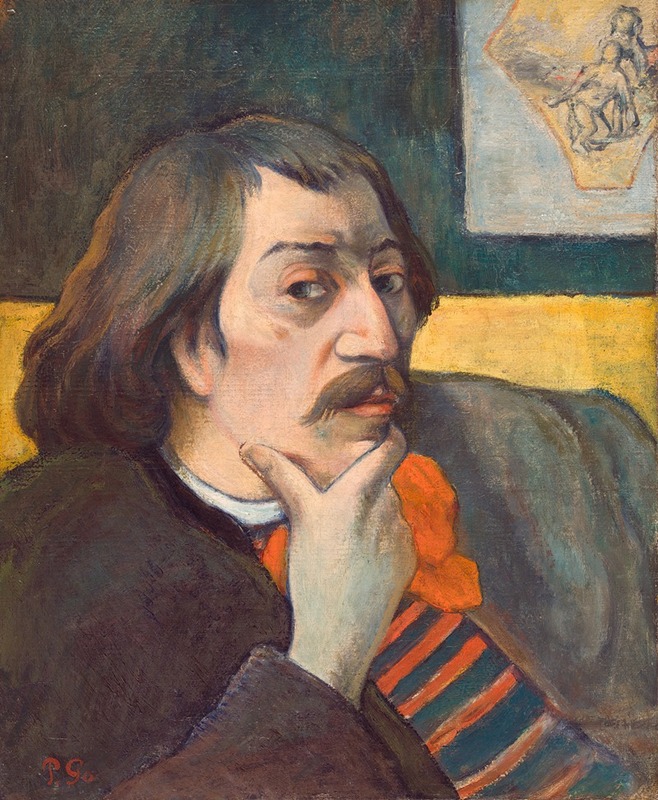
Self Portrait
Paul Gauguin
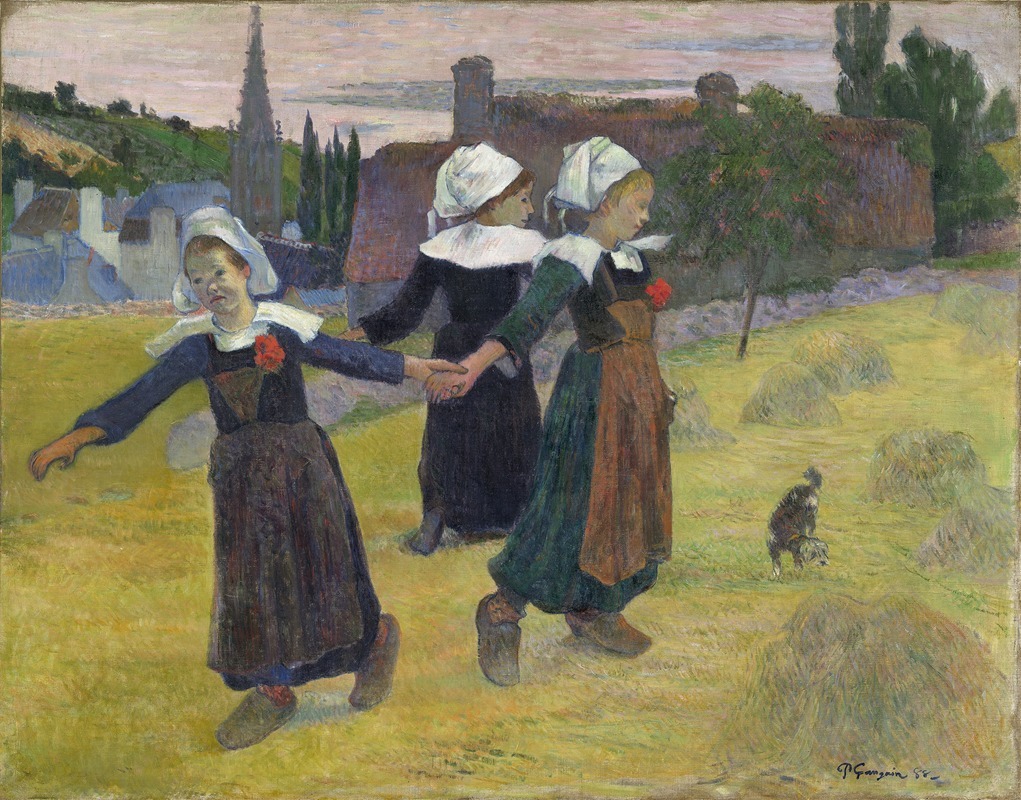
Breton Girls Dancing,Pont-Aven
Paul Gauguin
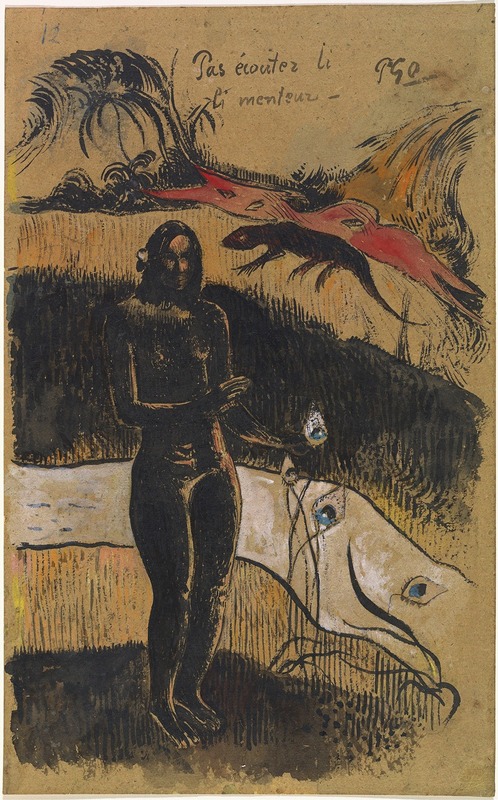
Nave Nave Fenua
Paul Gauguin
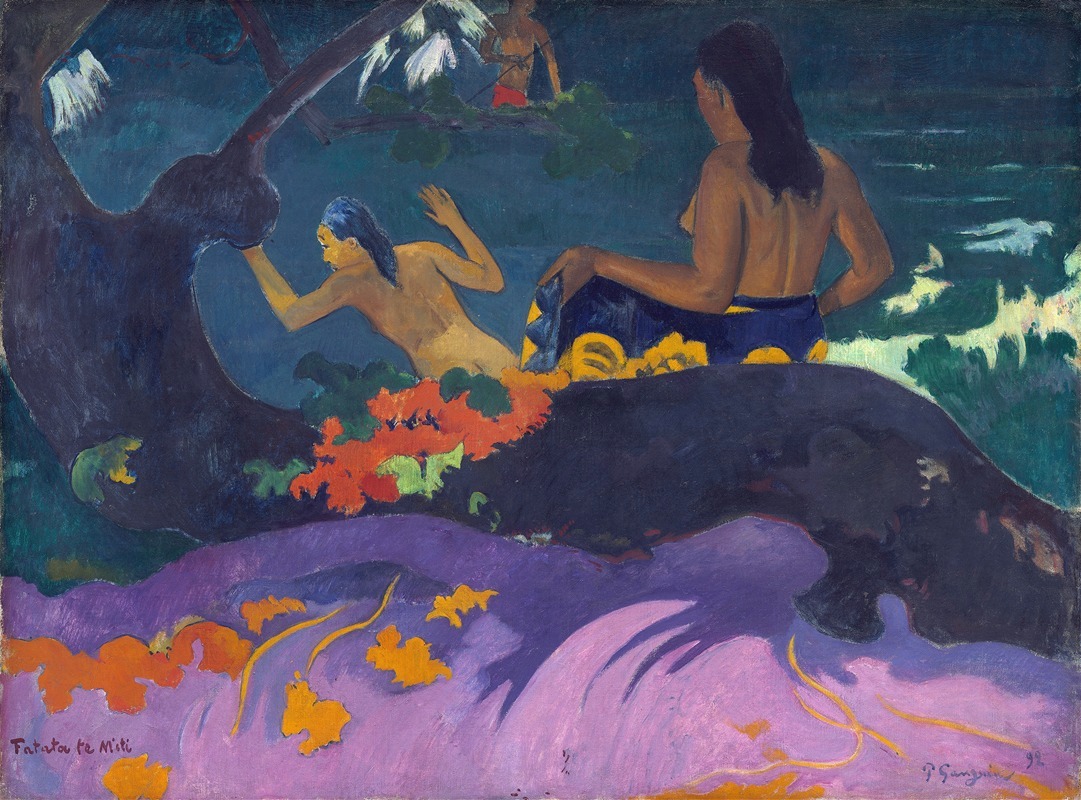
Fatata te Miti (By the Sea)
Paul Gauguin
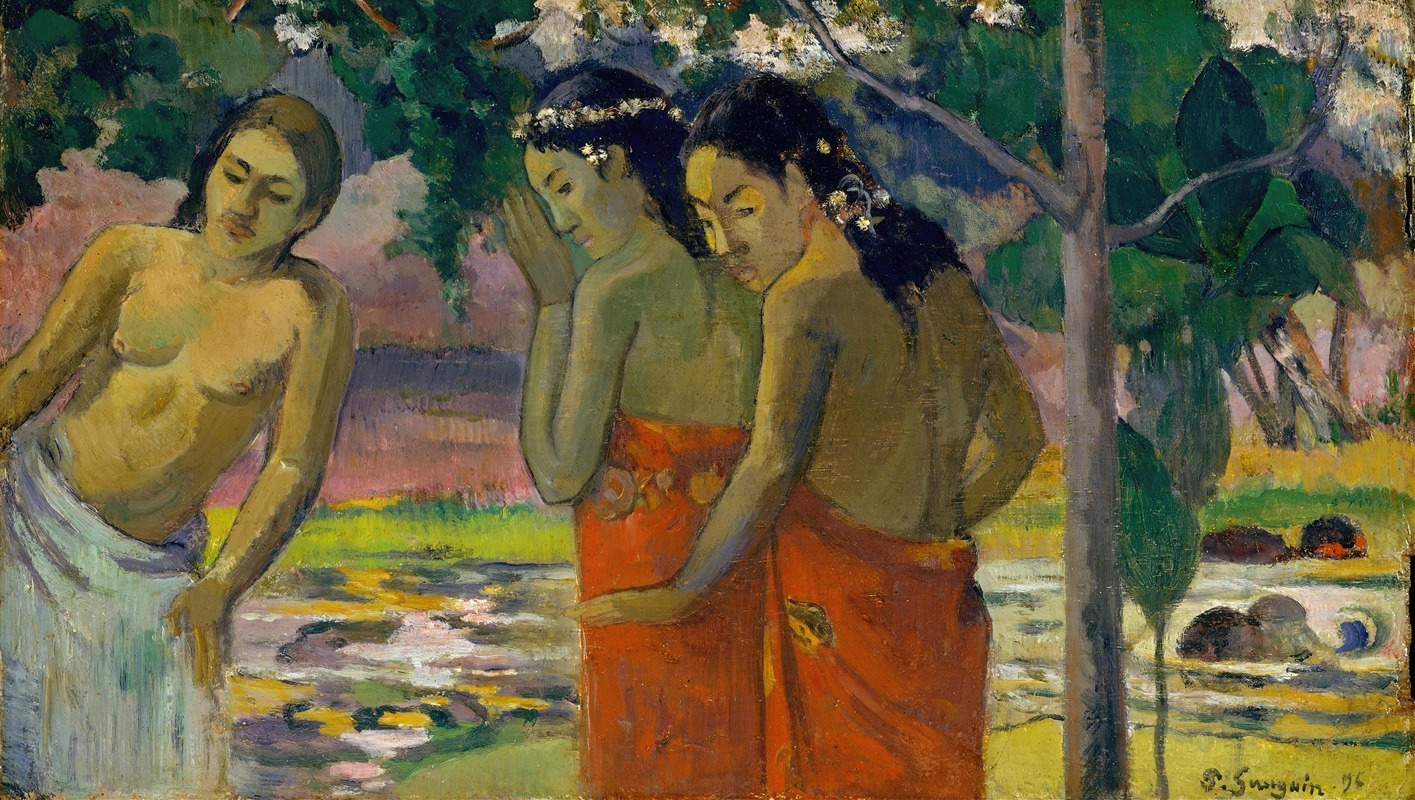
Three Tahitian Women
Paul Gauguin
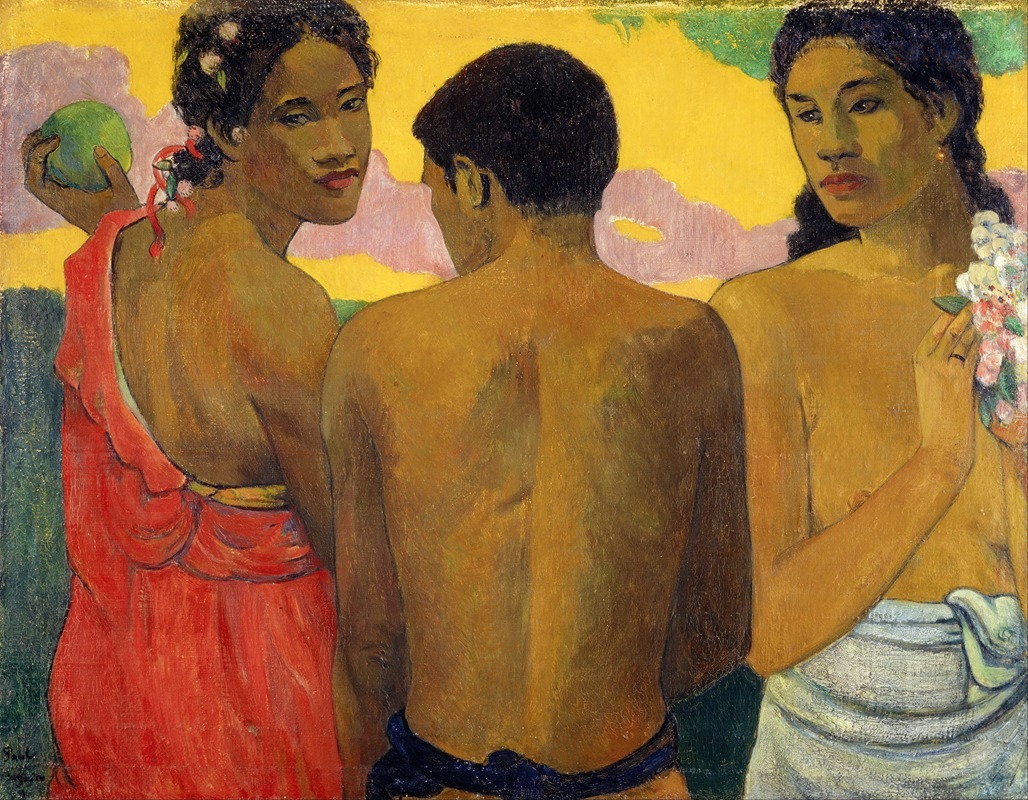
Three Tahitians
Paul Gauguin
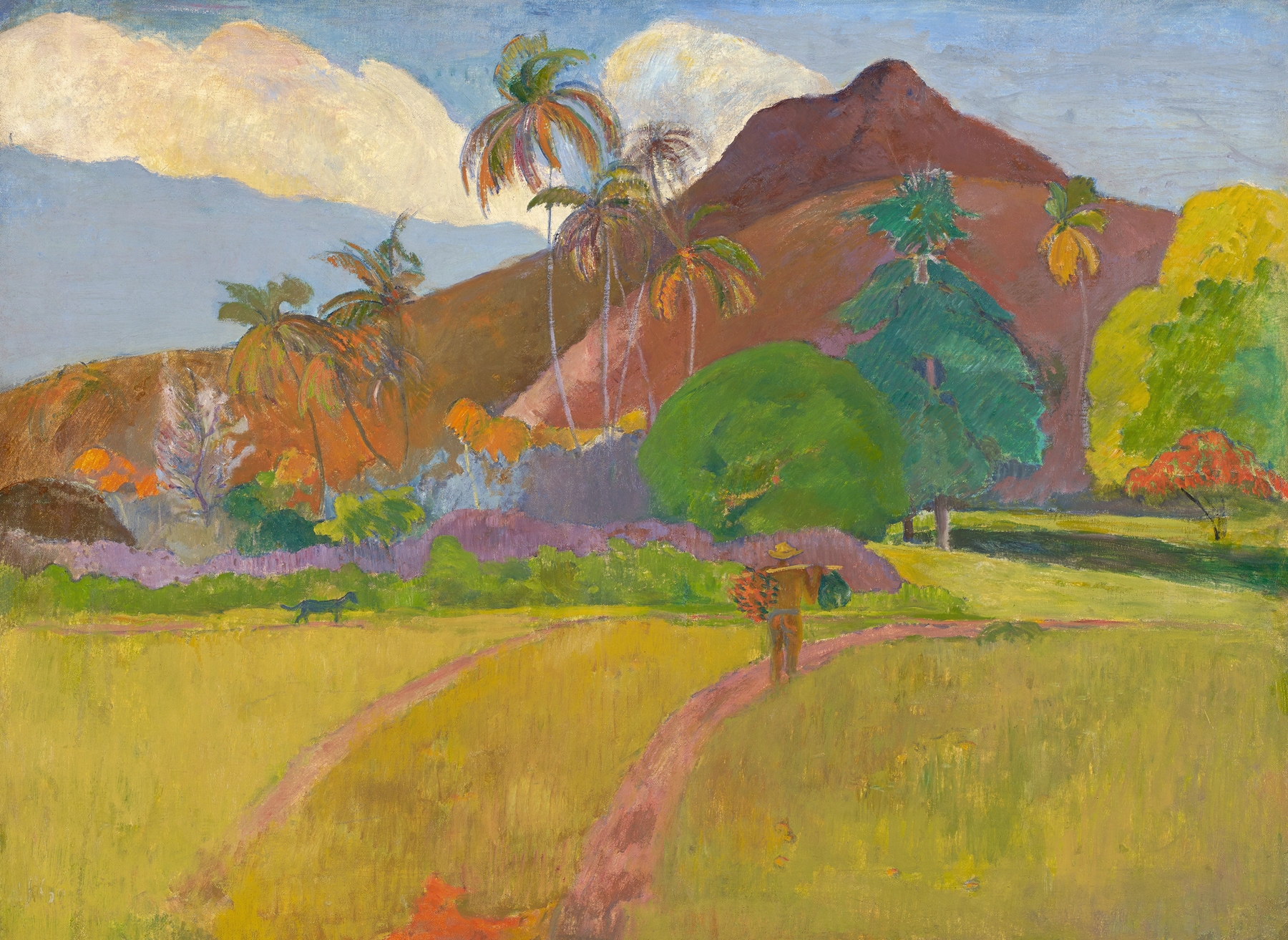
Tahitian Landscape
Paul Gauguin
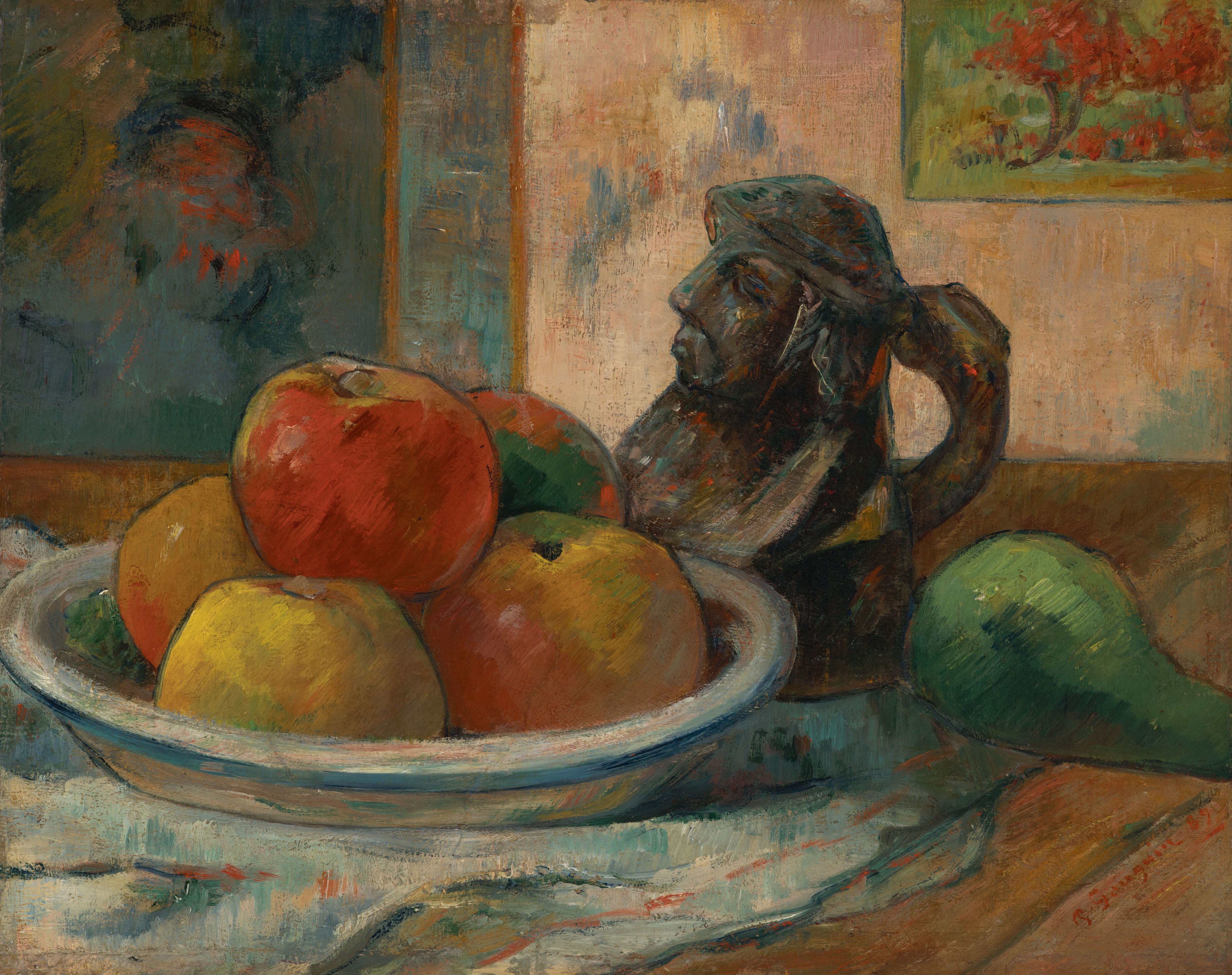
Still Life with Apples, a Pear, and a Ceramic Portrait Jug
Paul Gauguin
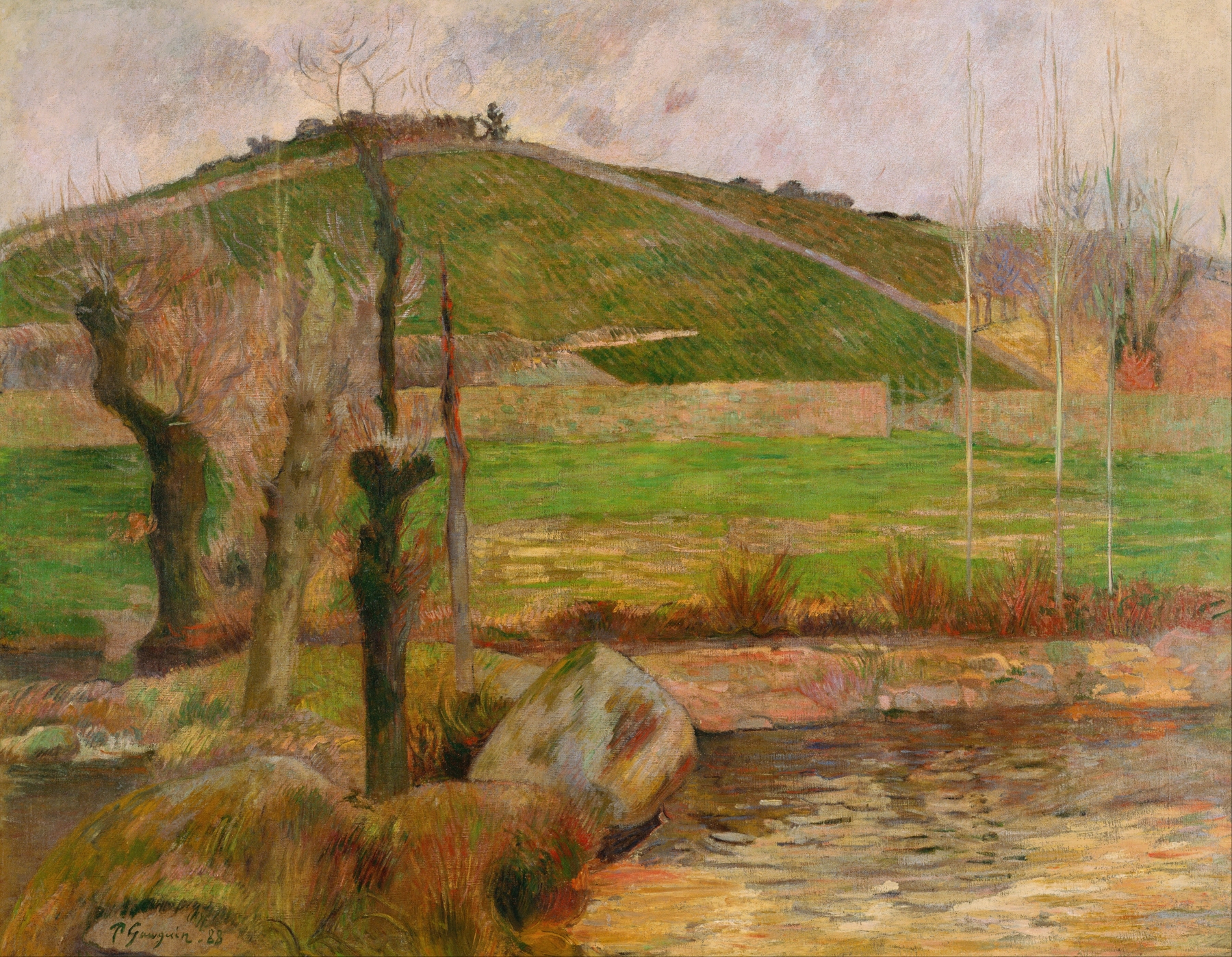
Landscape near Pont-Aven
Paul Gauguin

No te aha oe riri (Why Are You Angry?)
Paul Gauguin