
Wooded Landscape — History & Facts
In its stillness, it captures the echoes of loss that linger in the air, a silent witness to nature's passage through time. Look to the horizon, where a gentle gradient of greens melds into the soft browns of the earth, drawing your eyes to a delicate interplay of light and shadow. Notice how the trees, with their elongated trunks and whispering leaves, frame the scene, invoking a sense of refuge and solitude. The brushwork, smooth yet deliberate, hints at the artist's mastery in rendering the intricate textures of bark and foliage, while the subdued palette evokes a somber, melancholic atmosphere. Beneath the surface, subtle contrasts emerge—between the vibrant life of the trees and the quiet emptiness of the path that winds through them.
The absence of figures suggests a world once bustling with life, now echoing with the weight of absence. Each brushstroke invites contemplation, urging the viewer to reflect on what has been lost, whether it be the vibrancy of nature or the fleeting moments of human connection. In the 18th century, the artist created this piece during a time of significant change in the world of art, heavily influenced by the transition from Baroque to a more romanticized approach. Living in the cultural milieu of the Netherlands, where naturalistic landscapes flourished, he found inspiration in the serene beauty of the Dutch countryside, simultaneously capturing both its splendor and its potential for solitude.
More Artworks by Paulus van Liender
Browse all →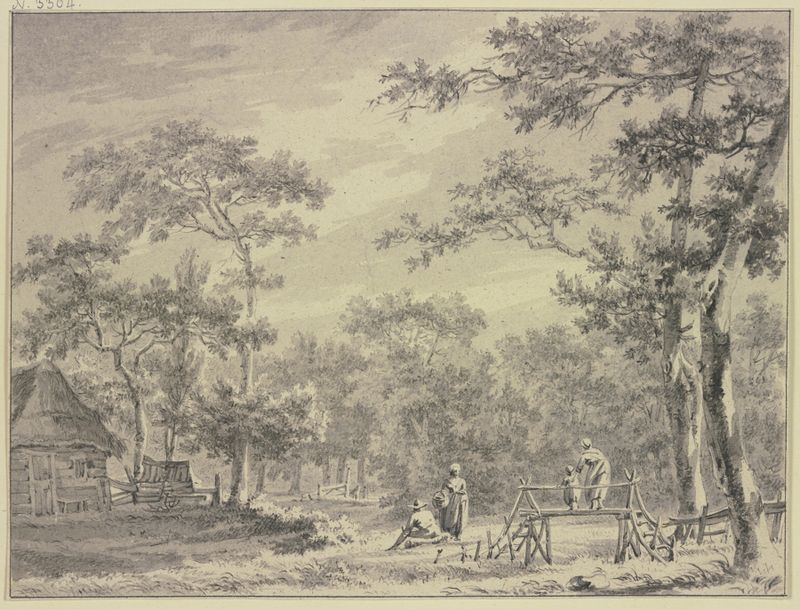
Waldlandschaft, links ein Haus, rechts ein Steg über welchem eine Frau ein Kind führt
Paulus van Liender
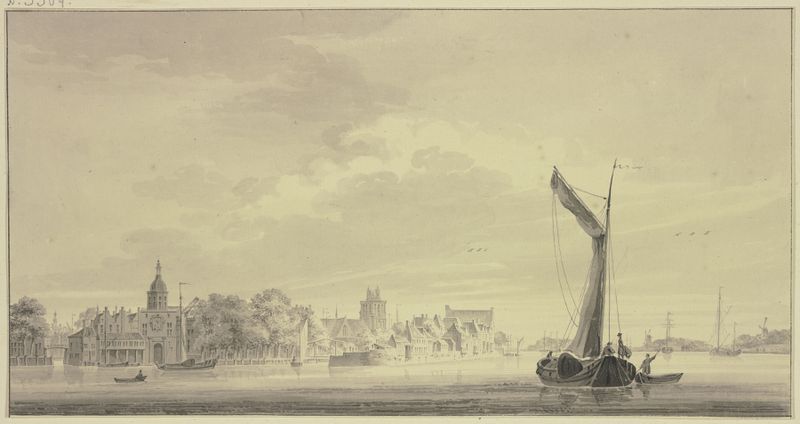
Dordrecht te rien van Papendrecht
Paulus van Liender

Delft aan de Schie
Paulus van Liender
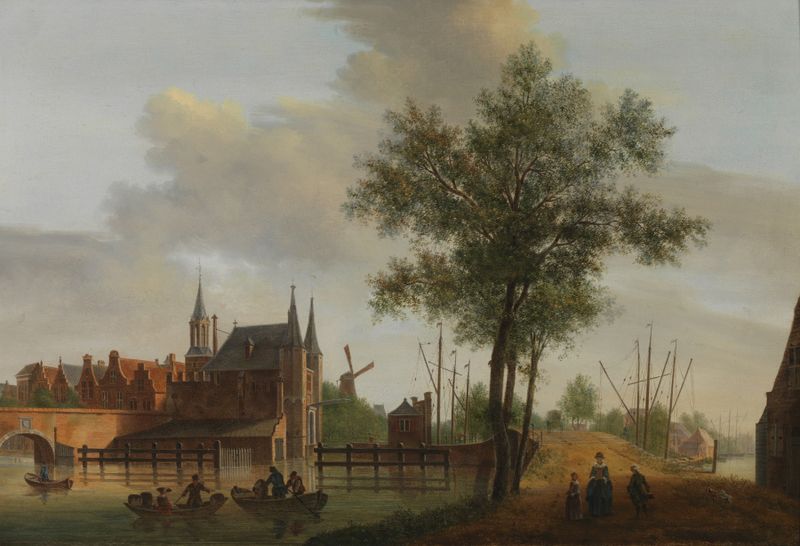
Gezicht op de Potterspoort te Gouda
Paulus van Liender
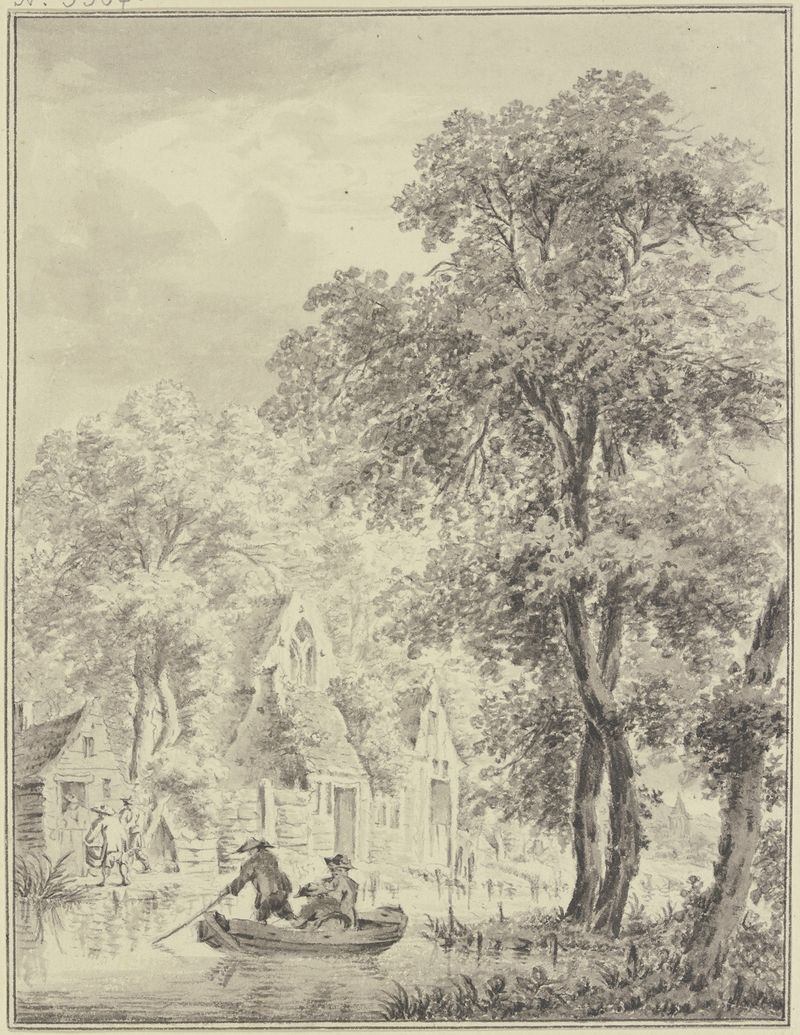
Kanal bei Häusern im Wald, vorne ein Boot mit drei Männern
Paulus van Liender
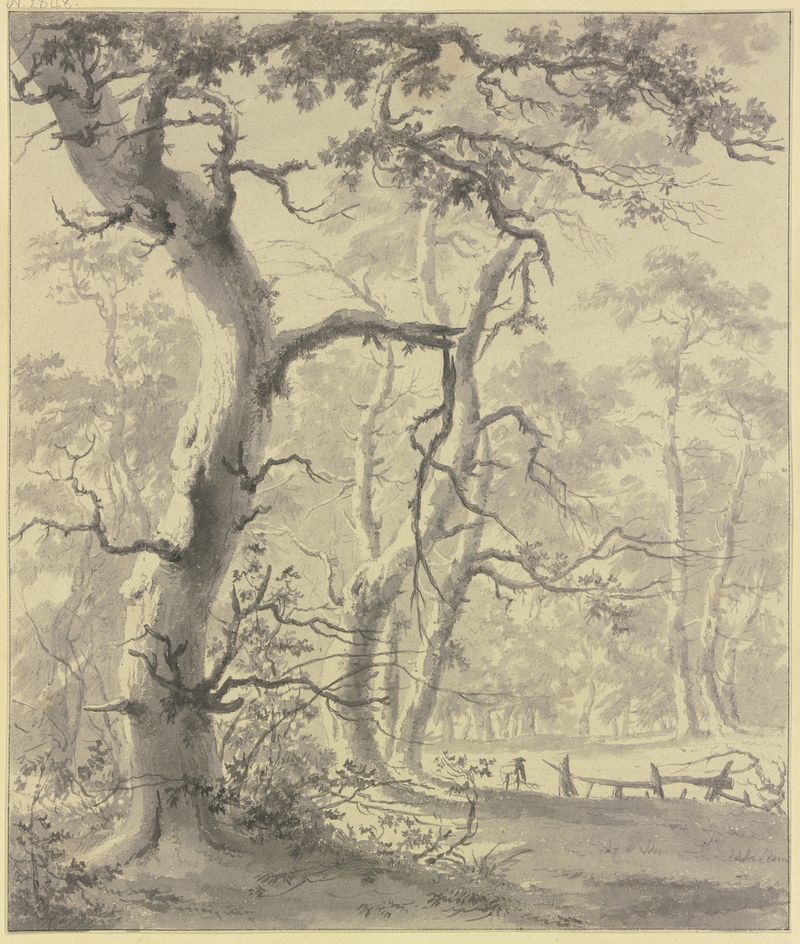
Waldpartie, auf einer Lichtung an einem Zaun liest ein Mann mit Reisig auf
Paulus van Liender
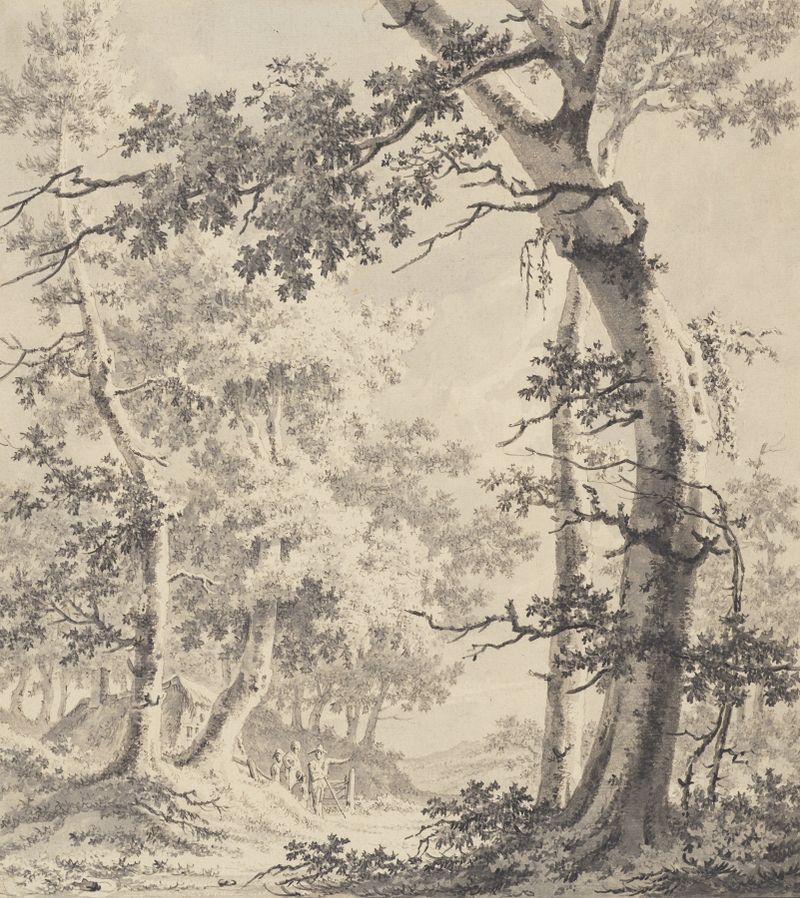
Wooded Landscape
Paulus van Liender

Buyten de Benscoper Poort te Uferflyn
Paulus van Liender
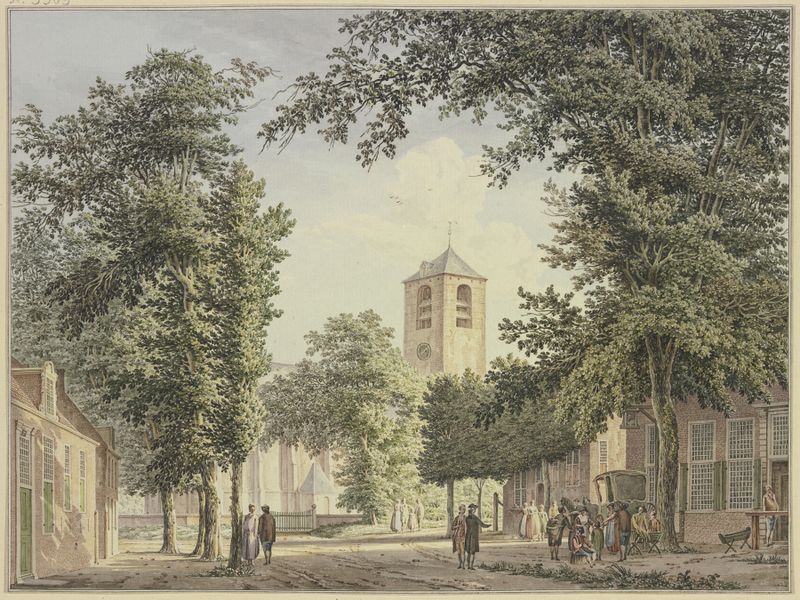
Lis bij Haarlem
Paulus van Liender

Links eine Turmruine am Wasser, rechts eine Brücke, vorne zwei Fischer bei einem Netz
Paulus van Liender





