
Waldlandschaft, links ein Haus, rechts ein Steg über welchem eine Frau ein Kind führt — History & Facts
The serene landscape hides whispers of longing and betrayal, drawing the viewer into its delicate embrace. Look to the left at the quaint house, where warm hues of ochre and soft browns invoke nostalgia yet suggest an unsettling comfort. The structure stands as a silent witness to the scene unfolding across the canvas. Next, let your gaze travel to the right, where a narrow steed stretches across the water’s edge.
The woman, with her gentle hand guiding a child, moves toward the horizon, suggesting a journey fraught with both love and uncertainty. The play of light dances upon the water, reflecting the vibrant sky—yet the tranquility is pierced by an undercurrent of tension. The juxtaposition of the idyllic landscape with the figures teeters on a precipice of emotion. The woman's gesture, tender yet firm, hints at a protective instinct, perhaps born from past betrayals.
There’s a palpable distance between the figures and their destination, evoking feelings of hope intertwined with apprehension. The idyllic scene is, in fact, a stage where the story of resilience and underlying sorrow unfolds, revealing that not all beauty is free from pain. Painted during a time when the artist explored the depths of human emotion through landscapes, this work emerged in the early 18th century, a period marked by shifts in artistic focus toward personal narratives. Van Liender's brush captured both the tranquility of nature and the complexities of human relationships, reflecting his own experiences as he navigated the evolving world of art, where lush beauty often belied deeper truths.
More Artworks by Paulus van Liender
Browse all →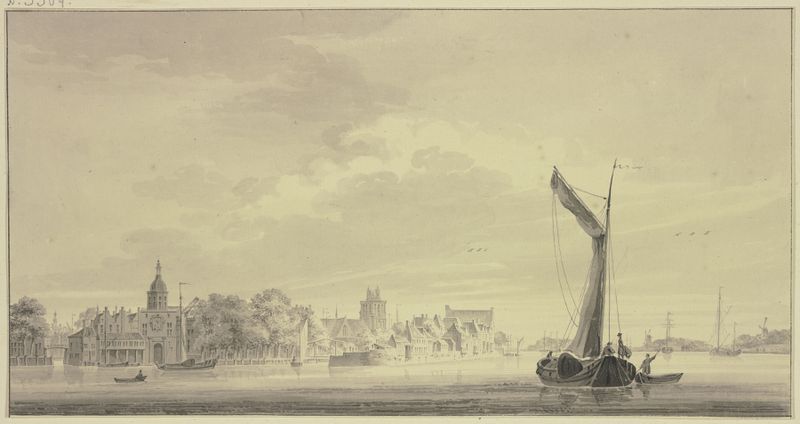
Dordrecht te rien van Papendrecht
Paulus van Liender

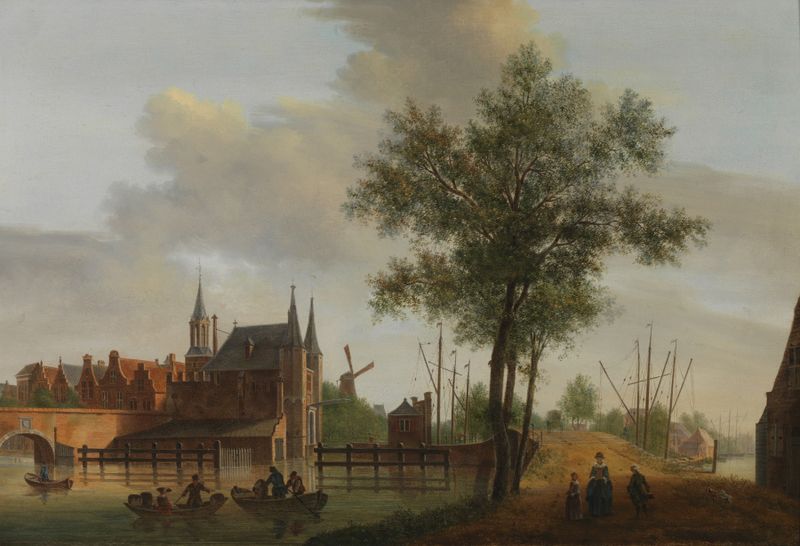
Delft aan de Schie
Paulus van Liender
Gezicht op de Potterspoort te Gouda
Paulus van Liender
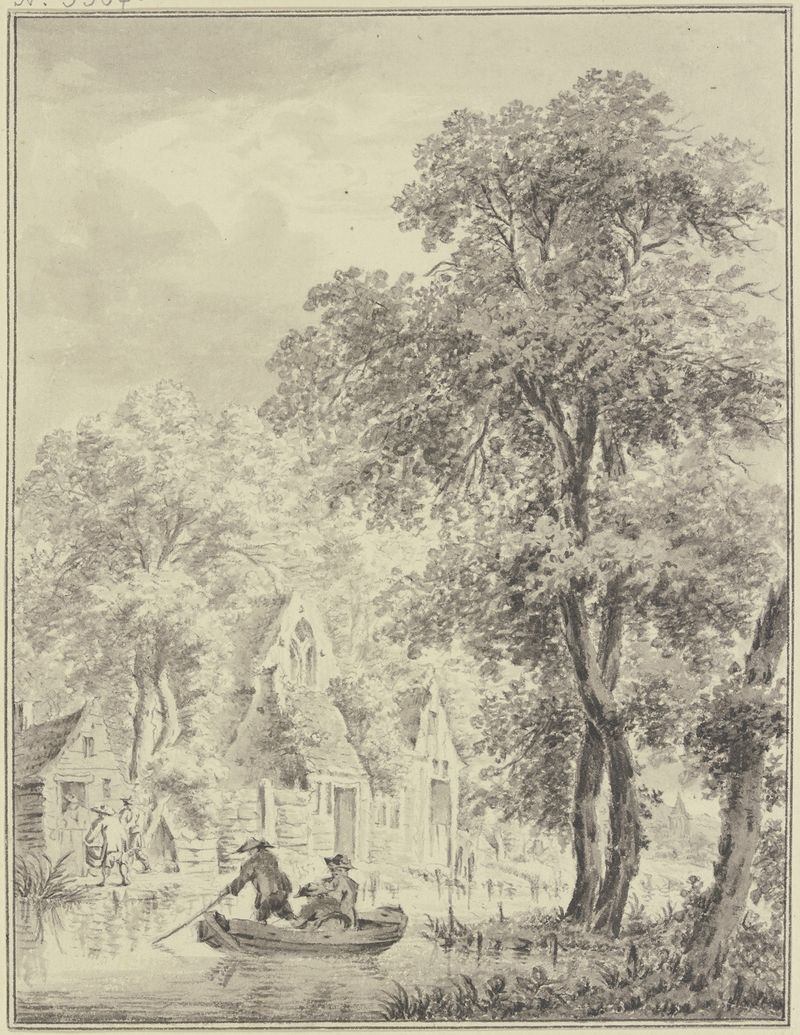
Kanal bei Häusern im Wald, vorne ein Boot mit drei Männern
Paulus van Liender
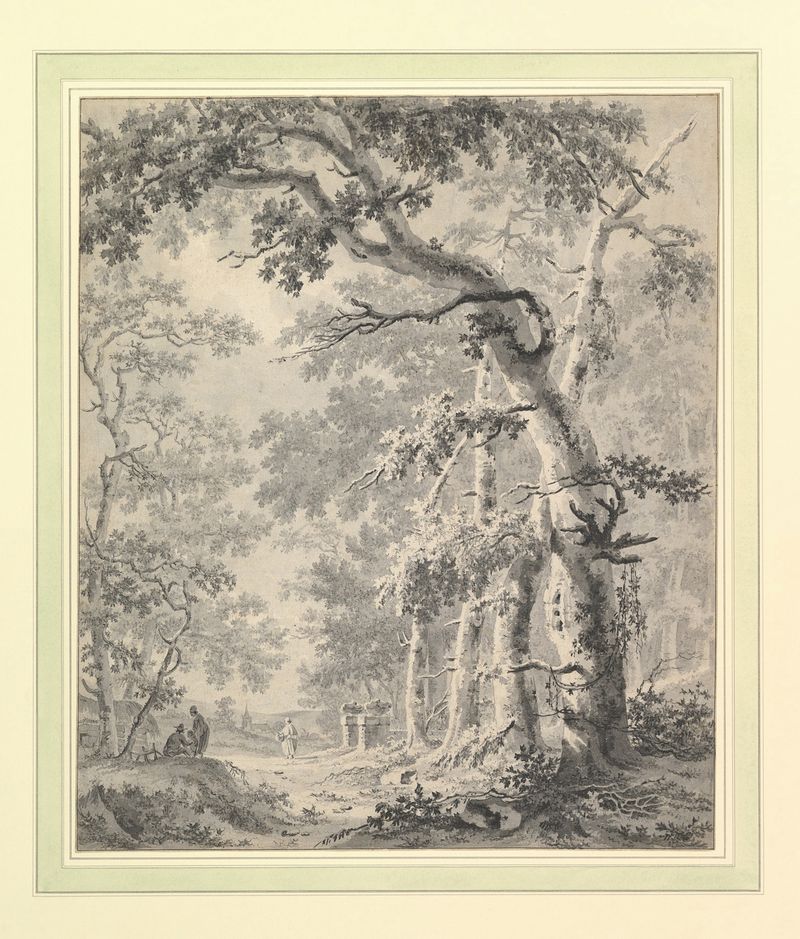
Wooded Landscape
Paulus van Liender
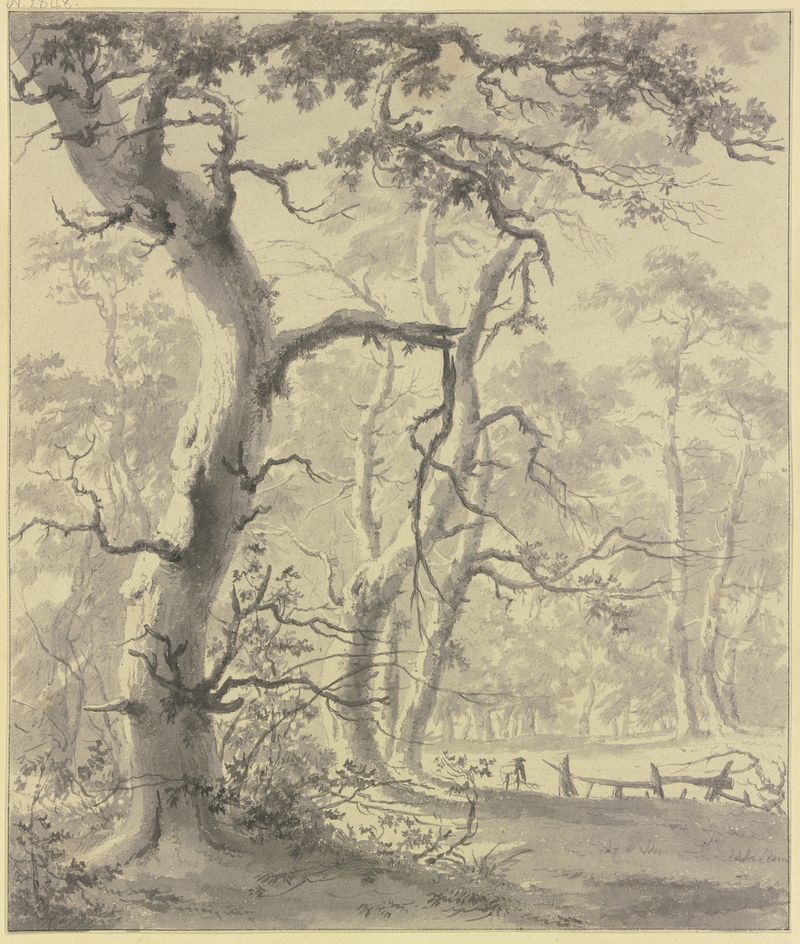
Waldpartie, auf einer Lichtung an einem Zaun liest ein Mann mit Reisig auf
Paulus van Liender
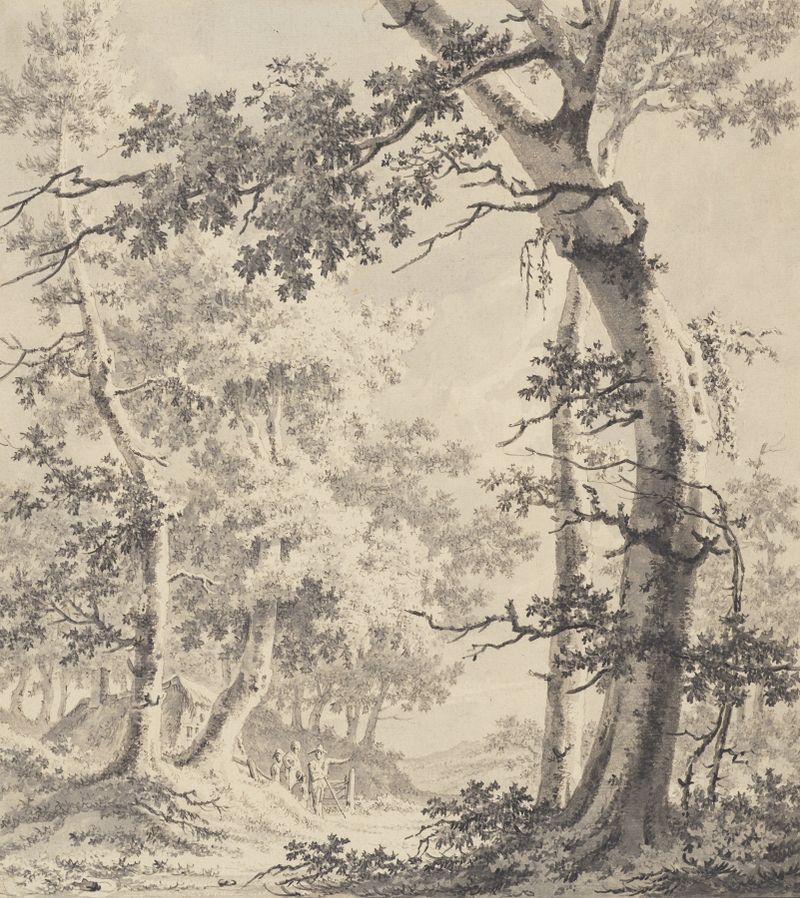
Wooded Landscape
Paulus van Liender

Buyten de Benscoper Poort te Uferflyn
Paulus van Liender
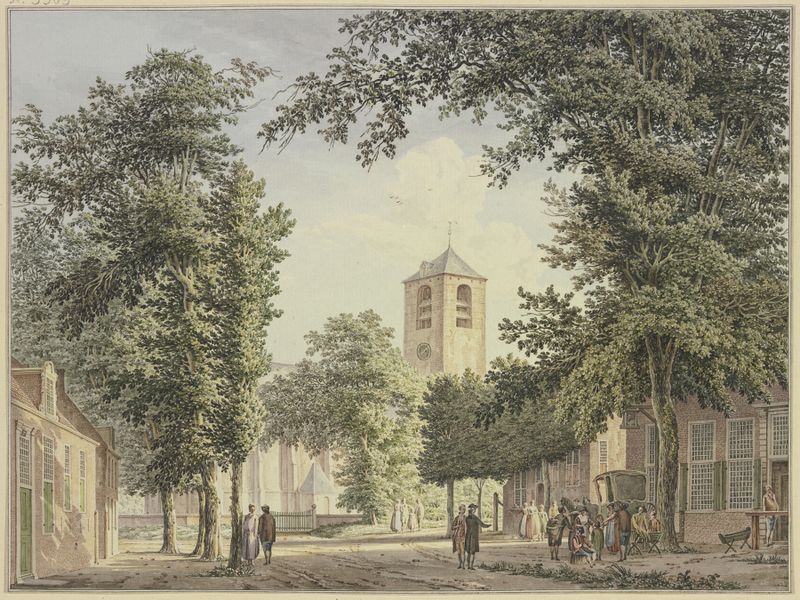
Lis bij Haarlem
Paulus van Liender

Links eine Turmruine am Wasser, rechts eine Brücke, vorne zwei Fischer bei einem Netz
Paulus van Liender





