
Yōfu gajō, Pl.13 — History & Facts
What if beauty was never meant to be finished? In the delicate strokes of Yōfu gajō, Pl.13, an ethereal tapestry of desire unfolds, beckoning us to explore the spaces between longing and fulfillment. Look to the center where the figure of a woman emerges, draped in flowing garments that seem to whisper of movement, yet remain tantalizingly still. The soft, muted colors blend harmoniously, creating a dreamlike atmosphere that invites the viewer in. Notice how the light caresses her form, casting gentle shadows that enhance her curves, while the intricate floral motifs surrounding her breathe life into the composition.
This careful balance of simplicity and detail draws the eye, compelling one to linger and reflect. Beyond the apparent beauty lies a complex interplay of emotions. The woman's gaze, distant yet inviting, speaks of unfulfilled desire and the transient nature of beauty itself. The surrounding elements, floral and vibrant, contrast with her composed demeanor, suggesting a world brimming with passion yet tinged with restraint.
This duality reflects the struggle between longing and the acceptance of imperfection, a theme that resonates deeply across time. Created between 1895 and 1898, this work emerged from an era where traditional aesthetics faced challenges from modernist movements. The artist, whose identity remains shrouded in mystery, likely sought to encapsulate the essence of desire amidst a changing artistic landscape. At this time, the world was witnessing shifts in gender dynamics and cultural expressions, making this representation both timeless and strikingly relevant.
More Artworks by Unknown Artist
Browse all →
Ridder, Dood en Duivel
Unknown Artist
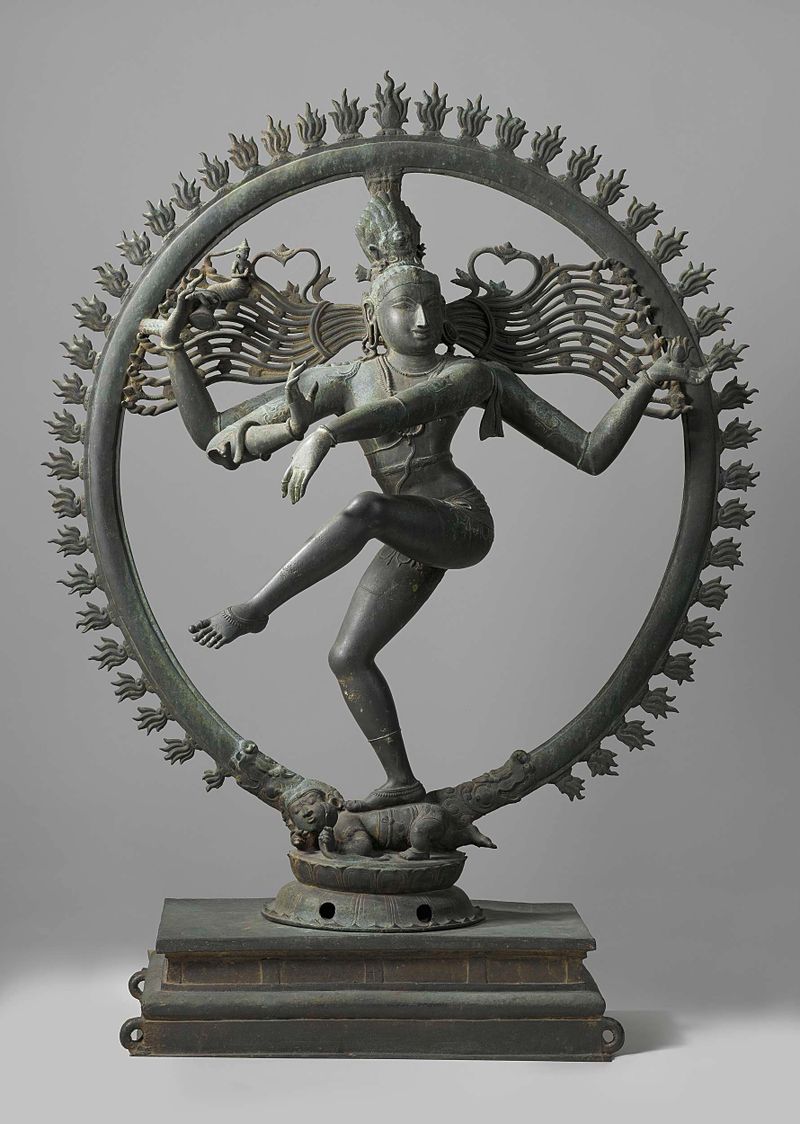
Shiva Nataraja
Unknown Artist
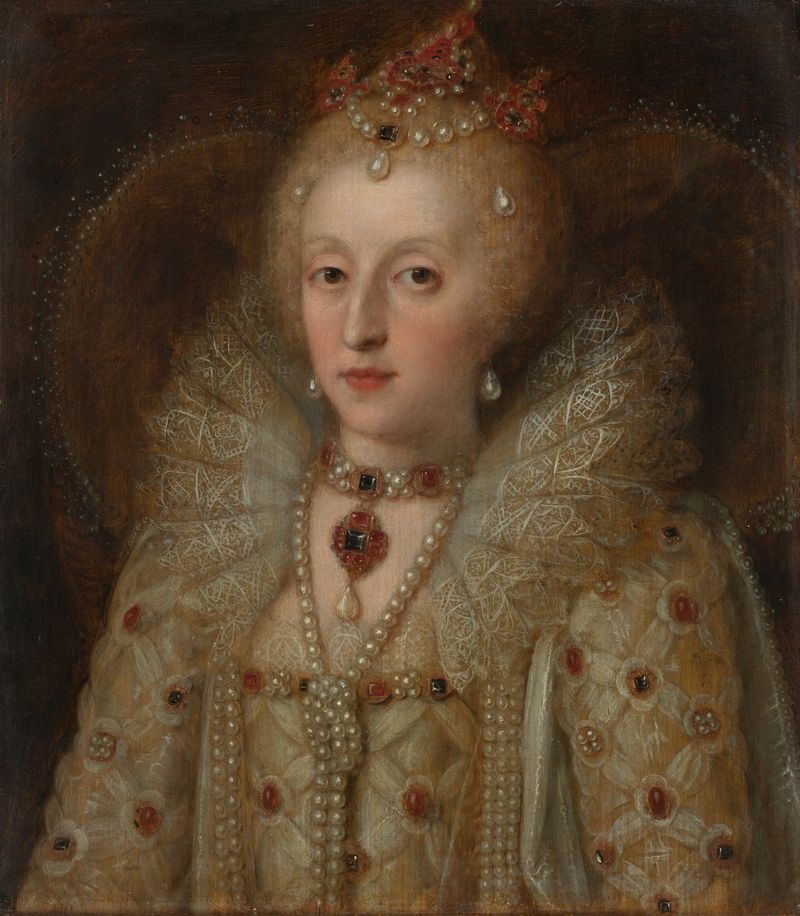
Portrait of Elizabeth I, Queen of England
Unknown Artist
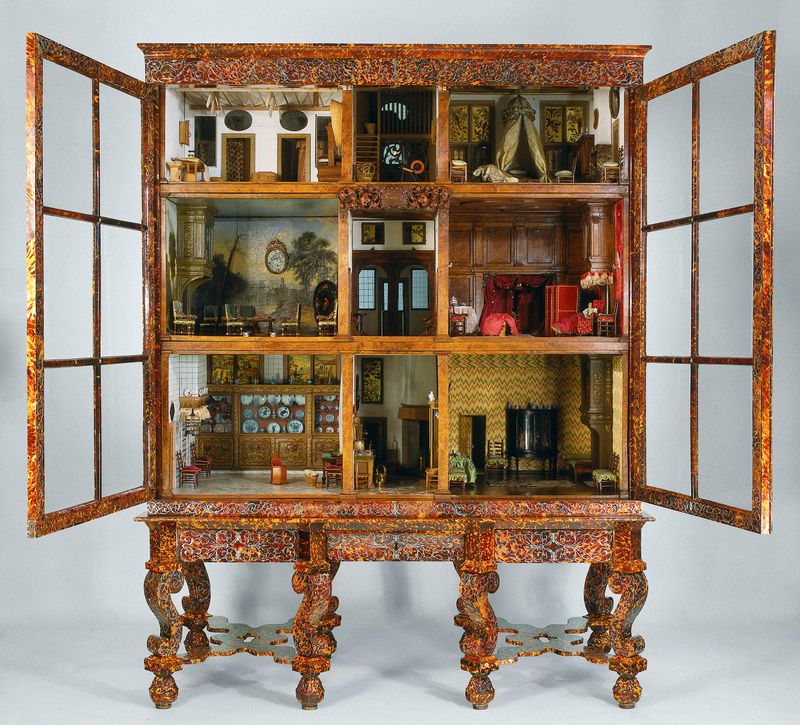
Dolls’ house of Petronella Oortman
Unknown Artist
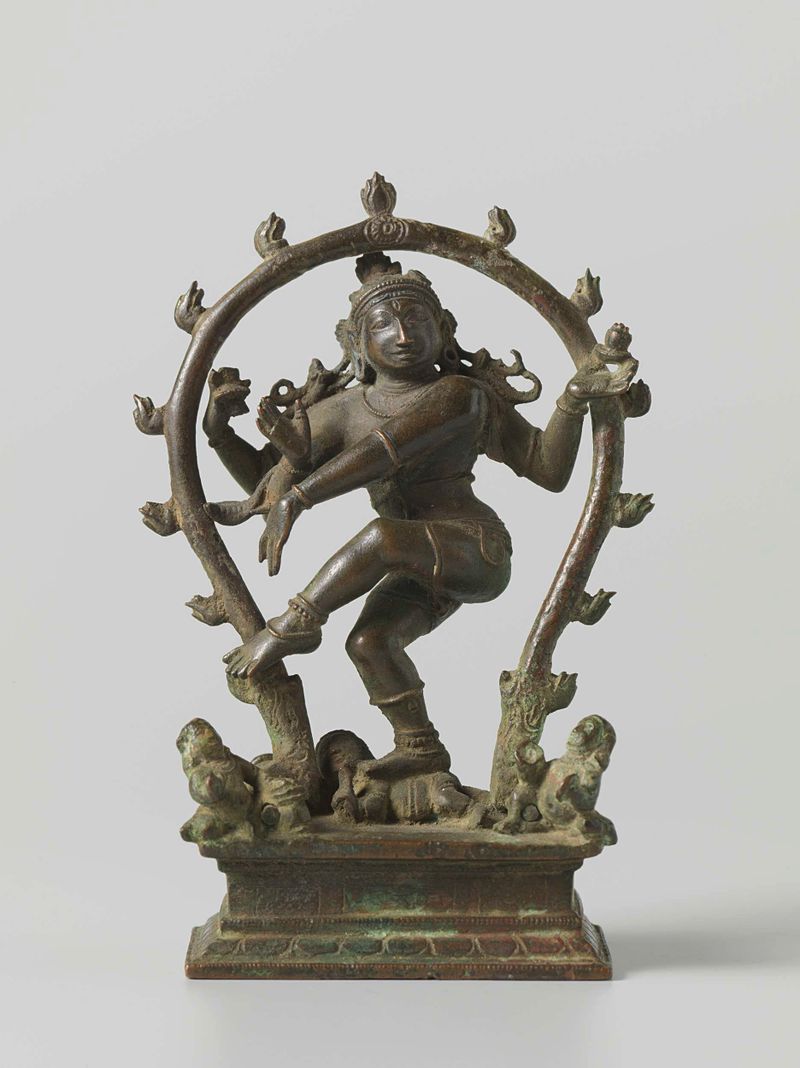
Shiva Nataraja
Unknown Artist

The Tale of Genji
Unknown Artist

The Tale of Genji
Unknown Artist

Cong
Unknown Artist
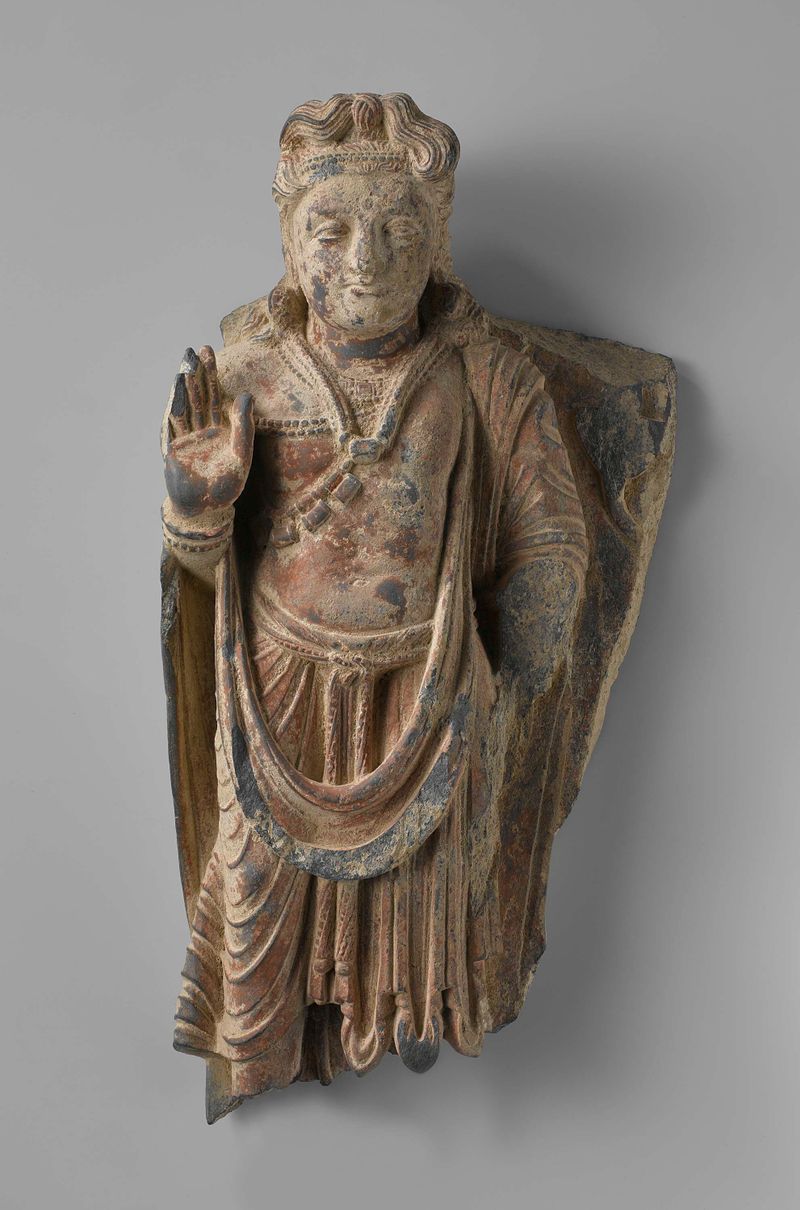
The bodhisattva Maitreya
Unknown Artist

Teabowl with a 'hare's fur' glaze
Unknown Artist





