
Yoke of oxen — History & Facts
In the quiet simplicity of life, the weight of mortality rests heavily upon us all. Look to the left of the canvas where the sturdy forms of the oxen stand resolutely, their broad backs colored in earthy browns and subtle grays. The horizon stretches behind them, a wash of golden hues blending seamlessly into fading blues, hinting at the passage of time. The subtle detailing of their muscular frames and the gently weathered yoke emphasize not only their physical labor but also the bonds that tether them to the earth and their human counterparts, highlighting a sense of unity through toil. Delve deeper, and layers of meaning unravel; the weariness etched into the oxen’s expressions reflects the quiet dignity of labor, a meditation on life’s cyclical nature.
The contrast between the vibrant landscape and the tranquil creatures speaks to the intersection of life and stillness, mortality wrapped in the promise of renewal. The yoke itself, a symbol of burden and connection, invites contemplation on the invisible ties that bind us to our duties, our heritage, and ultimately, our mortality. Created in 1879, this work emerged during a period of significant change in European art, where the influence of realism began to challenge traditional romantic ideals. Anton Burger, a lesser-known figure, sought to encapsulate the essence of rural life through unembellished depictions of labor and the natural world.
This painting captures not just a moment in time, but the timeless rhythm of existence itself, reflecting the artist’s intention to show the beauty inherent in the ordinary.
More Artworks by Anton Burger
Browse all →
Hohlweg mit Schafherde bei Kelsterbach
Anton Burger
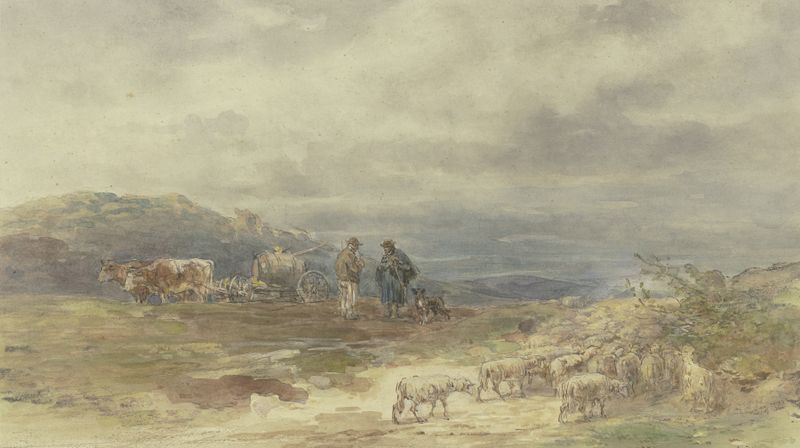
Landschaft mit Schafherde und Ochsenfuhrwerk
Anton Burger

View of Kronberg
Anton Burger
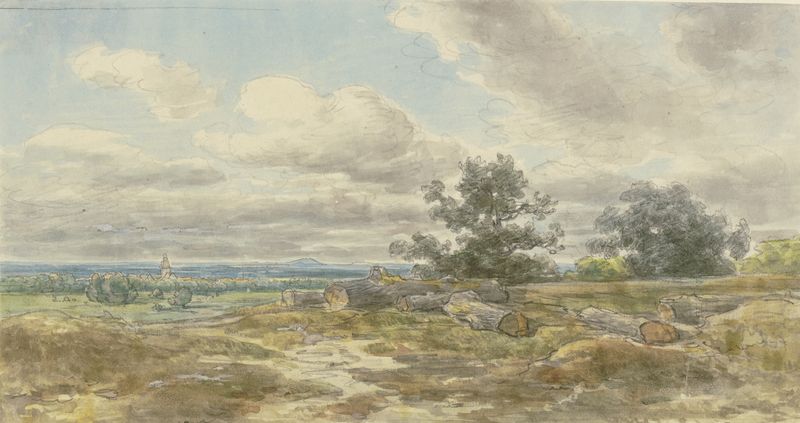
Aussicht über eine Ebene, im Vordergrund umherliegende abgesägte Baumstämme
Anton Burger
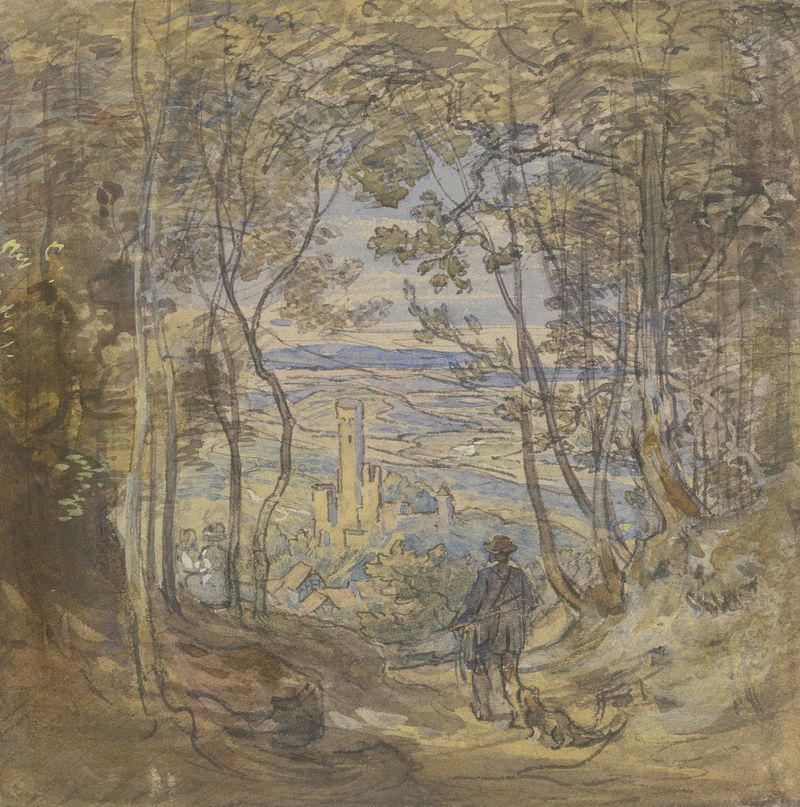
Blick aus dem Wald auf Eppstein
Anton Burger

Oberreifenberg mit Burg Reifenberg
Anton Burger
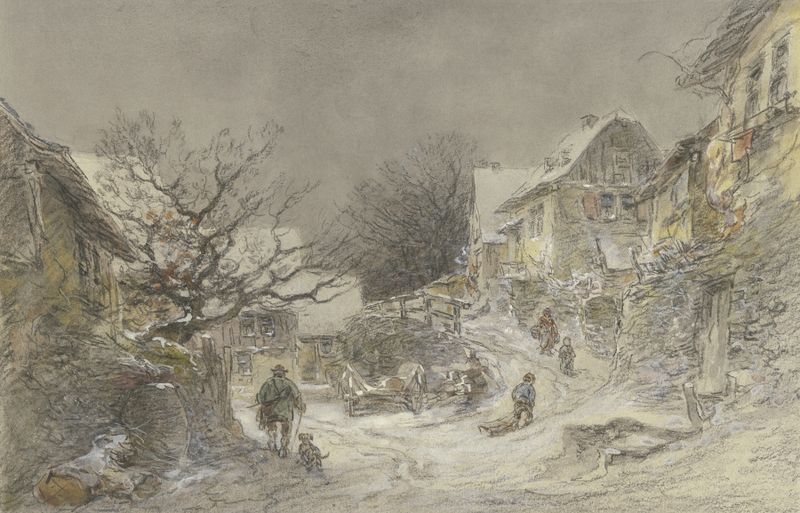
Winteransicht von Falkenstein
Anton Burger

Hohlweg mit Schafherde bei Sonnenuntergang
Anton Burger

Landschaft mit Ochsengespann
Anton Burger
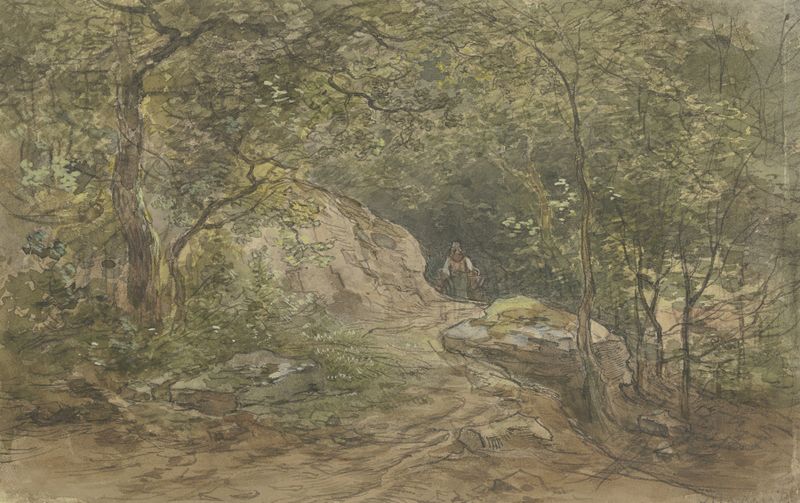
Fahrweg durch einen Buchenwald
Anton Burger





