Zaal in het stadhuis van Regensburg — History & Facts
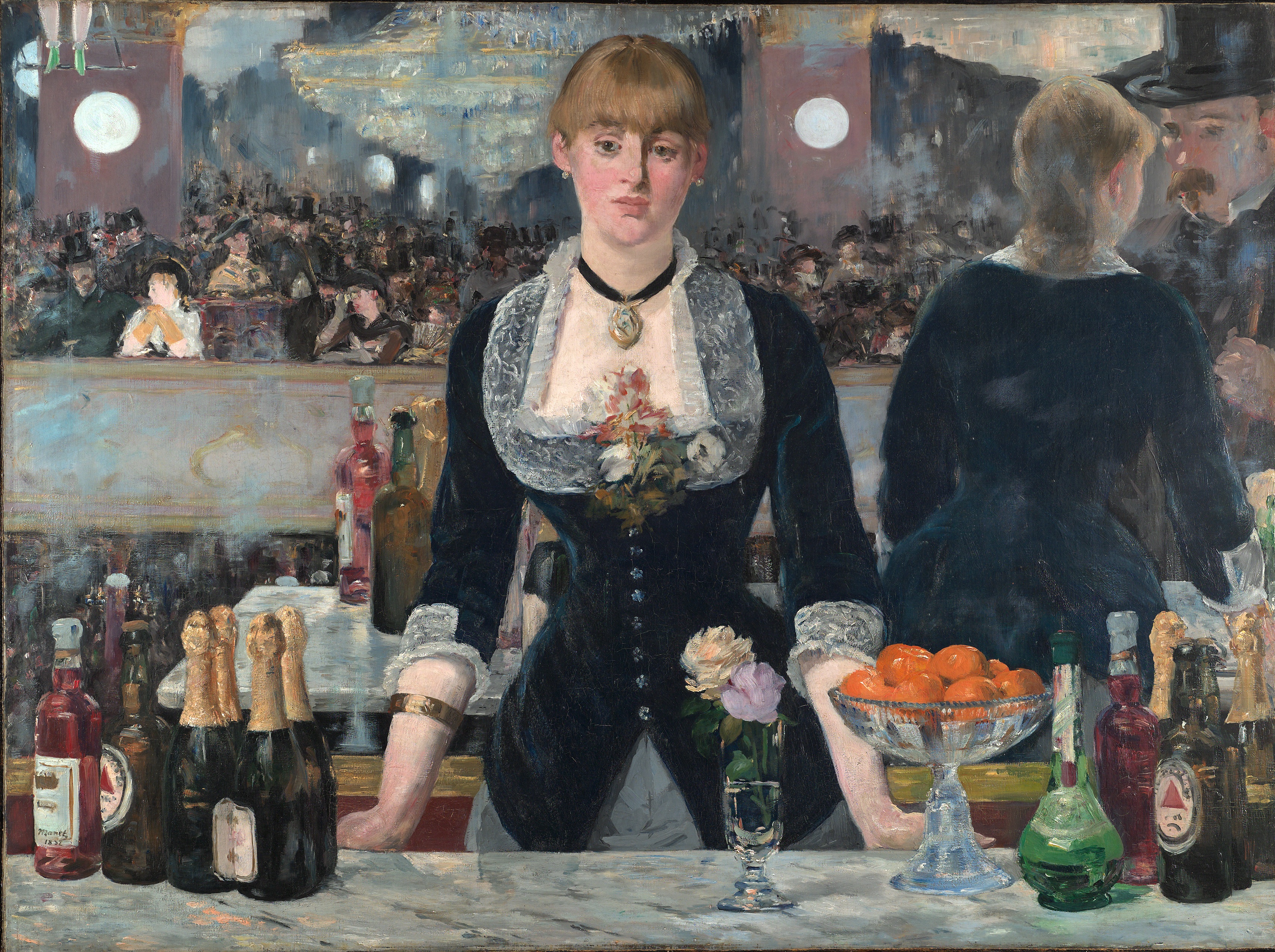
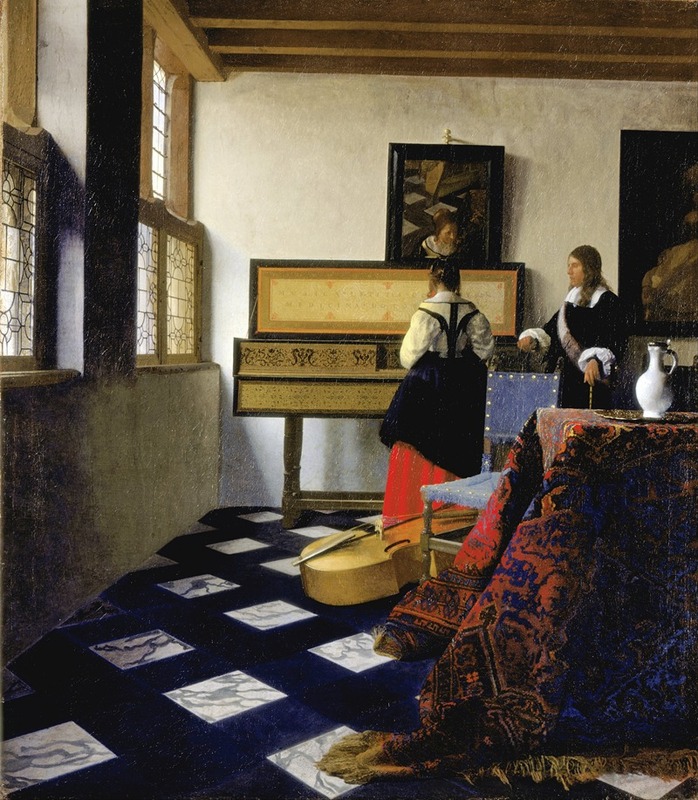
In the heart of a bustling city, the quietude of a gathering can become a transformative illusion—a moment suspended in time, revealing the deeper truths hidden beneath the surface. Focus on the intricate details that dominate Zaal in het stadhuis van Regensburg. Look to the soft light filtering through the grand windows, illuminating the rich wooden textures and ornate carvings that frame the scene. Notice how the artist employs a muted palette, allowing the warm hues of ochre and subdued greens to reflect an atmosphere of solemnity and reverence.
Your eyes should wander to the figures seated around the table, their postures and expressions hinting at an unvoiced tension, underscoring the gravity of their discourse. Delve into the subtleties within this composition. The juxtaposition of light and shadow crafts an illusion of depth, inviting contemplation of the unseen conversations that transpire within the room. The meticulous attention to detail in the architectural elements reveals a sense of history, while the expressions of the figures offer insight into their individual narratives and shared dilemmas.
This layering of visual and emotional elements evokes both connection and isolation, reflecting the complexities of human interaction. In 1886, Emil Herbst painted this work during a period of significant change in the art world, where realism began to dominate and traditional styles faced scrutiny. Working in Germany, he was influenced by the societal shifts of the time, including the burgeoning industrialization that reshaped urban life. His approach reflects an interest in capturing momentary truths within the context of broader historical currents, making this piece a compelling study of both character and circumstance.