
Zingende geestelijke — History & Facts
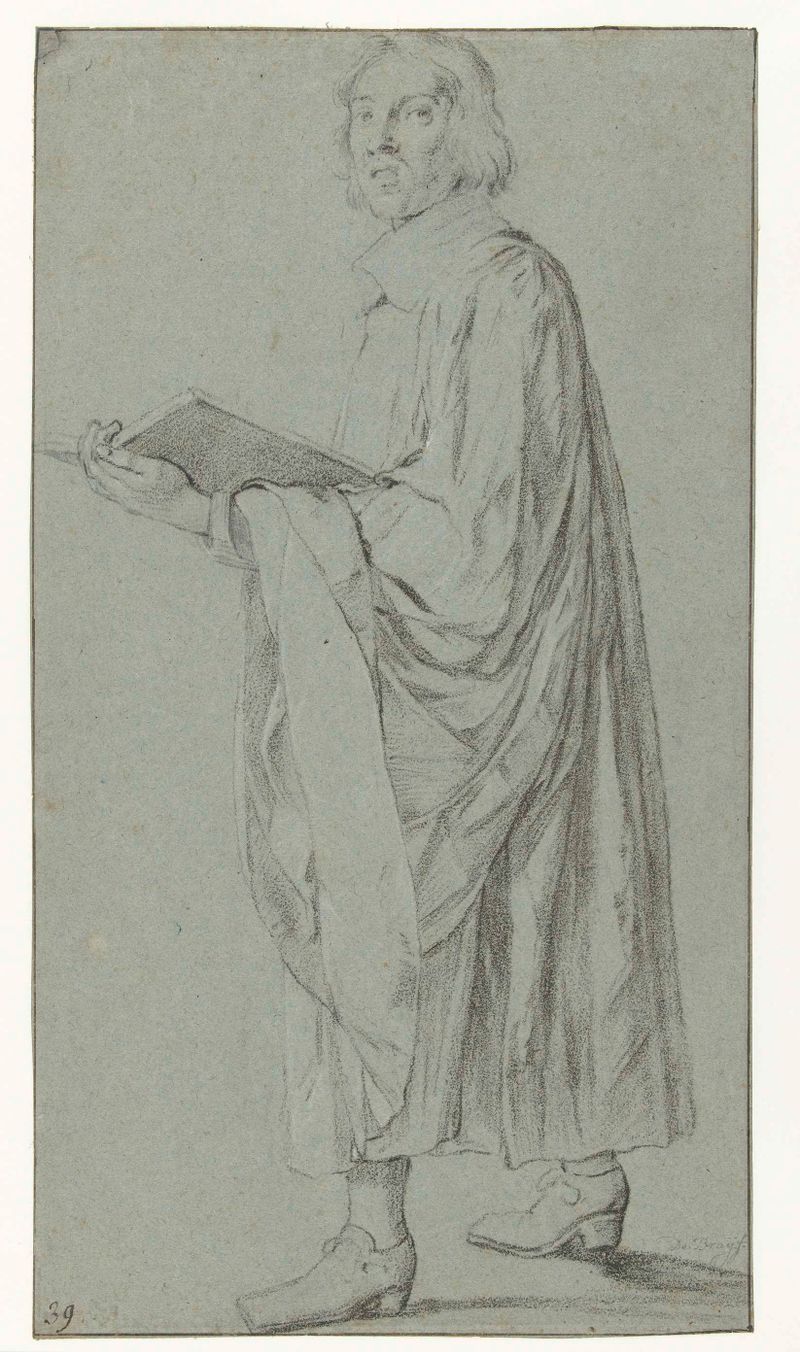
In this tranquil moment, the innocence of youth stands juxtaposed with the weight of faith, a delicate balance captured within the depths of a painting that echoes with quiet revelations. Focus first on the figure at the center, a young choirboy, his innocent face illuminated by a soft, golden light. Notice how the chiaroscuro technique emphasizes the contours of his expression, drawing your gaze to his wide, expectant eyes. The subtle play of light and shadow not only enlivens his features but also casts a warm glow on the pages of the music resting before him, suggesting moments of divine inspiration and introspection. As you delve deeper, observe the intricate details—the folds of his robe, the gentle curl of his fingers around the sheet music.
Each element carries a sense of longing and devotion, hinting at the unspoken dreams and burdens that often accompany innocence. The surrounding dark backdrop contrasts sharply with the figure, representing the duality of purity in a world that often obscures it, inviting the viewer to reflect on the weight of expectation placed upon the young. Jan de Bray painted Zingende geestelijke during a significant period in the Dutch Golden Age, when art flourished amidst a complex society grappling with religious and cultural identity. Creating this work between 1637 and 1697, he navigated the shifting tides of artistic innovation, reflecting the era's devotion and the quest for personal expression within the spiritual domain.
More Artworks by Jan de Bray
Browse all →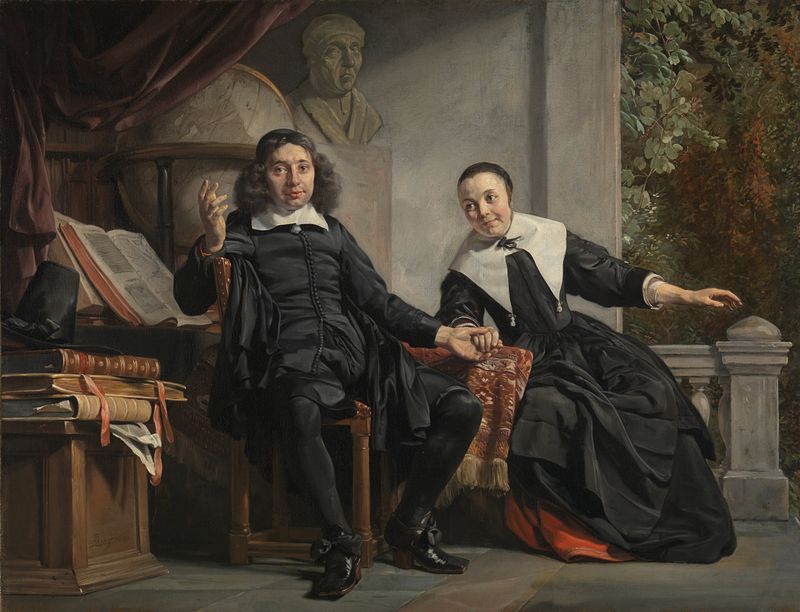
More Portrait Art
Browse all →
Las meninas
Diego Velázquez

Self-portrait with a Bandaged Ear and Pipe
Unidentified artist

Girl with a Pearl Earring
Johannes Vermeer

The Sampling Officials of the Amsterdam Drapers’ Guild, Known as ‘The Syndics’
Rembrandt van Rijn

The Hundred Guilder Print: the man seen on the back in the lower left corner
Rembrandt van Rijn

Portrait of Dr Gachet
Vincent van Gogh