Zomers landtafereel met plezierschepen — History & Facts
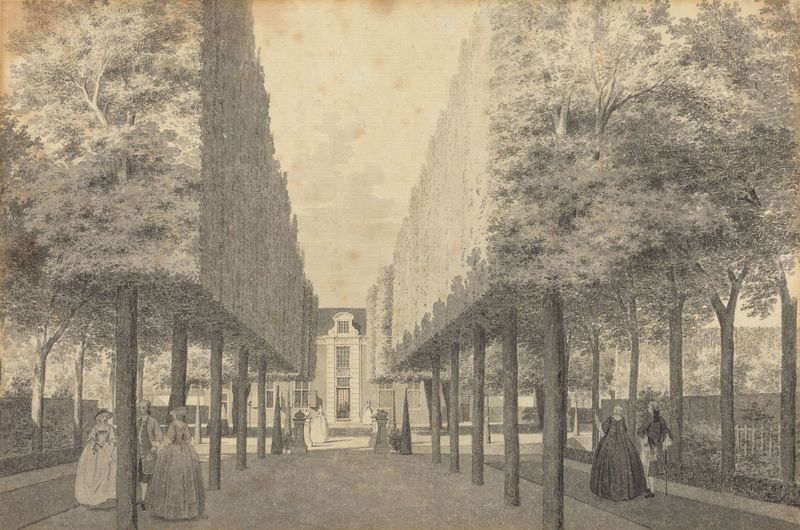
Can beauty exist without sorrow? In the delicate interplay of light and color, a serene landscape unfolds, whispering the tales of joy and leisure. Look to the left at the gentle curves of the rolling hills, dotted with vibrant patches of wildflowers that seem to dance in the soft breeze. The sails of pleasure boats catch the golden sunlight, their whites and blues stark against a backdrop of lush greenery and a tranquil azure sky. The meticulous attention to detail—the textures of the foliage and the shimmering water—imparts a sense of harmony, drawing the viewer’s eye into this picturesque world. Yet, beneath the idyllic surface lies a deeper resonance.
The pleasure ships, while symbols of leisure, hint at the fleeting nature of happiness, suggesting that moments of joy are often juxtaposed with the inevitability of time’s passage. The serene landscape, while beautiful, carries an undercurrent of nostalgia, evoking a longing for simple pleasures that are often overshadowed by life’s complexities. This tension between bliss and introspection weaves through the fabric of the scene, inviting contemplation. In 1748, Cornelis Pronk was entrenched in the vibrant art scene of the Netherlands, where he was celebrated for capturing the nuances of everyday life.
Working in the bustling artistic atmosphere of Amsterdam, Pronk’s focus on landscapes reflected the emerging appreciation for nature and leisure in Dutch culture. His creation of Zomers landtafereel met plezierschepen not only showcased his technical skill but also resonated with the broader themes of his time, exploring the balance between beauty and the ephemeral nature of existence.