Ladies and Gentlemen Enjoying a Dutch Garden — History & Facts
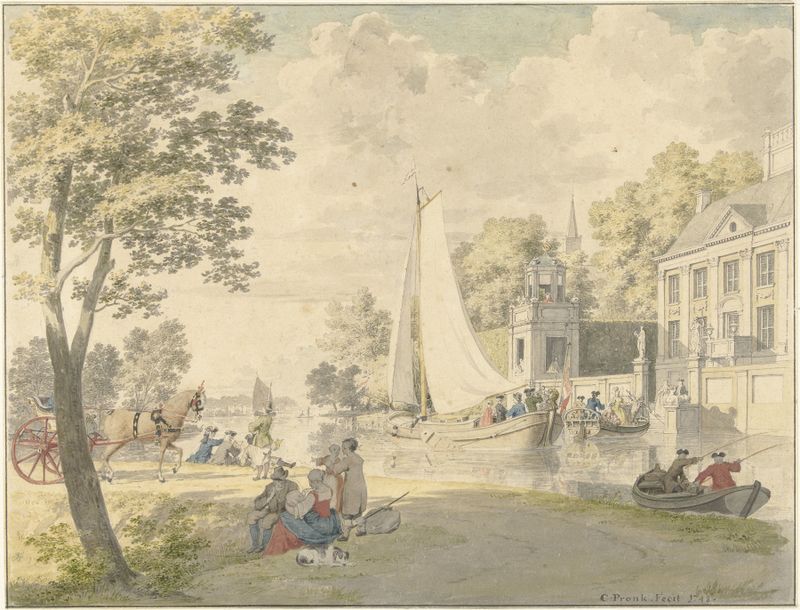
A sun-drenched afternoon, laughter mingles with the gentle rustling of leaves as elegantly dressed figures stroll through a meticulously arranged garden. A gentleman gestures animatedly, while a lady tilts her head slightly, her expression unreadable, hinting at an unspoken tension. The vibrant blooms around them seem to echo the vividness of their interactions, yet a shadow lurks beneath the grace of their postures. Look to the center, where the vibrant hues of tulips and daffodils converge, leading your gaze toward the figures.
The rich greens of the foliage create a lush backdrop that accentuates the bright silks of their clothing. Notice the way the light filters through the trees, casting soft shadows that play across the scene, enhancing the feeling of intimacy yet suggesting the presence of something hidden. The composition is balanced, with the figures positioned harmoniously among the bursts of color, inviting viewers to ponder their relationships further. Betrayal simmers beneath the surface of this idyllic representation.
The lady’s slight smile juxtaposes the tension in her eyes, hinting at secrets untold. The gentleman’s confident stance may mask insecurity, as if he is unaware of the lady’s contemplations. The surrounding beauty of the garden, while enchanting, becomes a metaphor for the complexities of social interactions, revealing the fragility of trust amid the spectacle of life. In 1739, Cornelis Pronk created this work during a time when Dutch society was enveloped in the elegance of the Rococo style.
Living in Amsterdam, Pronk was influenced by the cultural and artistic currents of the period, which emphasized lightness and exuberance. His meticulous attention to detail and vibrant palette reflect not only his artistic vision but also the societal norms and personal dynamics of his contemporary world.