
Zug, Ortsteilansicht — History & Facts
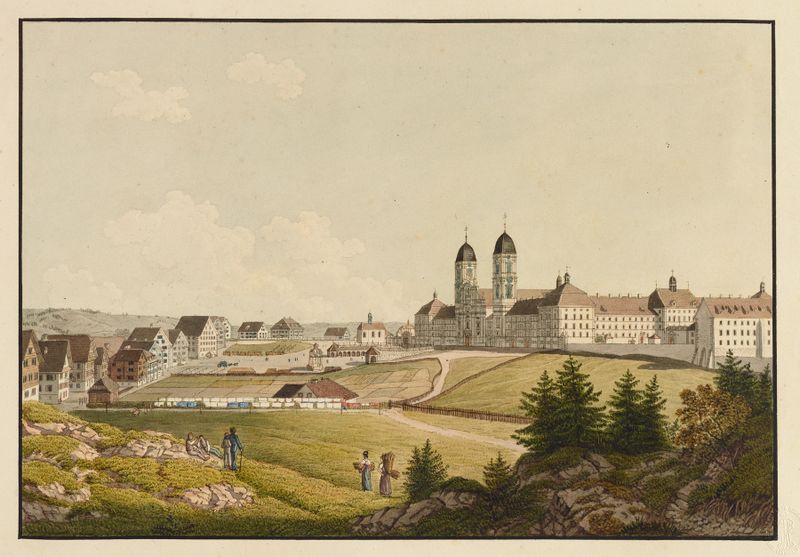
Who listens when art speaks of silence? In the stillness of Zug, Ortsteilansicht, a quiet moment unfolds, inviting viewers into a world where contemplation and creation intertwine. Look to the left at the delicate interplay of light and shadow as it caresses the undulating hills. The muted palette evokes a sense of nostalgia, while the subtle brushstrokes suggest a landscape that feels both familiar and dreamlike. Notice how the tranquil rooftops contrast with the dynamic swirl of cloud formations above, creating a visual dialogue that breathes life into this serene vista. Delve deeper into the emotional layers of the piece, where each element serves a purpose.
The interplay between the grounded homes and the expansive sky hints at the tension between human existence and nature's vastness. The absence of bustling figures suggests an invitation to reflect — a moment where the external world fades, allowing the viewer’s imagination to roam freely. In this stillness, one can sense both solitude and togetherness, as if the landscape itself holds secrets waiting to be discovered. David Alois Schmid created Zug, Ortsteilansicht during a tumultuous period in art history, between 1915 and 1945, amid the shifting cultural landscape of Europe.
Living in Switzerland, he was influenced by the evolving styles of the time, yet his approach remained intimate and personal. This period saw a wave of artistic exploration, and Schmid’s work stands as a testament to the enduring power of nature and the inner life of the artist.
More Artworks by David Alois Schmid
Browse all →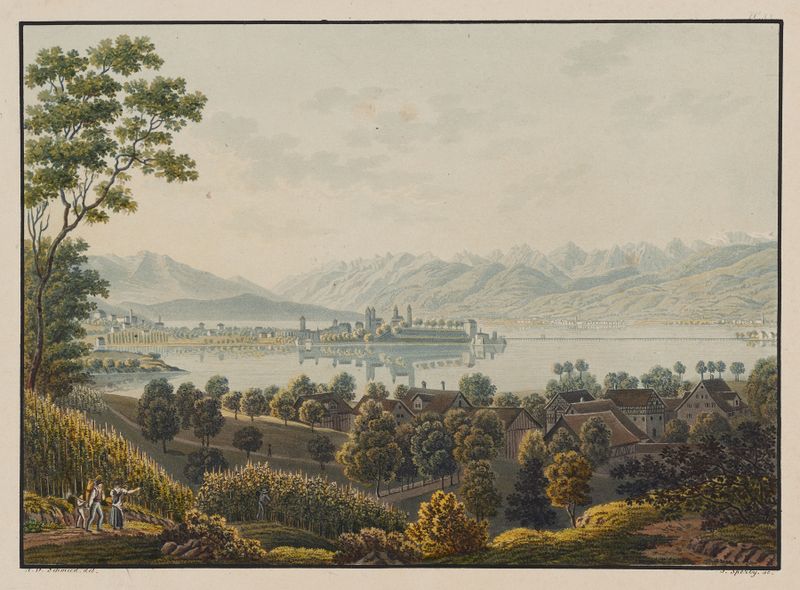
Vue de Rapperschwyl vers Lachen lac de Zurich
David Alois Schmid
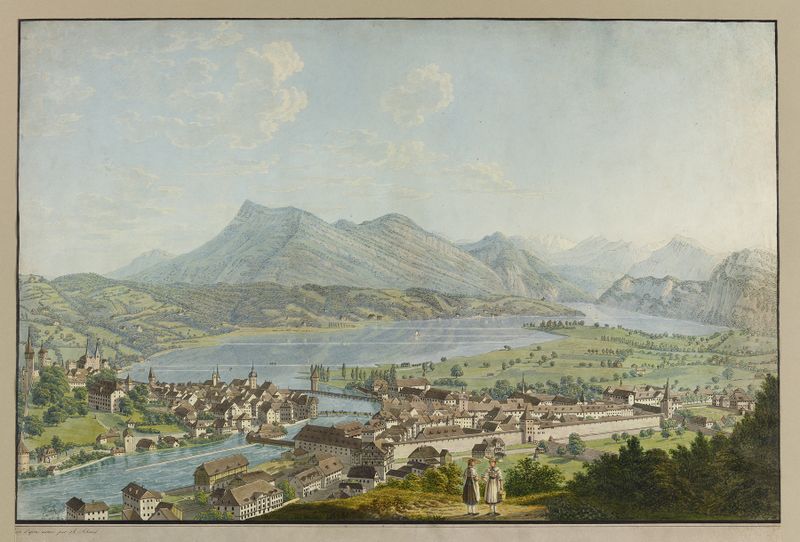
Luzern, von Westen
David Alois Schmid
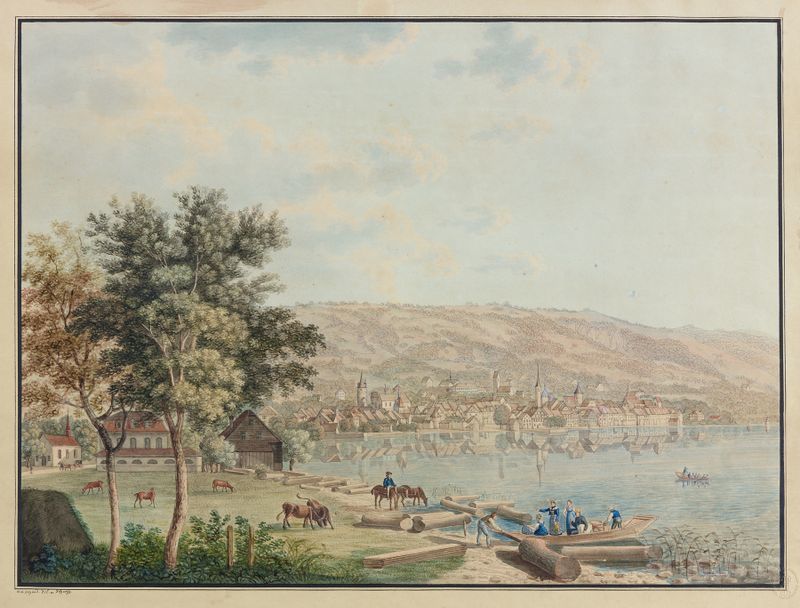
Ansicht der Stadt Zug und des Zugersees
David Alois Schmid
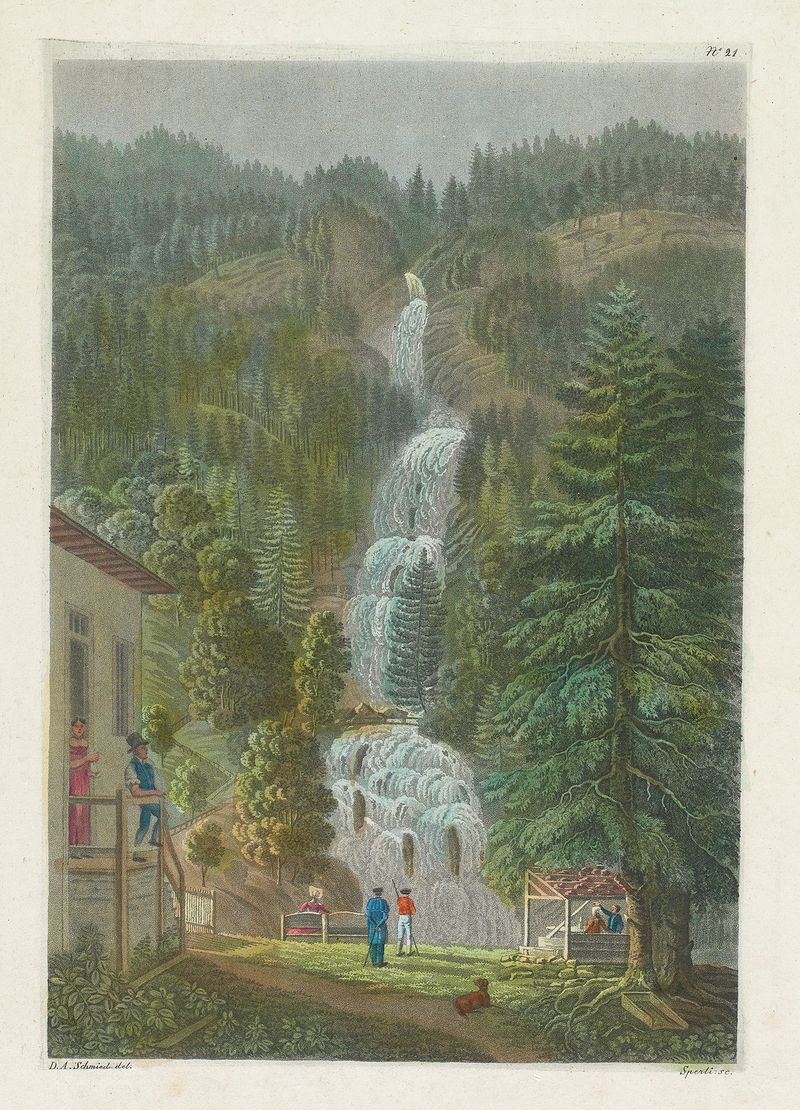
La Cascade du Giessbach
David Alois Schmid
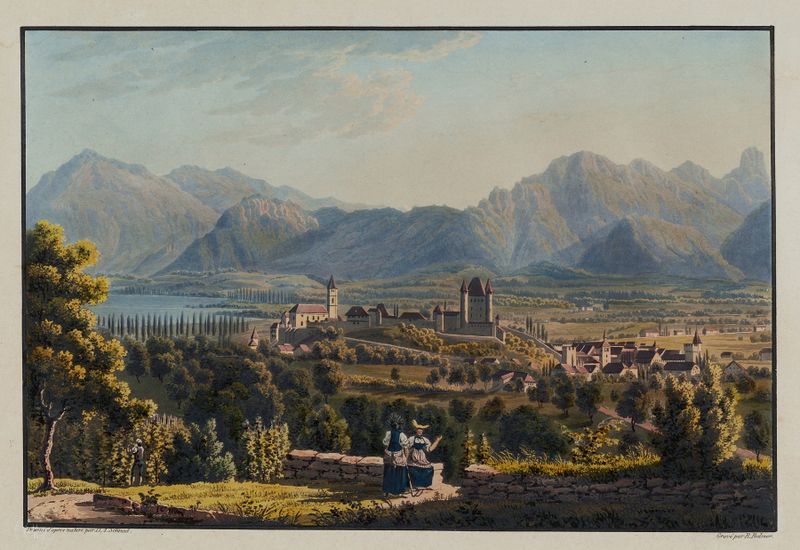
Thoun vers le Niesen et le Stokhorn
David Alois Schmid
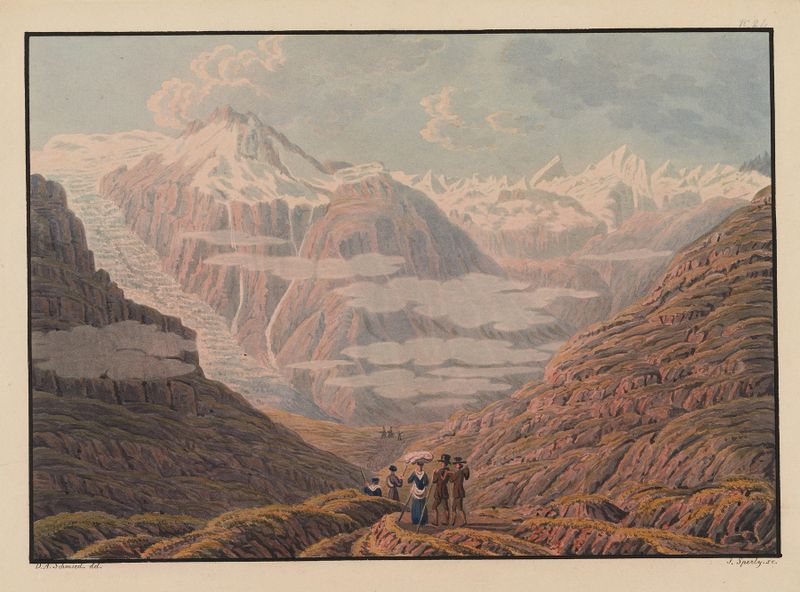
Vue prise au passage de la Furka Cant. d’Ury
David Alois Schmid
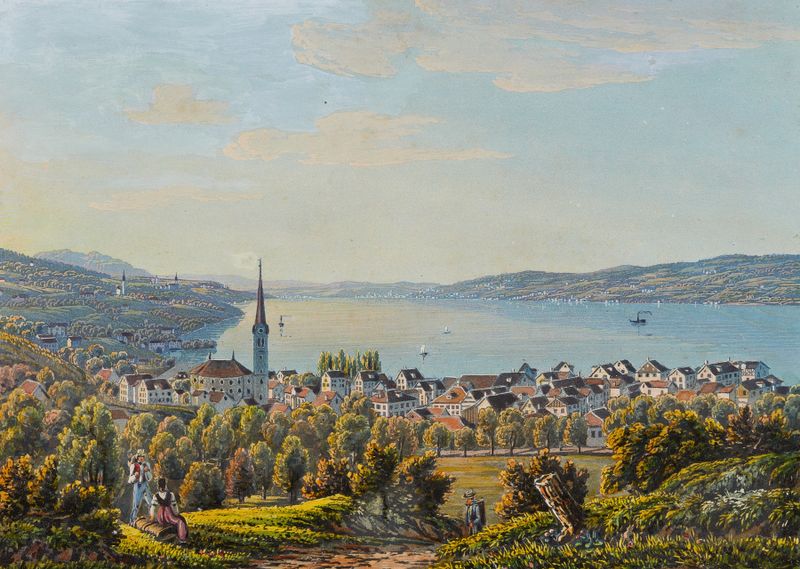
Vue de Horgen lac de Zurich
David Alois Schmid
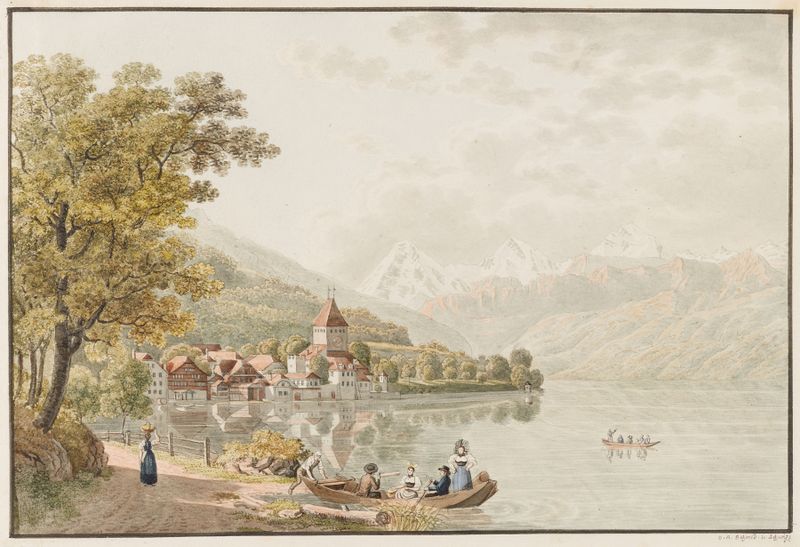
Ansicht Oberhofens am Thunersee
David Alois Schmid
Das Kloster Einsiedeln im Canton Schwyz
David Alois Schmid

Ansicht der Insel Schwanau im Lauerzersee
David Alois Schmid





