
Ansicht der Stadt Zug und des Zugersees — History & Facts
Obsession can transform the mundane into the extraordinary, creating a yearning within us that mirrors the landscape before our eyes. Look closely to the left, where the quaint rooftops of Zug emerge from a shimmering lake, their colors brimming with both warmth and melancholy. The artist has masterfully captured the interplay of light reflecting off the Zugersees' surface, inviting the viewer to immerse themselves in the tranquility of the scene while hinting at deeper, unspoken emotions lying beneath. Notice how the cool blues of the water contrast with the warm earth tones of the town, painting a picture of harmony that feels, paradoxically, almost unattainable. Delve deeper into the artwork, and hints of obsession can be detected in the meticulous detailing of the architecture and the sweeping hills that cradle the town.
Each brushstroke reveals a desire to capture not just the physical beauty but the essence of the place, an unquenchable longing present in the very composition. This tension between the serene surface and the intricate work beneath suggests that even the most picturesque scenes can bear the weight of obsession, revealing the artist's struggle to enshrine this fleeting moment in time. David Alois Schmid painted this evocative scene during the height of World War II, between 1915 and 1945, a tumultuous period that colored not only his life but the artistic landscape of Europe. Living in Switzerland, a country untouched by direct conflict, he found solace in the pastoral beauty surrounding him.
The painting reflects his fascination with nature and architecture, as artists of his time sought refuge and inspiration in the simplicity of idyllic scenery amidst a world in chaos.
More Artworks by David Alois Schmid
Browse all →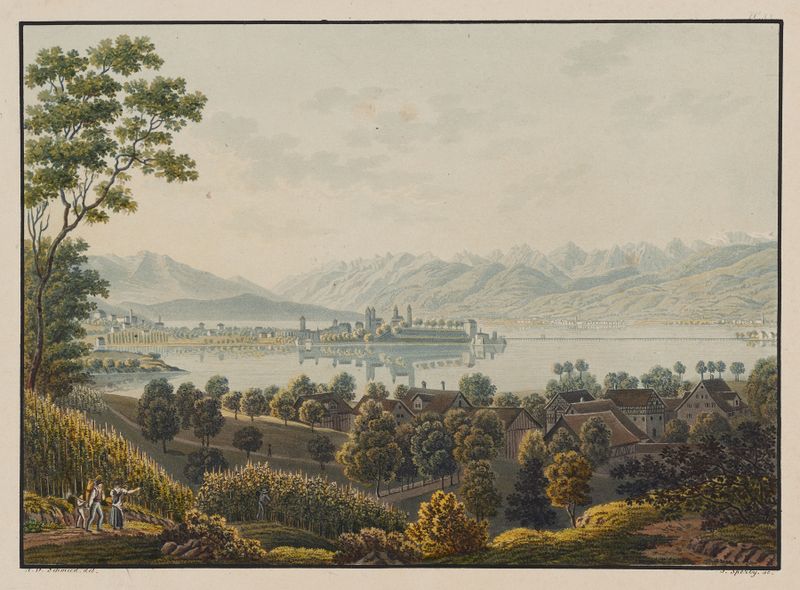
Vue de Rapperschwyl vers Lachen lac de Zurich
David Alois Schmid
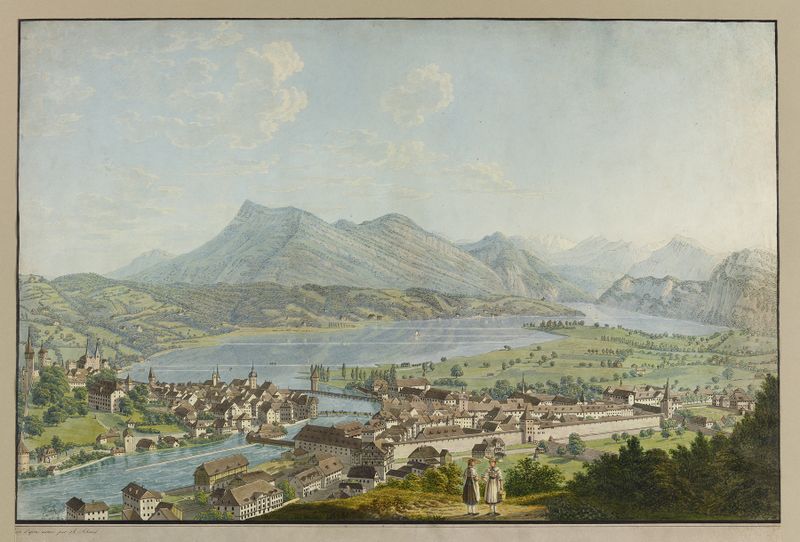
Luzern, von Westen
David Alois Schmid
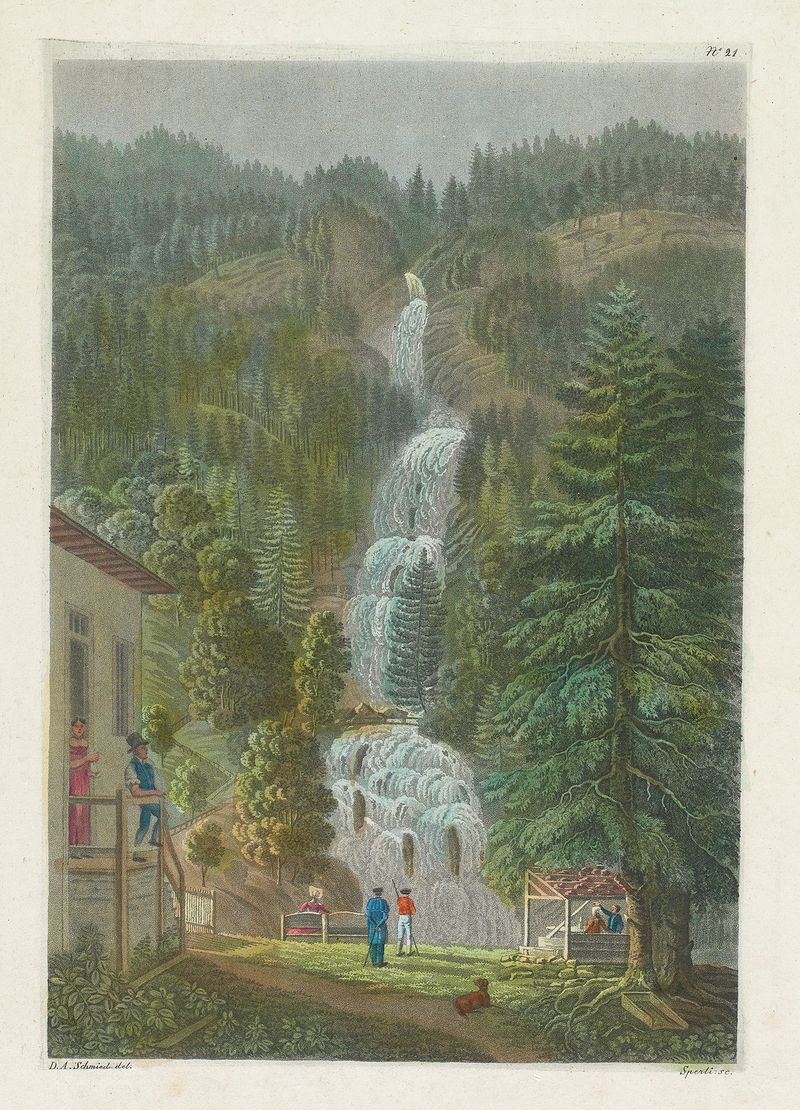
La Cascade du Giessbach
David Alois Schmid
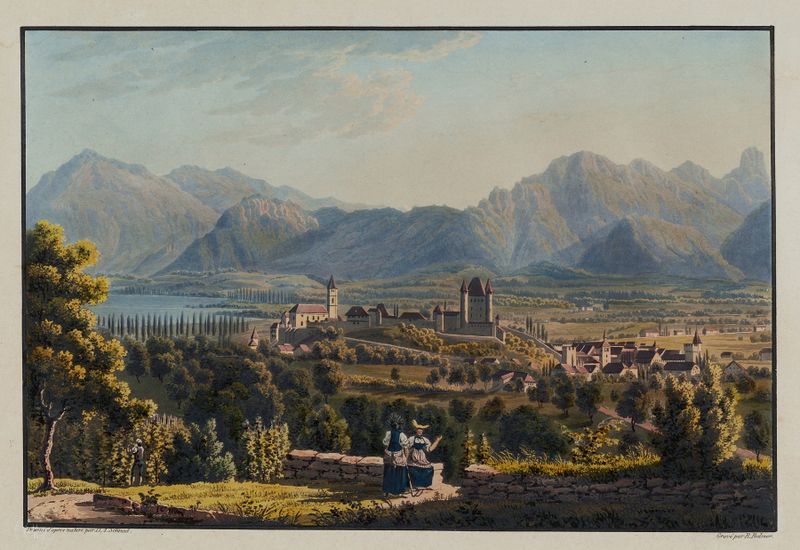
Thoun vers le Niesen et le Stokhorn
David Alois Schmid
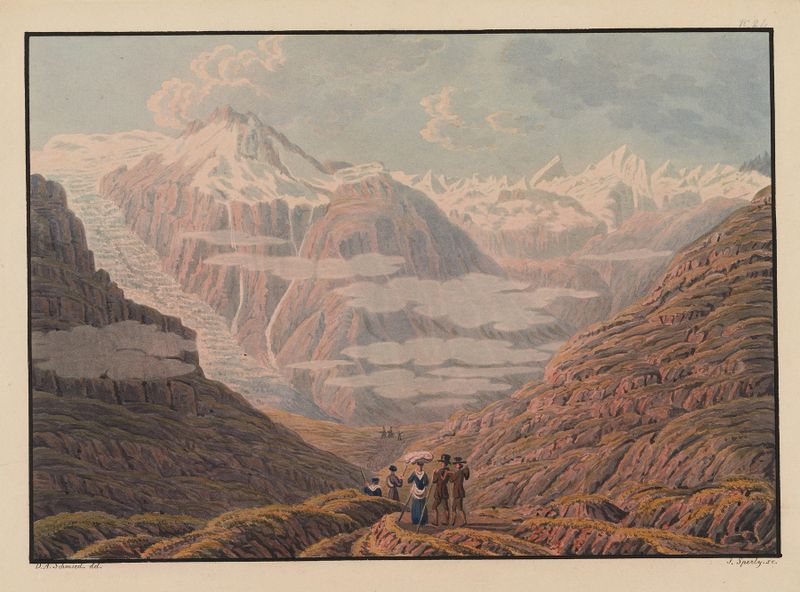
Vue prise au passage de la Furka Cant. d’Ury
David Alois Schmid
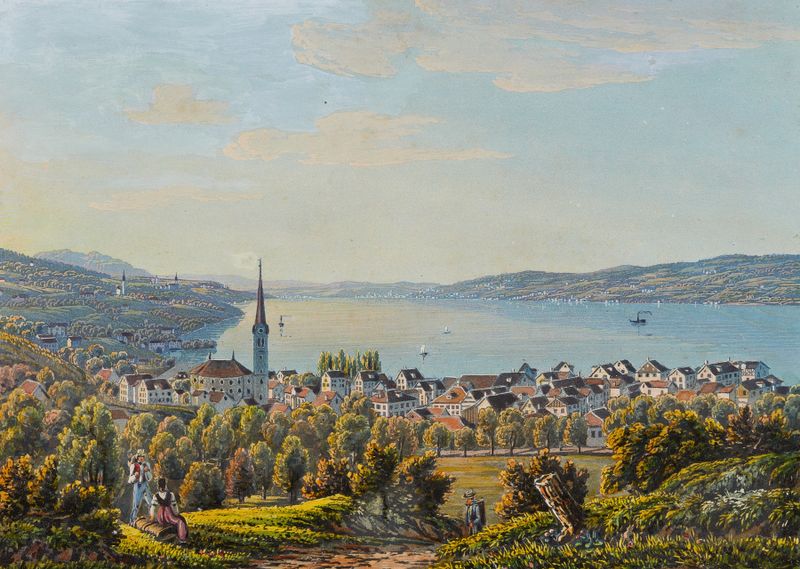
Vue de Horgen lac de Zurich
David Alois Schmid
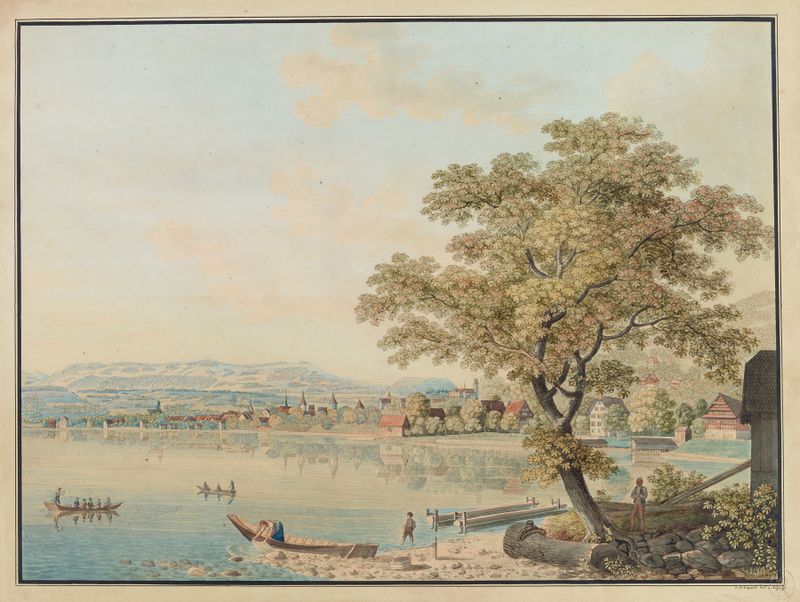
Zug, Ortsteilansicht
David Alois Schmid
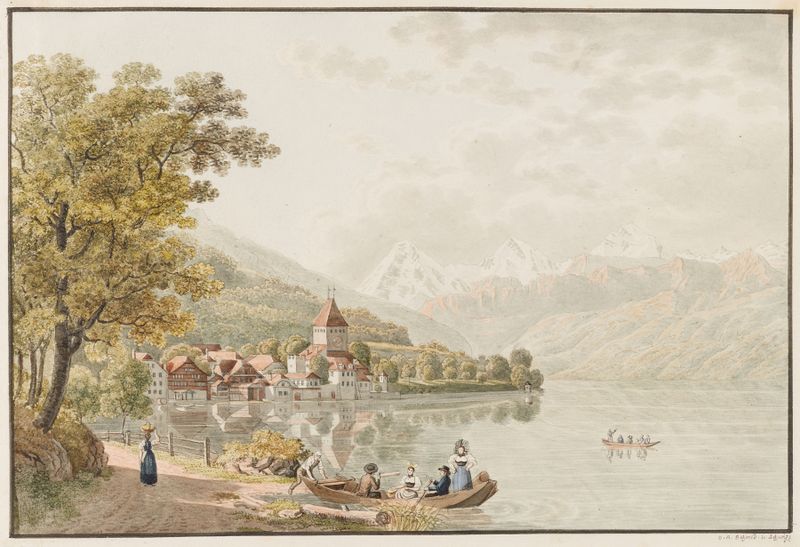
Ansicht Oberhofens am Thunersee
David Alois Schmid
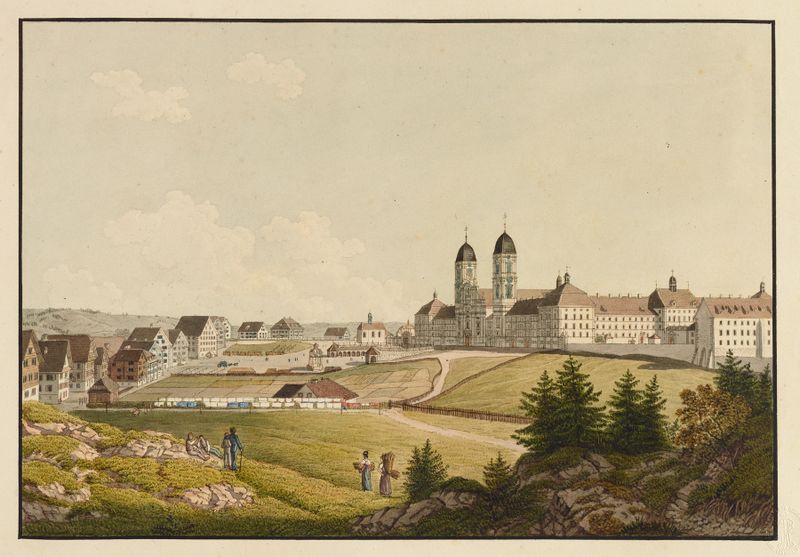
Das Kloster Einsiedeln im Canton Schwyz
David Alois Schmid

Ansicht der Insel Schwanau im Lauerzersee
David Alois Schmid





