
What Is Baroque Art: 6 Iconic Examples Explained
What is Baroque art? This art movement, flourishing in the 17th century, is known for its dramatic use of light, grandeur, and emotional intensity. Baroque art often features dynamic compositions and rich details, capturing the viewer's attention with its vivid storytelling. Explore six iconic artworks that exemplify this style, available for free download at FineArtFree.
Defining Baroque Art
Baroque art is a style characterized by dramatic expressions, dynamic compositions, and a strong use of light and shadow. It emerged in the late 16th century and flourished throughout the 17th century, reflecting the grandeur and power of the period. This style is known for its emotional intensity and vivid storytelling, often seen in religious and historical themes.
Las Meninas by Diego Velázquez

Diego Velázquez's Las Meninas (1656) is a quintessential example of Baroque art. The painting draws the viewer into the scene with its complex composition and use of light. Velázquez blurs the lines between reality and illusion, inviting us into the world of the Spanish court. The strategic placement of figures and the reflective mirror in the background create a sense of depth and intrigue.
Anthony van Dyck's Portraits
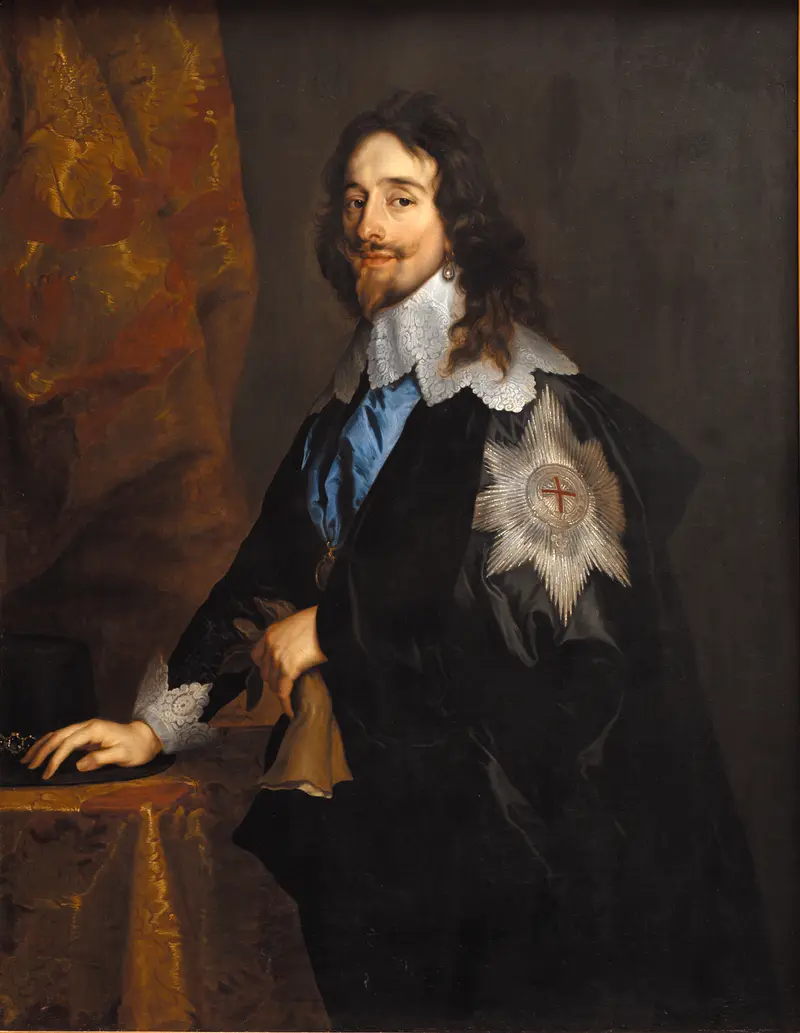
Anthony van Dyck was a prominent Baroque artist known for his regal portraits. In the King Charles I of England, van Dyck captures the king's authority through rich colors and intricate details. The contrast between the dark background and the highlighted figure emphasizes the king's prominence, a common trait in Baroque portraiture.
The Feast of Herod by Peter Paul Rubens
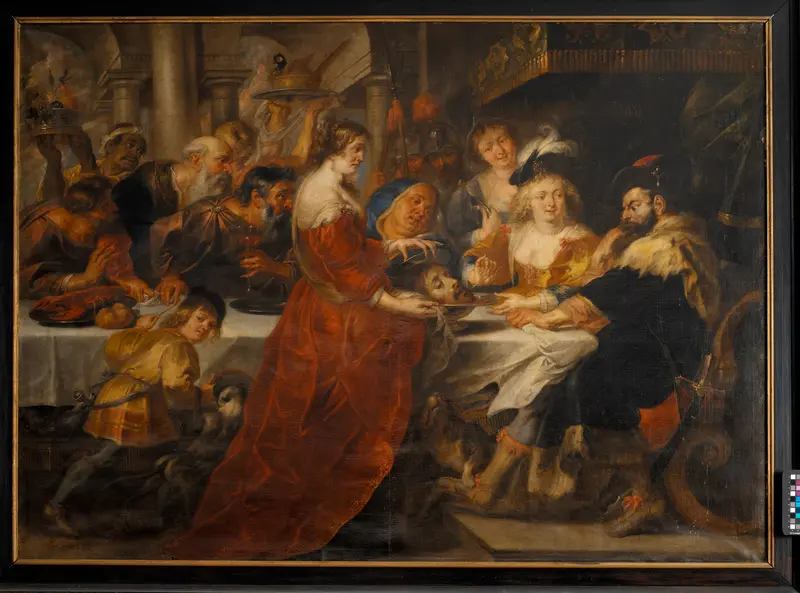
The Feast of Herod by Peter Paul Rubens showcases the dramatic storytelling typical of Baroque art. The painting's opulent colors and dynamic figures convey a sense of movement and emotion. Rubens uses chiaroscuro to enhance the dramatic effect, drawing attention to the central figure of Salome.
Difference Between Baroque and Rococo
The difference between Baroque and Rococo lies in their stylistic approaches. Baroque art is grand and dramatic, focusing on emotional depth and dynamic compositions. In contrast, Rococo is lighter and more decorative, emphasizing playful themes and elegant ornamentation. Both styles reflect the cultural shifts of their respective periods.
Difference Between Renaissance and Baroque
The difference between Renaissance and Baroque art is evident in their thematic and technical elements. Renaissance art focuses on harmony, proportion, and idealized beauty, while Baroque art emphasizes drama, movement, and emotional intensity. These differences reflect the changing cultural and religious landscapes of their times.
Baroque art captivates with its dramatic flair and rich detail, offering a window into the grandeur of the 17th century. Each artwork discussed here is available for free high-resolution download on FineArtFree, allowing you to explore the depth and complexity of this influential art movement.