
Art movement · c. 1867–1886 · France
Impressionism Art and Paintings
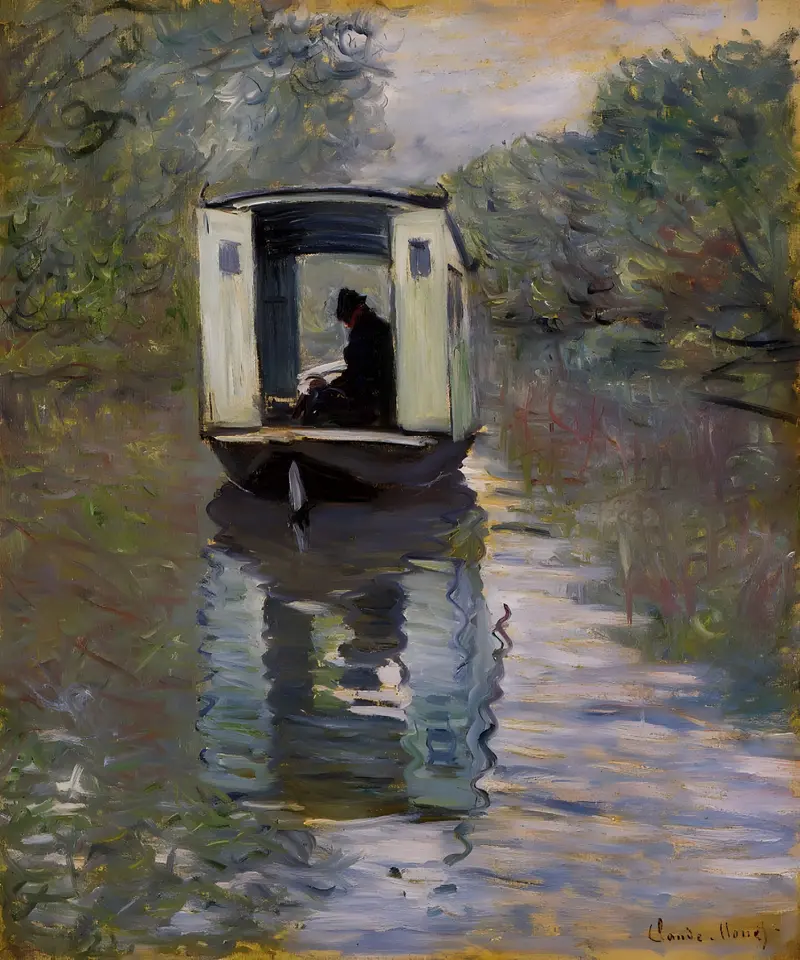
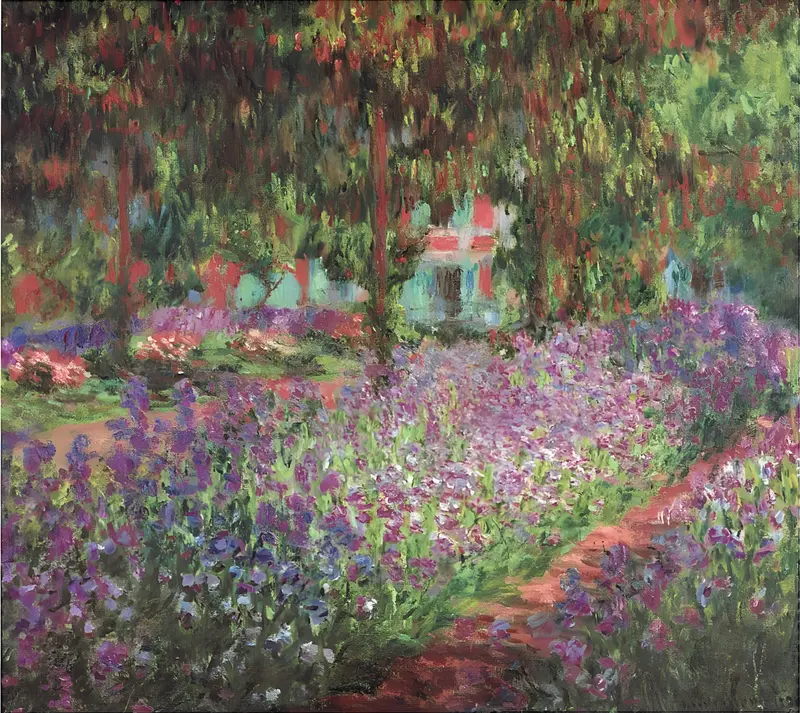
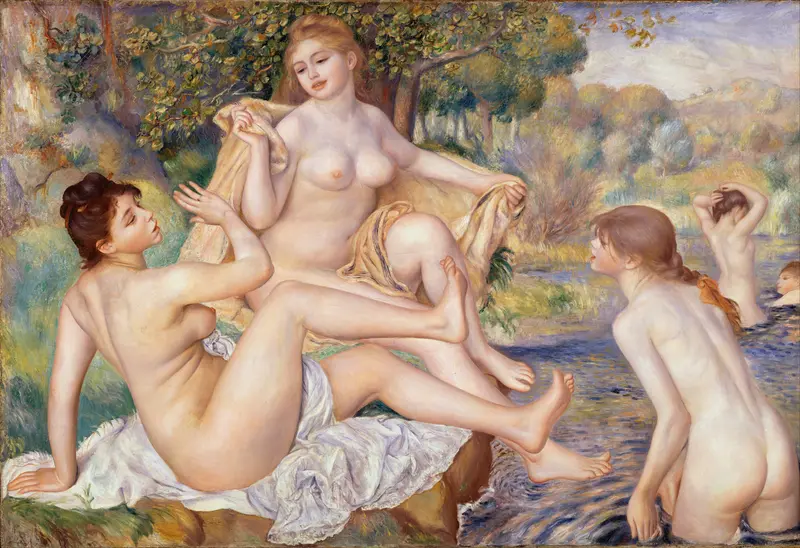
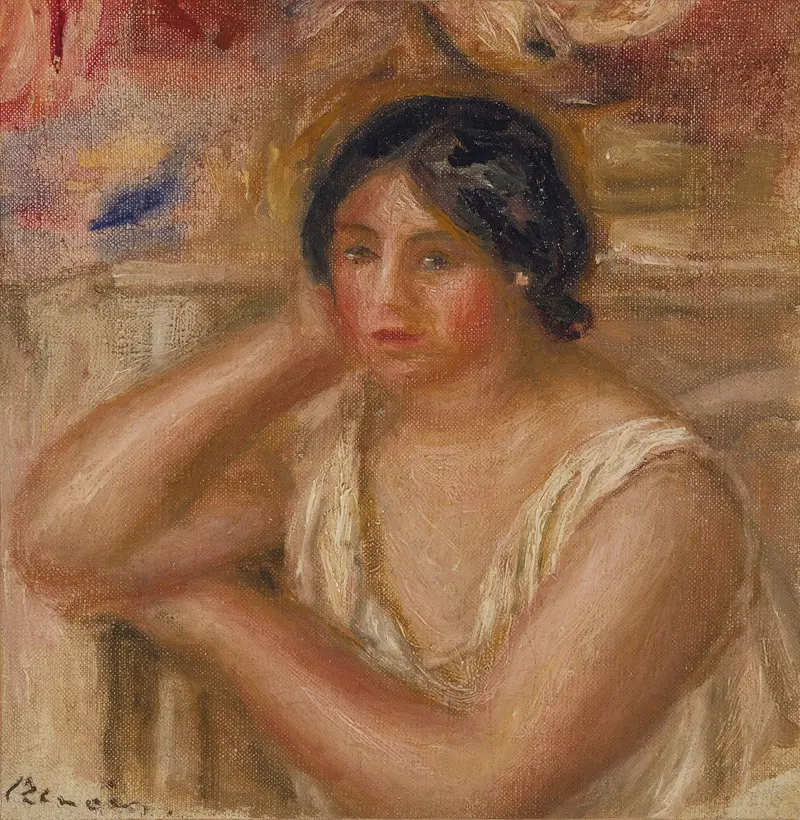
Impressionism is an art movement that began in Paris in the 1860s, using quick, visible brushstrokes and bright color to catch changing light and scenes of modern life, often painted outdoors. Its painters, among them Claude Monet, Pierre-Auguste Renoir, Edgar Degas, Camille Pissarro and Berthe Morisot, showed together in eight independent exhibitions in Paris from 1874 to 1886.
The name began as an insult. A critic took it from Monet's Impression, Sunrise to mock the group's first exhibition in 1874.
Browse 16,597 Impressionist paintings and artworks below, all public domain and free to download.
Selected and written by Pavel MazuelasUpdated November 5, 2026
Part of Art Movements and Painting StylesRelated: Post-Impressionism, Realism, Famous Landscape Paintings
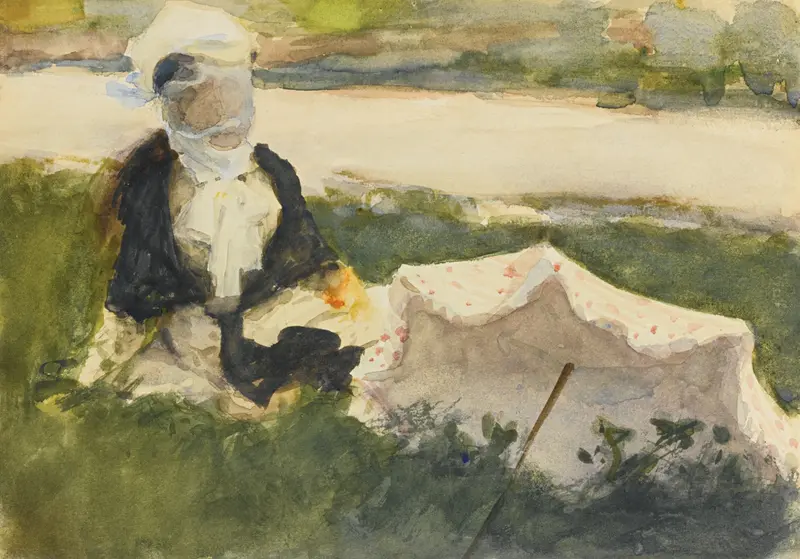
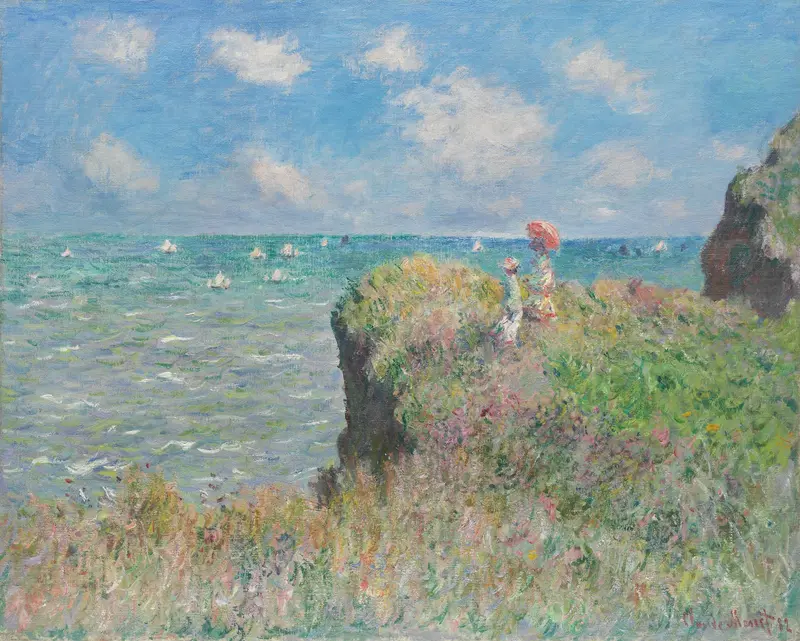
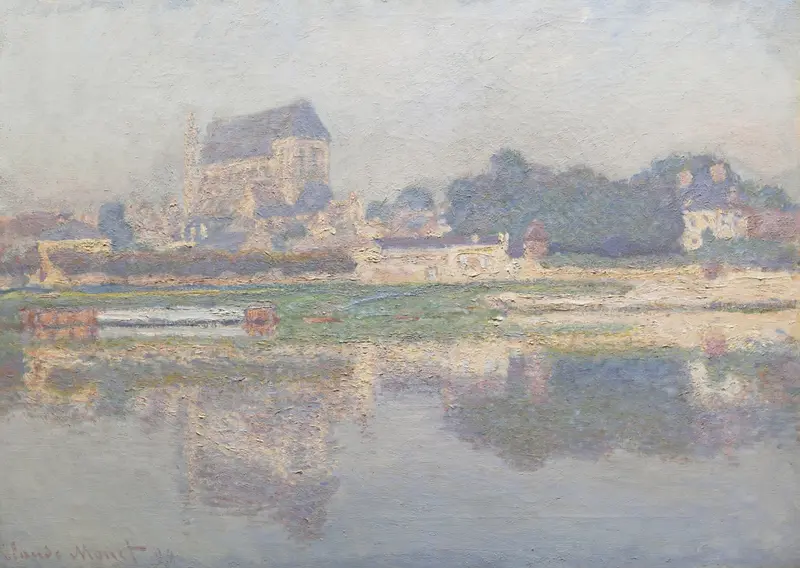
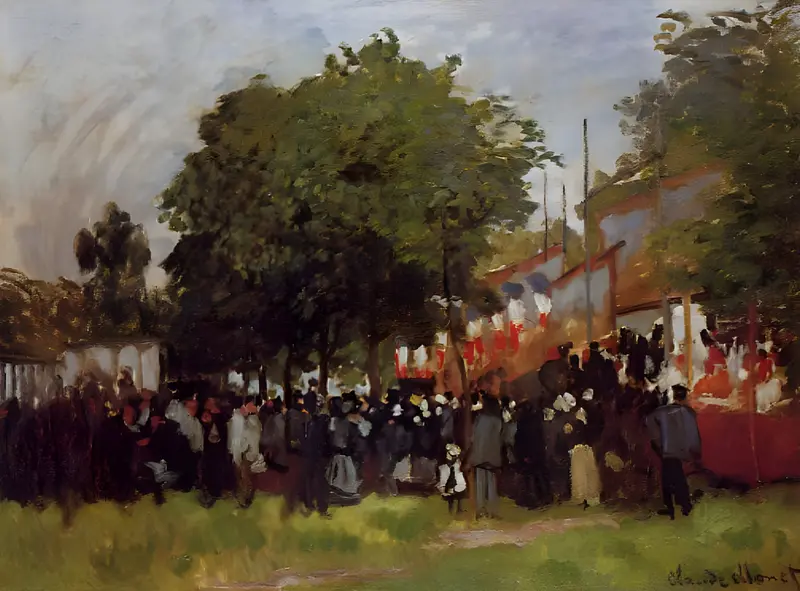
All Impressionist paintings and artworks
Landscapes, seascapes, scenes of everyday life, portraits and city views. All public domain, free to download.




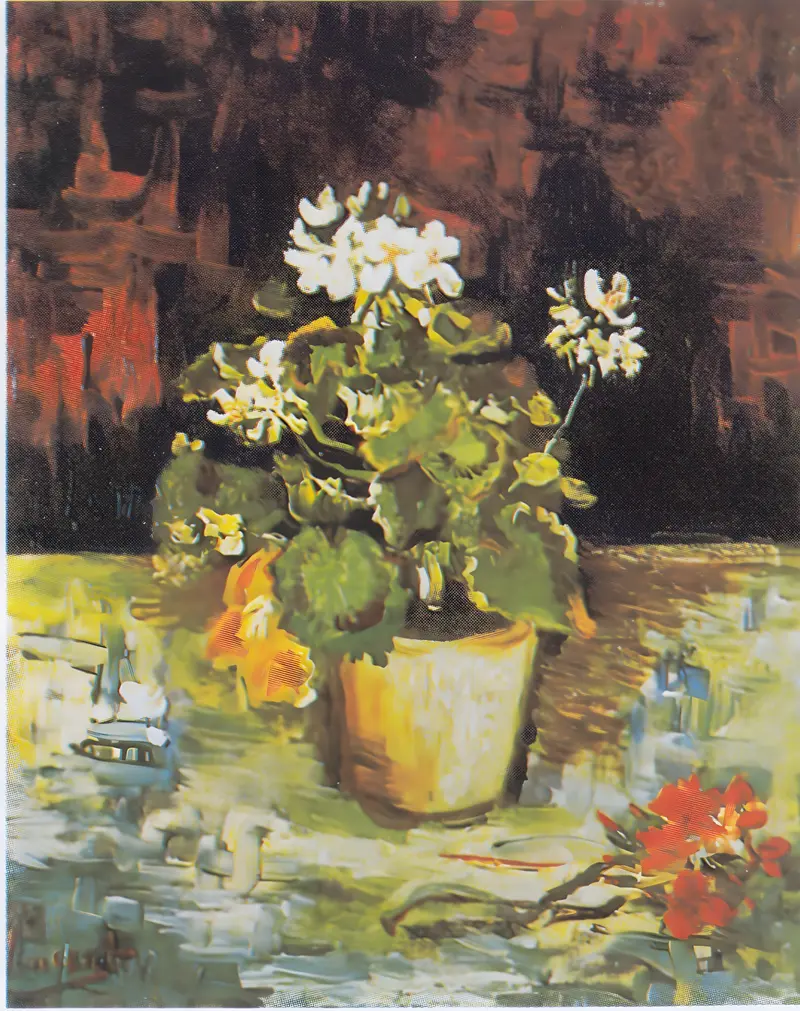
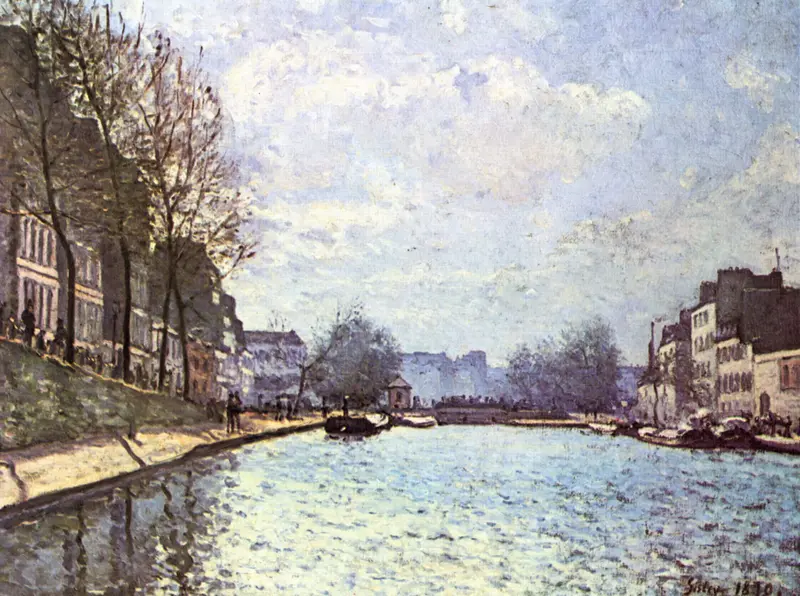
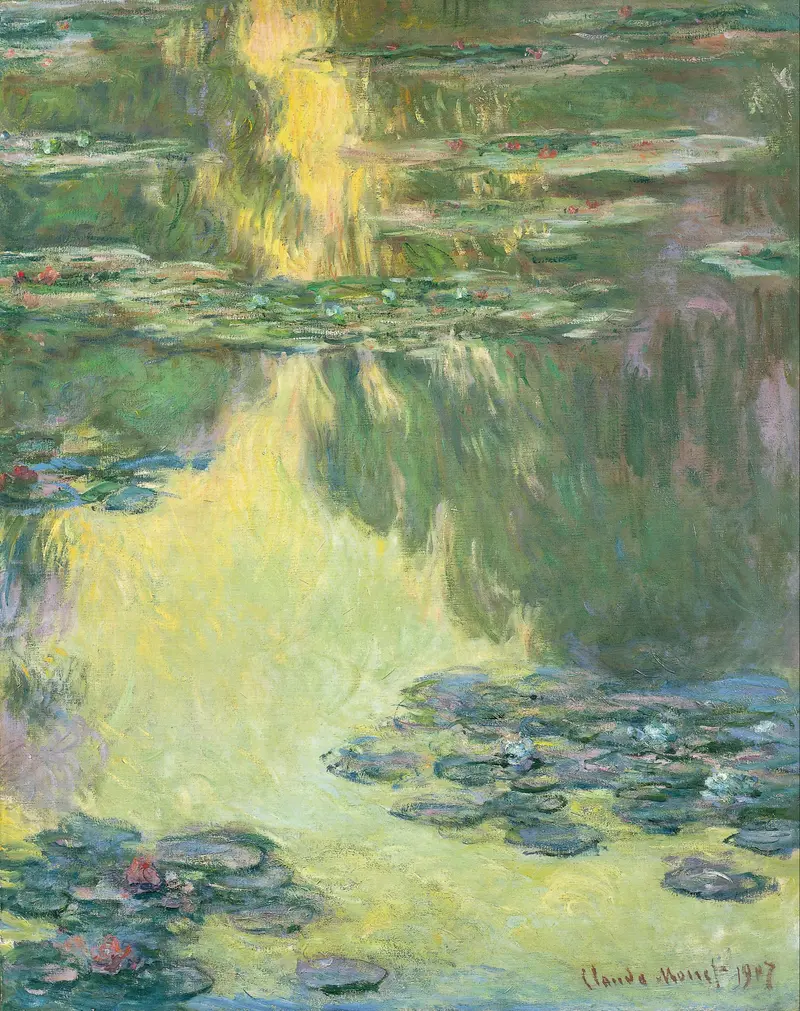

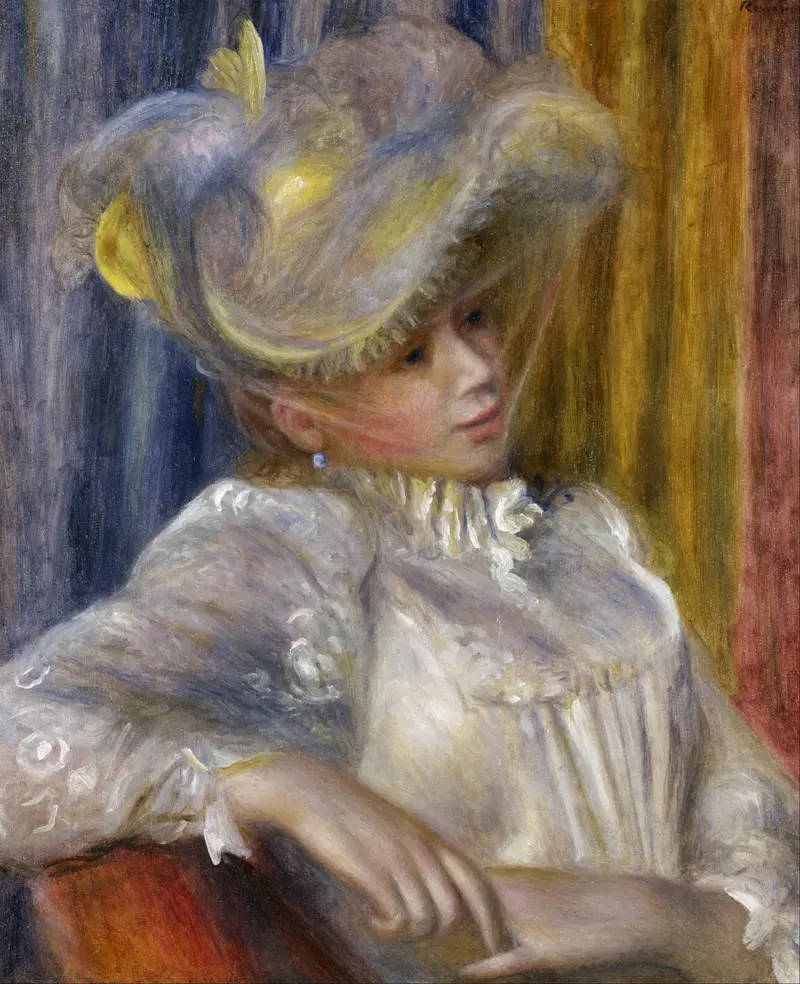


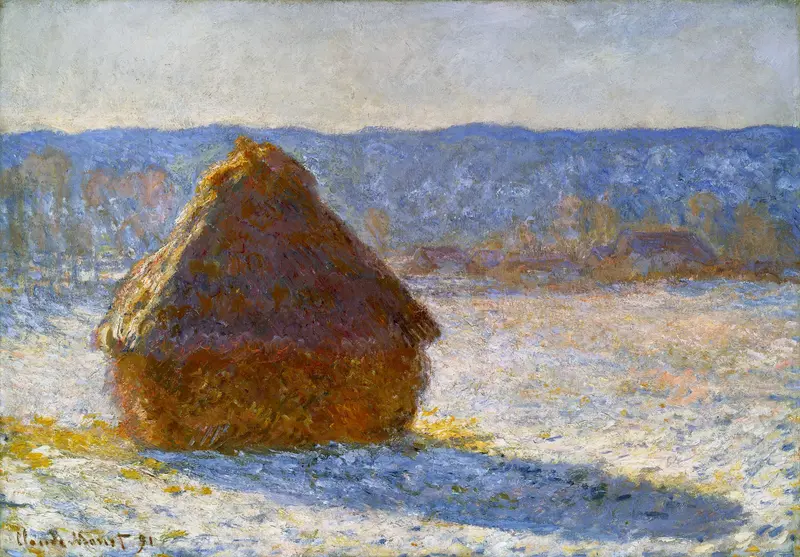
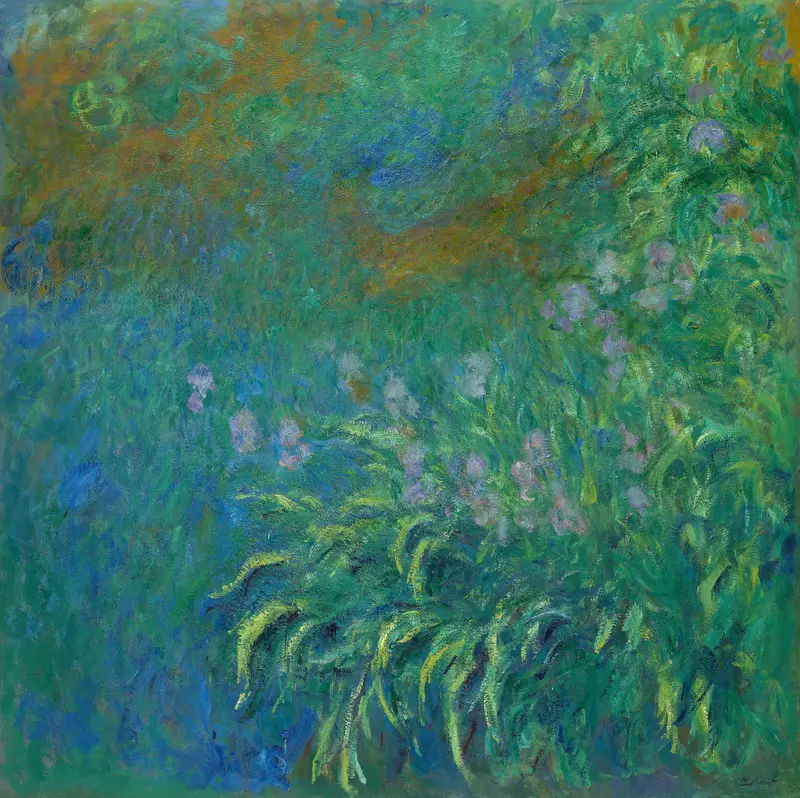
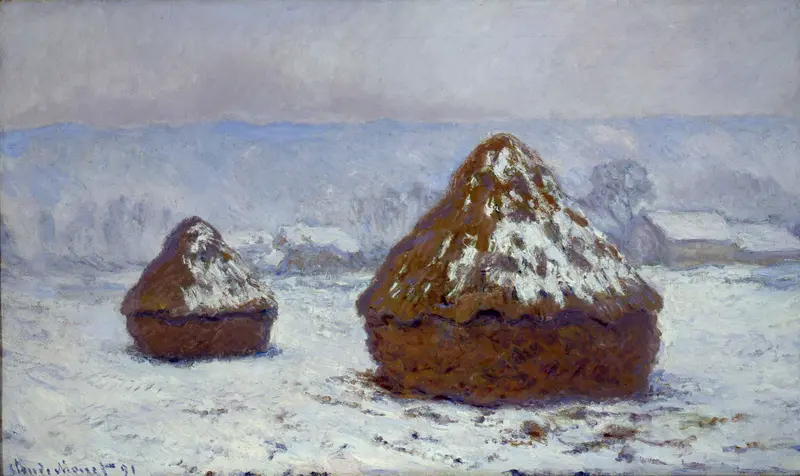
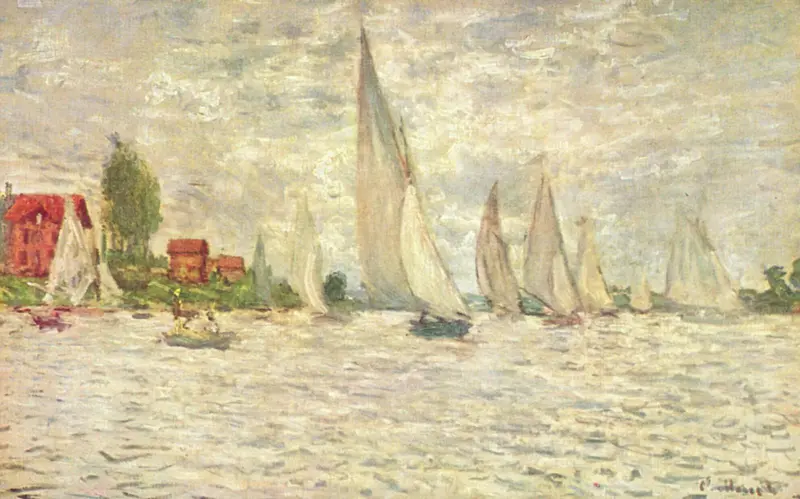
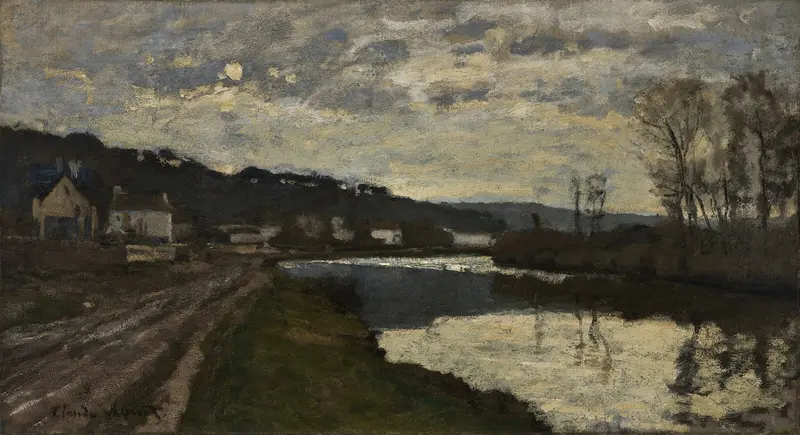
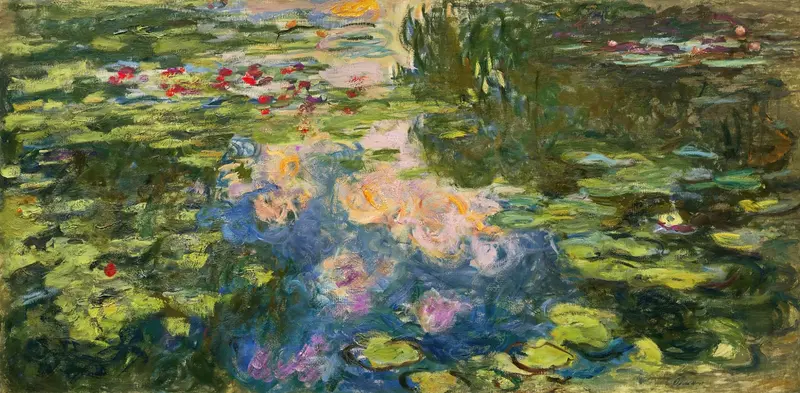
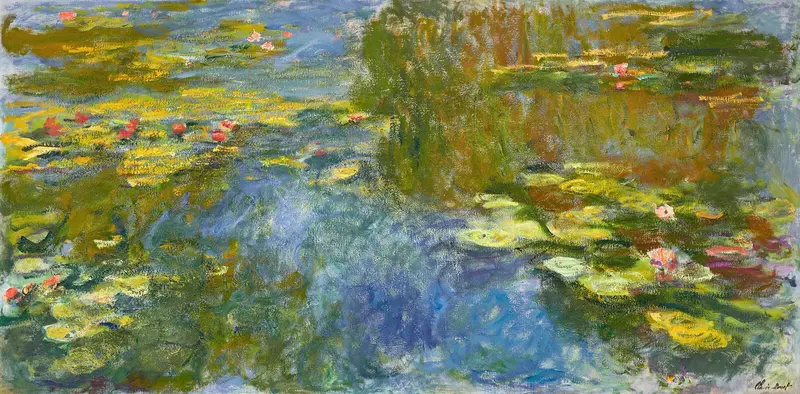
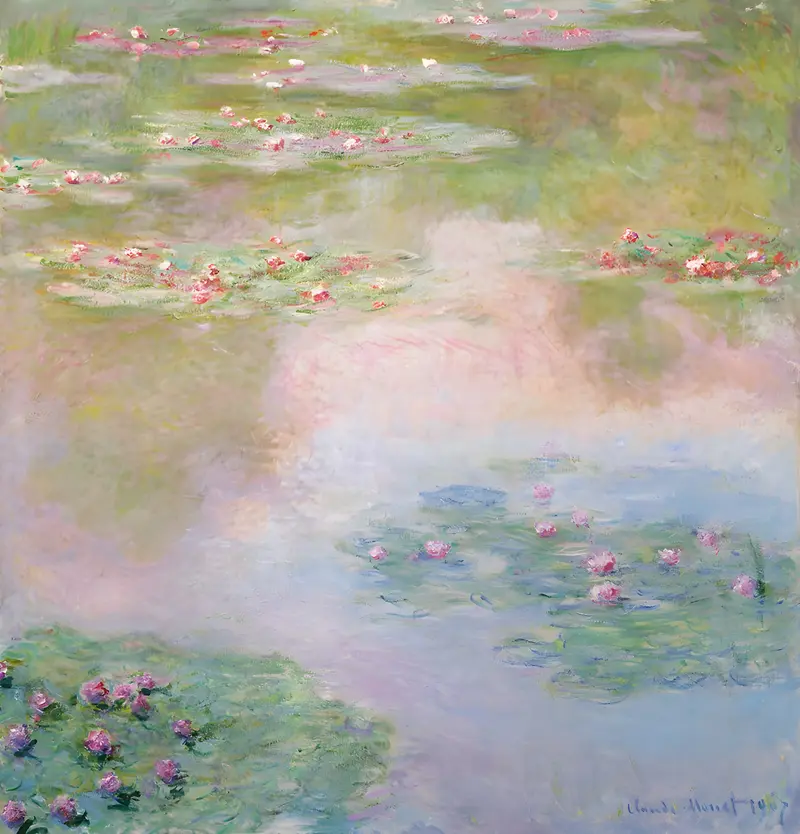
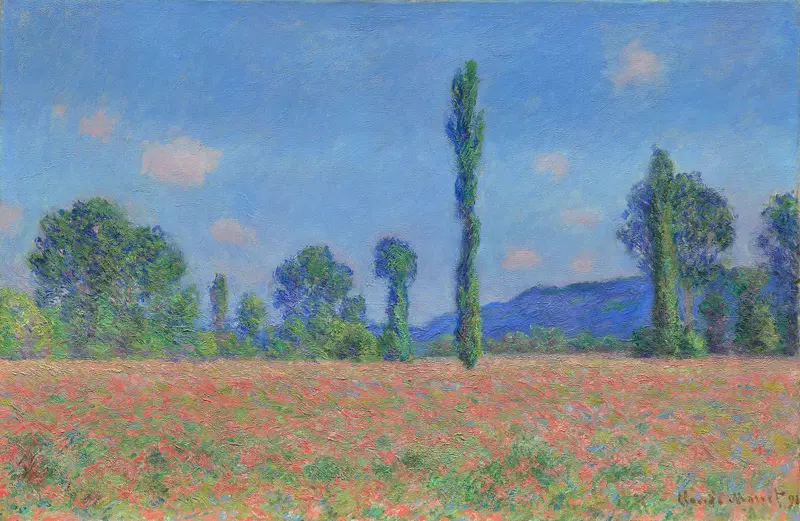
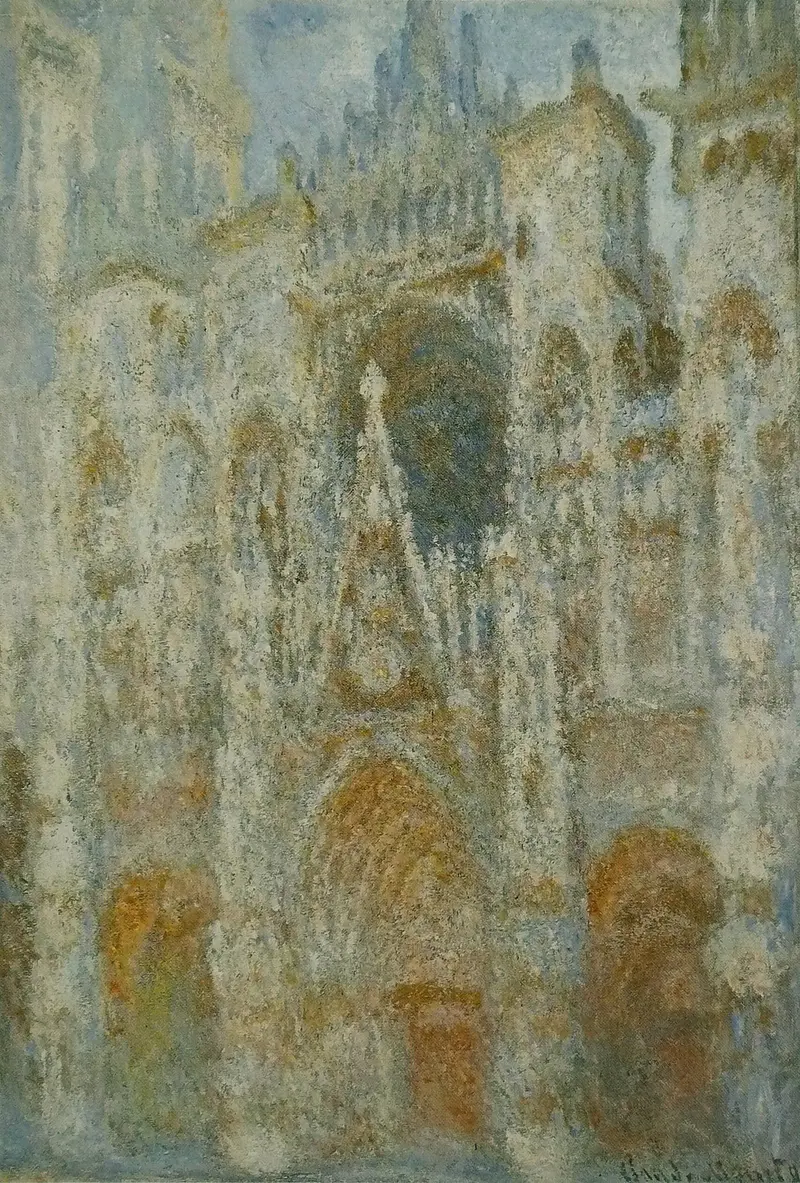
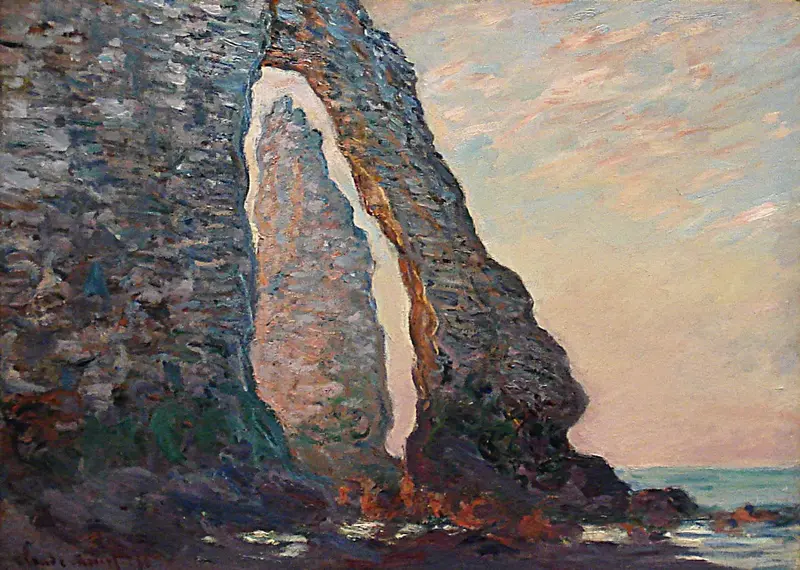
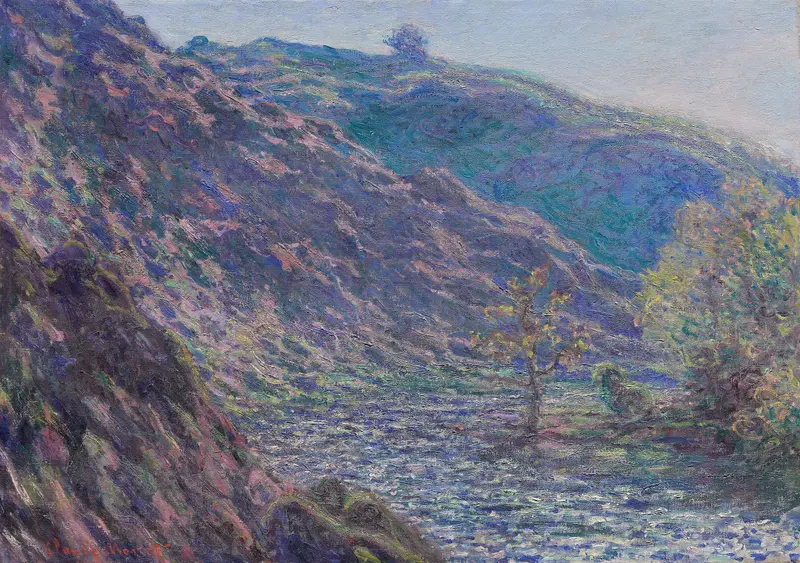

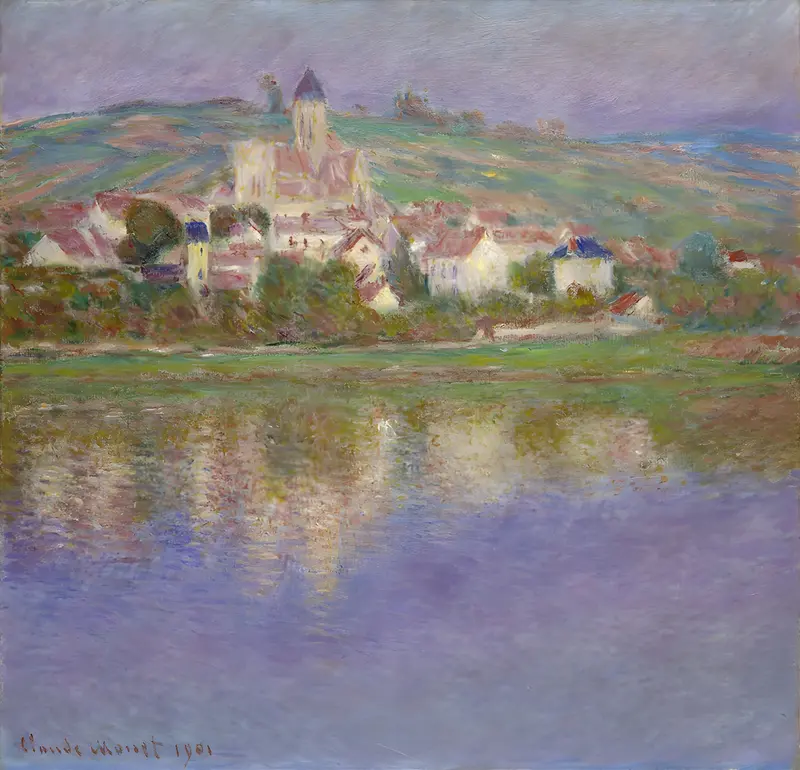
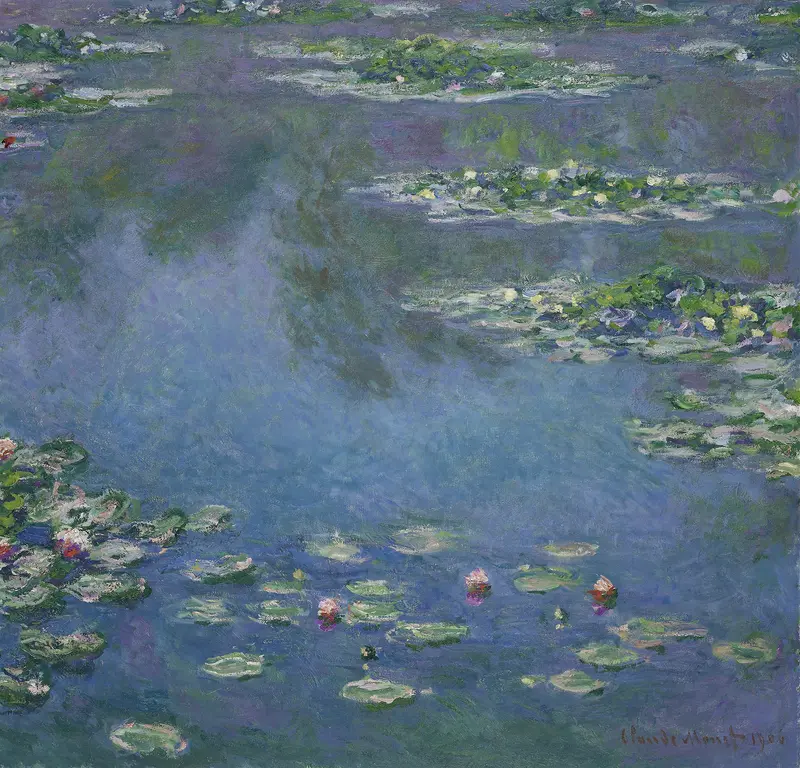
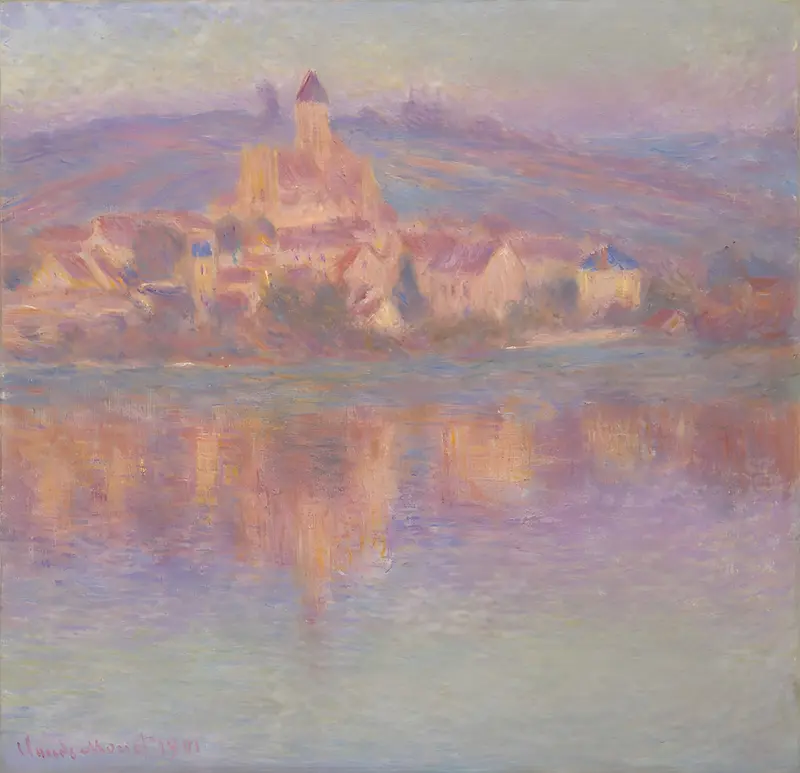
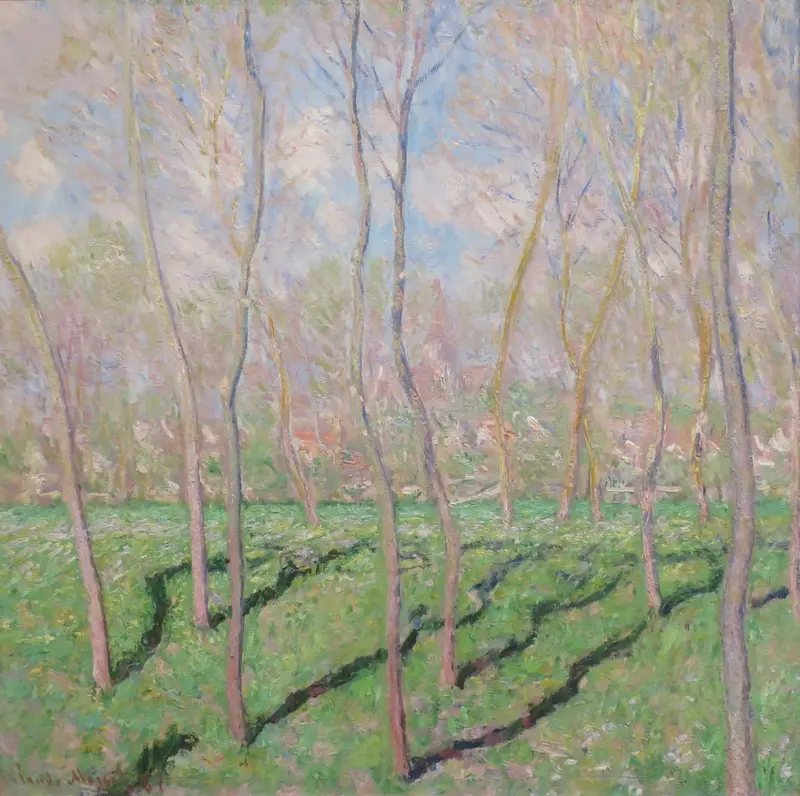


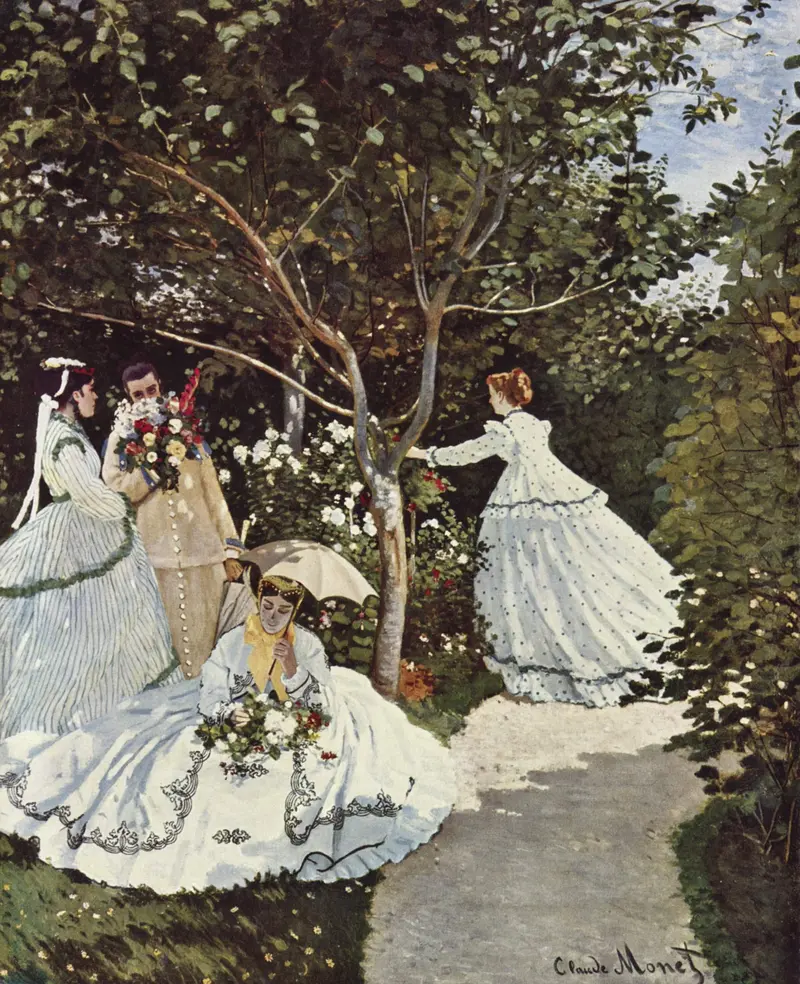
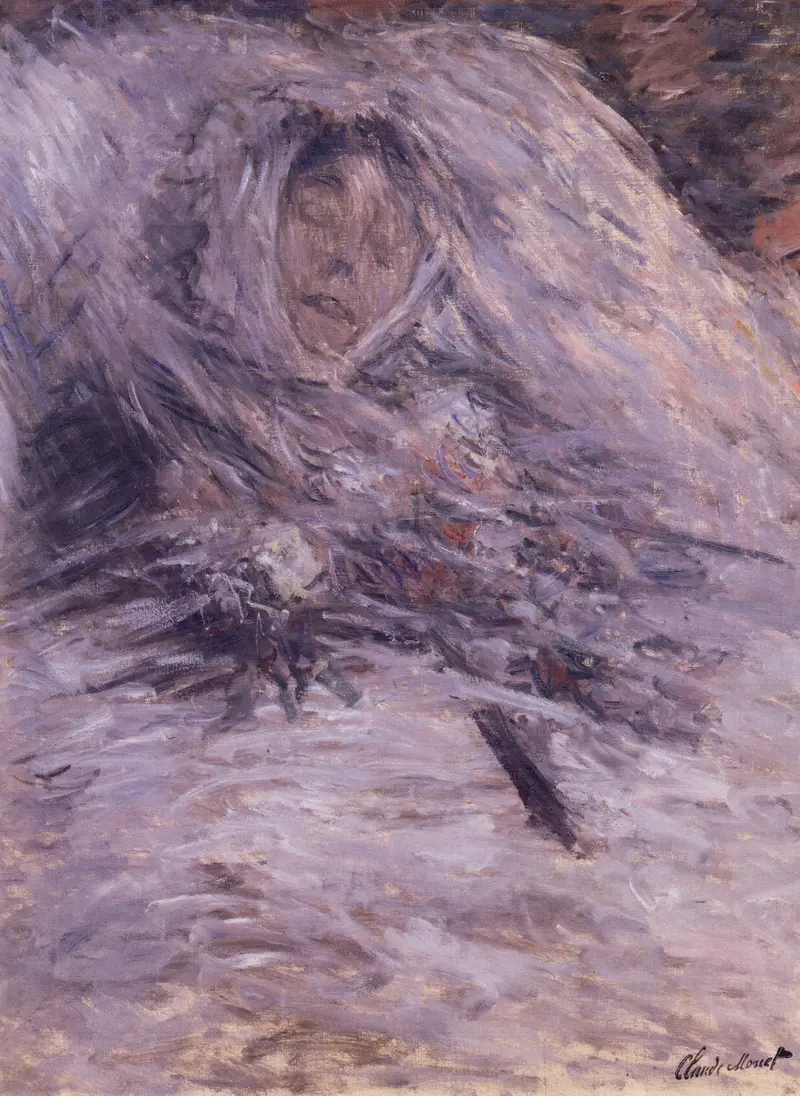
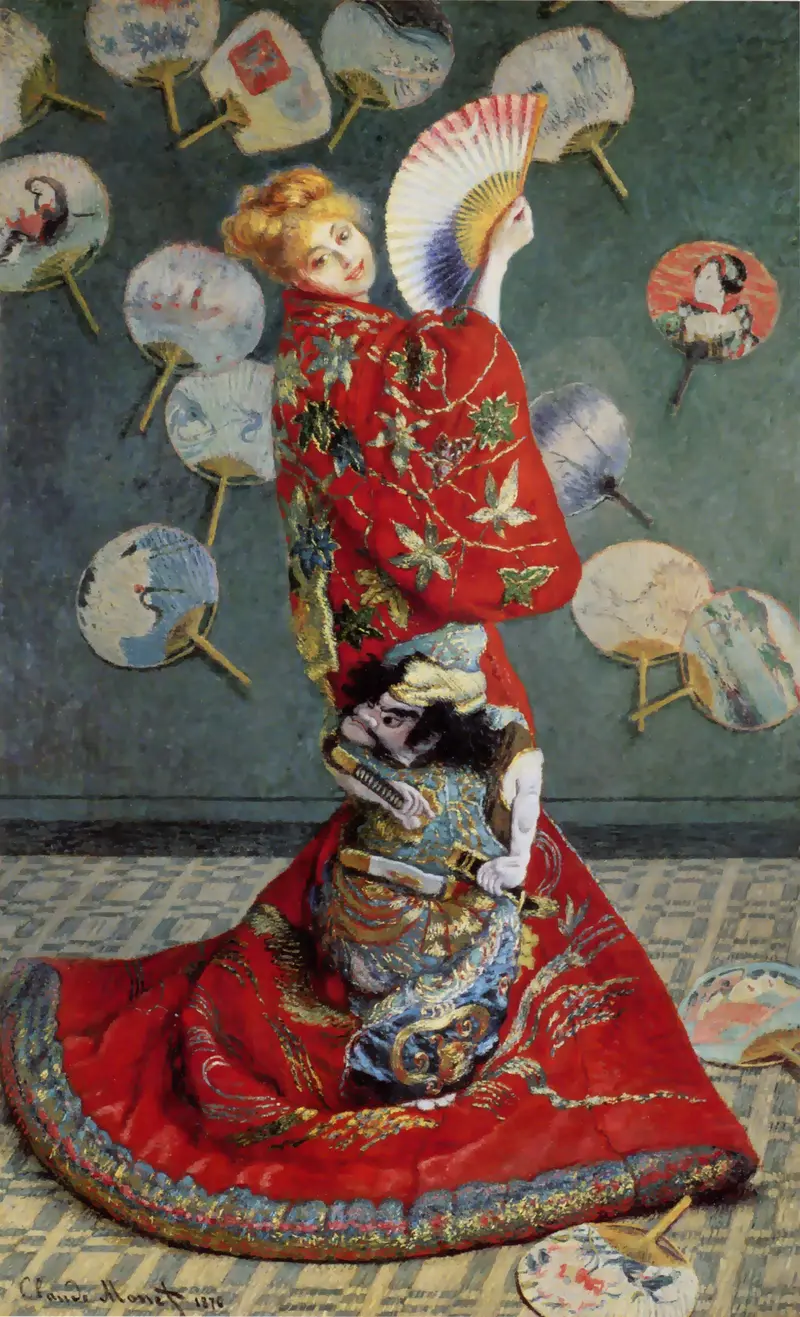
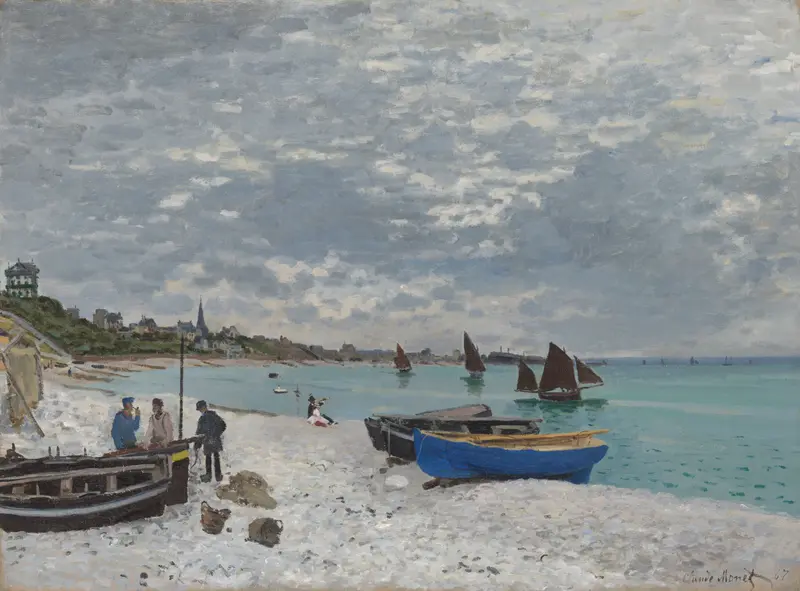
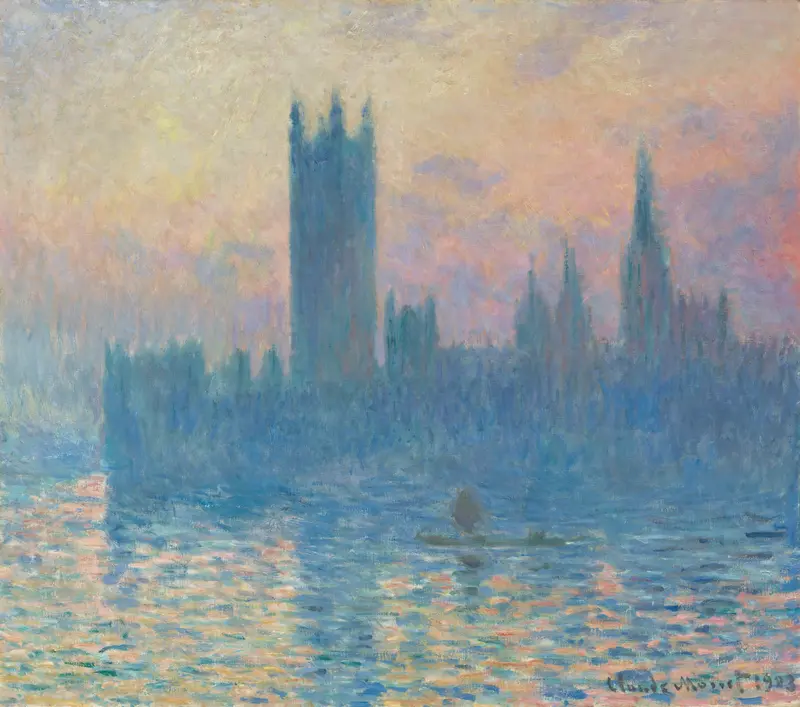
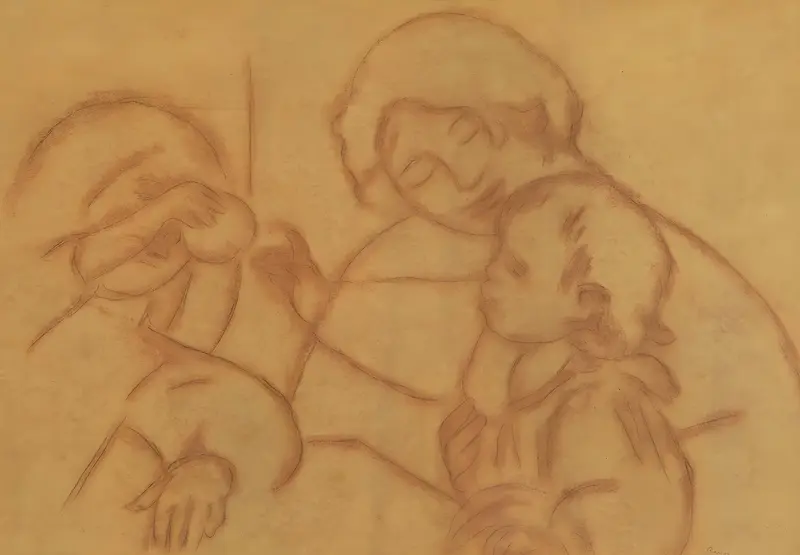


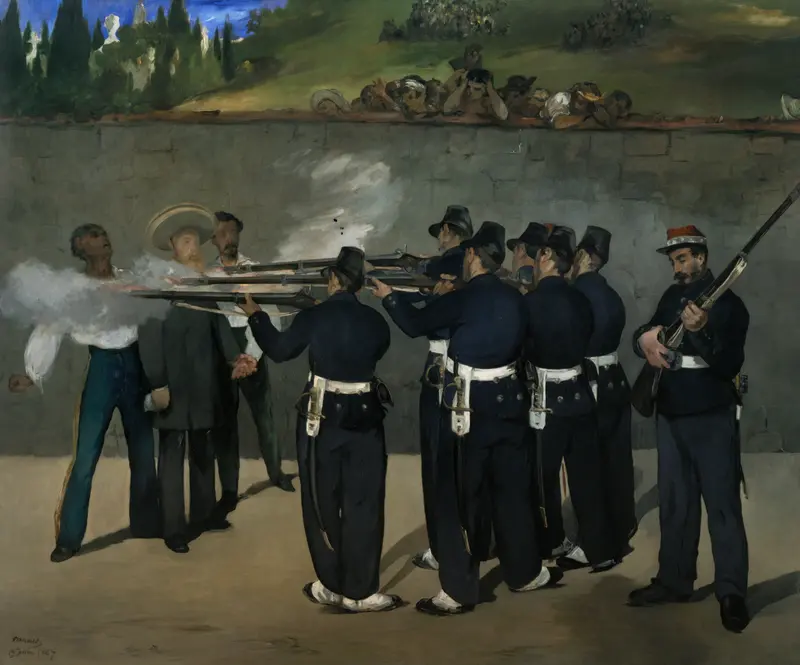

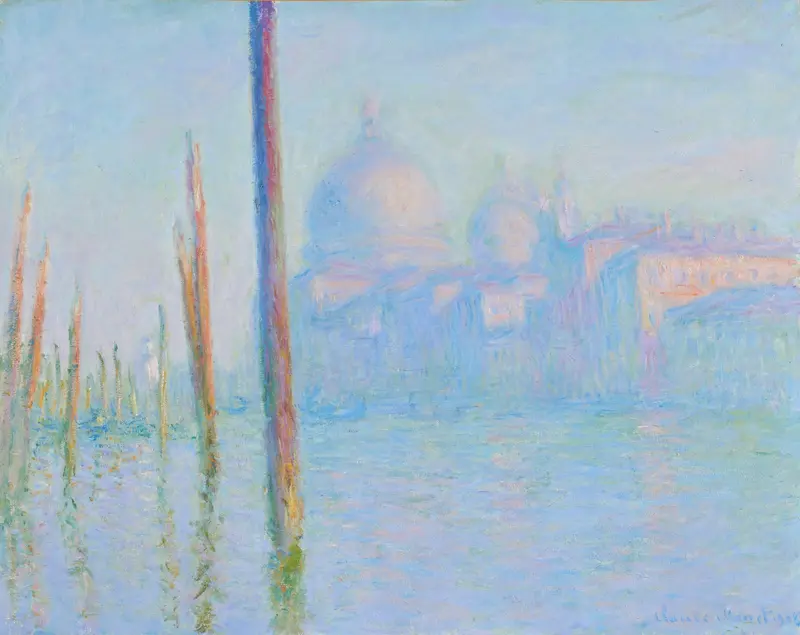
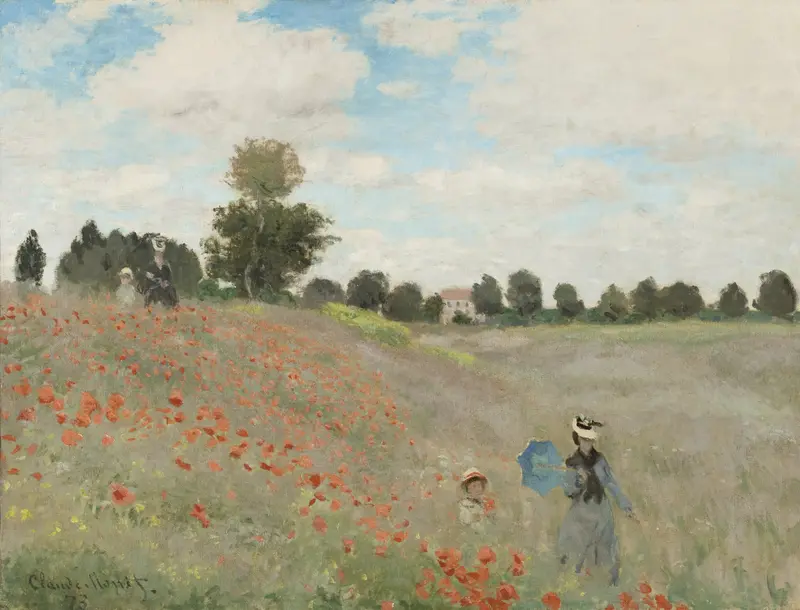
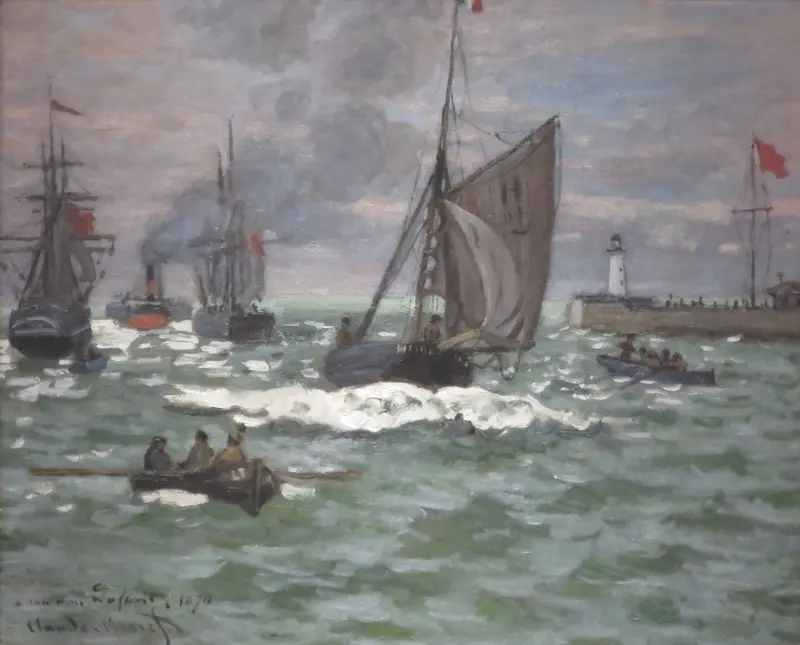
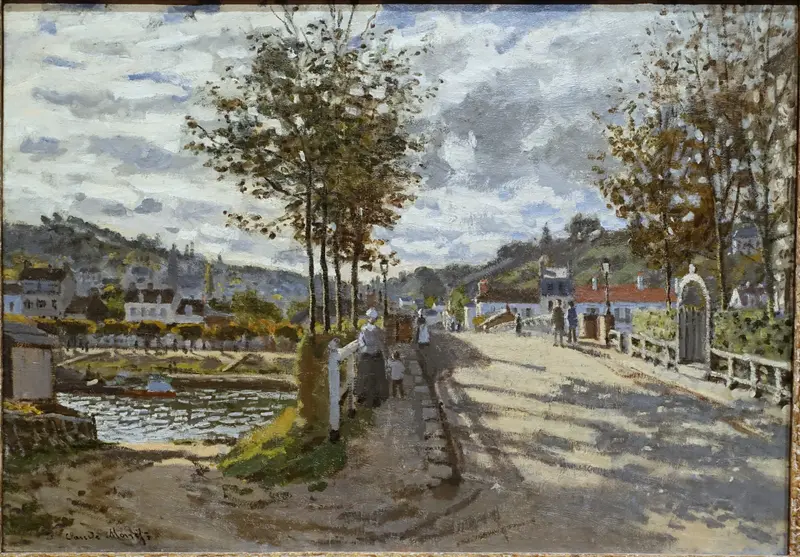

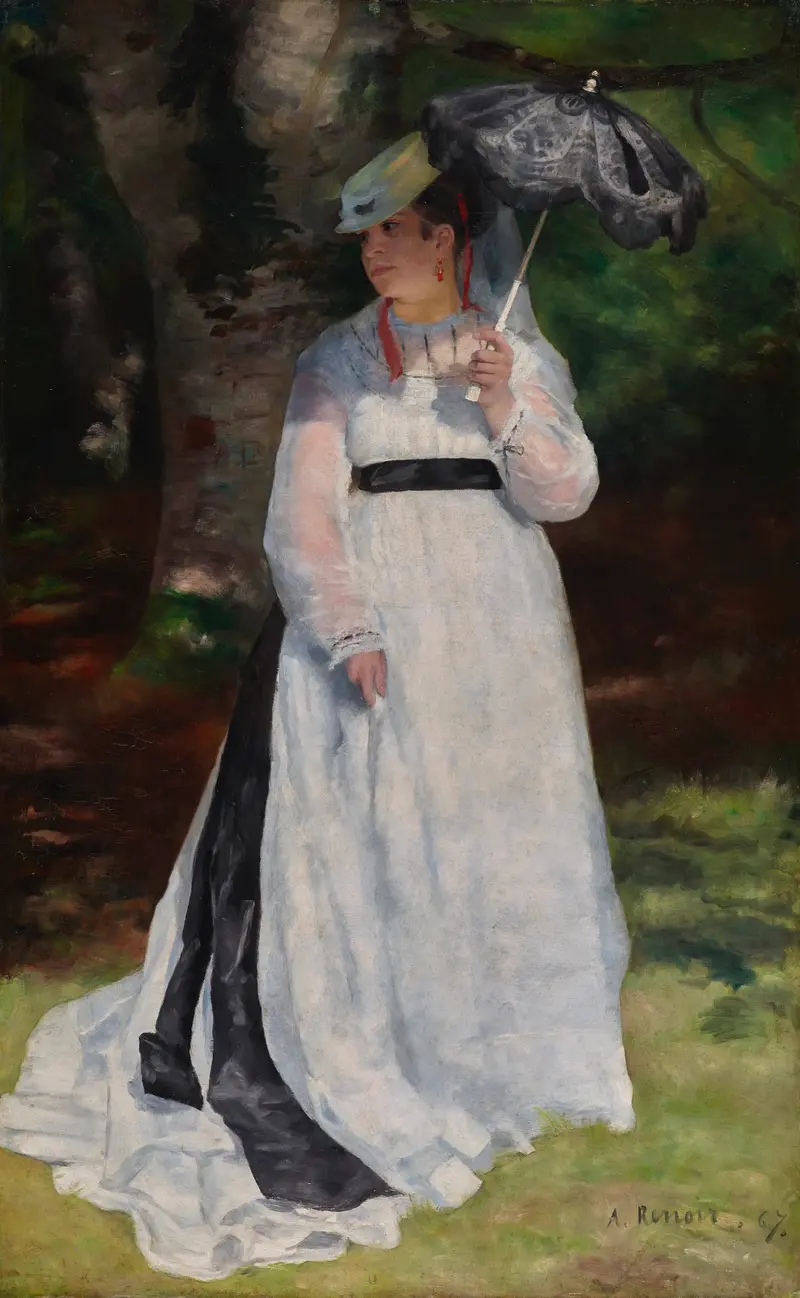
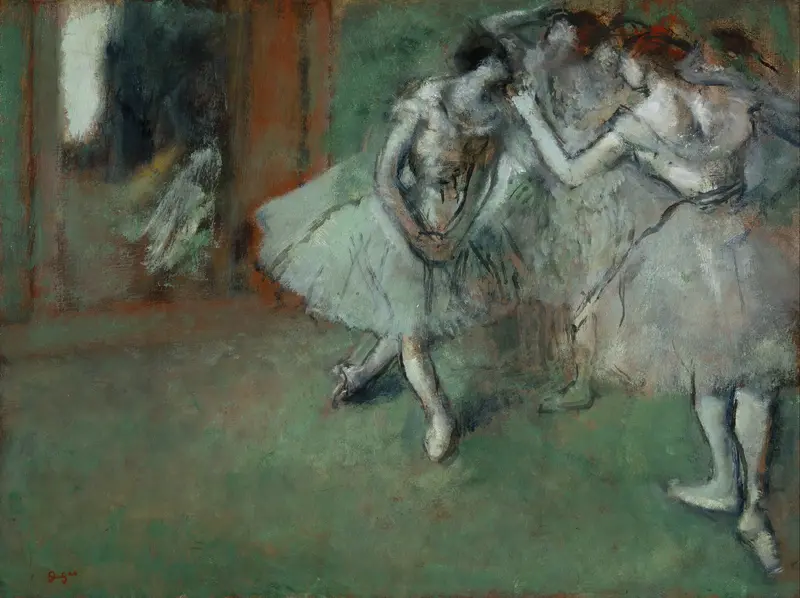
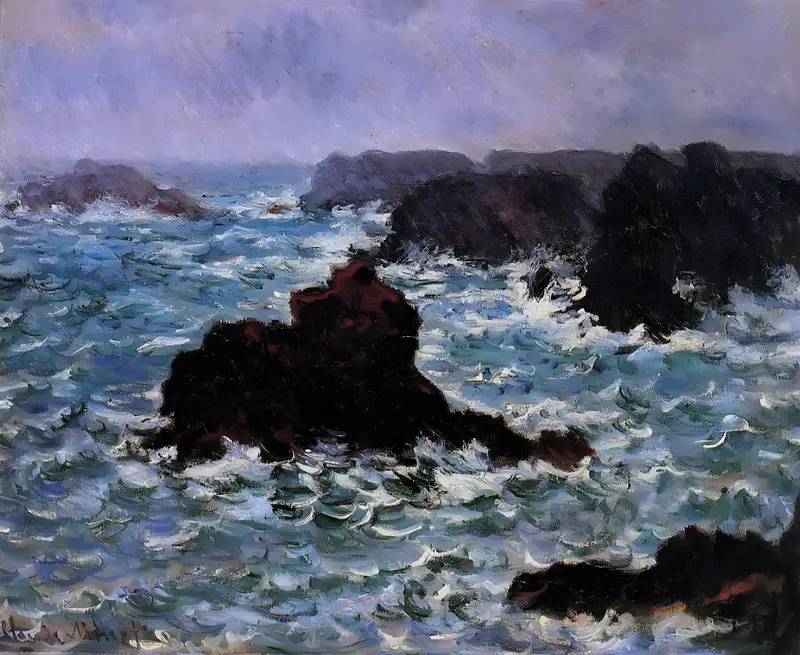
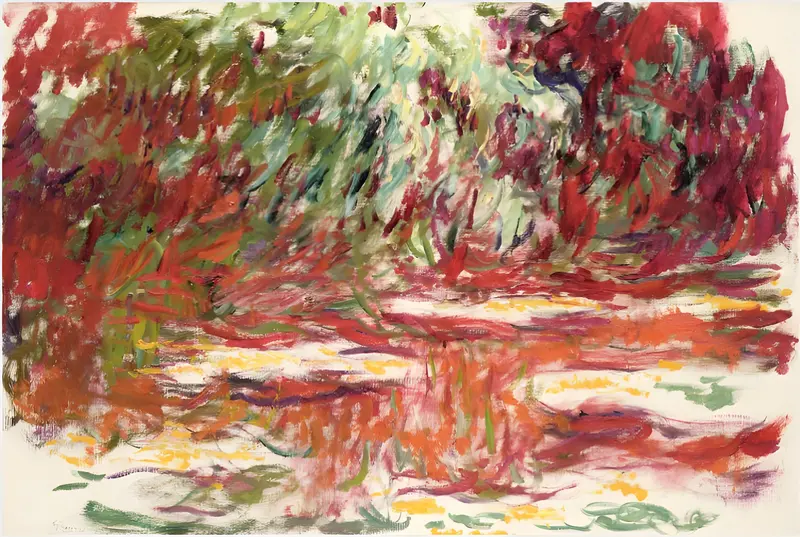

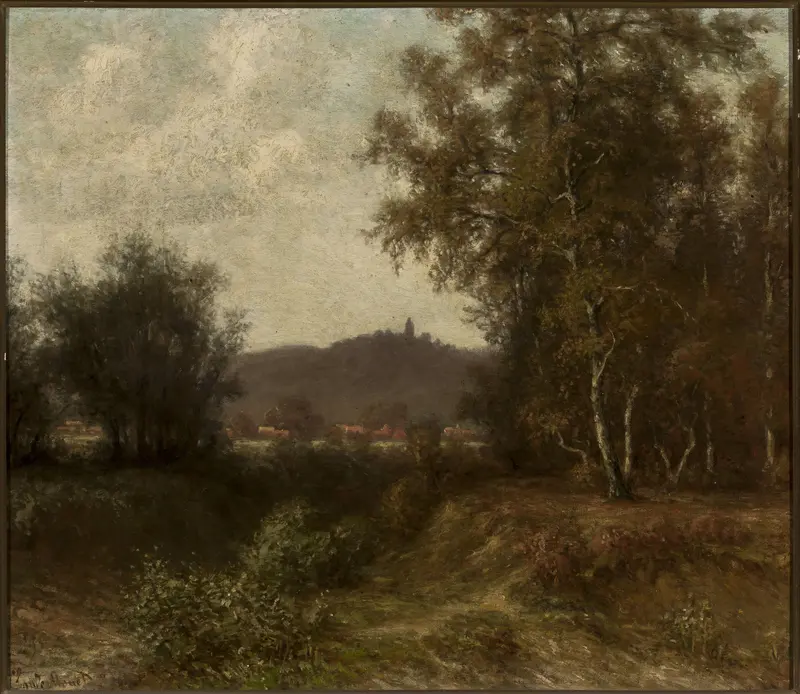
Famous Impressionist paintings
The best-known paintings of Impressionism. Click any painting to see it up close and download it free.
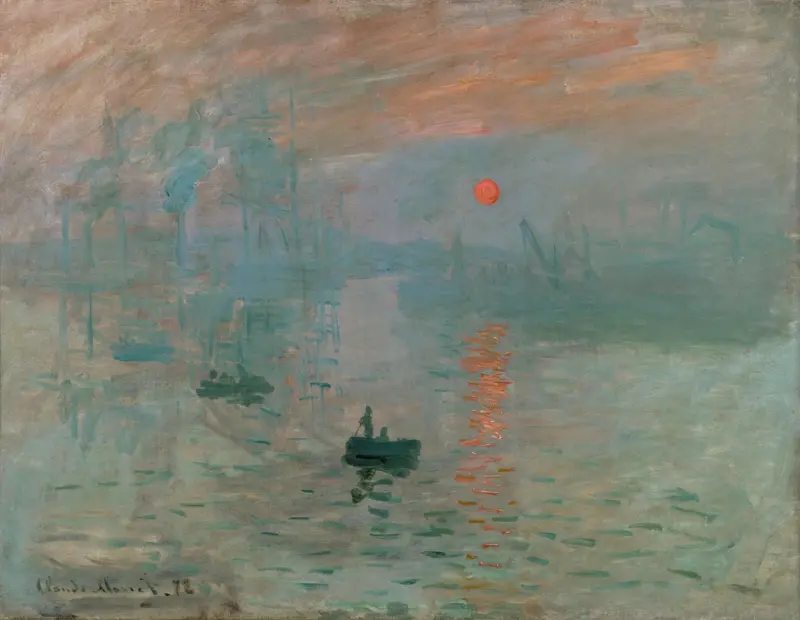 Impression, SunriseClaude Monet
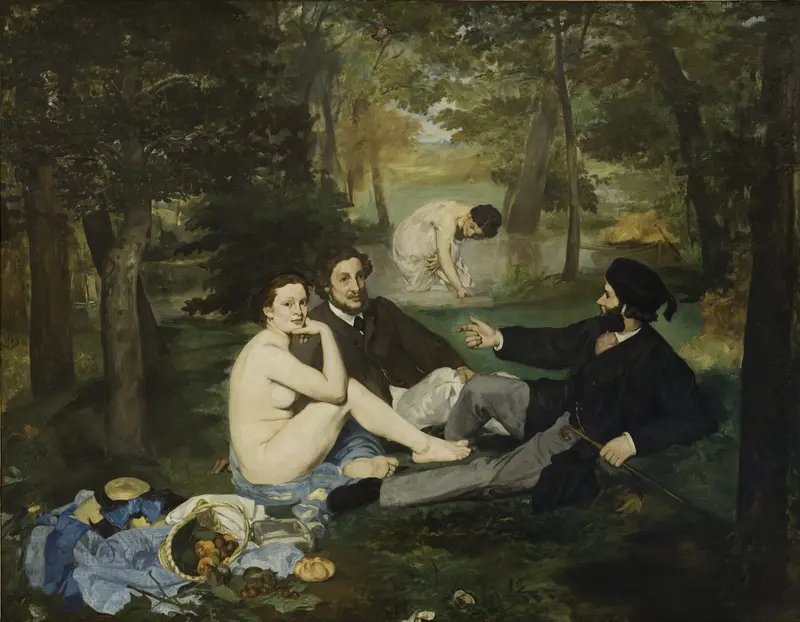 Luncheon on the GrassÉdouard Manet
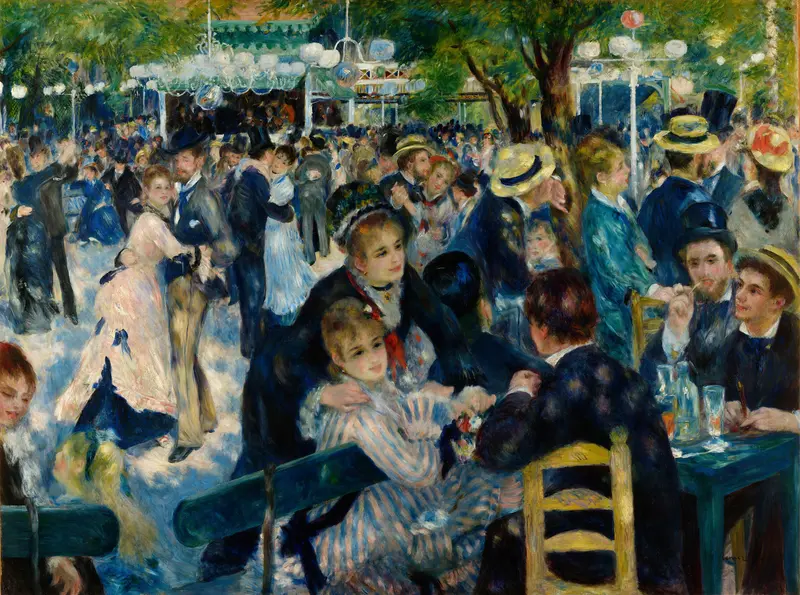 Bal du moulin de la GalettePierre-Auguste Renoir
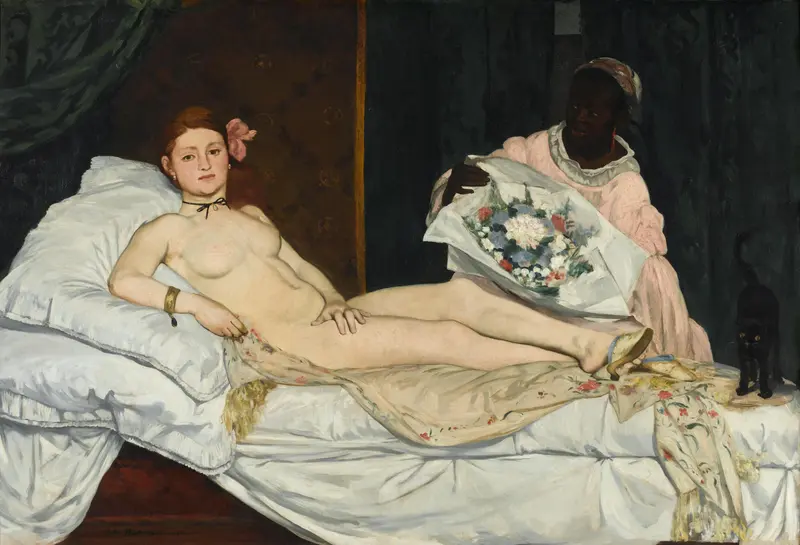 OlympiaÉdouard Manet
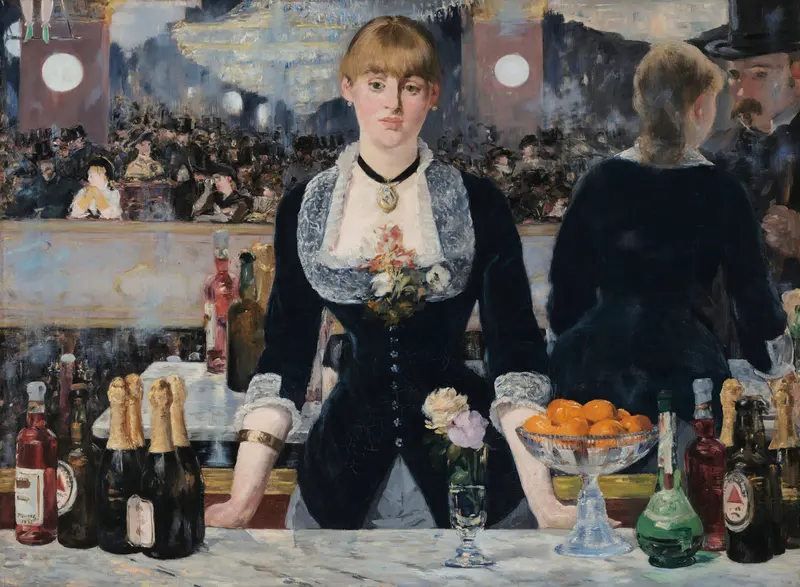 A Bar at the Folies-BergèreÉdouard Manet
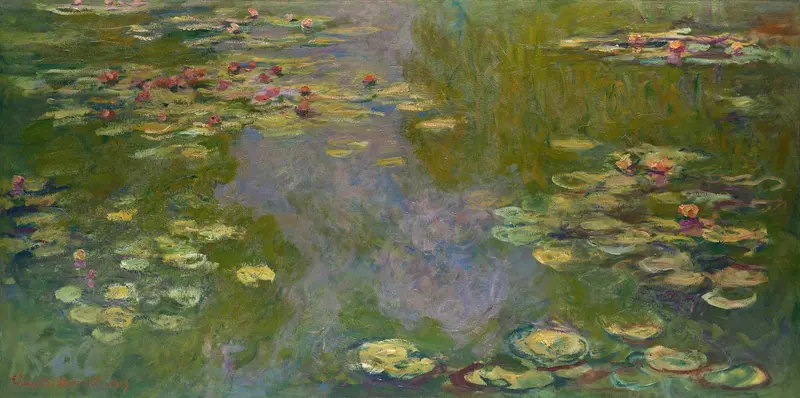
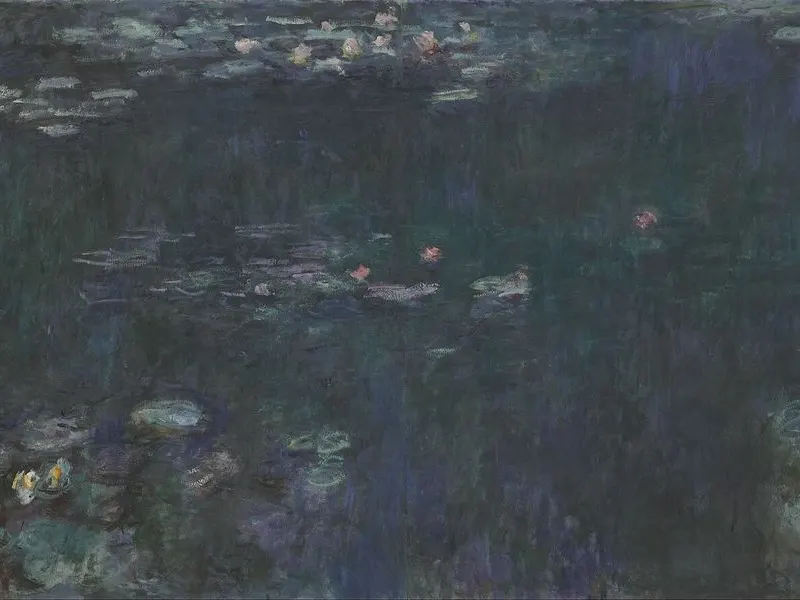
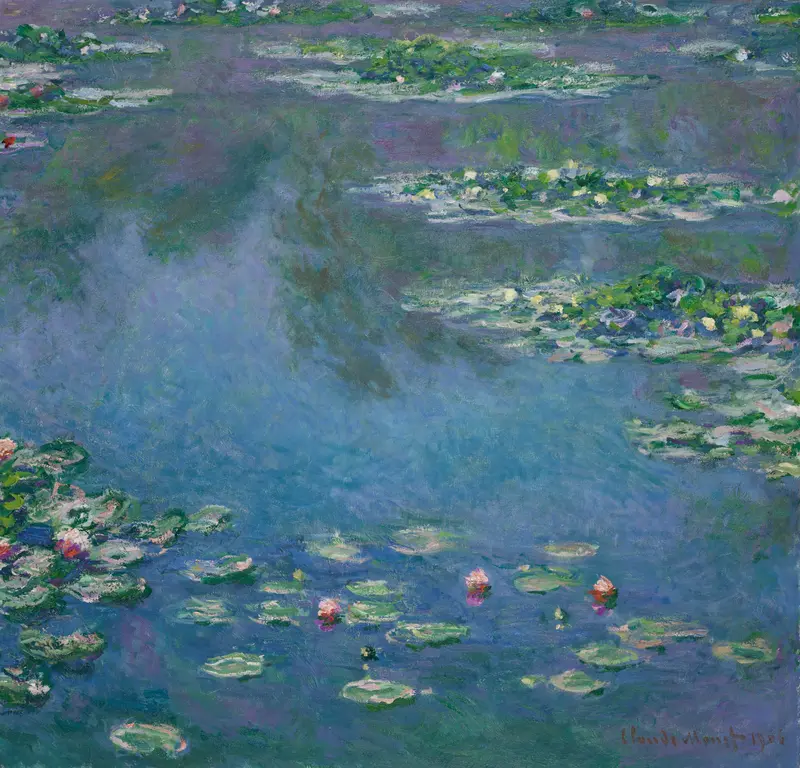 Water LiliesClaude Monet
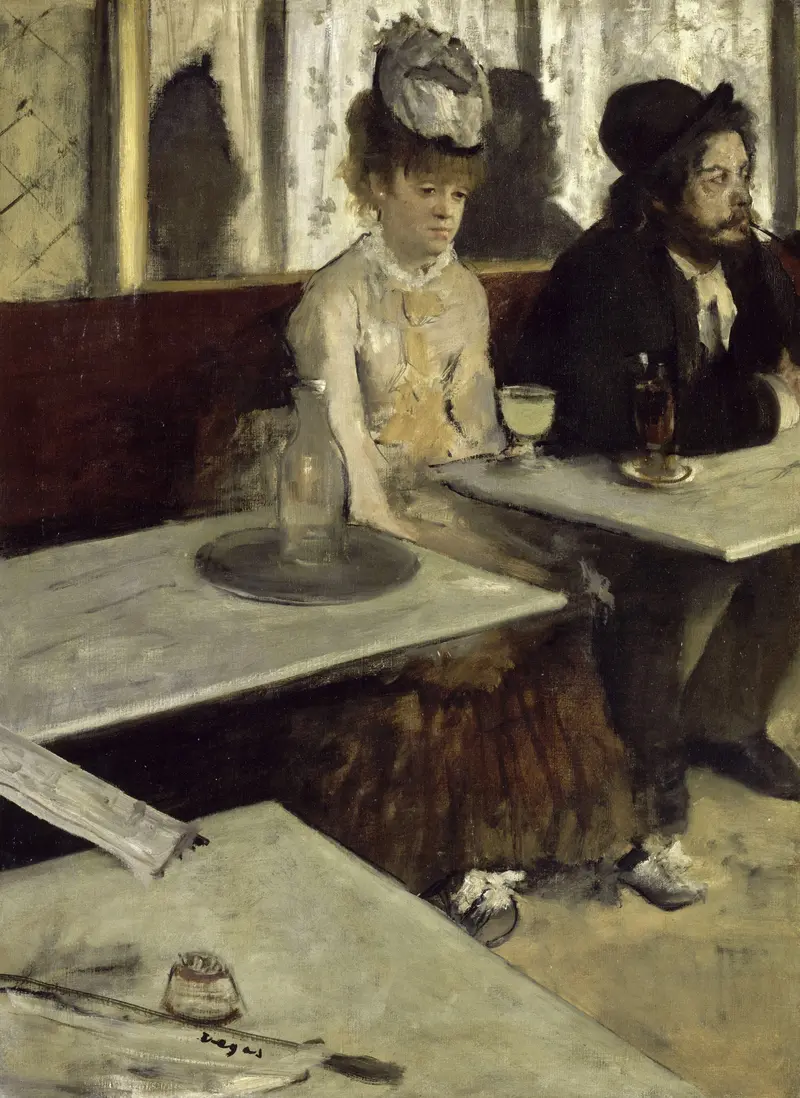 L'AbsintheEdgar Degas
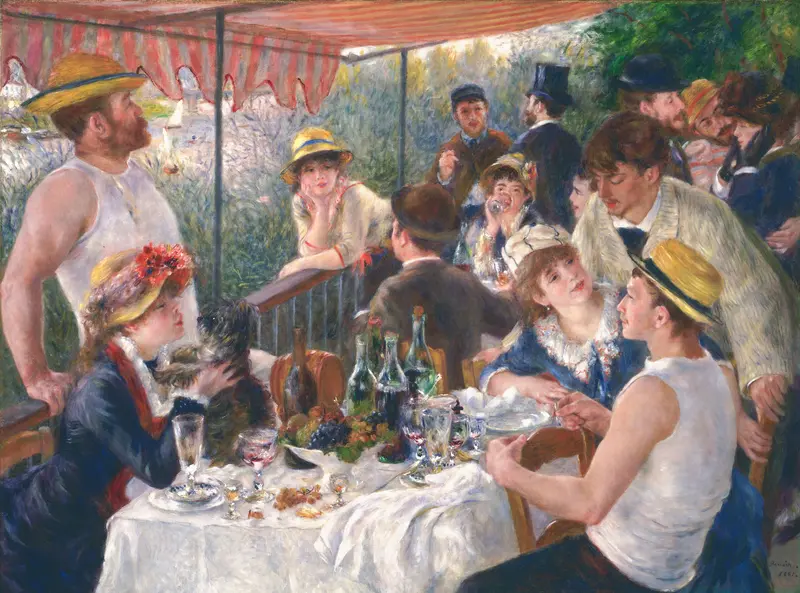 Luncheon of the Boating PartyPierre-Auguste Renoir
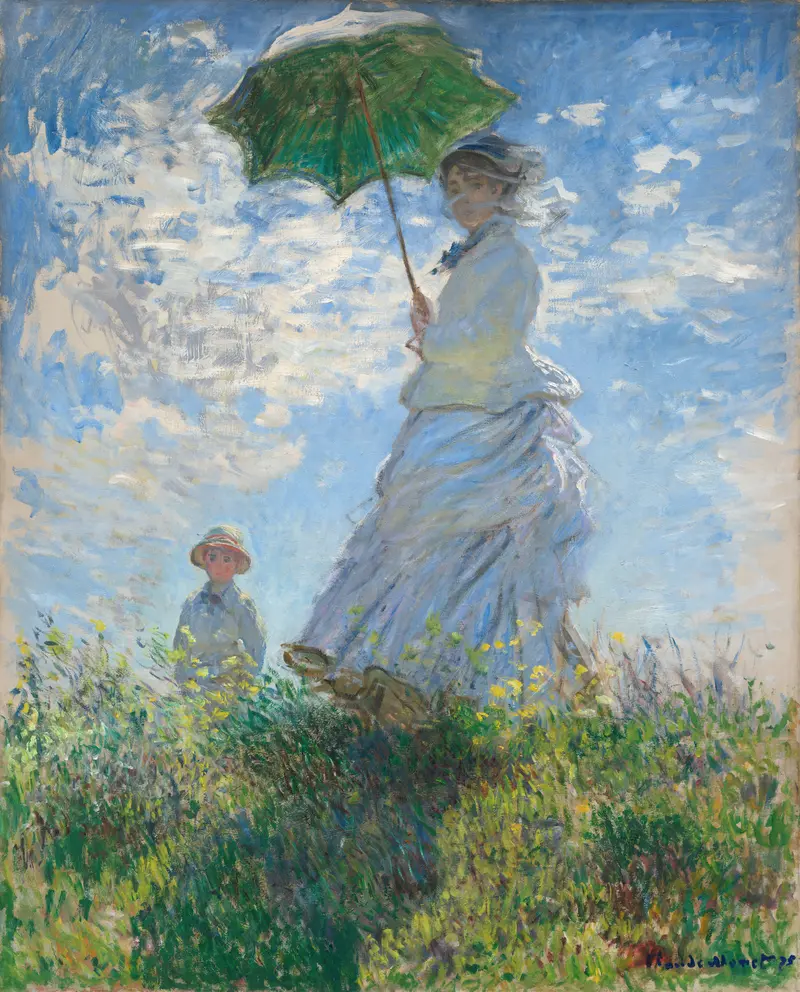 Woman with a Parasol – Madame Monet and Her SonClaude Monet
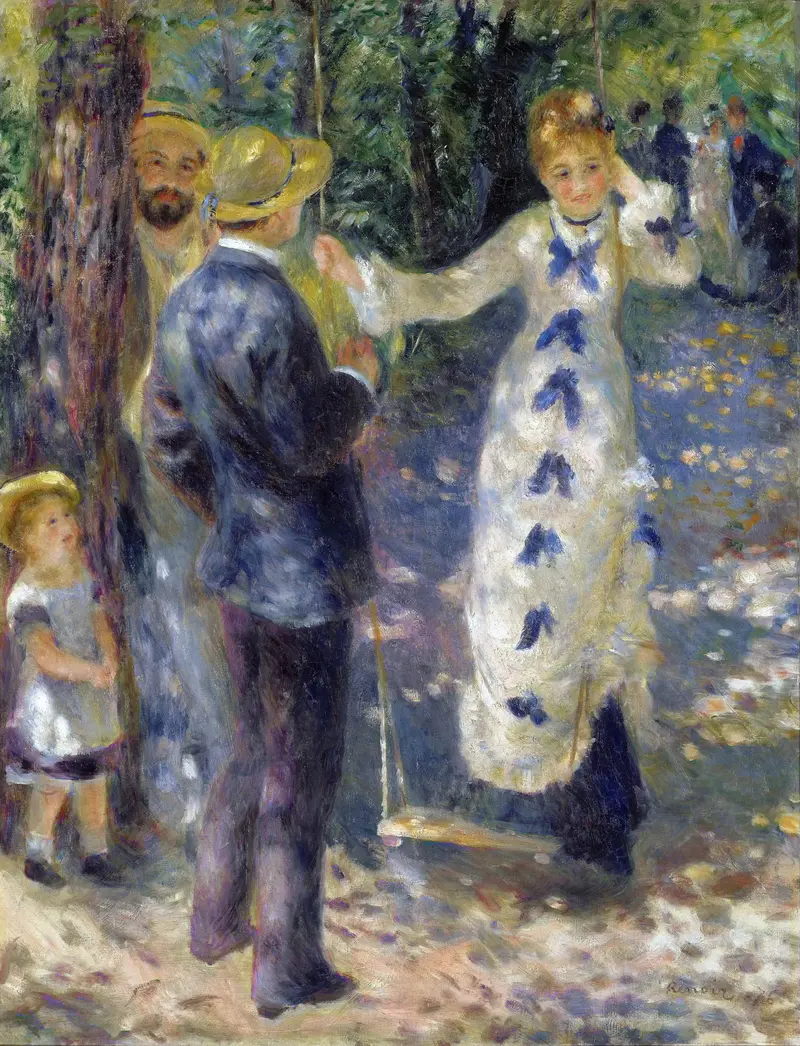 The SwingPierre-Auguste Renoir
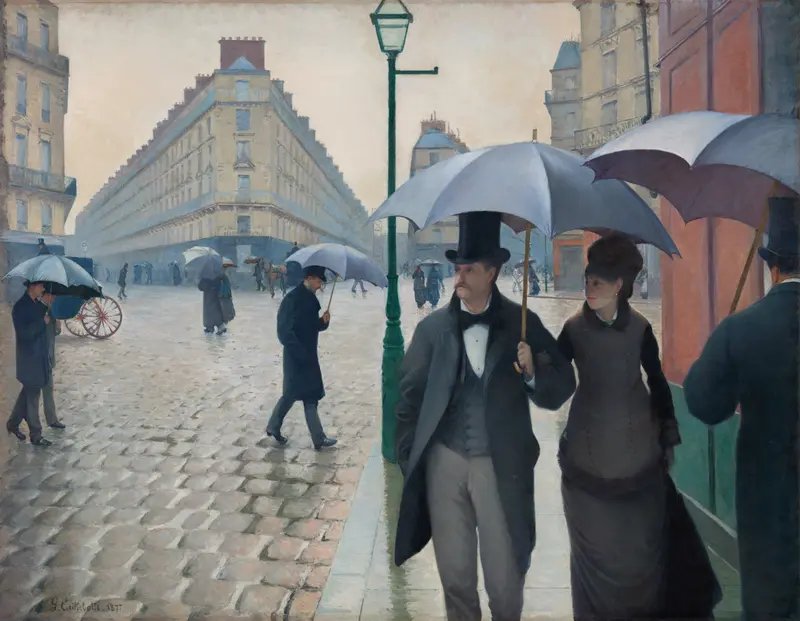 Paris Street; Rainy DayGustave Caillebotte
 The Child's BathMary Cassatt
Famous Impressionist artists
Nine painters at the heart of Impressionism, from Monet, Manet and Renoir to Morisot and Cassatt. Each link opens all their paintings.
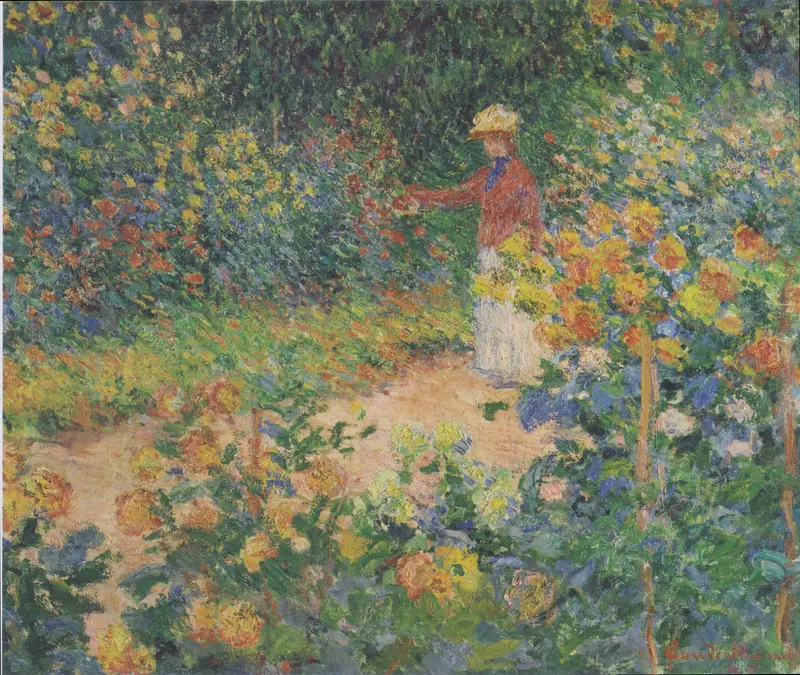
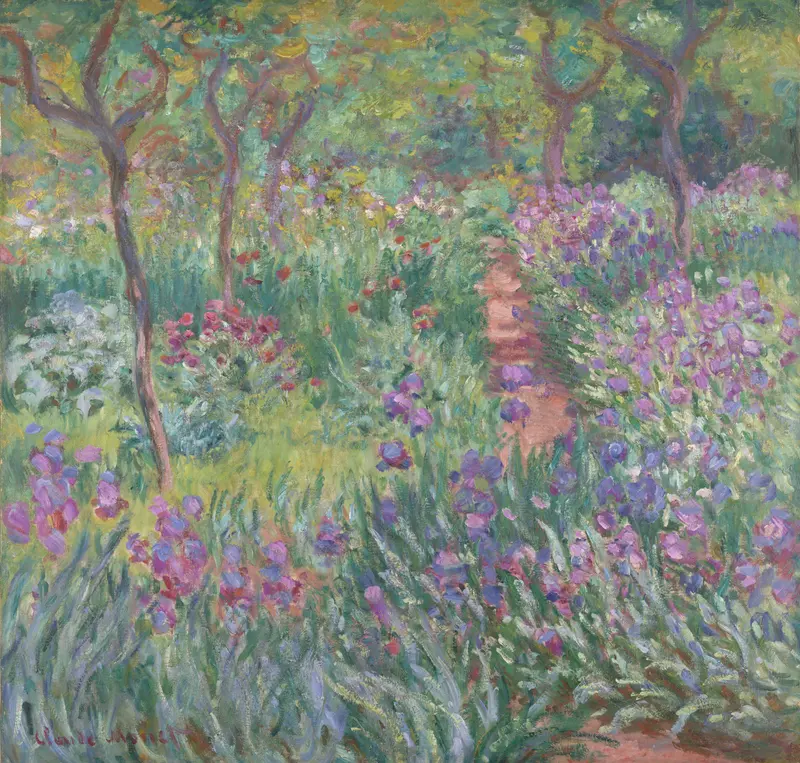
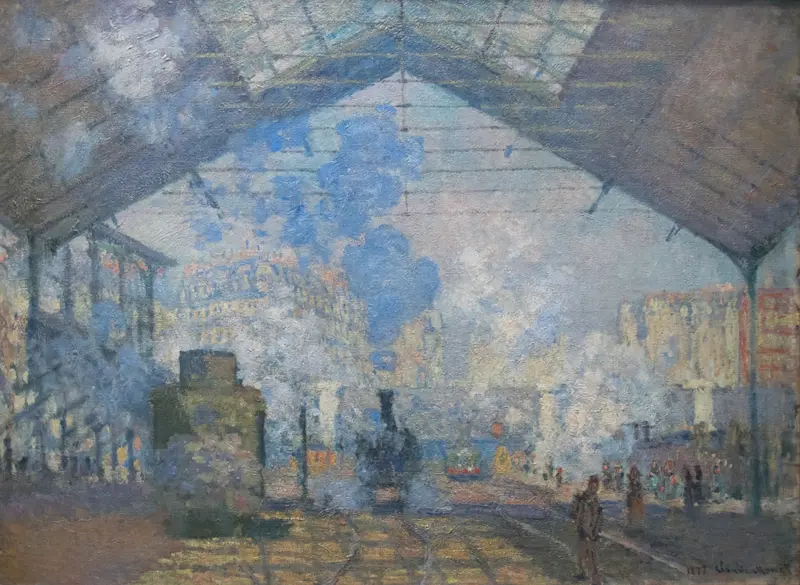 Claude Monet1840–1926. His Impression, Sunrise gave the movement its name, and the National Gallery calls him the leading French Impressionist landscape painter. From 1883 he lived at Giverny, where he painted series and his Water Lilies.
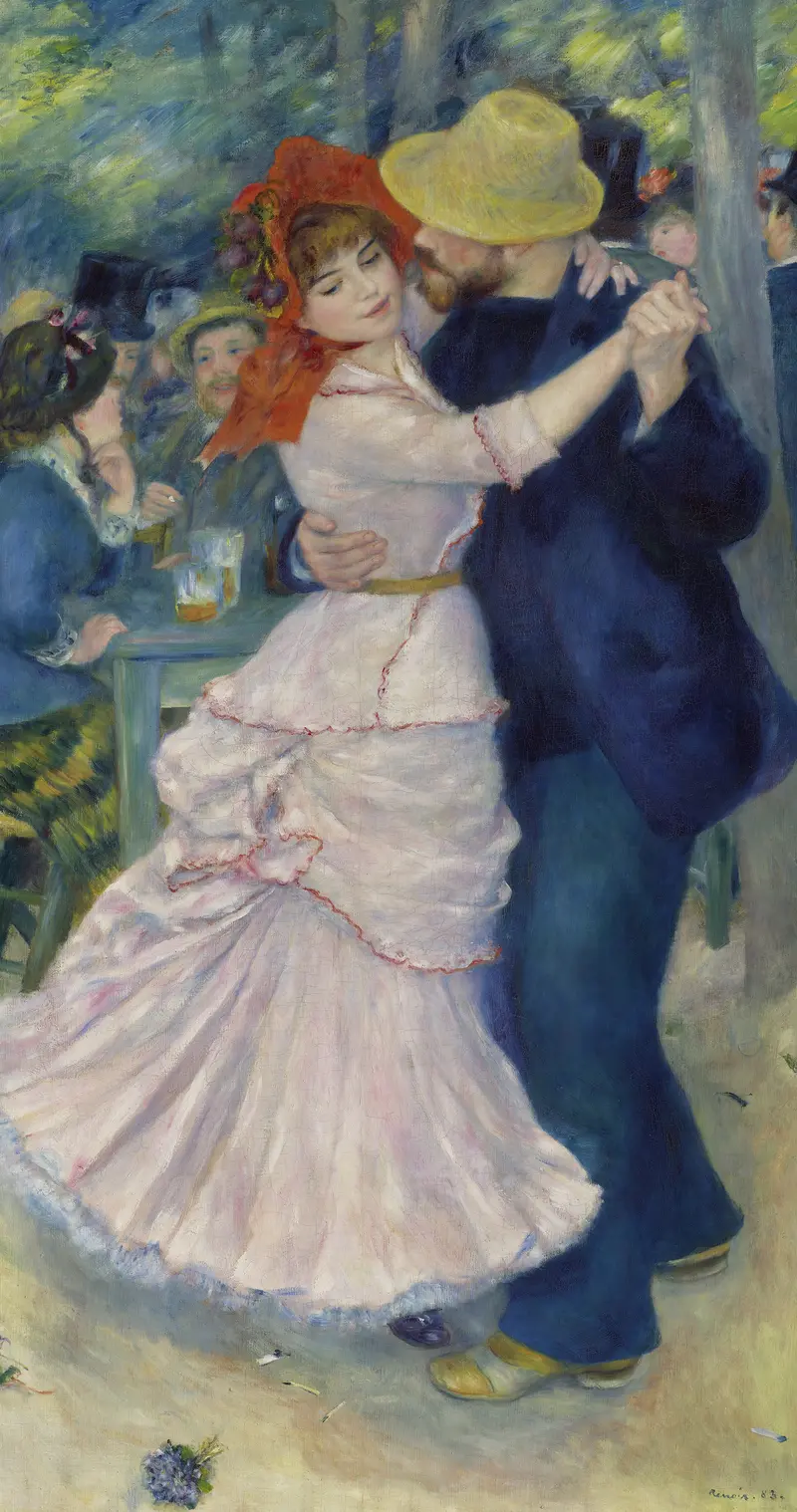 Pierre-Auguste Renoir1841–1919. One of the leading painters of the group, he caught light and movement with broken brushstrokes and bold complementary colors; after a visit to Italy in 1881 his style became more linear and classical.
 Edgar Degas1834–1917. Showed with the Impressionists from the beginning and painted scenes of contemporary life: dancers, entertainers and women at their toilette. He also worked in pastel and sculpture.
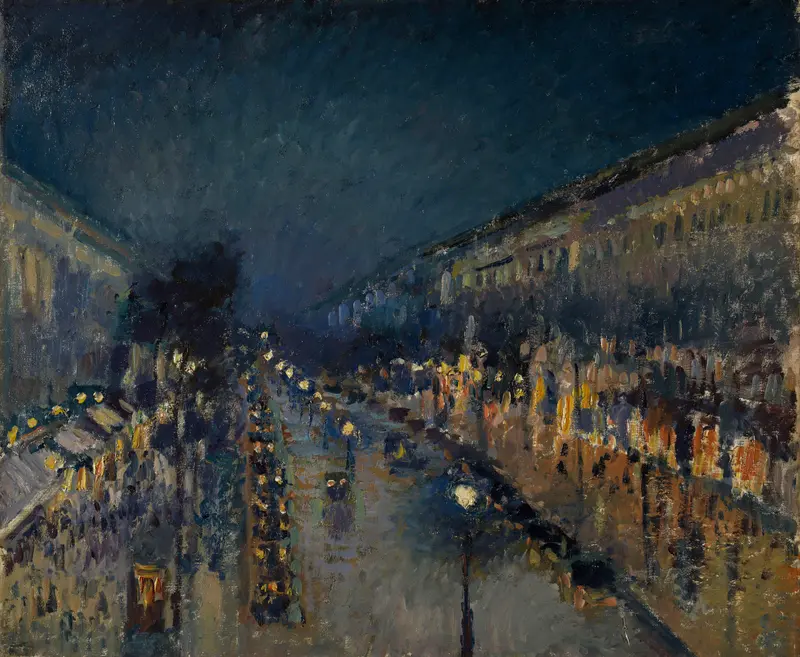 Camille Pissarro1830–1903. Born on St Thomas in the West Indies, he mainly painted landscapes and rural life around Paris; in 1897 he painted 14 views of the Boulevard Montmartre from a hotel window.
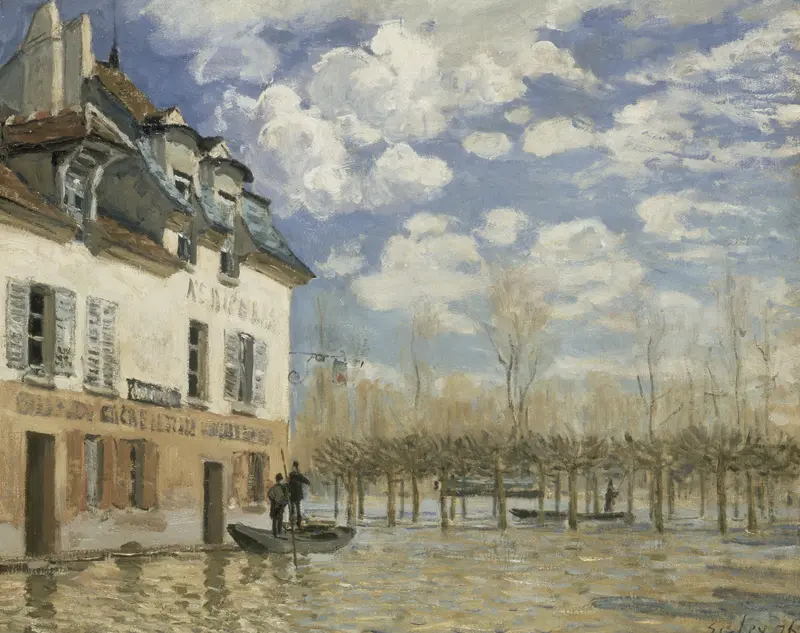 Alfred Sisley1839–1899. Born in Paris to British parents, he met Monet in Gleyre's studio and mainly painted landscapes, close in style to those of Pissarro and Monet.
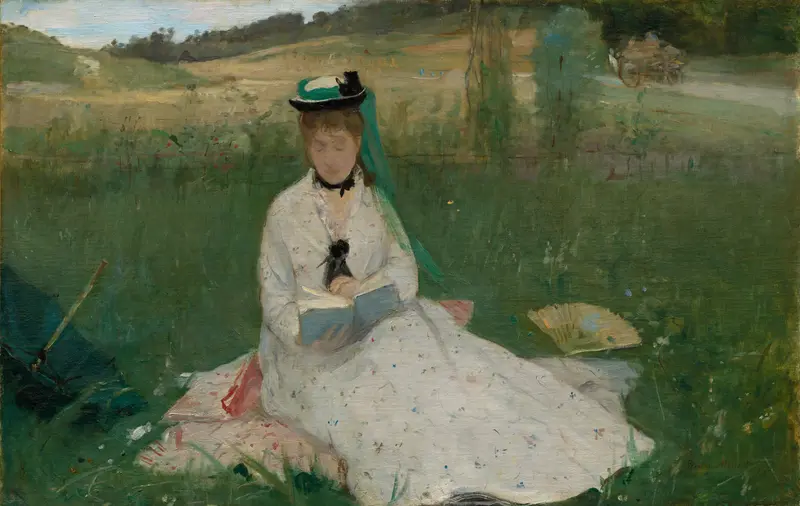 Berthe Morisot1841–1895. A founding member of Impressionism who showed in all but one of the eight exhibitions; the French press of her day acclaimed her painterly brushstrokes and pastel colors.
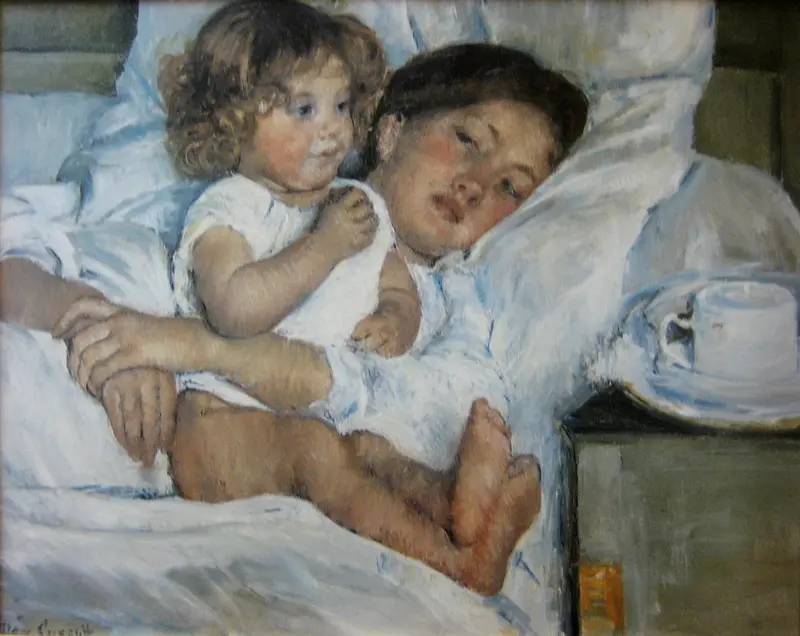 Mary Cassatt1844–1926. The only American invited to exhibit with the original French Impressionists, from 1879; mother and child became her signature subject.
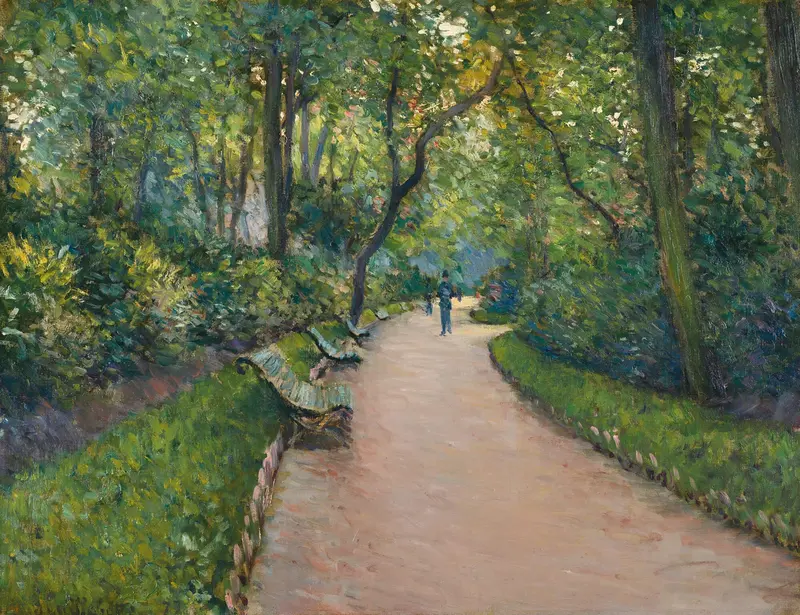 Gustave Caillebotte1848–1894. Joined the Impressionists in 1876 and became one of the group's most active members, as painter and patron; he painted Paris from its new boulevards and balconies.
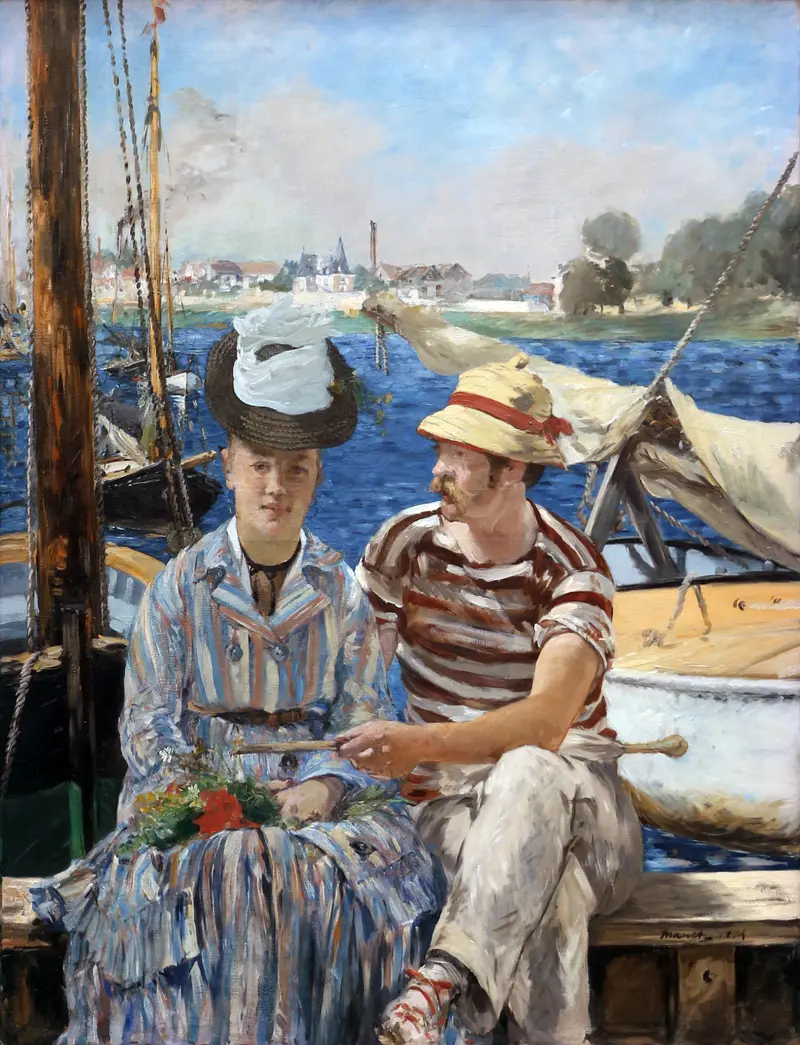 Édouard Manet1832–1883. The elder statesman of the Impressionists, the National Gallery in London calls him: his modern-life subjects and free handling of paint led the way, and in the 1870s he painted landscapes and street scenes directly inspired by Impressionism, though he kept showing at the Salon.
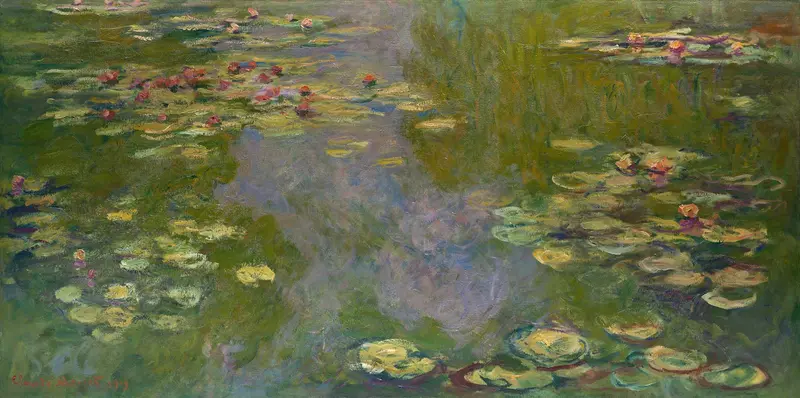
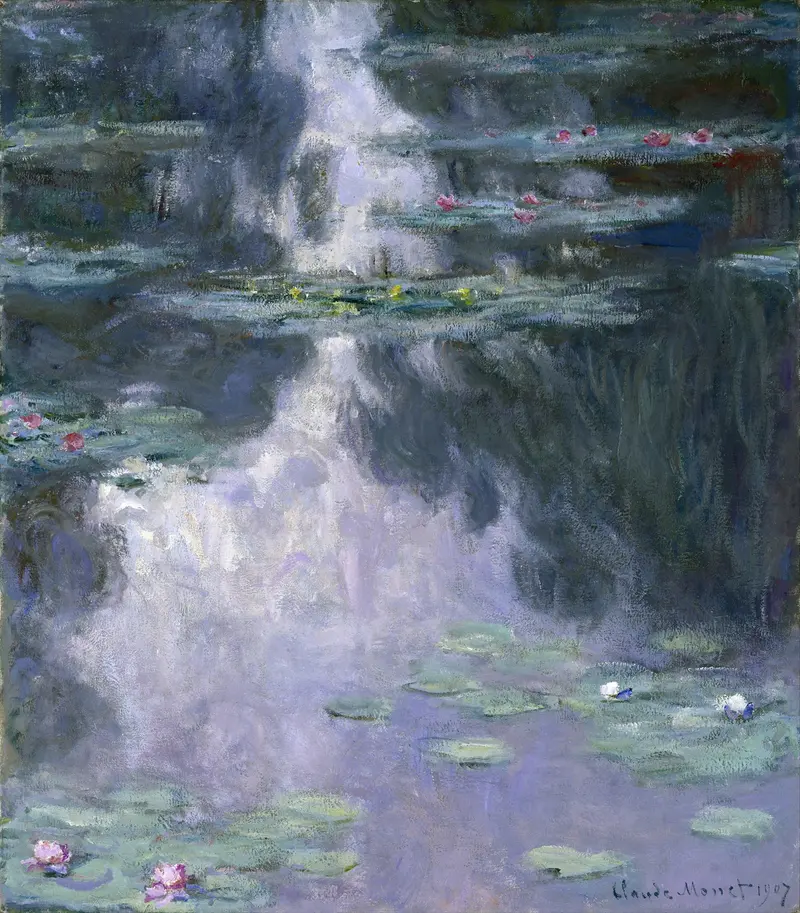
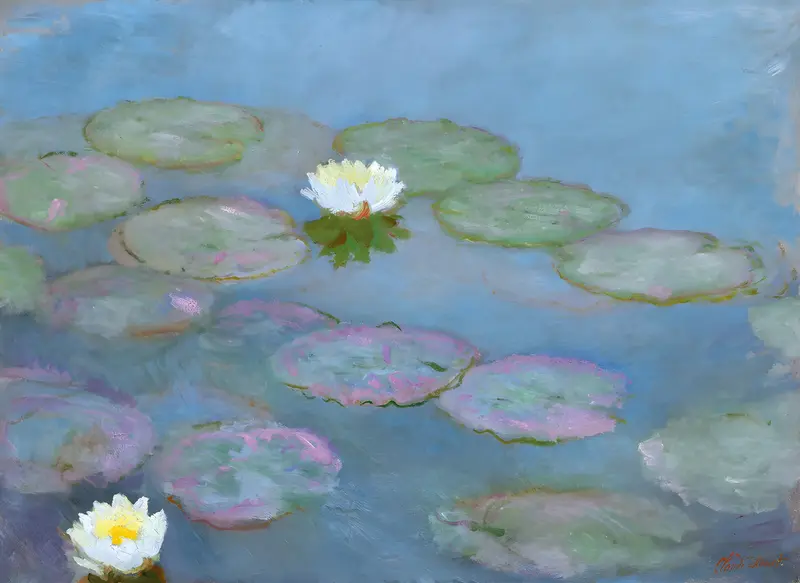
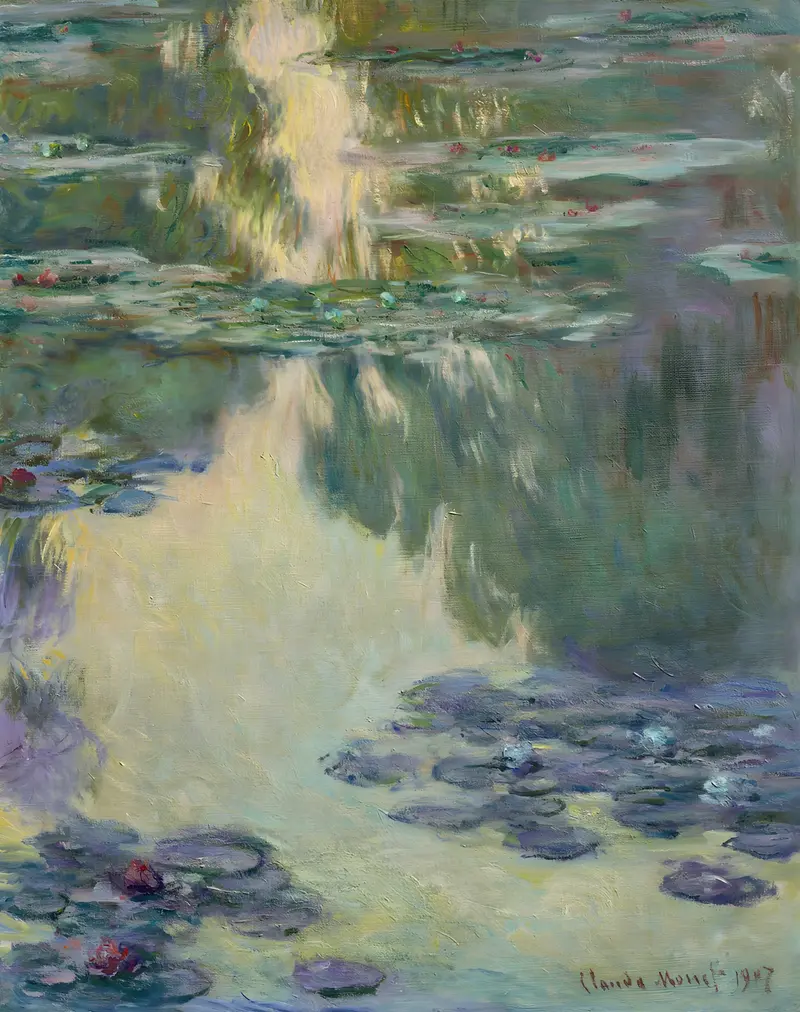
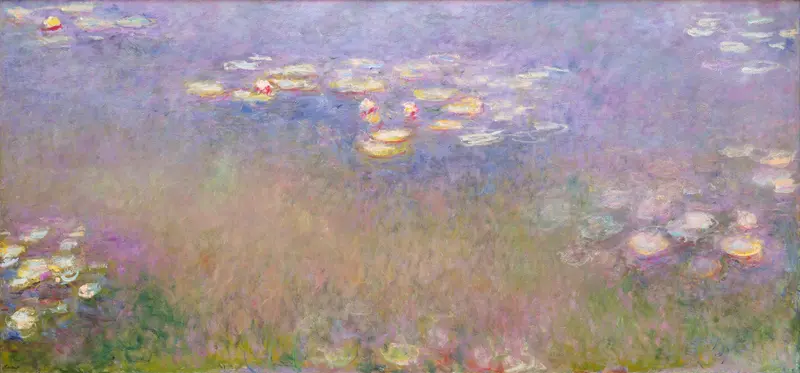
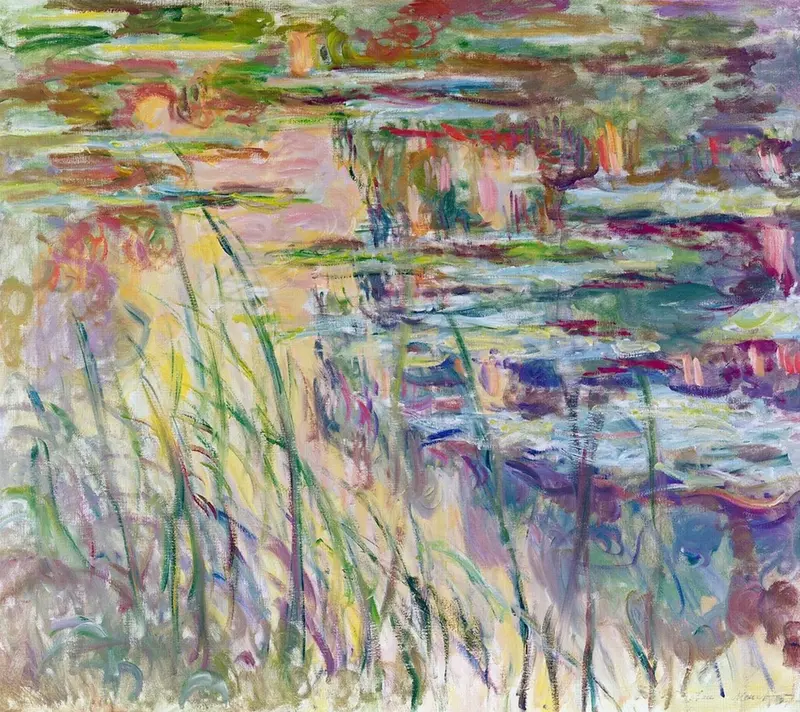
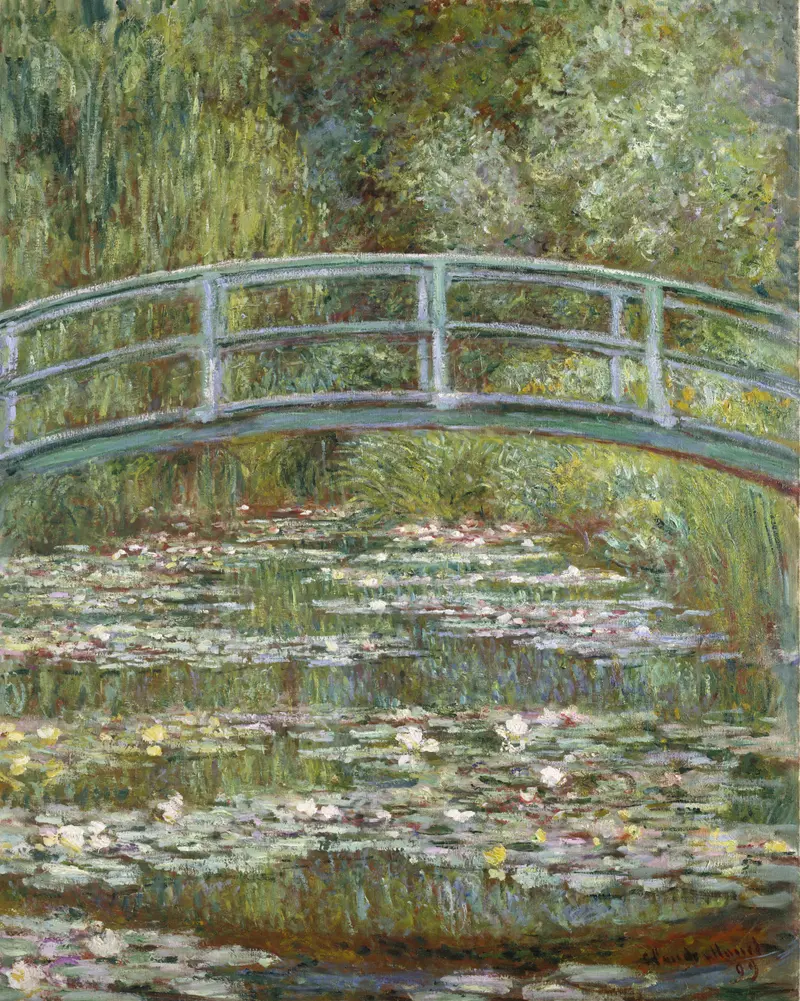
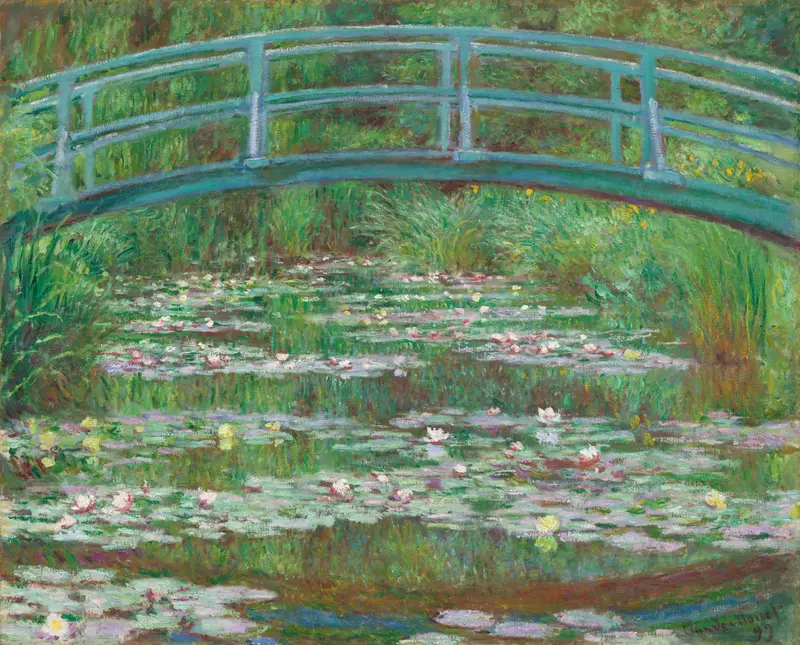
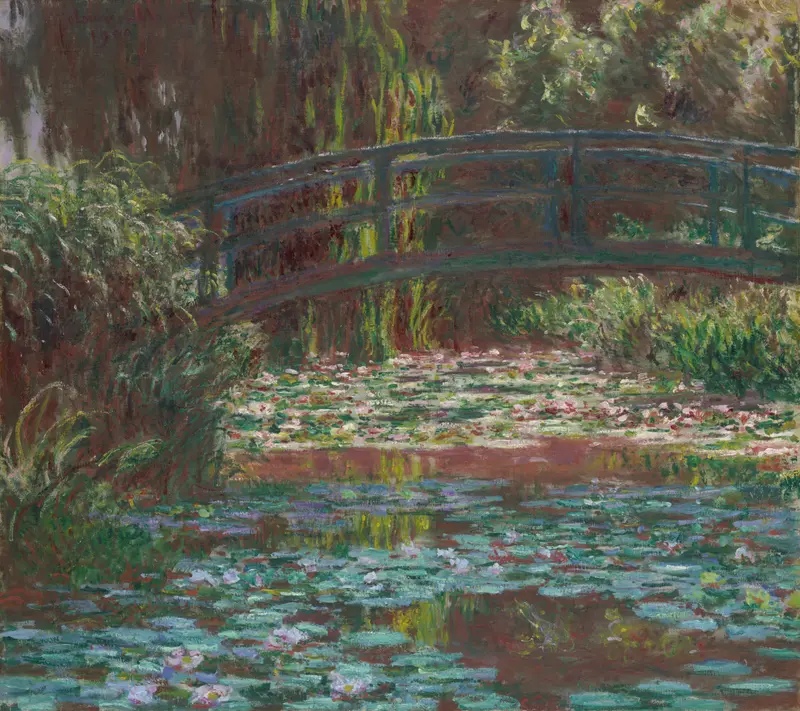
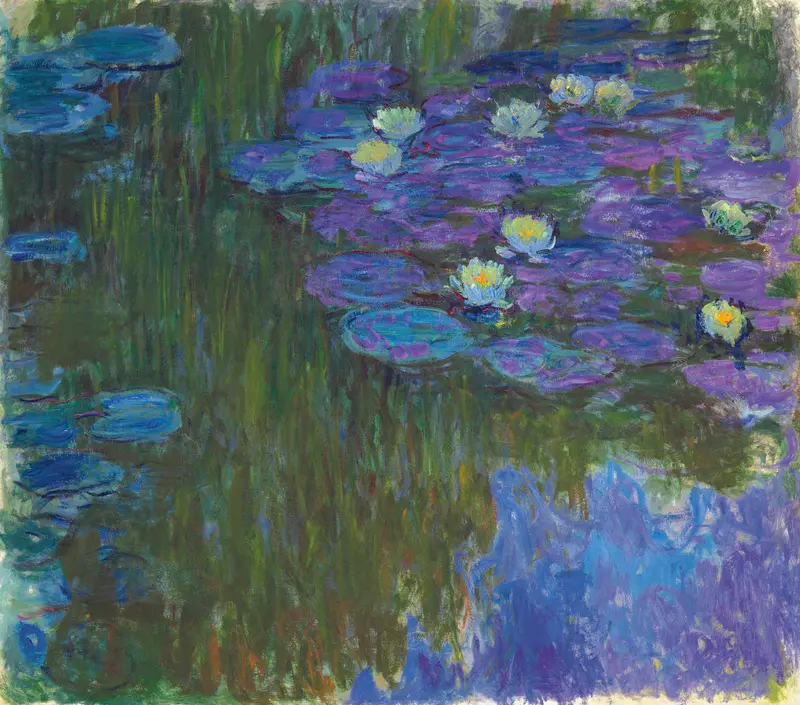
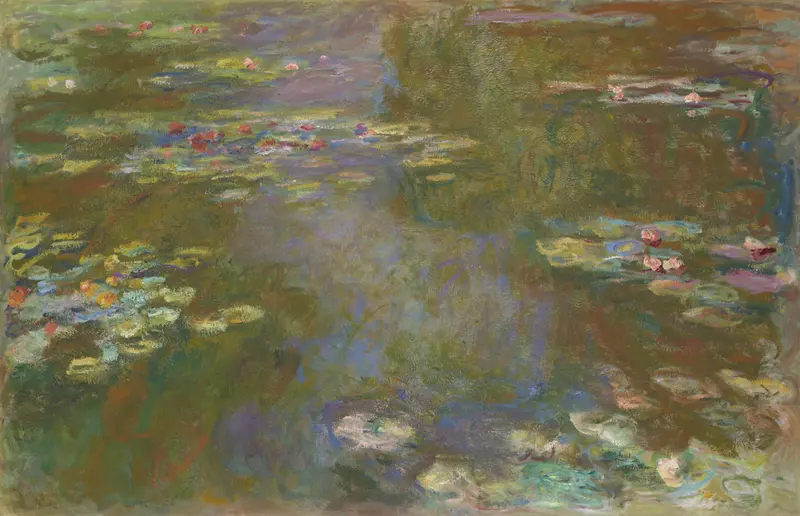
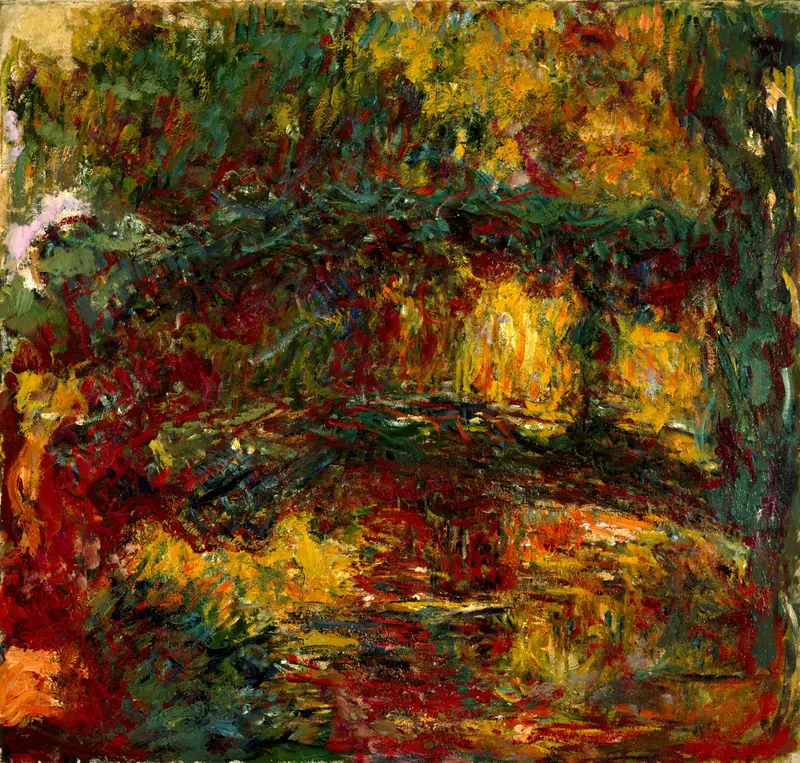
Monet's Water Lilies and Japanese bridge
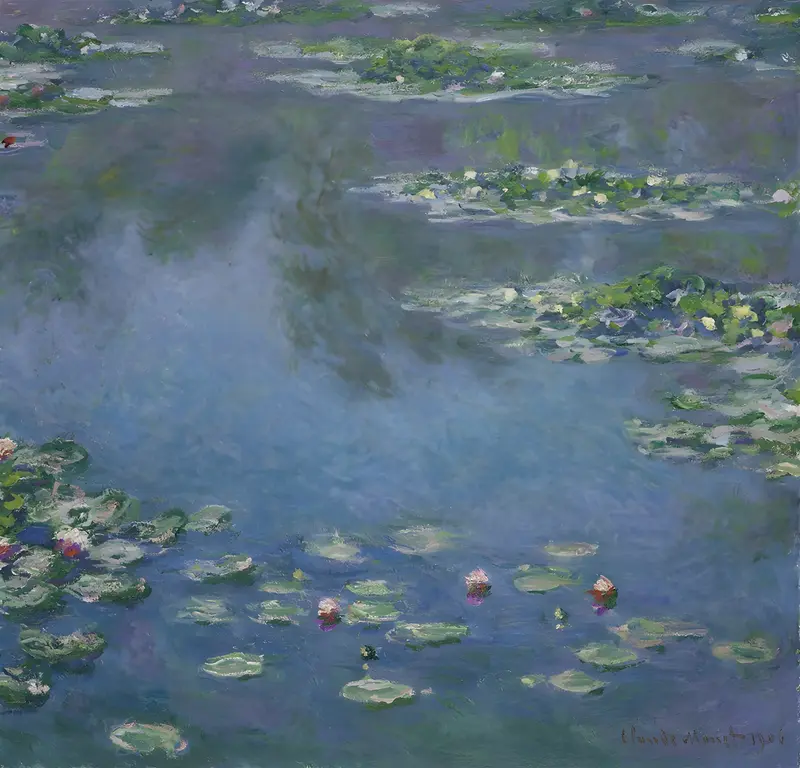
In 1893 Monet began turning the marshy ground behind his house at Giverny into a pond, with a Japanese-style wooden bridge at its narrow end, and it became one of his main subjects for the rest of his life. The Art Institute of Chicago follows the paintings from the bridge pictures of 1899–1900 to the near-abstract canvases of his last years.
Impressionist landscape paintings
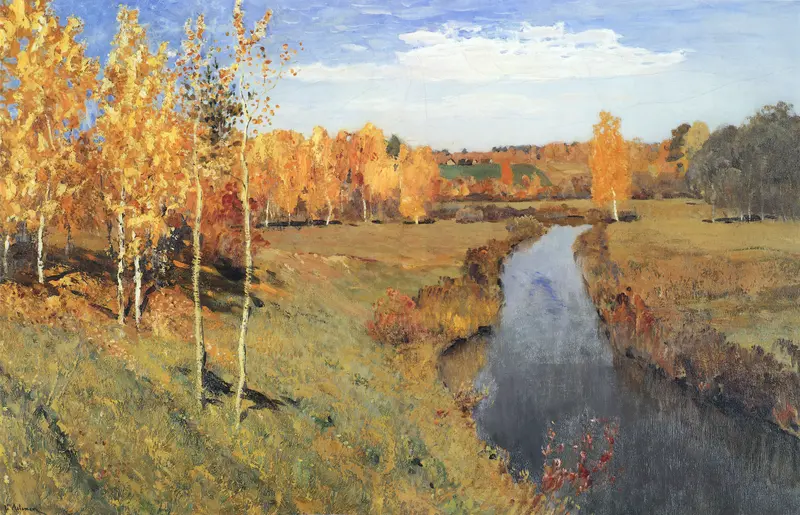
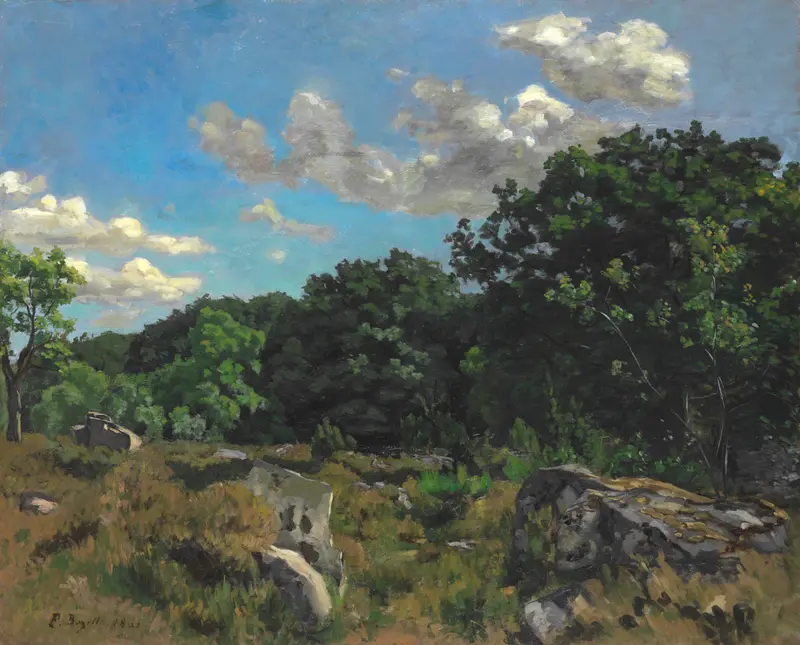
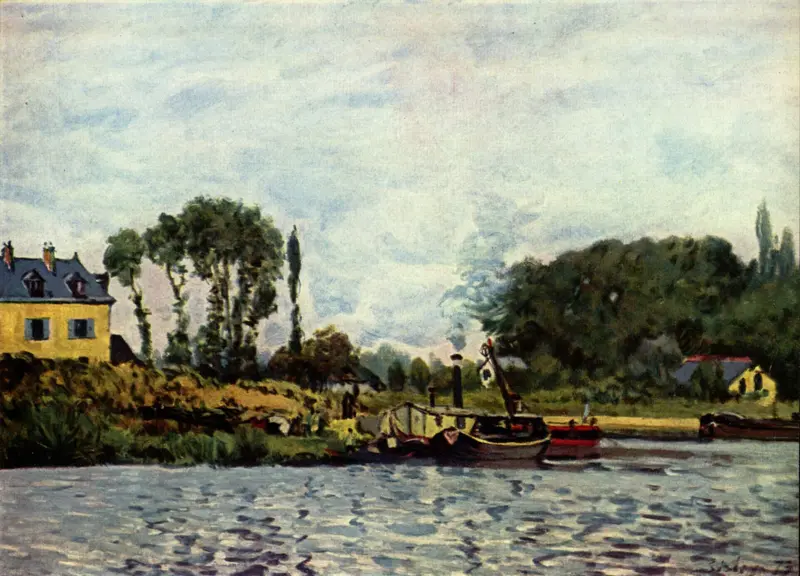
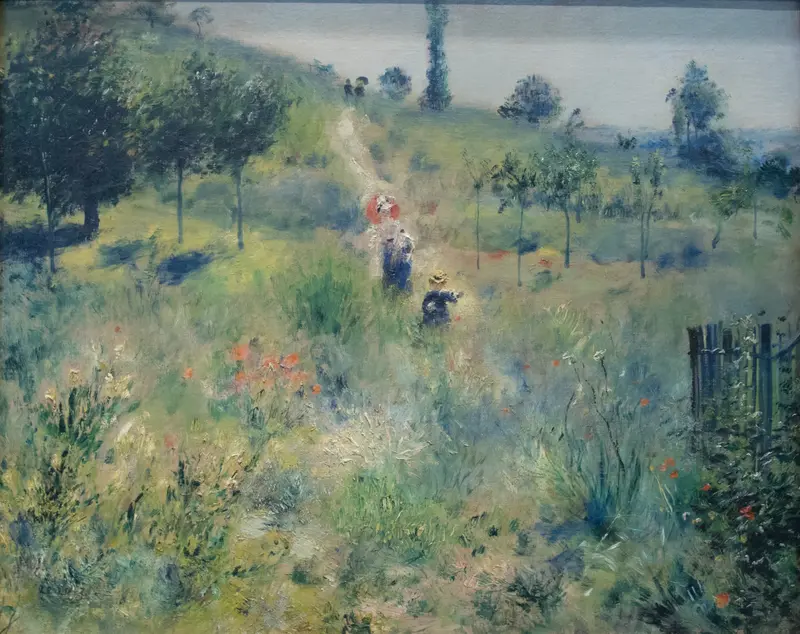
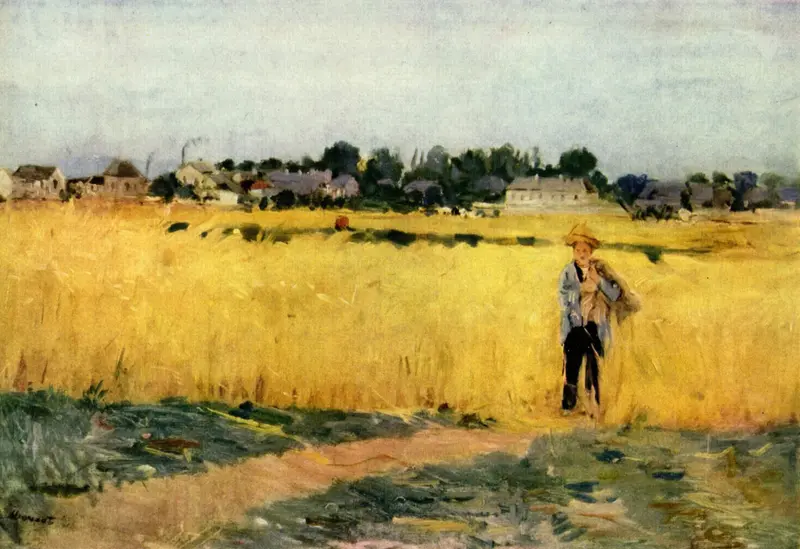
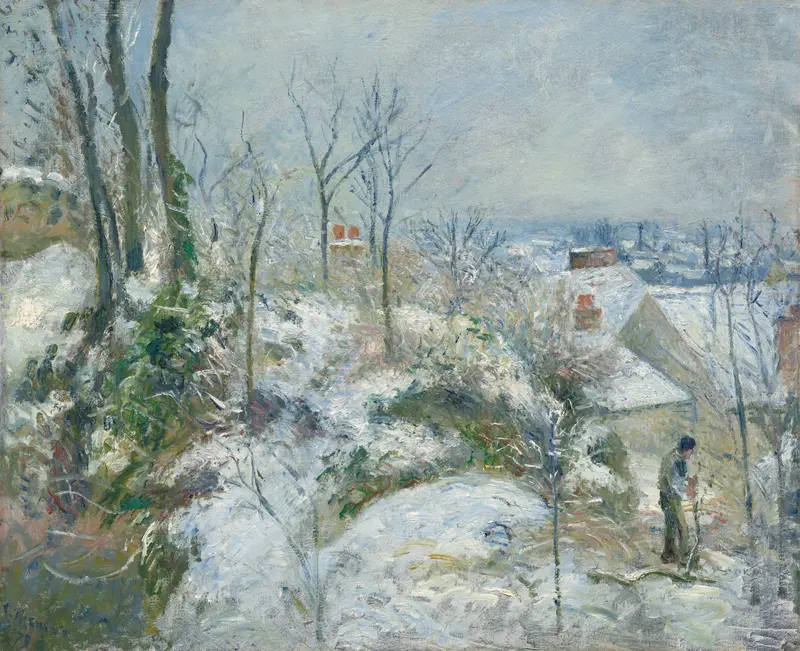
Landscapes and scenes of everyday life were the main Impressionist subjects, Tate says, and the painters worked quickly, in the open air, to catch the passing effects of sunlight. These views run from Bazille's forest at Chailly to Pissarro's snow at Pontoise.
American Impressionism
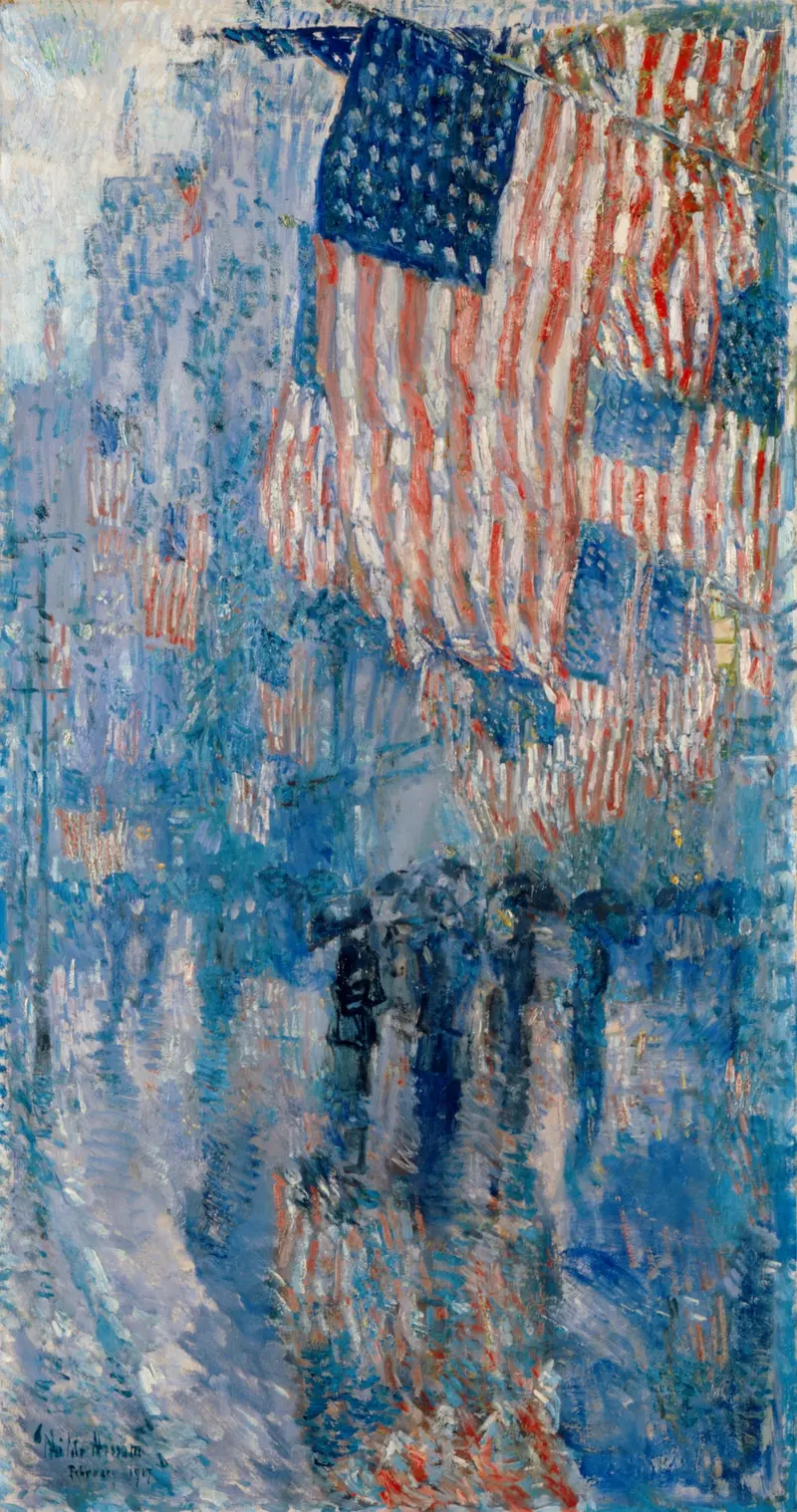
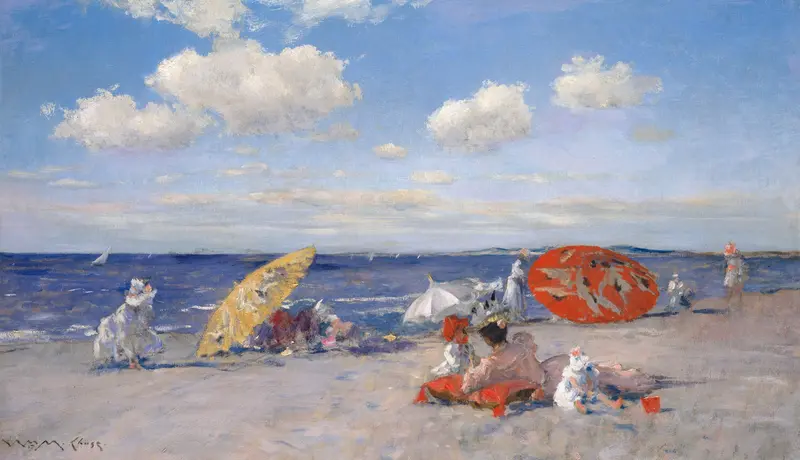
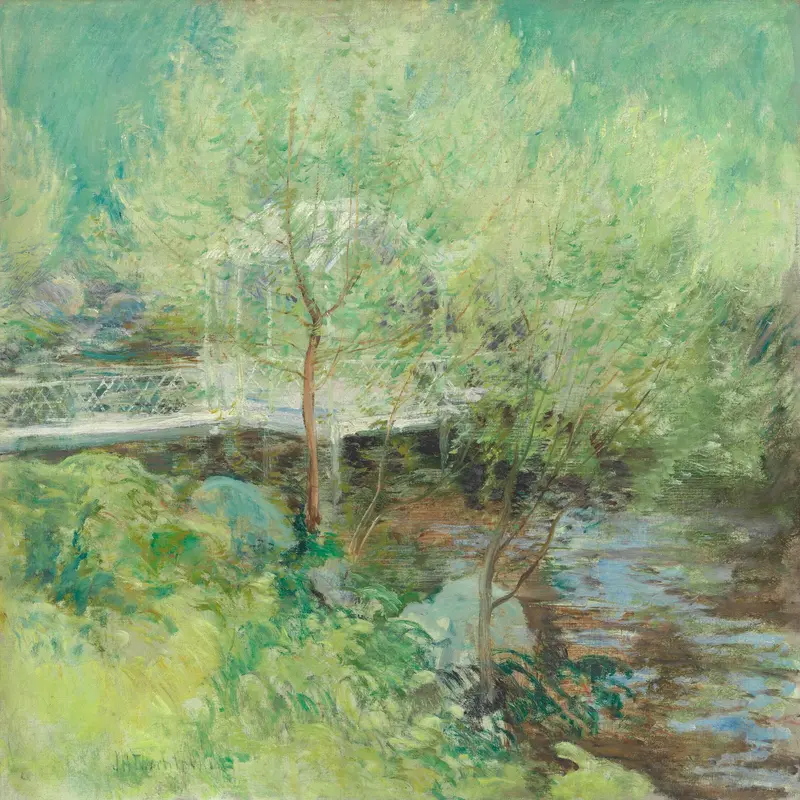
American painters took up the French style from the late 1880s. William Merritt Chase painted New York's public parks with open brushwork and a bright palette, Theodore Robinson was one of the first Americans to paint at Giverny, and Childe Hassam, after studying in Paris, brought Impressionist techniques to American cities.


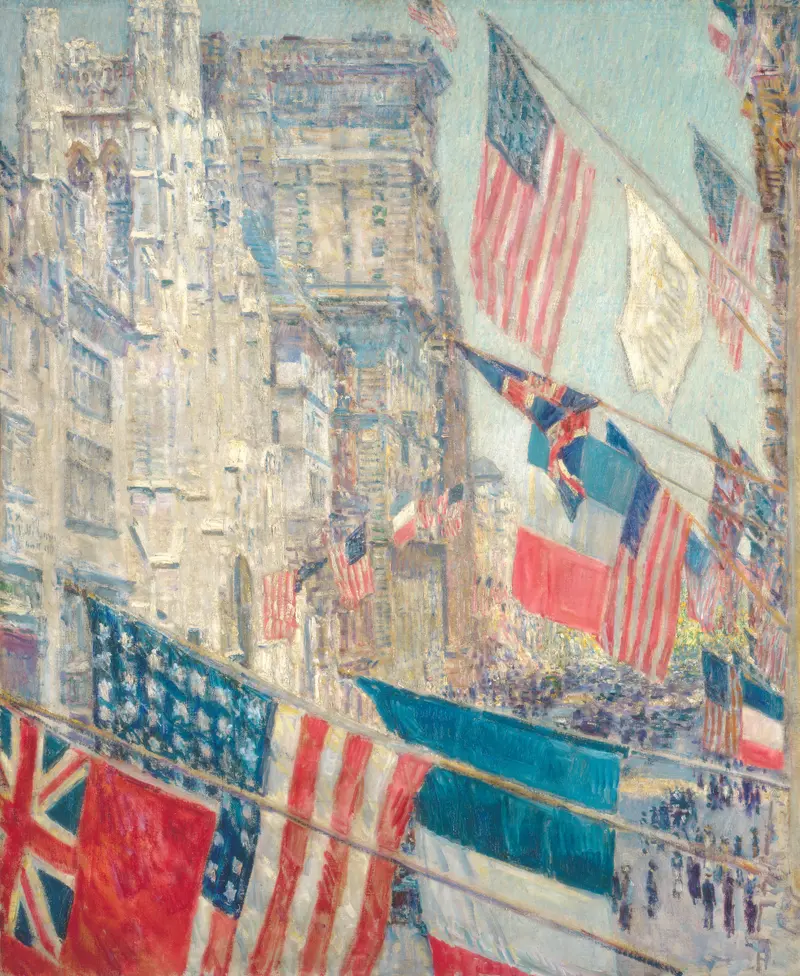
Characteristics of Impressionism: how to recognize it

Quick, visible brushstrokes
Look at the water and the dress at the lower left: Morisot laid the paint down in quick zig-zag strokes you can follow one by one. The National Gallery in London says they turn the lake's rippled surface into shimmering, refracted light.
Summer's Day, Berthe Morisot
Painted outdoors, fast
Monet painted this scene outdoors, probably in one session of a few hours, the National Gallery of Art says. The wind in the veil, the skirt and the grass is caught in animated strokes of color instead of careful detail.
Woman with a Parasol – Madame Monet and Her Son, Claude Monet
Light and atmosphere
Monet called this dawn view of Le Havre an impression: the atmosphere of the harbor at one moment, not a careful description. Cranes, smokestacks and masts melt into the mist, and only the orange sun and its reflection stand out.
Impression, Sunrise, Claude Monet
Dappled sunlight
Renoir wanted the sunlight that filters through leaves. Look at the man's back and the ground: the light is set down as patches of pale color, not as smooth shading, the Musée d'Orsay notes.
The Swing, Pierre-Auguste Renoir
Modern life
The Impressionists painted the Paris of their own day. Caillebotte shows a new boulevard in the rain, with fashionable couples under the latest retractable umbrellas, a scene the Art Institute of Chicago calls all that was new in a rapidly changing Paris.
Paris Street; Rainy Day, Gustave Caillebotte
Unusual angles and cropping
Cassatt looks down on the mother and child from above, so the carpet seems to tilt up toward us. The Art Institute of Chicago links the steep view, cropped forms and bold patterns to her intense engagement with Japanese art in the 1890s; Degas cropped his café scene L'Absinthe the same way.
The Child's Bath, Mary Cassatt
Before and after Impressionism
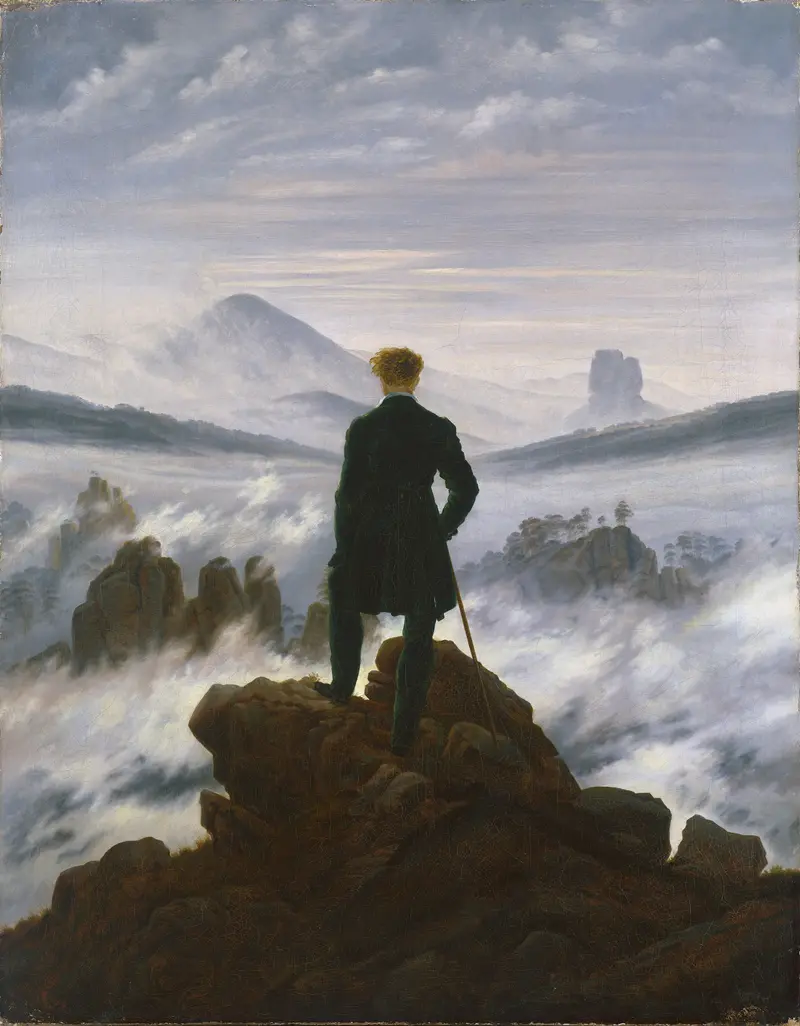 Romanticismc. 1780–1850
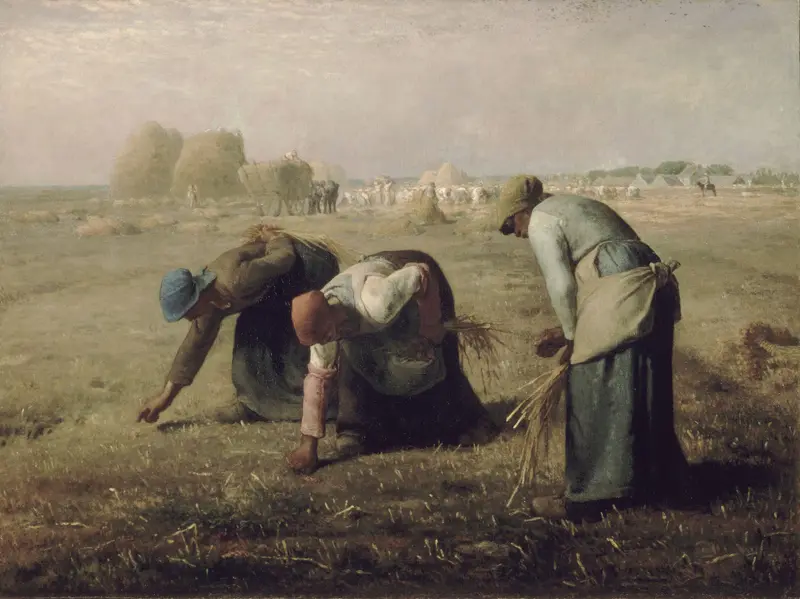 Realismc. 1840–1880
- Impressionismc. 1867–1886
 Post-Impressionismc. 1886–1905
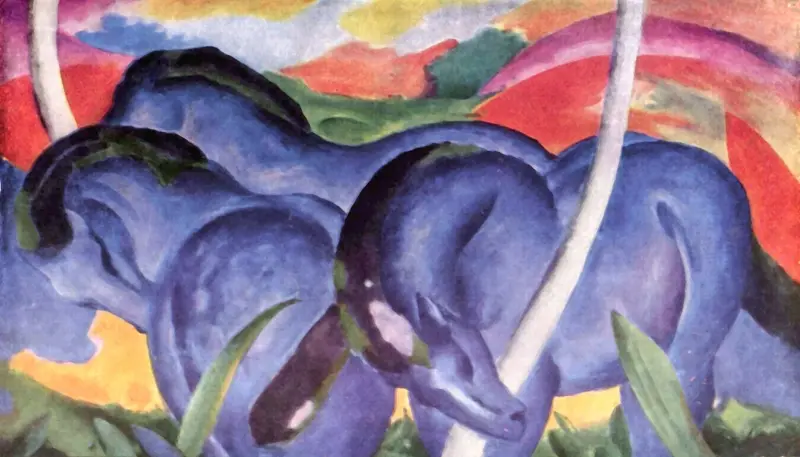 Expressionismc. 1905–1914
Impressionism compared with the movements before and after it
| Compared | Realism | Impressionism | Post-Impressionism |
|---|---|---|---|
| When | c. 1840–1880 | c. 1867–1886 | c. 1886–1905 |
| Subject | Everyday life, peasants and workers, city streets | Landscapes and modern city and suburban life | Nature, imaginative subjects, inner feeling |
| Aim | Truth to everyday life, without idealizing | The fleeting effects of light and weather | Structure, science, imagination or emotion |
| Brushwork | Naturalistic | Rapid, broken into separate dabs | Ordered dots (Seurat) or expressive strokes (Van Gogh) |
| Famous example | Millet, The Gleaners | Monet, Impression, Sunrise | Van Gogh, The Starry Night |
| Key artists | Courbet, Millet, Daumier | Monet, Manet, Renoir, Degas, Morisot | Cézanne, Seurat, Gauguin, Van Gogh |
List of famous Impressionist paintings and their artists
The famous Impressionist paintings: who painted them, when, and which museum holds each one.
Show the listHide the list
| Painting | Painted by | Year | Medium | Size | Located in | City |
|---|---|---|---|---|---|---|
| Impression, Sunrise | Claude Monet | 1872 | Oil on canvas | 50 × 65 cm (19.7 × 25.6 in) | Musée Marmottan Monet | Paris |
| Luncheon on the Grass | Édouard Manet | 1863 | Oil on canvas | 207 × 265 cm (81.5 × 104.3 in) | Musée d'Orsay | Paris |
| Bal du moulin de la Galette | Pierre-Auguste Renoir | 1876 | Oil on canvas | 131.5 × 176.5 cm (51.8 × 69.5 in) | Musée d'Orsay | Paris |
| Olympia | Édouard Manet | 1863 | Oil on canvas | 130.5 × 191 cm (51.4 × 75.2 in) | Musée d'Orsay | Paris |
| A Bar at the Folies-Bergère | Édouard Manet | 1882 | Oil on canvas | 96 × 130 cm (37.8 × 51.2 in) | Courtauld Gallery | London |
| Water Lilies | Claude Monet | 1906 | Oil on canvas | 89.9 × 94.1 cm (35.4 × 37 in) | Art Institute of Chicago | Chicago |
| L'Absinthe | Edgar Degas | 1875–1876 | Oil on canvas | 92 × 68.5 cm (36.2 × 27 in) | Musée d'Orsay | Paris |
| Luncheon of the Boating Party | Pierre-Auguste Renoir | 1880–1881 | Oil on canvas | 130.2 × 175.6 cm (51.3 × 69.1 in) | The Phillips Collection | Washington, DC |
| Woman with a Parasol – Madame Monet and Her Son | Claude Monet | 1875 | Oil on canvas | 100 × 81 cm (39.4 × 31.9 in) | National Gallery of Art | Washington, DC |
| The Swing | Pierre-Auguste Renoir | 1876 | Oil on canvas | 92 × 73 cm (36.2 × 28.7 in) | Musée d'Orsay | Paris |
| Paris Street; Rainy Day | Gustave Caillebotte | 1877 | Oil on canvas | 212.2 × 276.2 cm (83.5 × 108.7 in) | Art Institute of Chicago | Chicago |
| The Child's Bath | Mary Cassatt | 1893 | Oil on canvas | 101.3 × 67.3 cm (39.9 × 26.5 in) | Art Institute of Chicago | Chicago |
| The Ballet Class | Edgar Degas | 1873–1876 | Oil on canvas | 85.5 × 75 cm (33.7 × 29.5 in) | Musée d'Orsay | Paris |
| Study of a Nude | Paul Gauguin | 1880 | Oil on canvas | 114.5 × 79.5 cm (45.1 × 31.3 in) | National Gallery of Denmark (SMK) | Copenhagen |
| Miss La La at the Cirque Fernando | Edgar Degas | 1879 | Oil on canvas | 117.2 × 77.5 cm (46.1 × 30.5 in) | National Gallery | London |
| Rooftops in the Snow (Snow Effect) | Gustave Caillebotte | 1878 | Oil on canvas | 64.5 × 81 cm (25.4 × 31.9 in) | Musée d'Orsay | Paris |
| Woman with a Pearl Necklace in a Loge | Mary Cassatt | 1879 | Oil on canvas | 81.3 × 59.7 cm (32 × 23.5 in) | Philadelphia Museum of Art | Philadelphia |
| Little Girl in a Blue Armchair | Mary Cassatt | 1878 | Oil on canvas | 89.5 × 129.8 cm (35.2 × 51.1 in) | National Gallery of Art | Washington, DC |
| The Orange Trees | Gustave Caillebotte | 1878 | Oil on canvas | 154.9 × 116.8 cm (61 × 46 in) | Museum of Fine Arts, Houston | Houston |
| The Cradle | Berthe Morisot | 1872 | Oil on canvas | 56 × 46.5 cm (22 × 18.3 in) | Musée d'Orsay | Paris |
| The House of the Hanged Man, Auvers-sur-Oise | Paul Cézanne | 1873 | Oil on canvas | 55.5 × 66.3 cm (21.9 × 26.1 in) | Musée d'Orsay | Paris |
| Summer's Day | Berthe Morisot | c. 1879 | Oil on canvas | 45.7 × 75.2 cm (18 × 29.6 in) | National Gallery | London |
| The Bridge at Villeneuve-la-Garenne | Alfred Sisley | 1872 | Oil on canvas | 49.5 × 65.4 cm (19.5 × 25.7 in) | Metropolitan Museum of Art | New York |
| The Seine at Port-Marly, Piles of Sand | Alfred Sisley | 1875 | Oil on canvas | 54.5 × 73.7 cm (21.5 × 29 in) | Art Institute of Chicago | Chicago |
| Red Roofs, Corner of a Village, Winter | Camille Pissarro | 1877 | Oil on canvas | 54.5 × 65.6 cm (21.5 × 25.8 in) | Musée d'Orsay | Paris |
Impressionism: questions and answers
What does Impressionism mean in art?
In art, Impressionism means painting the passing light and atmosphere of a scene, its impression, rather than its exact details, with quick, broken brushstrokes and bright color. The word came from painters' jargon: the Musée Marmottan Monet says “impression” had been a watchword since the mid-1800s for capturing a scene's atmosphere. The Getty's art vocabulary describes Impressionist art as small touches of pure color, painting out of doors to catch the essence of a fleeting time of day, and an objective depiction of contemporary life.
Sources: Musée Marmottan Monet · Getty AAT: Impressionist · Tate: Impressionism
What are the characteristics of Impressionism?
Impressionist paintings have quick, visible brushstrokes, bright and pure colors, an eye for changing light and weather, and subjects from modern life and the landscape. Tate says the painters worked quickly, in front of their subjects and in the open air, so their brushwork became rapid and broken into separate dabs to render the fleeting quality of light. The National Gallery in London adds that landscapes and scenes of modern urban and suburban life, painted in bright, pure colors, are typical, and that the painters often began, and sometimes finished, their pictures outdoors.
Sources: Tate: Impressionism · National Gallery: Guide to Impressionism · National Gallery: Impressionist (glossary)
How did Impressionism get its name?
Impressionism got its name from Claude Monet's painting Impression, Sunrise, which a critic used to mock the group's first exhibition in Paris in 1874. Asked for a catalogue title, Monet called his misty view of Le Havre simply “Impression,” a word painters used for catching a scene's atmosphere rather than its details. The critic Louis Leroy picked it up in a satirical article in Le Charivari headed “The Exhibition of the Impressionists.” A few days later the critic Jules Castagnary used the name with approval, and it stuck.
Sources: Musée Marmottan Monet · Tate: Impressionism
Who started Impressionism?
No single painter started Impressionism: Claude Monet and a circle of Paris-based friends developed it from the early 1860s. The National Gallery in London traces the circle to the studio of Charles Gleyre, where Monet met Pierre-Auguste Renoir, Alfred Sisley and Frédéric Bazille. Édouard Manet, eight years older, influenced Monet's figure paintings of the 1860s. Tate says the first group exhibition, in 1874, included work by Monet, Renoir, Edgar Degas and Paul Cézanne, and names Camille Pissarro and Berthe Morisot as other core artists; the painters organized it themselves, independently of the official Salon.
Sources: Tate: Impressionism · National Gallery: Claude Monet · National Gallery: Impressionist (glossary)
When did Impressionism start and end?
Impressionism took shape in Paris in the late 1860s and lasted as a group movement from its first exhibition in 1874 to its eighth and last in 1886. The National Gallery in London traces the informal style of Monet's landscapes to 1869, when he painted beside Renoir at Bougival, and Tate says seven more exhibitions followed the first at intervals until 1886. Tate dates Post-Impressionism from about 1886, the year of the last group show. Monet himself kept painting his Water Lilies until his death in 1926.
Sources: Tate: Impressionism · National Gallery: Claude Monet · Tate: Post-Impressionism · Musée de l'Orangerie: The Water Lilies
Where did French Impressionism begin?
Impressionism began in Paris, where its painters met and held their first exhibition in 1874, in the photographer Nadar's former studio. They painted the theaters, cafés and boulevards of the city and the riverside towns around it, such as Argenteuil, where Monet lived from 1871 to 1878, and Bougival. They also worked on the coast of Normandy, where Monet painted Impression, Sunrise in the harbor of Le Havre.
Sources: Musée Marmottan Monet · National Gallery: Guide to Impressionism, Modern life · National Gallery: Claude Monet
Why was Impressionism rejected at first?
Impressionism was rejected at first because it broke with academic teaching, and critics attacked its quick, loose brushwork, which looked blurred or unfinished to them. The official Salon was then seen as the only serious place to show pictures, so the painters, rejected by the art establishment, set up their own exhibition in 1874; one reviewer called them “lunatics.” At the 1877 exhibition, the Musée d'Orsay says, the dappled brushwork of Renoir's The Swing particularly annoyed critics, and in 1880 a reviewer asked of Berthe Morisot, “Why with her talent does she not take the trouble to finish?”
Sources: National Gallery: Guide to Impressionism, The exhibitions · Getty AAT: Impressionist · Musée d'Orsay (Google Arts & Culture) · Musée d'Orsay (Google Arts & Culture) · National Gallery
Who are the famous Impressionist painters?
The leading Impressionist painters are Claude Monet, Édouard Manet, Pierre-Auguste Renoir, Edgar Degas, Camille Pissarro, Alfred Sisley and Berthe Morisot, with Mary Cassatt and Gustave Caillebotte. Tate credits Monet and his Paris friends with developing the style and names Pissarro and Morisot among its other core artists, and the National Gallery in London calls Monet the leading French Impressionist landscape painter. It calls Manet the elder statesman of the Impressionists, although he never took part in their group exhibitions and kept sending his work to the Salon.
Sources: Tate: Impressionism · National Gallery: Claude Monet · National Gallery: Alfred Sisley · Art Institute of Chicago: The Child's Bath · Musée d'Orsay (Google Arts & Culture) · National Gallery: Édouard Manet
Who were the women Impressionists?
The best-known women Impressionists are Berthe Morisot, who showed at the first exhibition in 1874, and Mary Cassatt, who joined the group in 1879. The Musée d'Orsay calls Morisot the first woman to exhibit with the group, and the National Gallery in London says she took part in all but one of the eight Impressionist exhibitions. Cassatt, an American in Paris, made her debut with the group with ten other paintings besides Little Girl in a Blue Armchair.
Sources: Musée d'Orsay (Google Arts & Culture) · National Gallery: Berthe Morisot · National Gallery of Art (Google Arts & Culture)
What is American Impressionism?
American Impressionism is the work of American painters who took up the French style from the late 1880s and used it for the cities, parks, coasts and countryside of the United States. The Art Institute of Chicago says Childe Hassam, after studying in Paris, applied the techniques of French Impressionism to American cities and landscapes, and that William Merritt Chase, inspired by French Impressionism, painted New York's public parks in the late 1880s with open brushwork and a high-keyed palette. Theodore Robinson was one of the first American artists to paint at Giverny, drawing on Monet's teaching.
Sources: Art Institute of Chicago: New York Street (Hassam) · Art Institute of Chicago: A City Park (Chase) · Art Institute of Chicago: The Valley of Arconville (Robinson)
Where can you see famous Impressionist paintings?
In Paris, the famous Impressionist paintings hang in the Musée d'Orsay rather than the Louvre: Manet's Luncheon on the Grass and Olympia, Renoir's Bal du moulin de la Galette, Degas's L'Absinthe and Morisot's The Cradle are all there, and Monet's Impression, Sunrise is in the Musée Marmottan Monet. Monet's giant Water Lilies murals have been in the Musée de l'Orangerie since 1927. In the United States, the Art Institute of Chicago has Caillebotte's Paris Street; Rainy Day. In London, the Courtauld Gallery has Manet's A Bar at the Folies-Bergère.
Sources: Musée d'Orsay · Musée d'Orsay · Musée d'Orsay · Musée Marmottan Monet · Musée de l'Orangerie: The Water Lilies · Art Institute of Chicago · Courtauld Gallery
What came after Impressionism?
Post-Impressionism came after Impressionism, from about 1886, the year of the last Impressionist group show in Paris. Tate limits the term to four painters who took Impressionism in different directions: Cézanne painted from nature with added rigor, Seurat put light and color on a scientific basis, Gauguin returned to imaginative subjects and Van Gogh used color and brushwork to express his feelings. The British critic Roger Fry coined the name in 1910.
Sources: Tate: Post-Impressionism
Did the Impressionists paint outdoors?
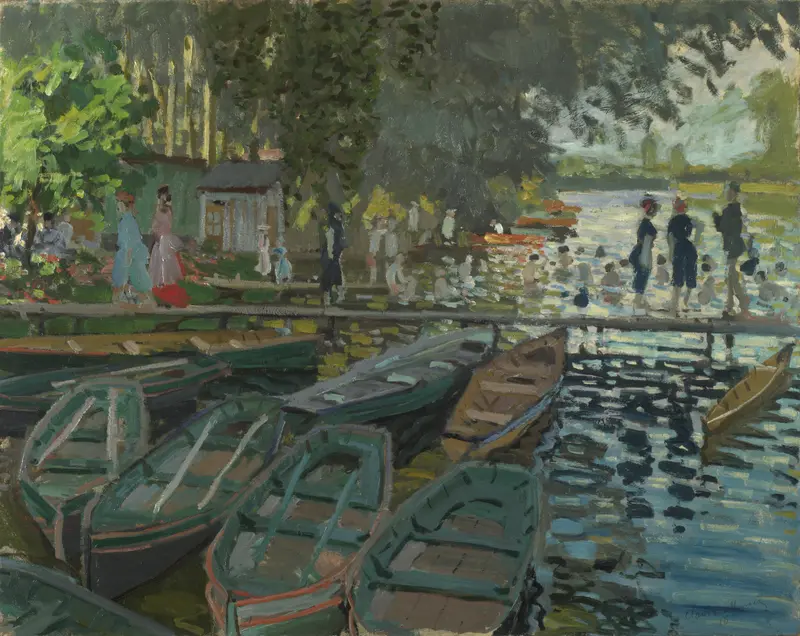
Yes. Painting outdoors, en plein air, became fundamental to Impressionism from about 1860, Tate says, and it spread in the 1870s with the new paints sold in tubes. The National Gallery in London notes that Monet's The Beach at Trouville has grains of sand in the paint, so it was at least partly painted on the beach. Many pictures were still finished indoors: Degas painted L'Absinthe in his studio, and Morisot probably completed Summer's Day there from a watercolor study made at the lake.
Sources: Tate: Plein air · National Gallery: Guide to Impressionism, Paint in tubes · Musée d'Orsay (Google Arts & Culture) · National Gallery
Is Impressionist art in the public domain, and can I download it free?
Yes. Every painter on this page died by 1935 (Claude Monet in 1926), so their paintings are in the public domain in the United States and in countries where copyright ends 70 years after the artist's death. A faithful copy of a public-domain work gains no new copyright, so you can download these images free and use them for anything, including commercial projects. A few countries have their own rules on photographs of artworks, so check them if you publish outside the U.S.
Sources: Cornell University Library: Copyright Term and the Public Domain · National Gallery: Claude Monet · Art Institute of Chicago: New York Street (Hassam)
How we chose the famous paintings
The famous paintings on this page are the Impressionist paintings known most widely around the world, measured by the number of languages that have an encyclopedia entry about each one, checked in November 2026. No painter has more than three of them, which is why more of Monet's water lilies appear in their own row further down. Monet's Water Lilies are a series of about 250 canvases, so we show one of them.
We include paintings that the holding museum, Wikidata or our own catalogue classes as Impressionist. We count Édouard Manet with the Impressionists, as our catalogue does, although he never showed at their group exhibitions; the National Gallery in London calls him the elder statesman of the Impressionists. Paul Cézanne and Paul Gauguin, who are usually counted as Post-Impressionists, appear only with paintings they showed at an Impressionist exhibition.
Dates, sizes and locations come from the museums' own records and from Wikidata.
Spotted a mistake? Tell us and we will correct it.