
1928 advertisement poster - Zenith — History & Facts
A burst of red wings and a sweep of white clock face seize the eye, pulling it into the drama of 1928 advertisement poster - Zenith. The figure—part myth, part messenger—leans forward, his beard and robes caught in a wind that seems to blow straight out of the future. He balances atop a gleaming pocket watch, the hands frozen just before midnight, as if time itself is held in suspense.
The watch’s polished surface and crisp Roman numerals catch the light, drawing attention to the brand name “ZENITH” stamped both on the dial and in bold letters below. The black background isolates every detail, making the figure’s urgency and the promise of precision impossible to ignore. This is the language of commercial modernity in 1928, when posters were not just advertisements but public theatre on city walls. Such images were designed to be read in a glance: the winged figure—evoking Mercury or perhaps Father Time—signals speed, reliability, and a touch of the miraculous.
The artist’s choice to bathe the entire figure in a single, unbroken red sets him apart from the cool, metallic watch, creating a tension between human energy and mechanical perfection. The composition’s sharp diagonals and dramatic contrasts are pure Art Deco, a style that promised progress and elegance in every line. Little is recorded about the individual journey of this poster, now preserved in the Gallica Digital Library under the digital ID btv1b9004994q. Yet its existence speaks to a golden age of advertising, when artists like Jean d'Ylen transformed everyday products into icons of aspiration.
In the world of 1920s Paris, such posters were commissioned by manufacturers eager to stand out in the crowded marketplace, their bold colors and mythic figures reflecting a society hungry for innovation and speed. Look again at the figure’s outstretched hand and the tilt of the watch—here, the race against time is not a burden, but a promise.
More Artworks by Jean d'Ylen
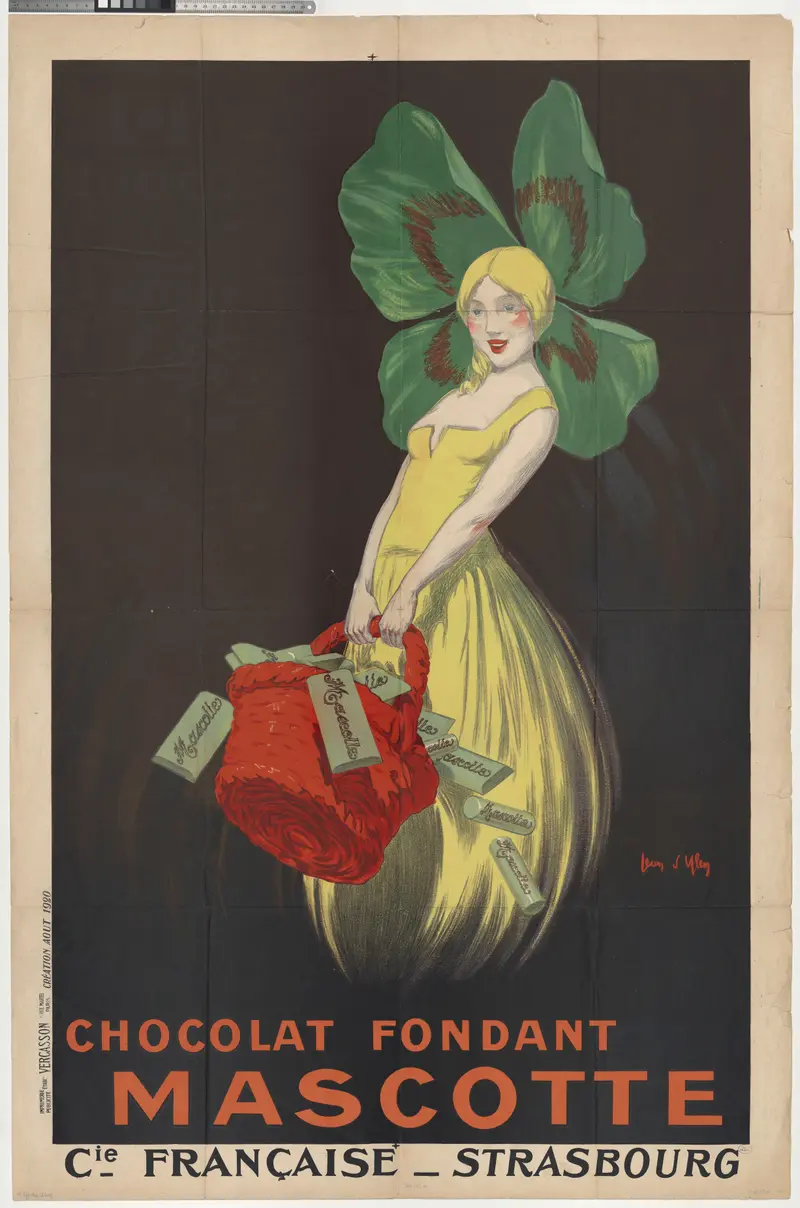
Chocolat fondant Mascotte. Compagnie française, Strasbourg
Jean d'Ylen
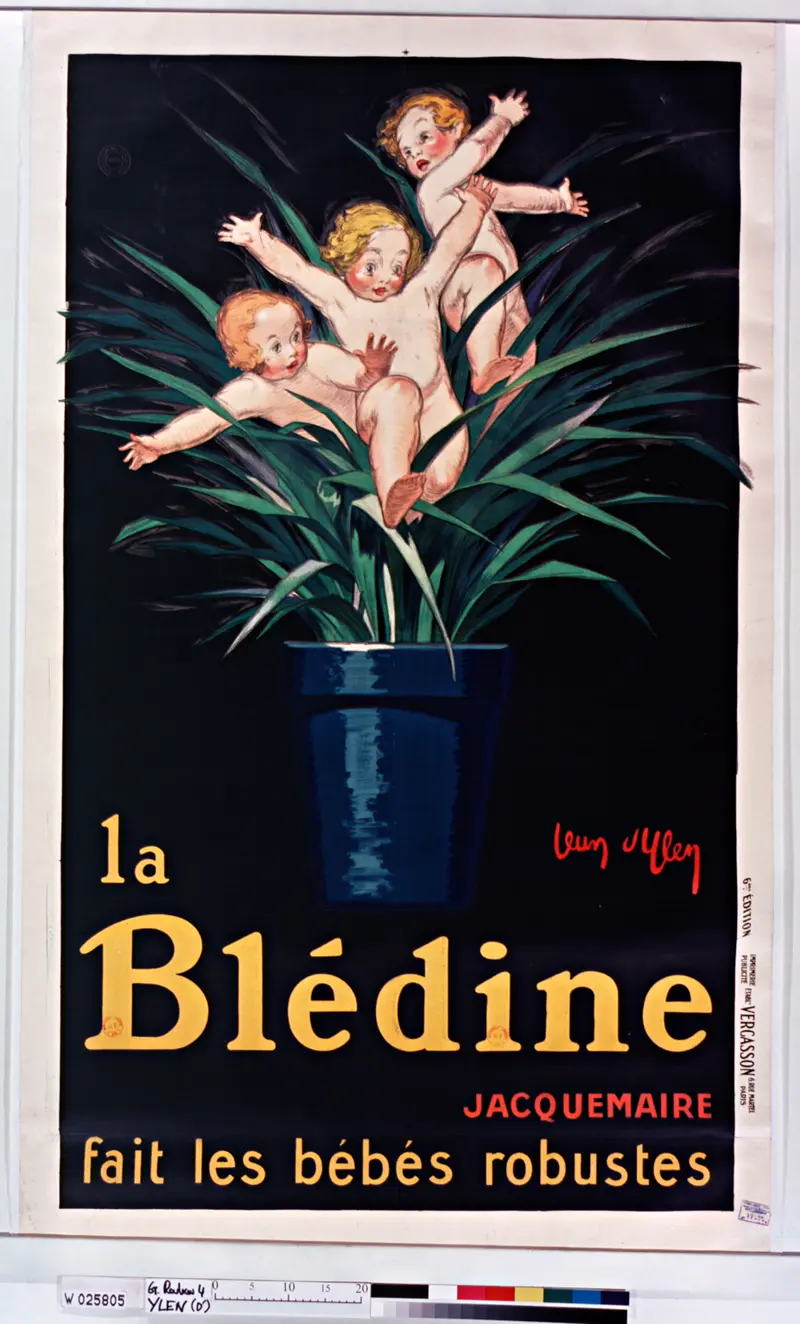
La Blédine Jacquemaire fait les bébés robustes : [affiche] / [Jean d'Ylen]
Jean d'Ylen
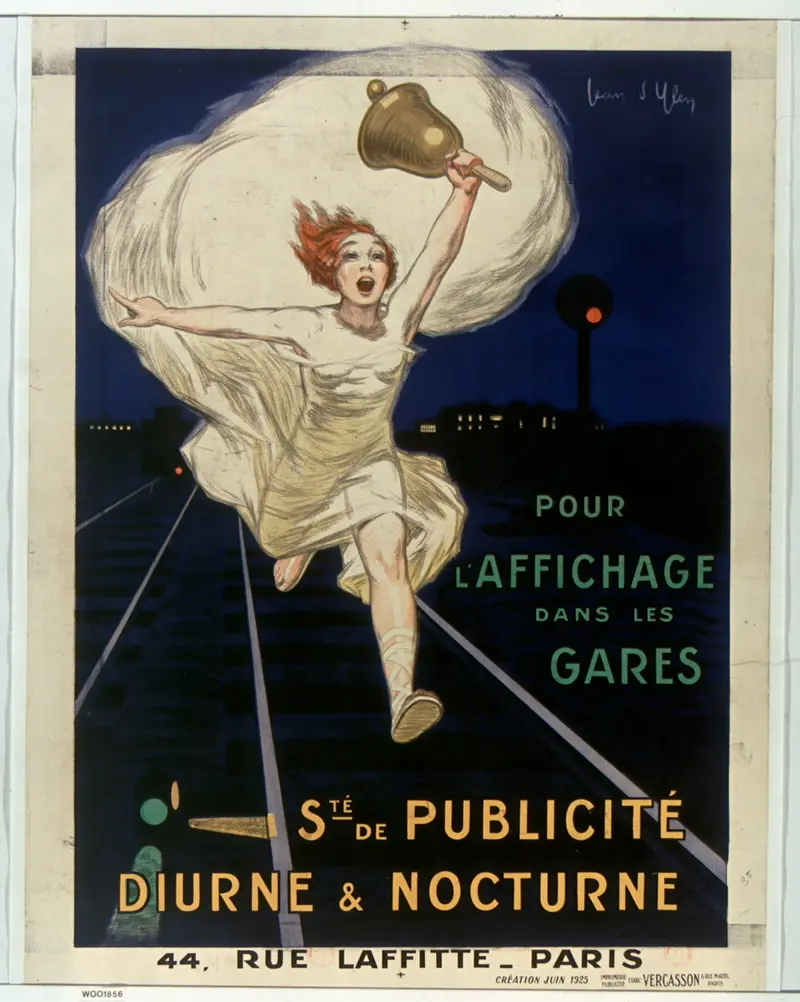
Pour l'affichage dans les gares Sté de publicité diurne et nocturne : [affiche] / [Joan d'Ylen]
Jean d'Ylen
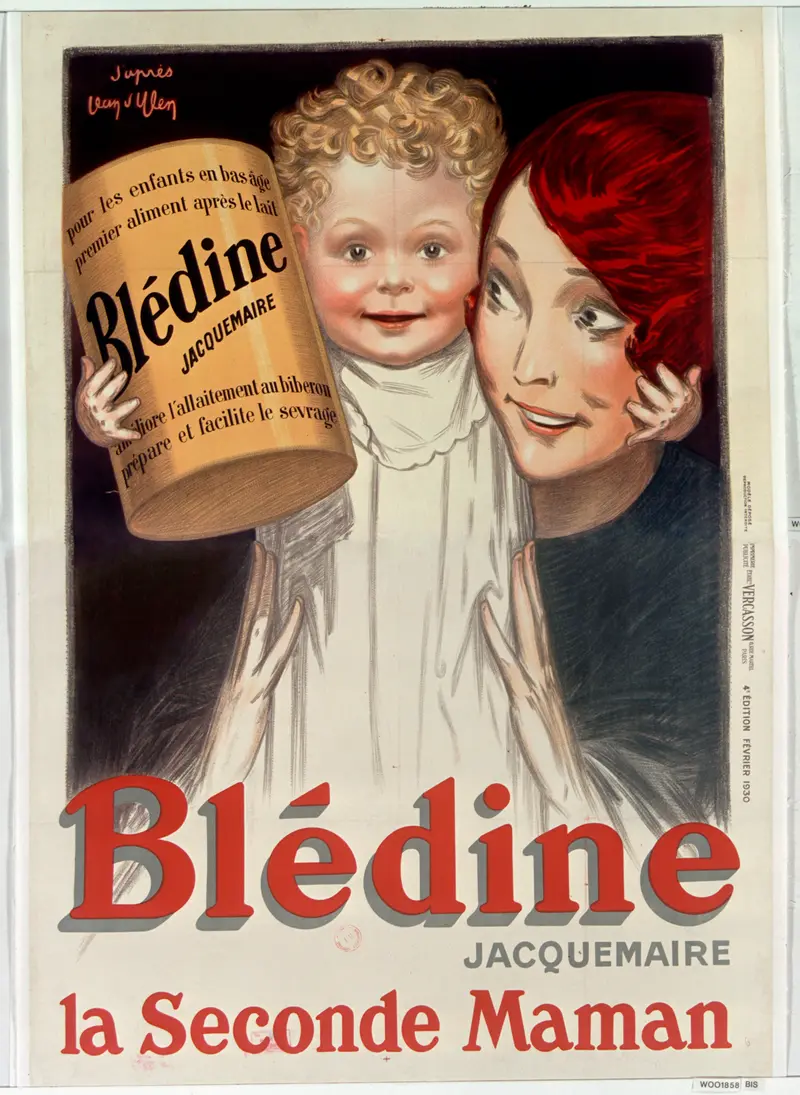
Blédine Jacquemaire la seconde maman : [affiche] / [Jean d'Ylen]
Jean d'Ylen
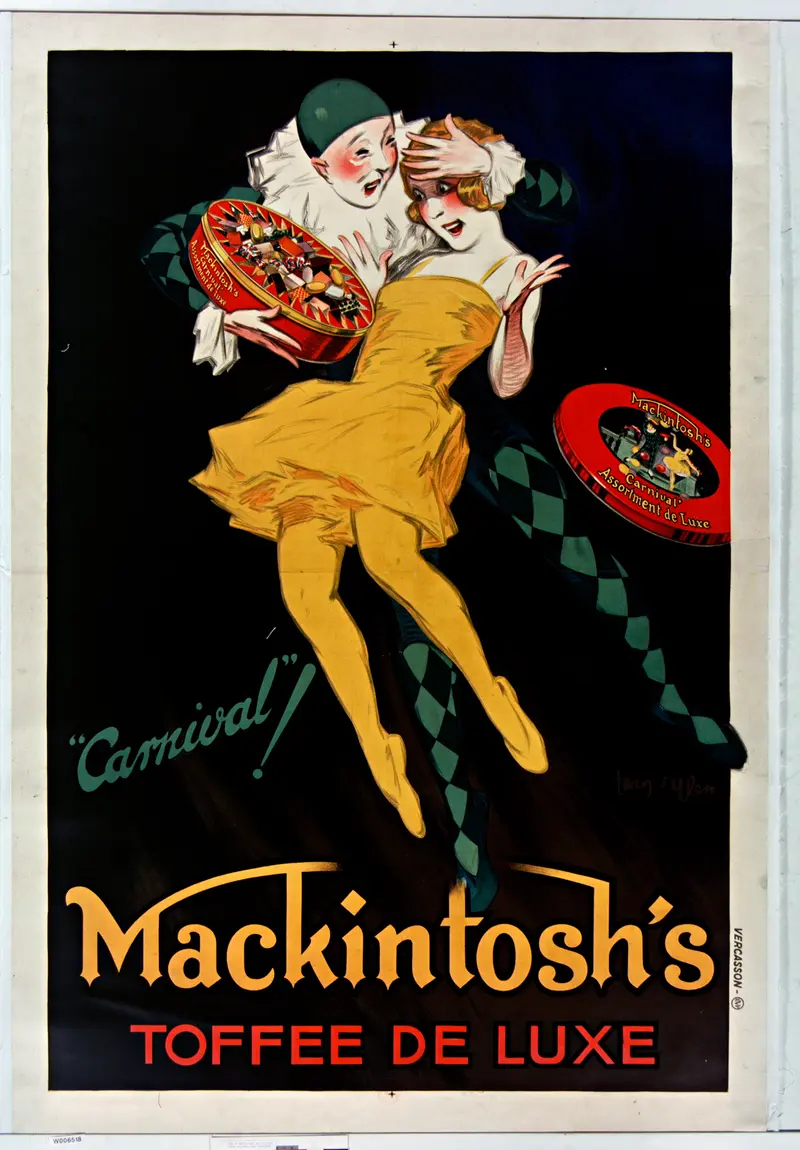
Carnival Mackintosh's, toffee de luxe affiche, Jean d'Ylen
Jean d'Ylen
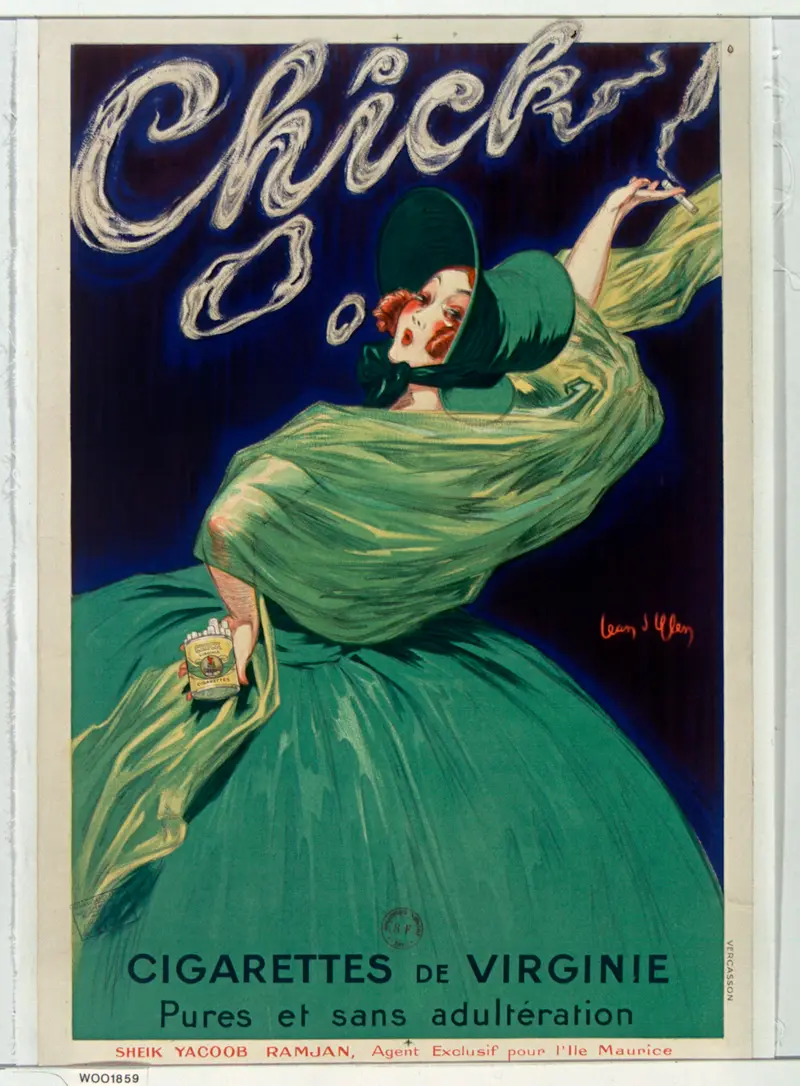
Chick cigarettes de Virginie pures et sans adultération : [affiche] / [Jean d'Ylen]
Jean d'Ylen
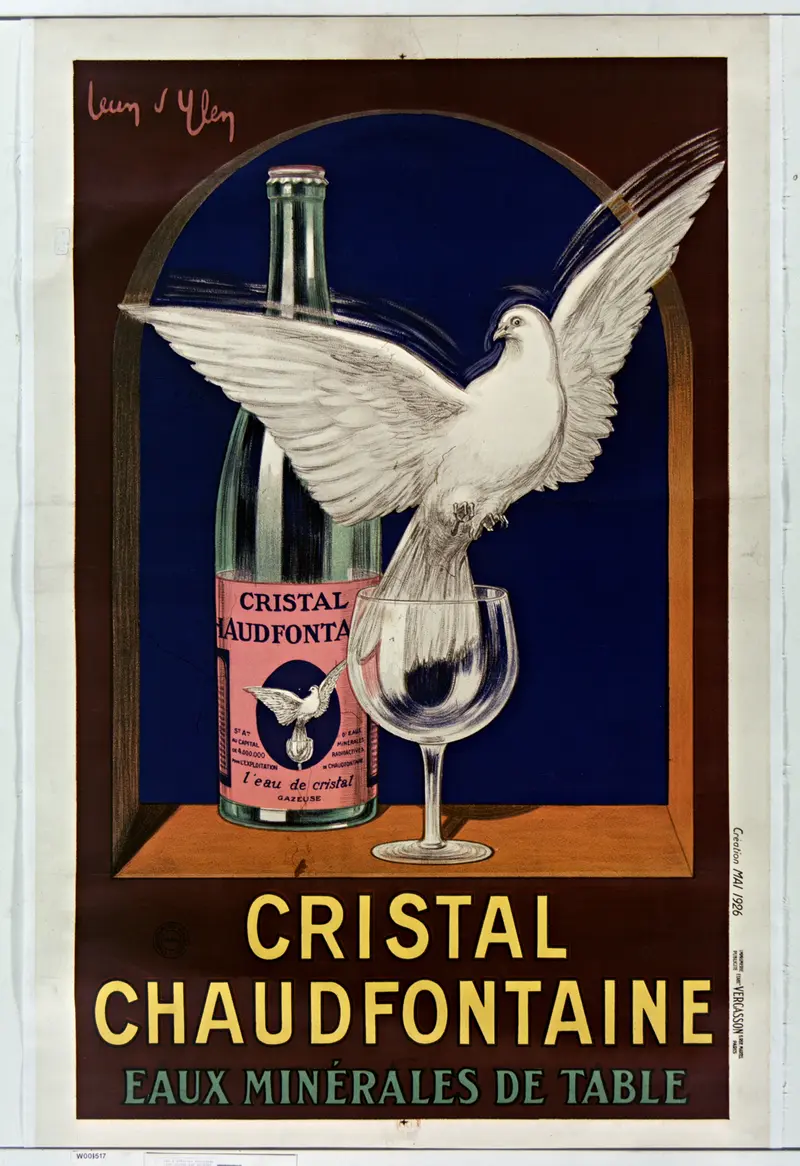
Cristal Chaudfontaine eaux minérales de table affiche, Jean d'Ylen
Jean d'Ylen
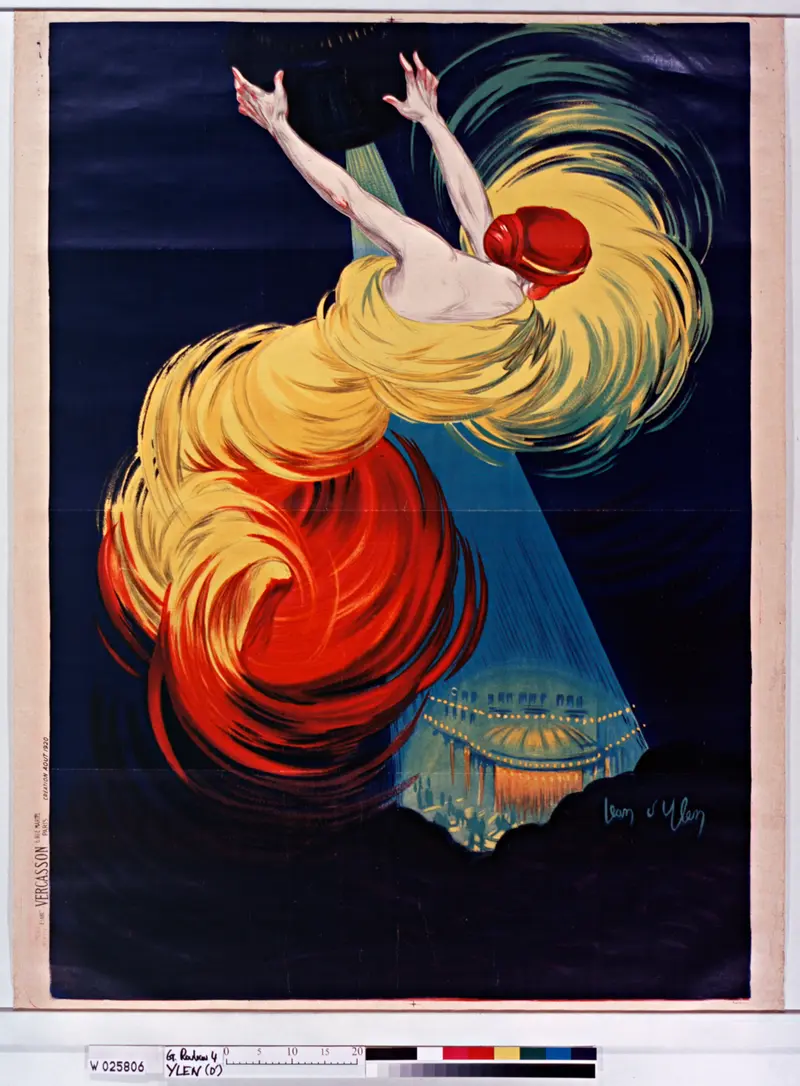
Danse de Moscou : affiche avant la lettre / Jean d'Ylen
Jean d'Ylen
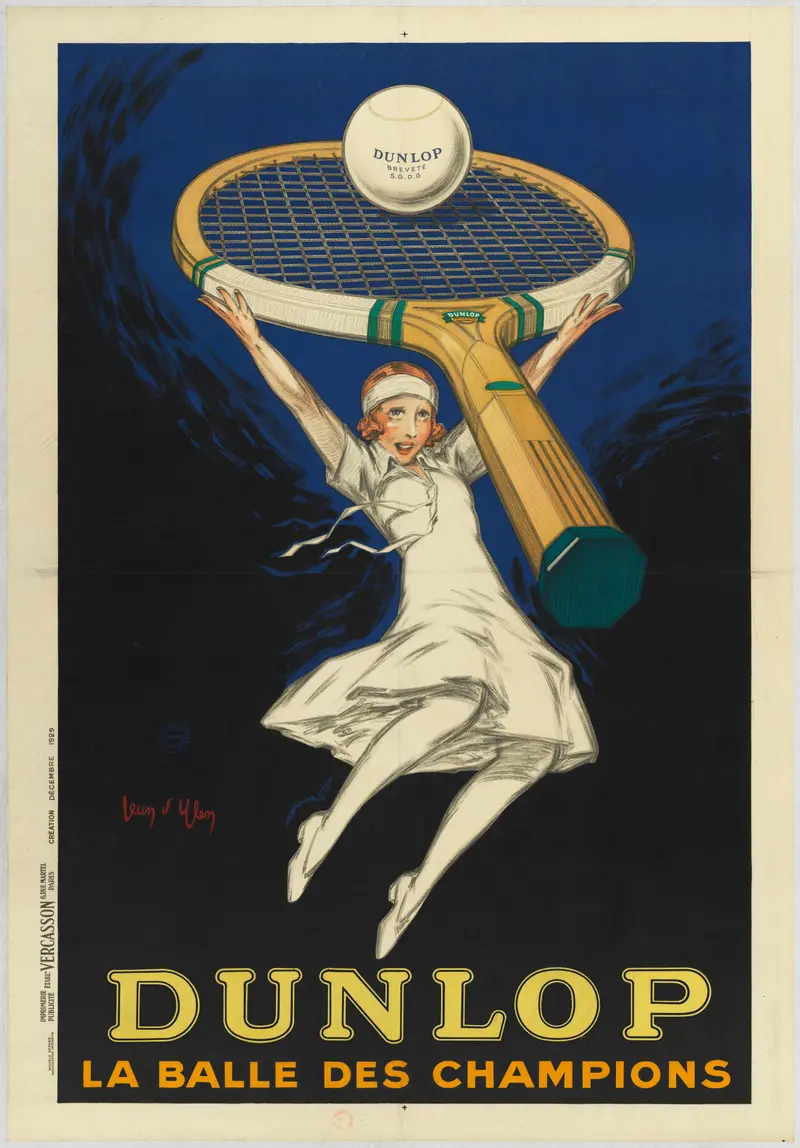
Dunlop la balle des champions : [affiche] / [Jean d'Ylen]
Jean d'Ylen
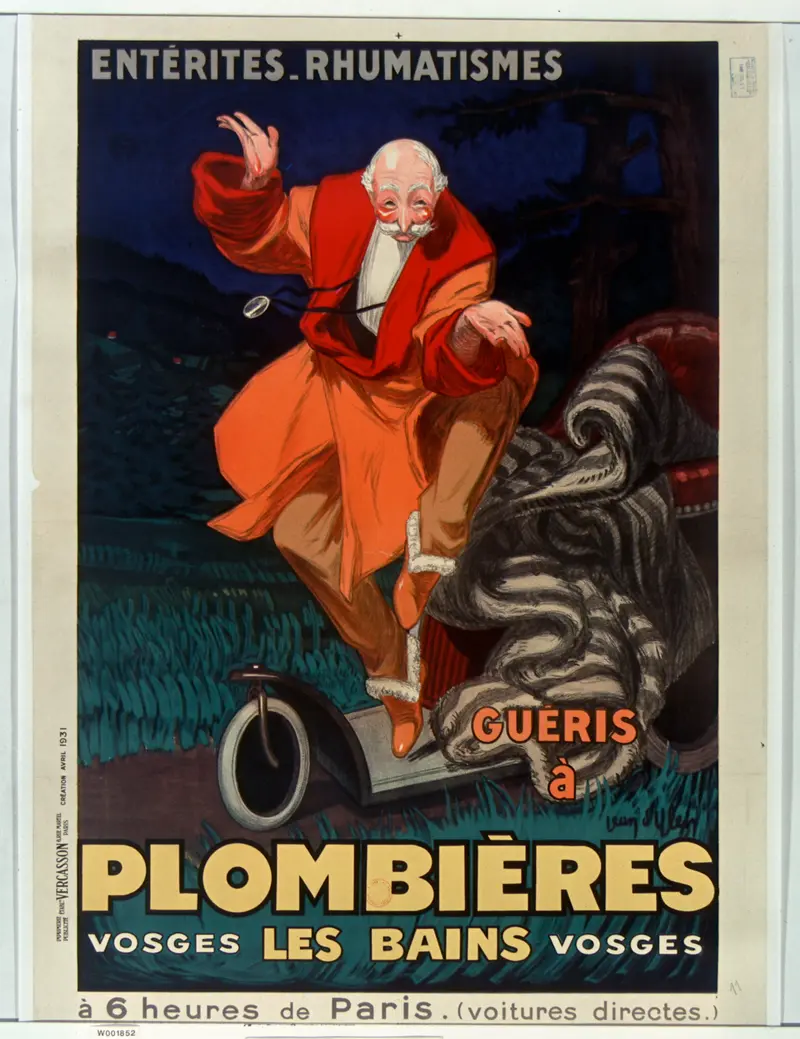
Entérites rhumatismes guéris à Plombières les Bains, Vosges : [affiche] / [Jean d'Ylen]
Jean d'Ylen





