
Art movement · 1920s–1930s · France, Europe and the US
Art Deco Art: Posters, Prints and Paintings
Art Deco is a style of design and decoration that took shape in France before the First World War and flourished in the 1920s and 1930s across Europe and the United States. It is named after the 1925 International Exhibition of Modern Decorative and Industrial Arts in Paris, and it favored geometric forms, vibrant color and luxury, drawing on Cubism, ancient Egyptian art and modern ships, trains and cars. Its poster artists include Leonetto Cappiello, Roger Broders, Jean d'Ylen and Edward McKnight Kauffer.
Posters sold aperitifs, cars and train journeys to the Riviera, and magazines such as the Gazette du Bon Ton printed the latest Paris fashions in hand-stenciled color. The best-known Art Deco painter, Tamara de Lempicka, died in 1980, so her paintings are still in copyright and we do not show them.
Browse 237 Art Deco posters, prints and paintings below, all public domain and free to download.
Selected and written by Pavel MazuelasUpdated November 5, 2026
Part of Art Movements and Painting StylesRelated: De Stijl, Modernism, Famous Illustrations
All Art Deco posters, prints and paintings
Posters for drinks, cars, trains and resorts, magazine covers, fashion plates and illustrations. All public domain, free to download.

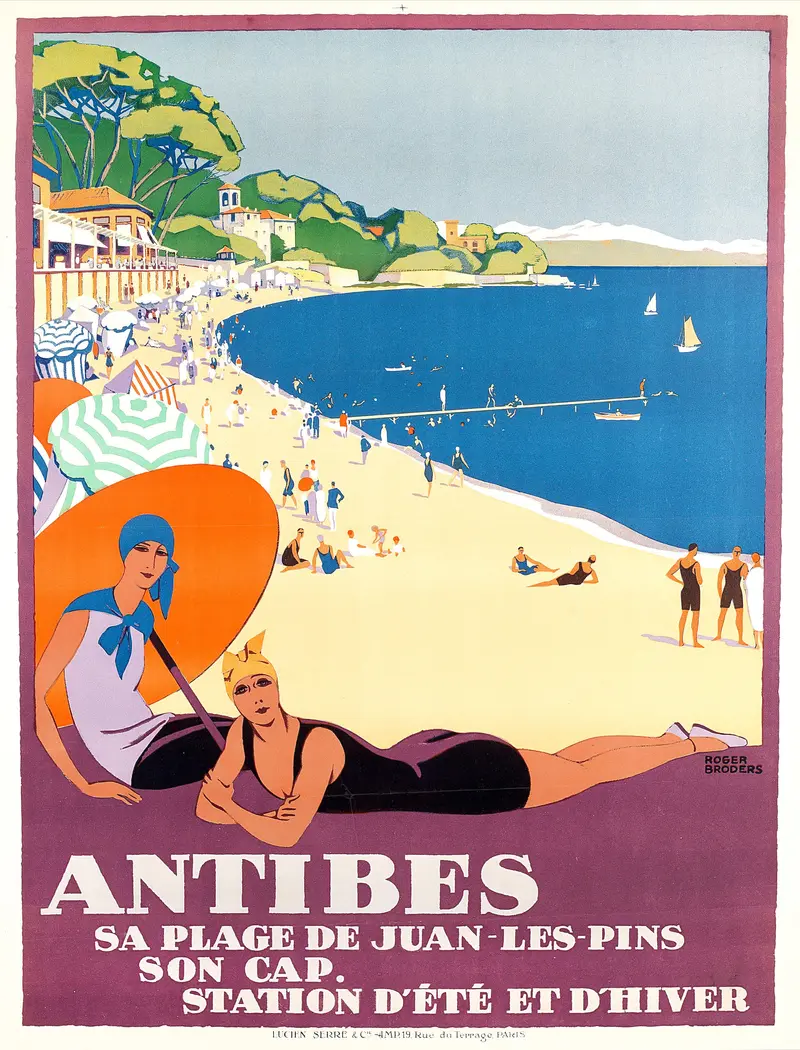
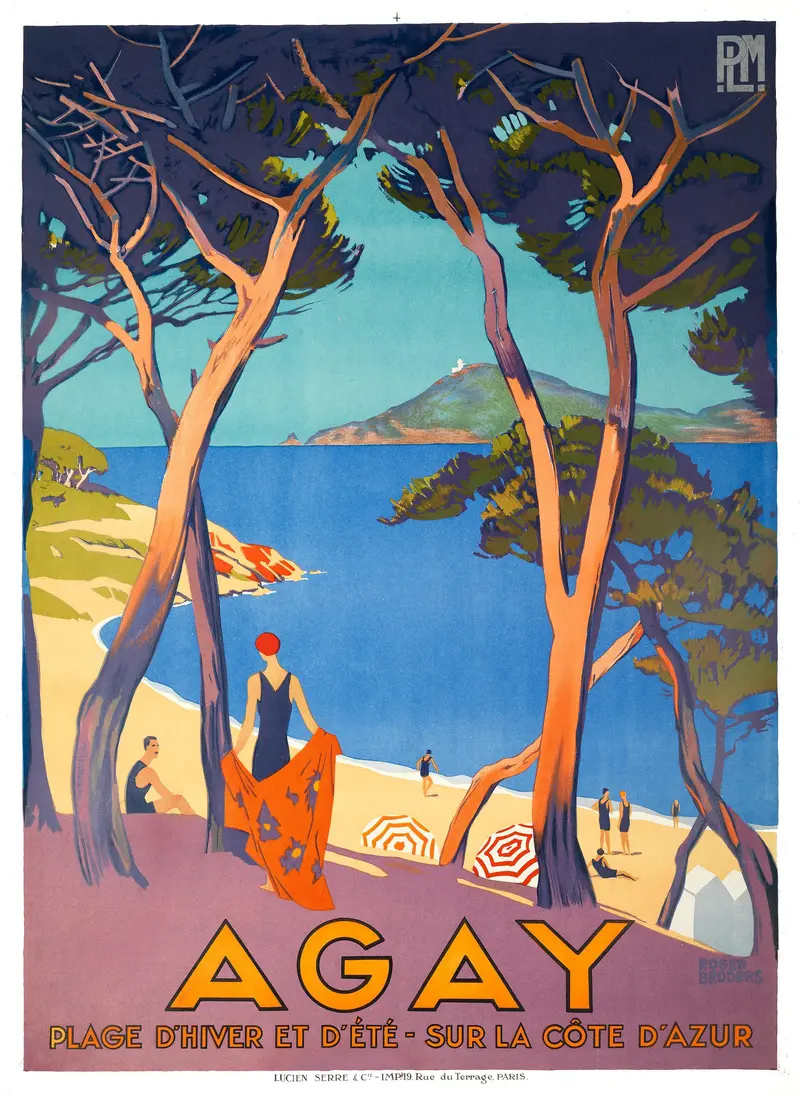
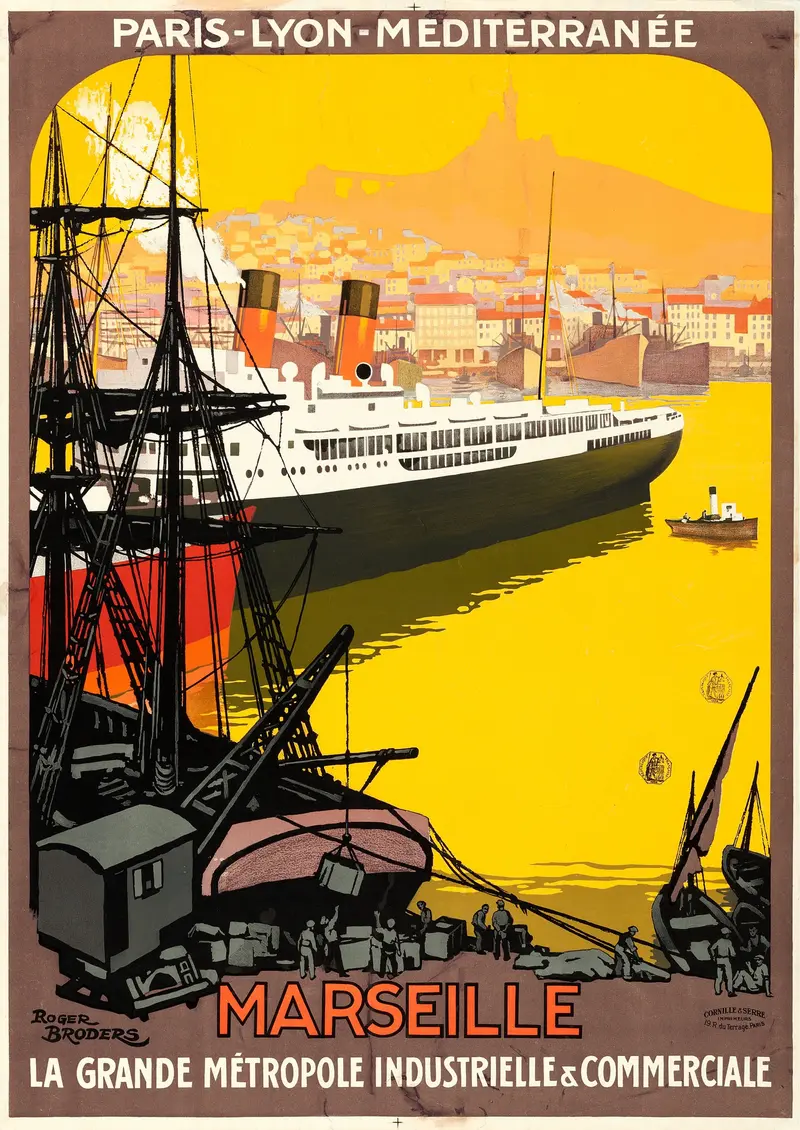
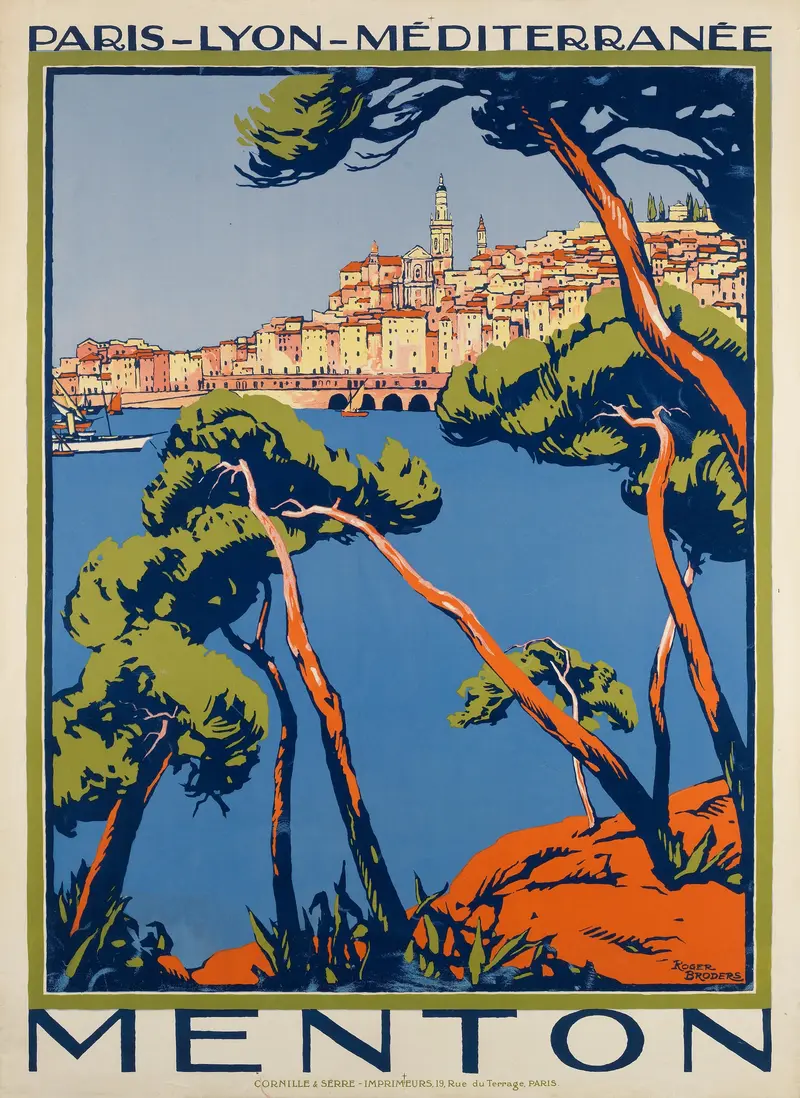
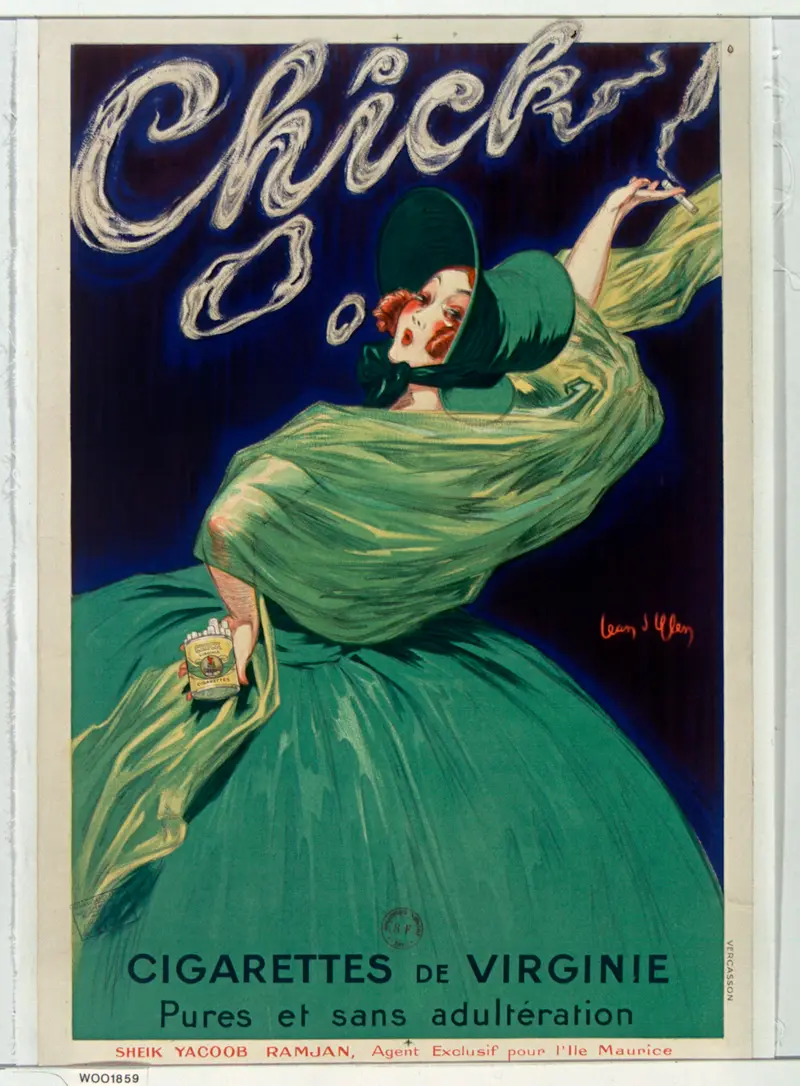
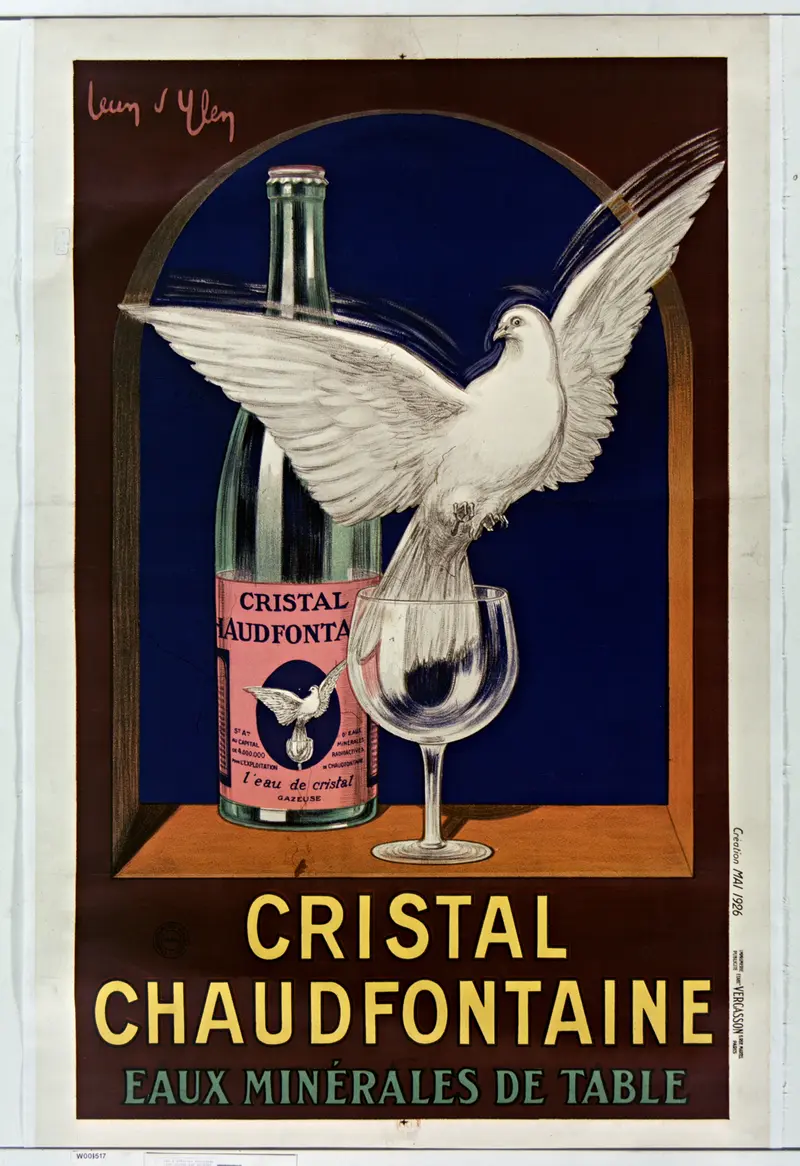
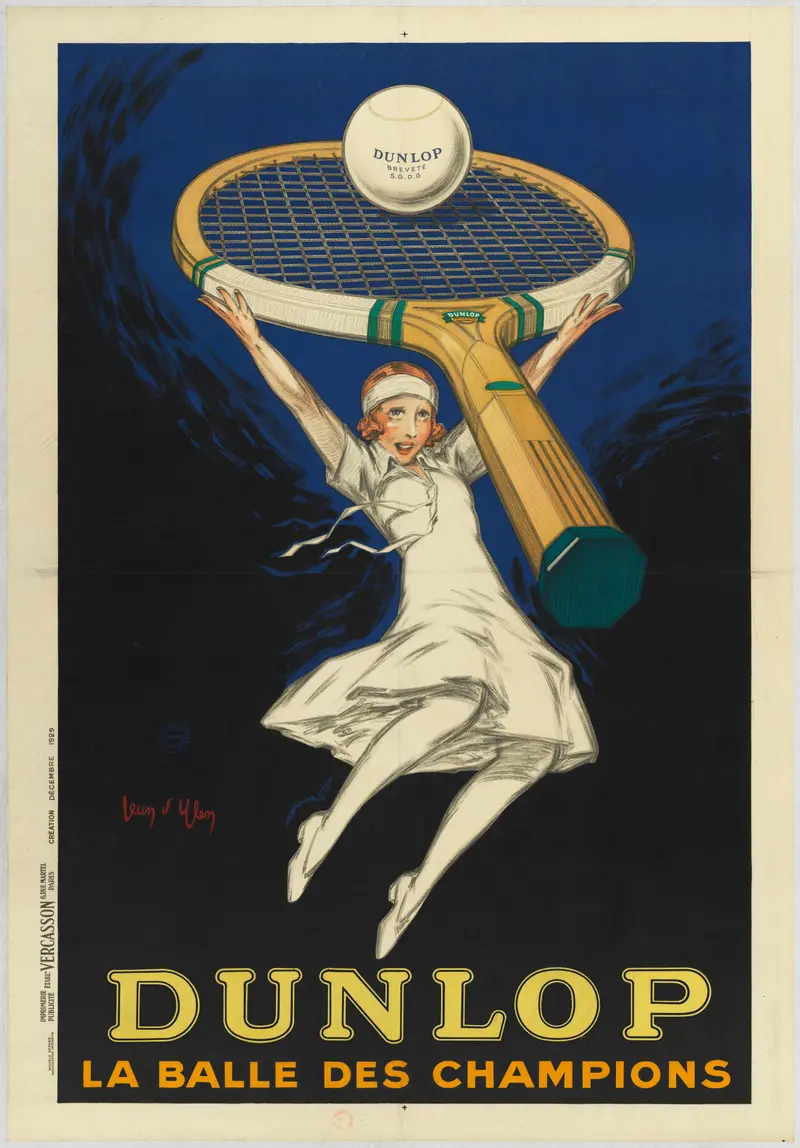
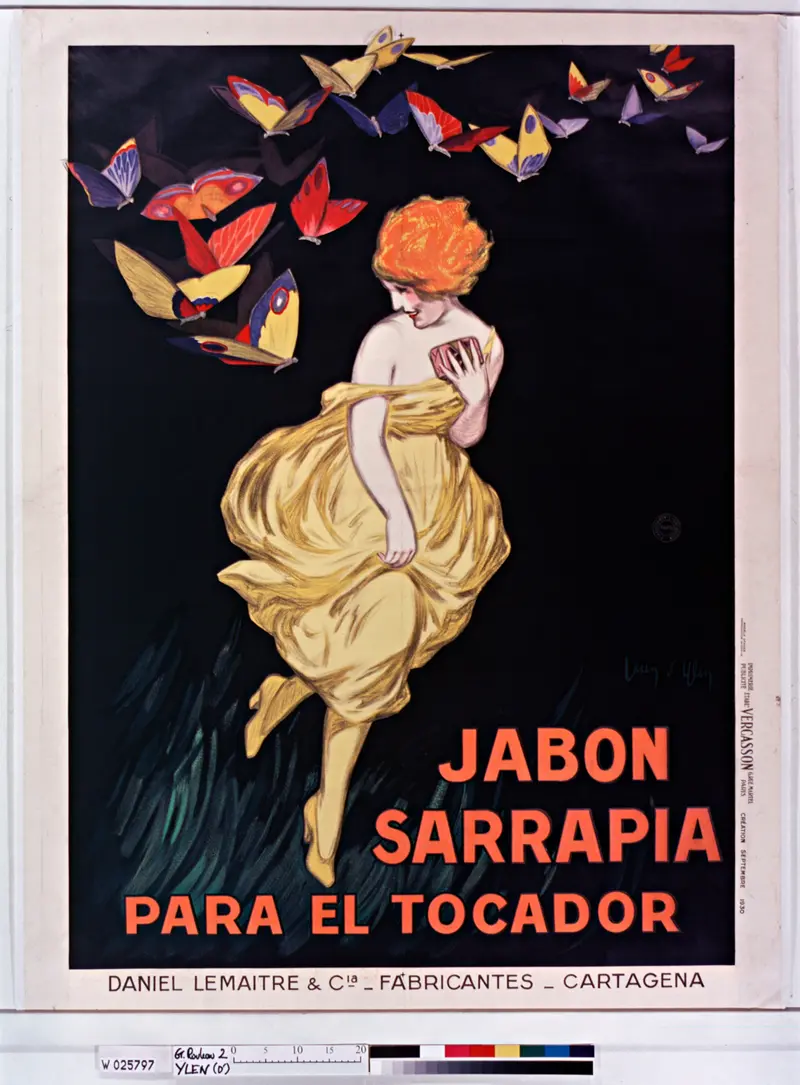
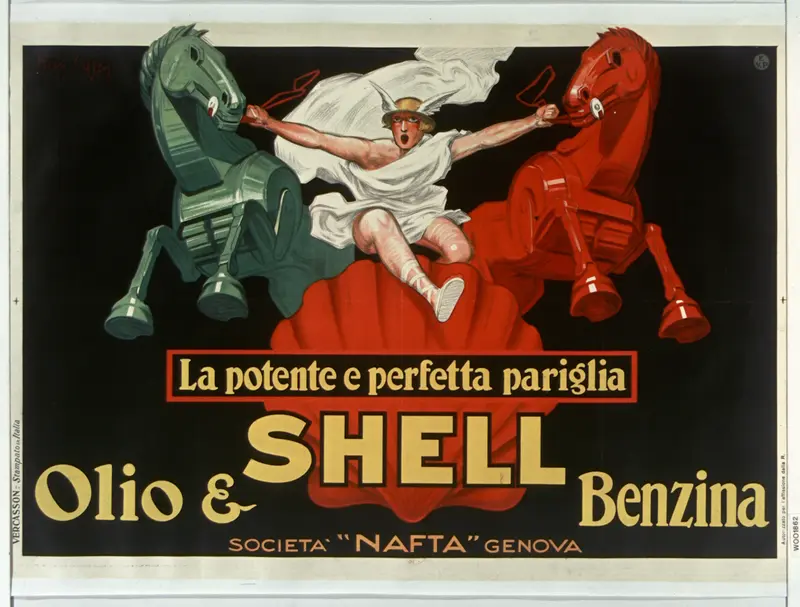
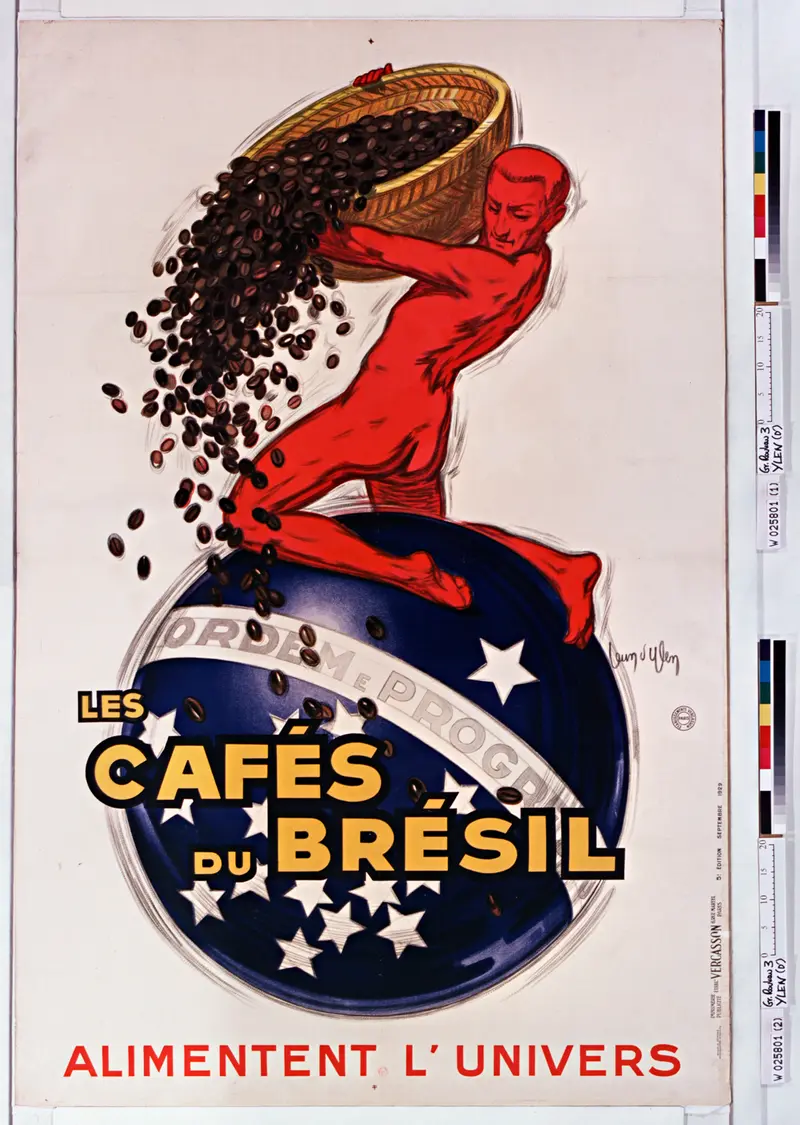
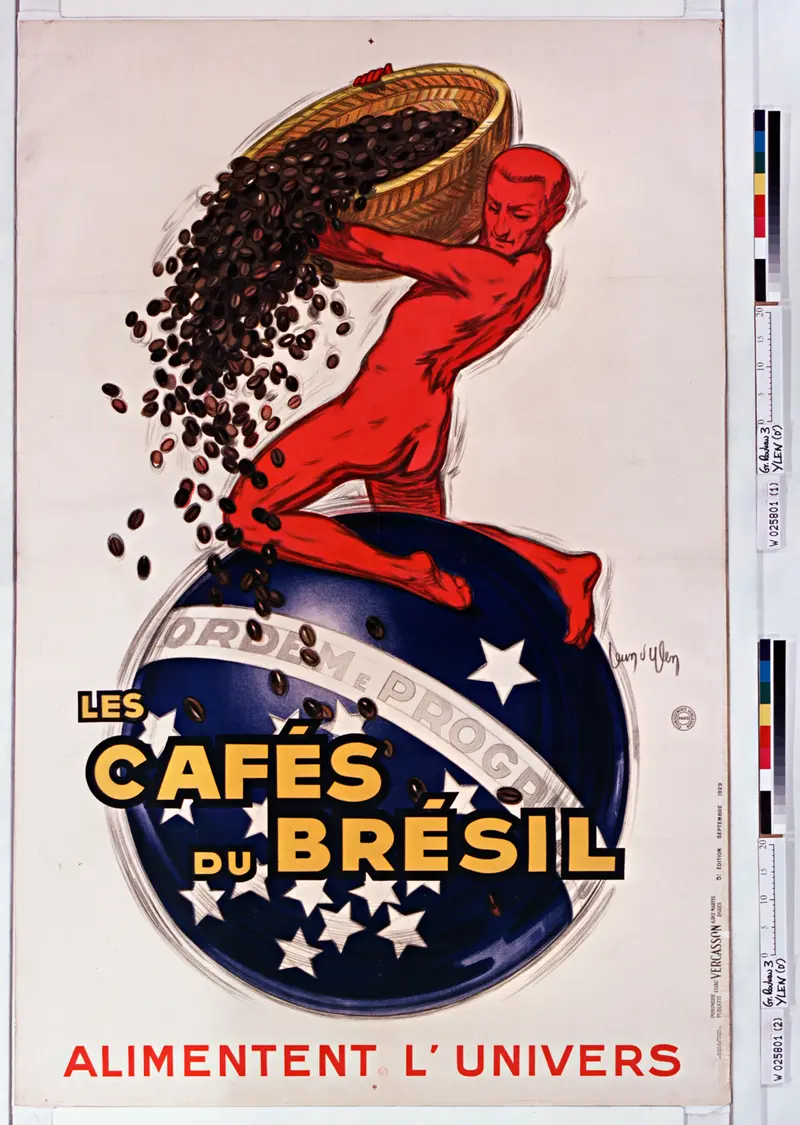
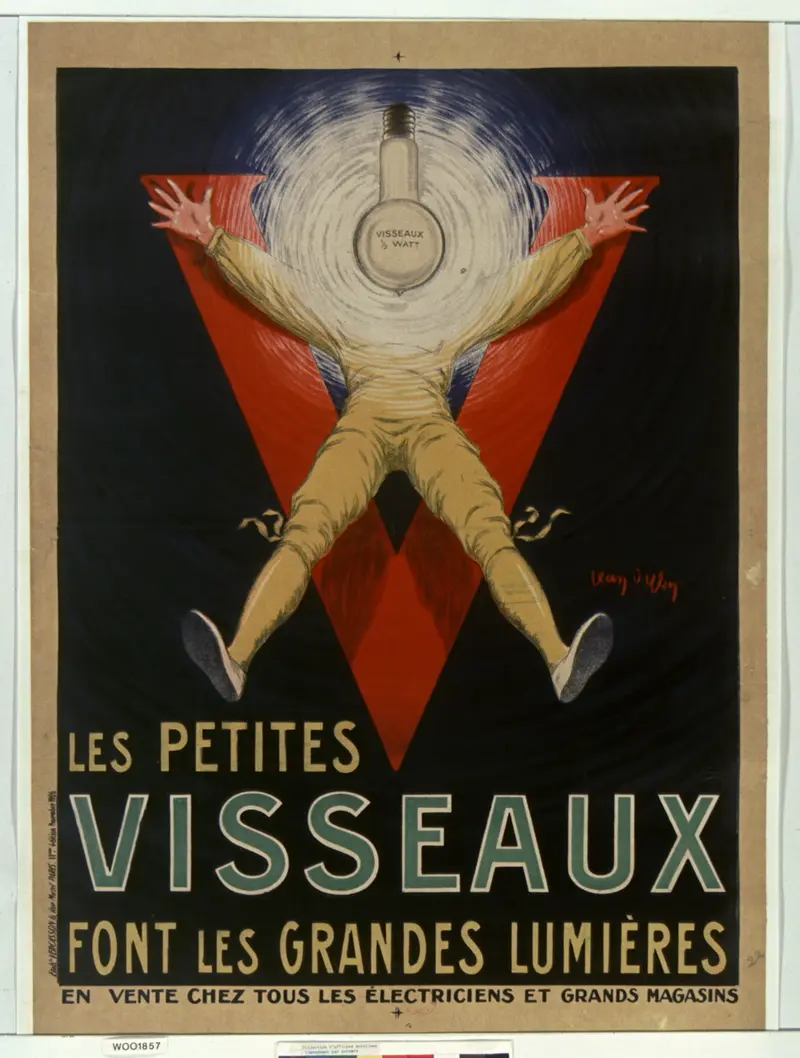


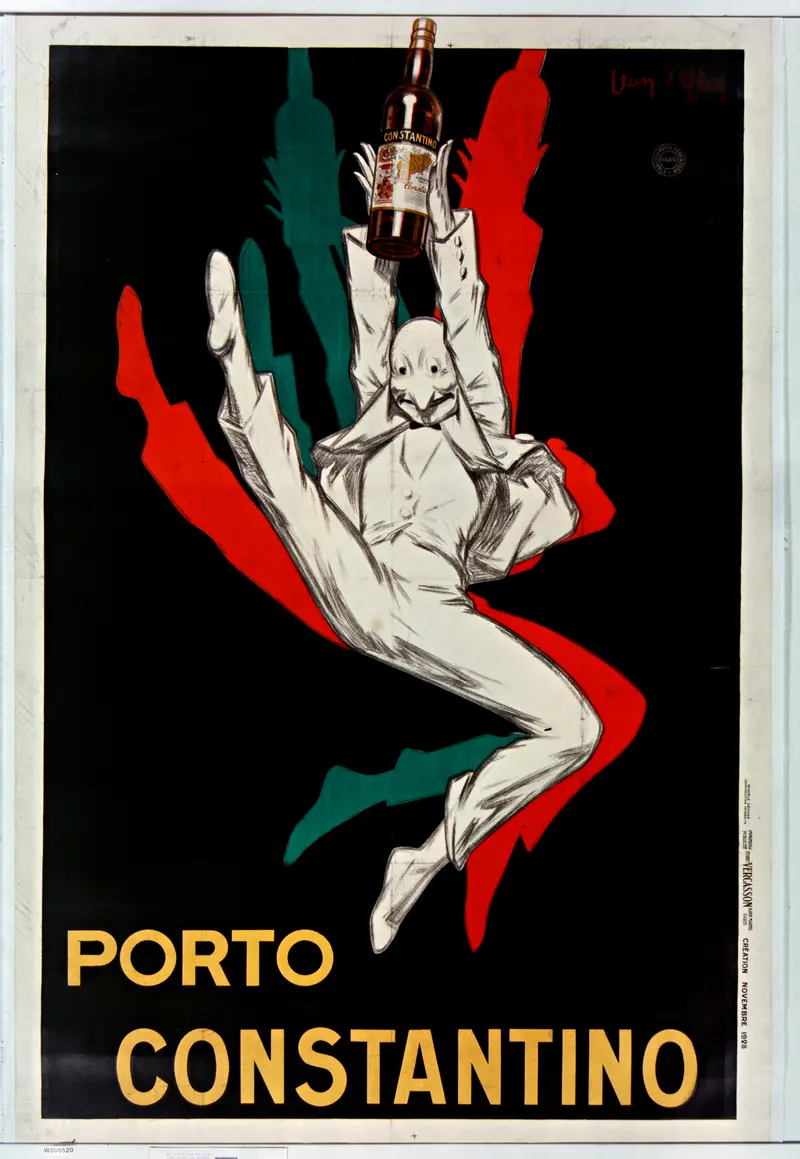
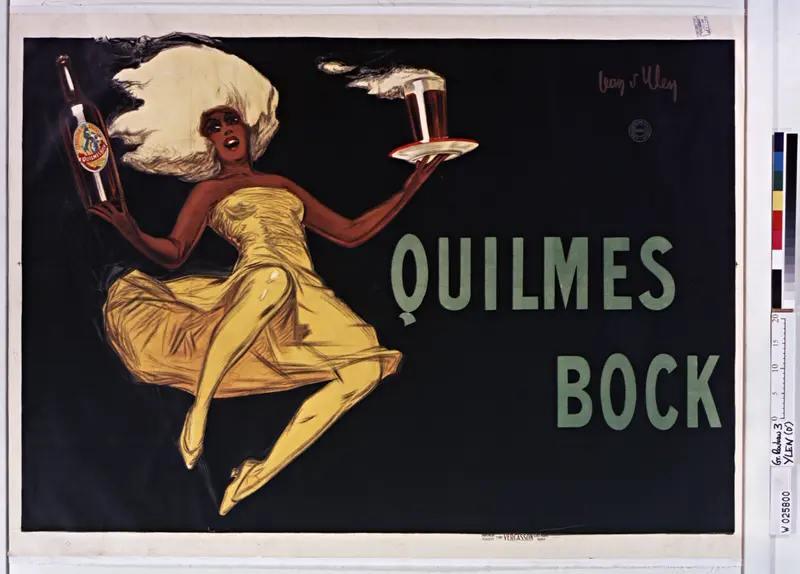
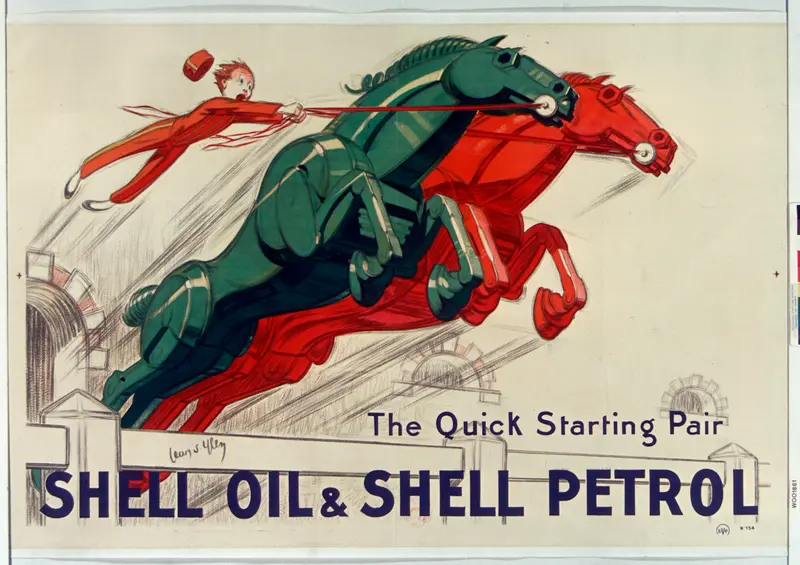
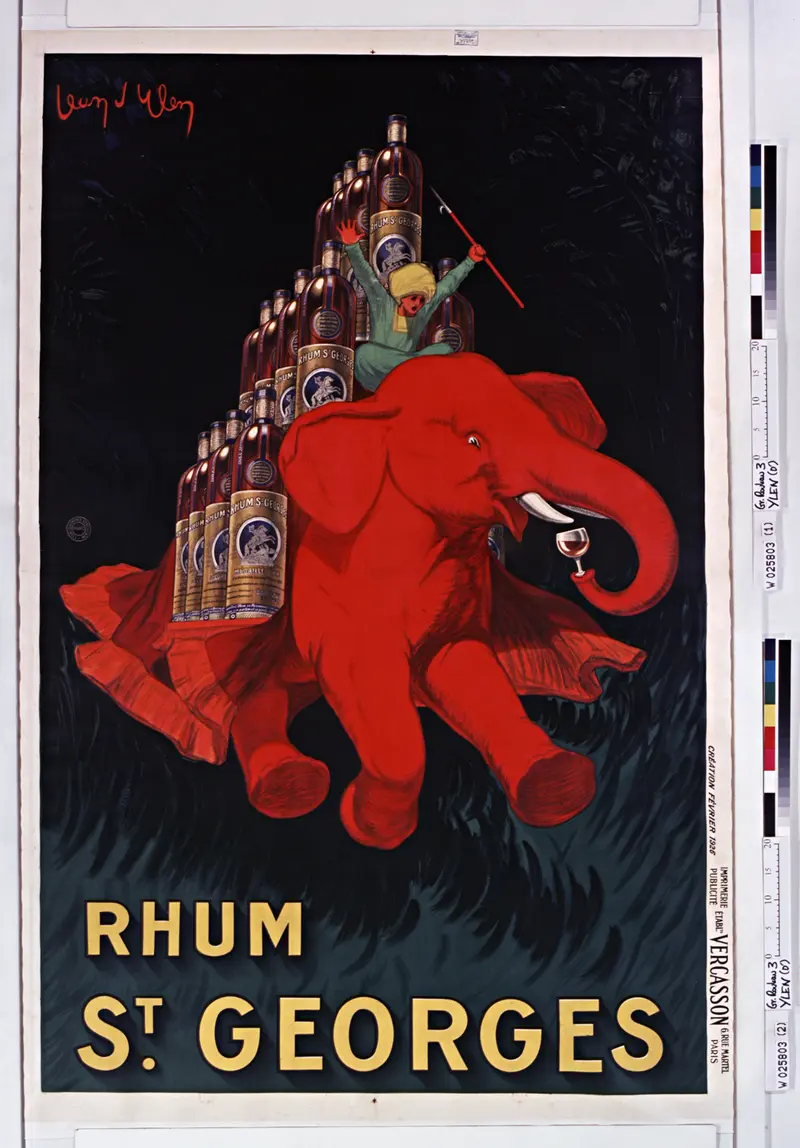
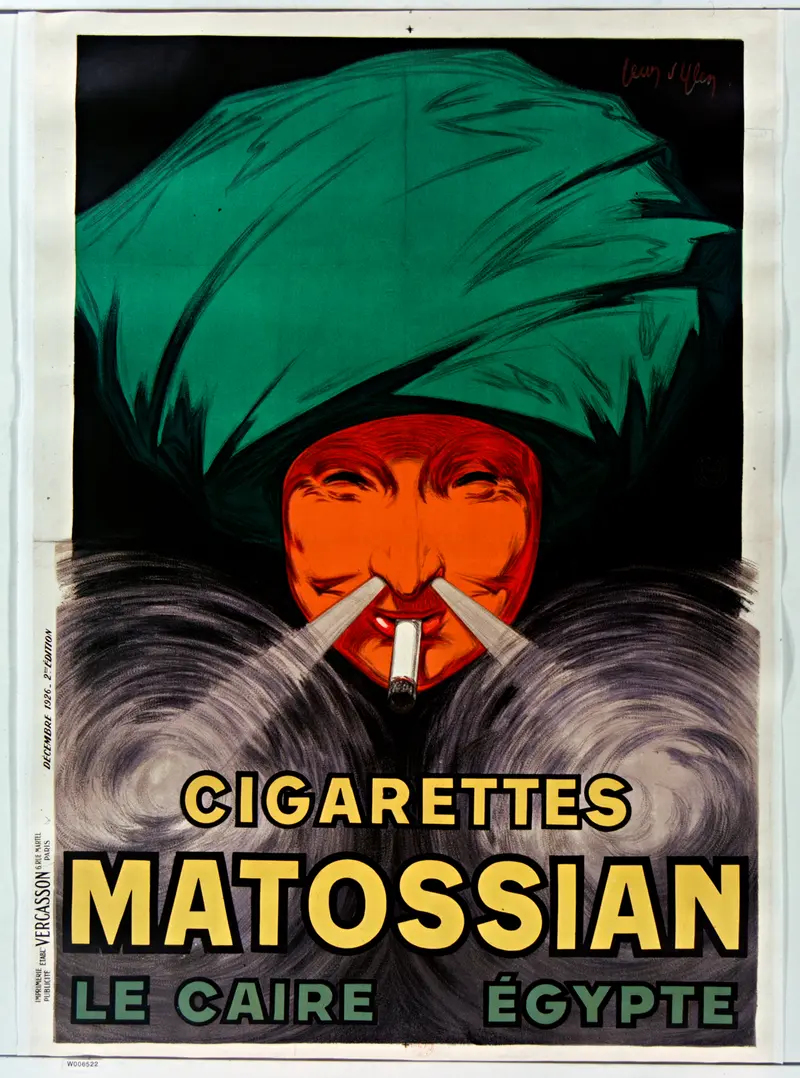
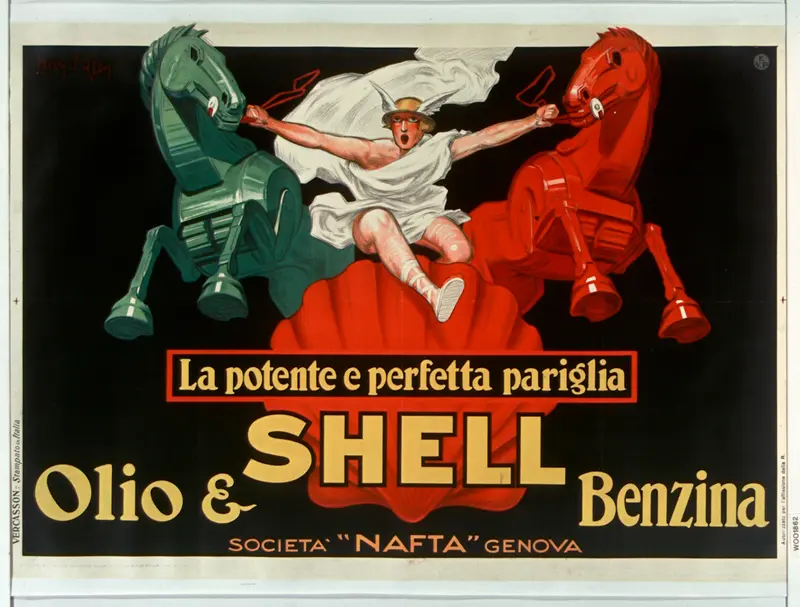
Famous Art Deco posters and prints
Art Deco posters and fashion prints with the strongest museum and library records, from railway and drink posters to the plates of the Gazette du Bon Ton. Click any work to see it up close and download it free.
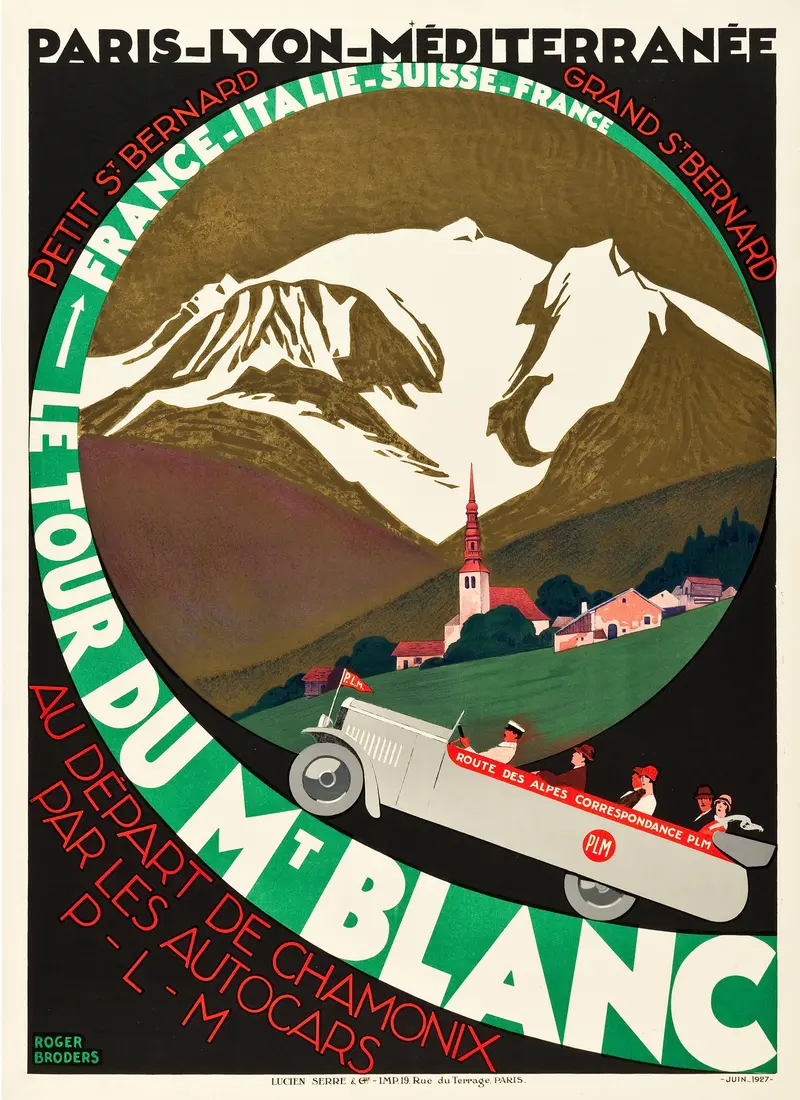 Le Tour du Mont BlancRoger Broders
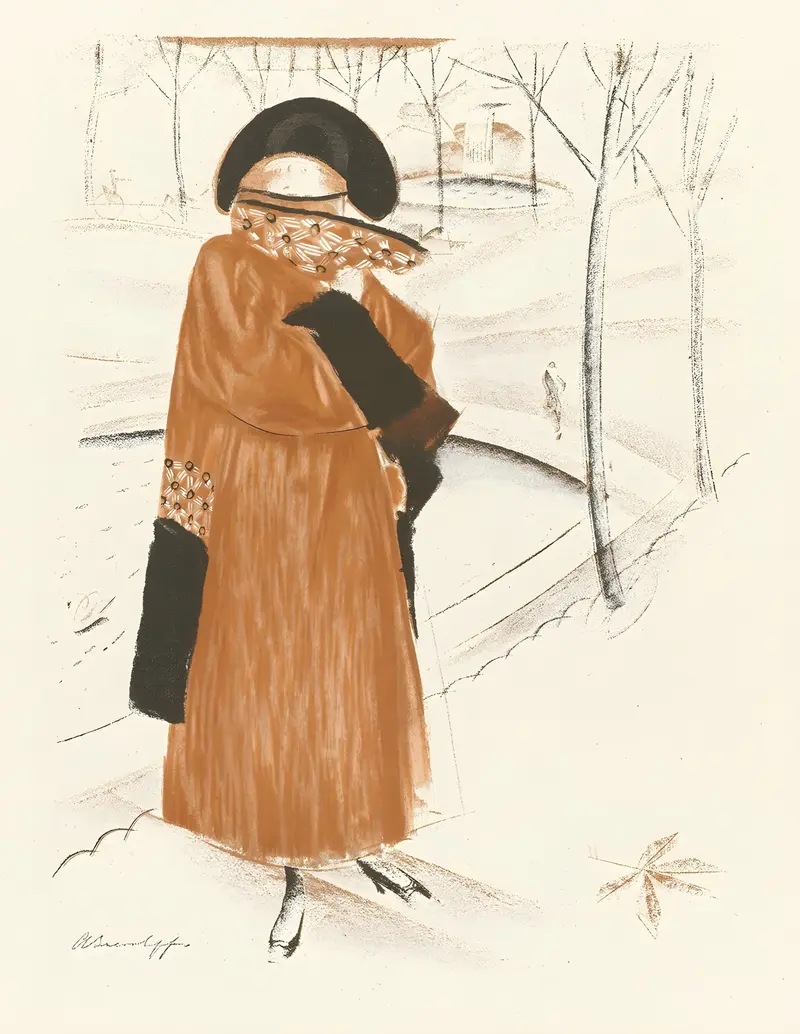 L'Heure du rendez-vous (Gazette du Bon Ton)Alexandre Jacovleff
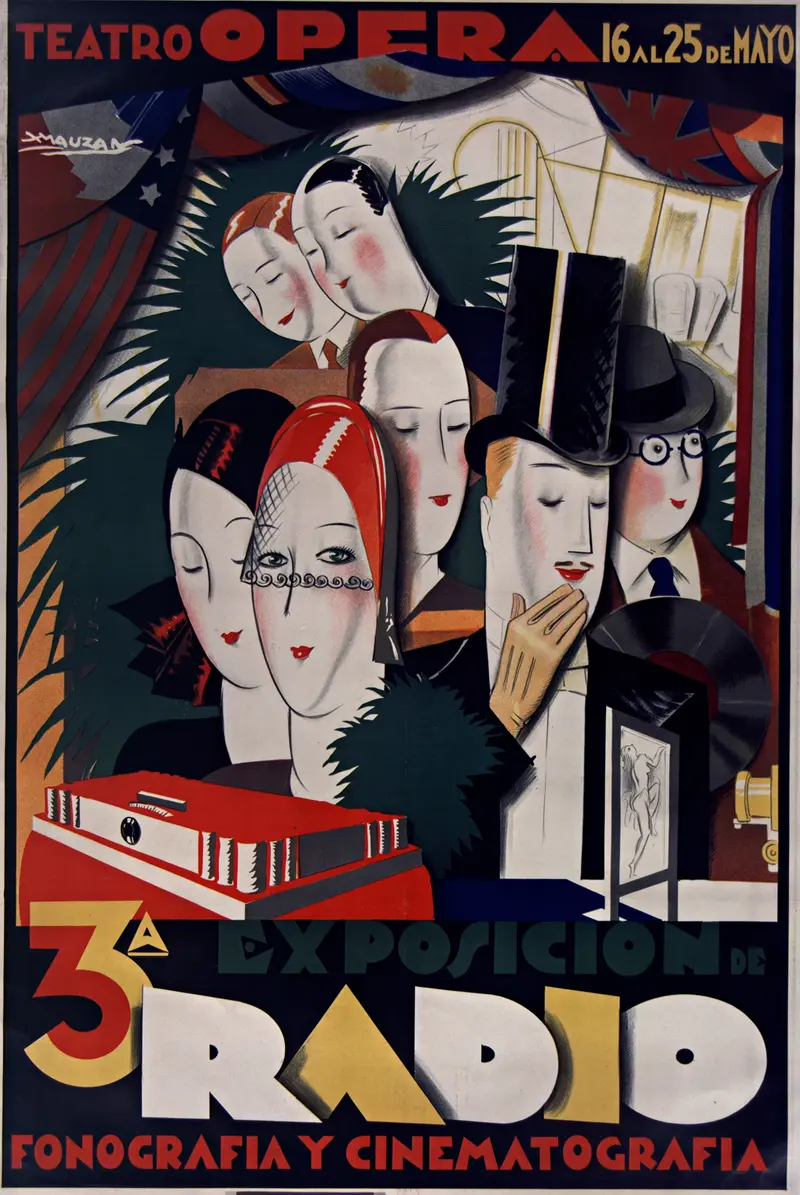 Teatro Ópera, Third Radio ExhibitionAchille Mauzan
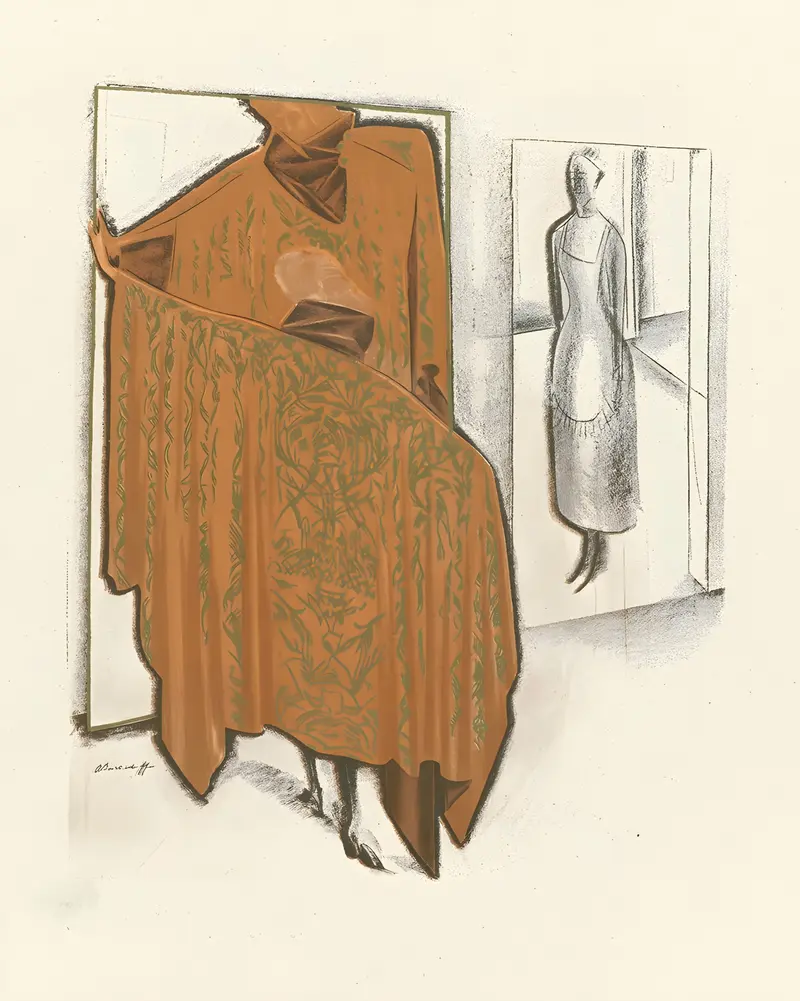 Effet de glace (Gazette du Bon Ton)Alexandre Jacovleff
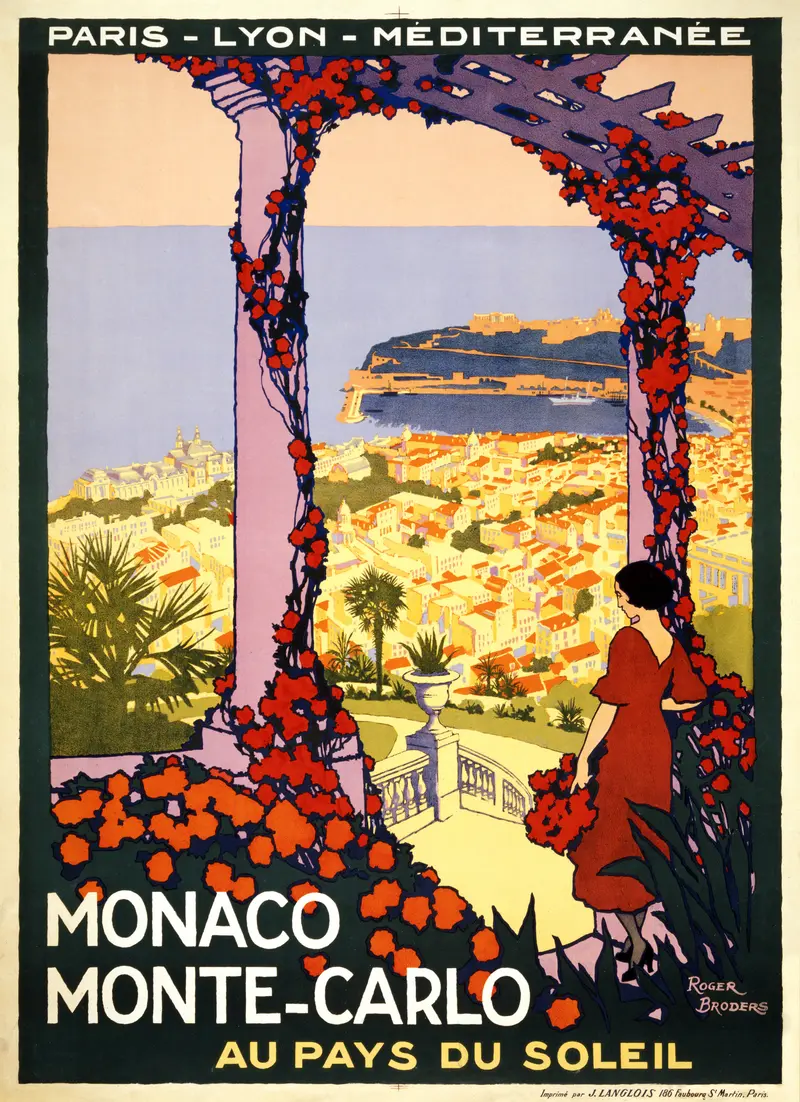 Monaco, Monte-Carlo, in the Land of the SunRoger Broders
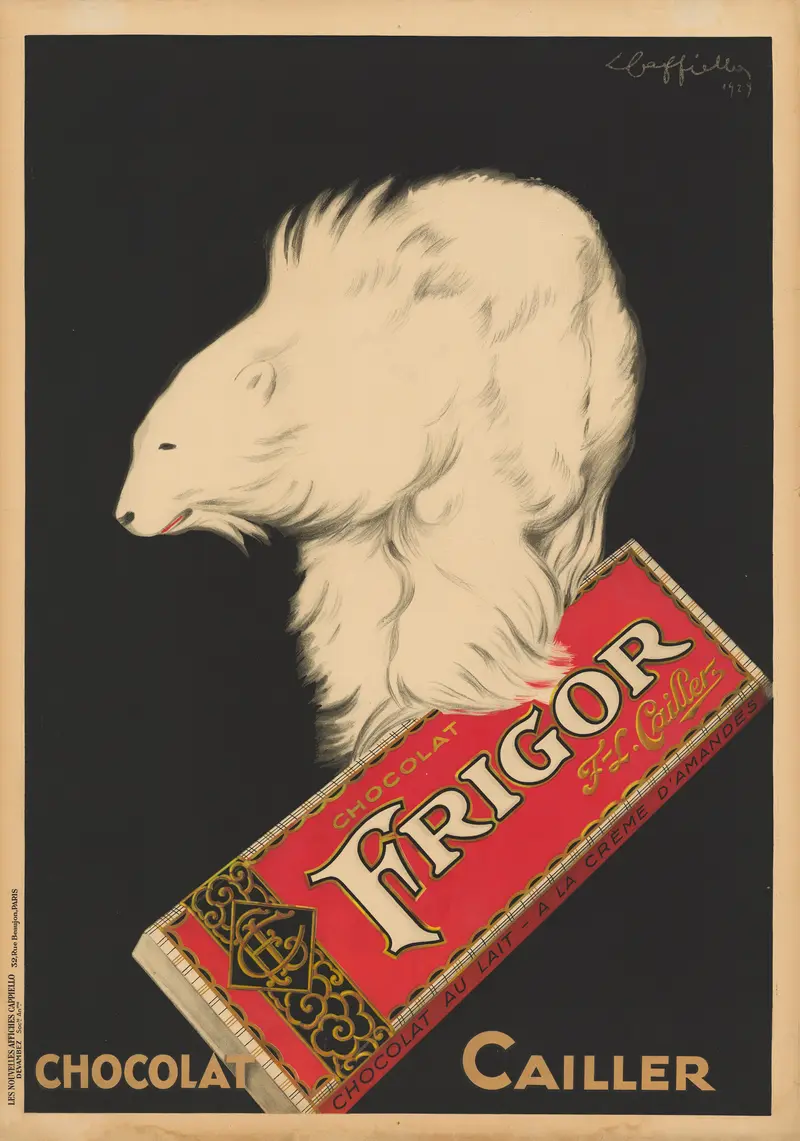 Frigor, Chocolat CaillerLeonetto Cappiello
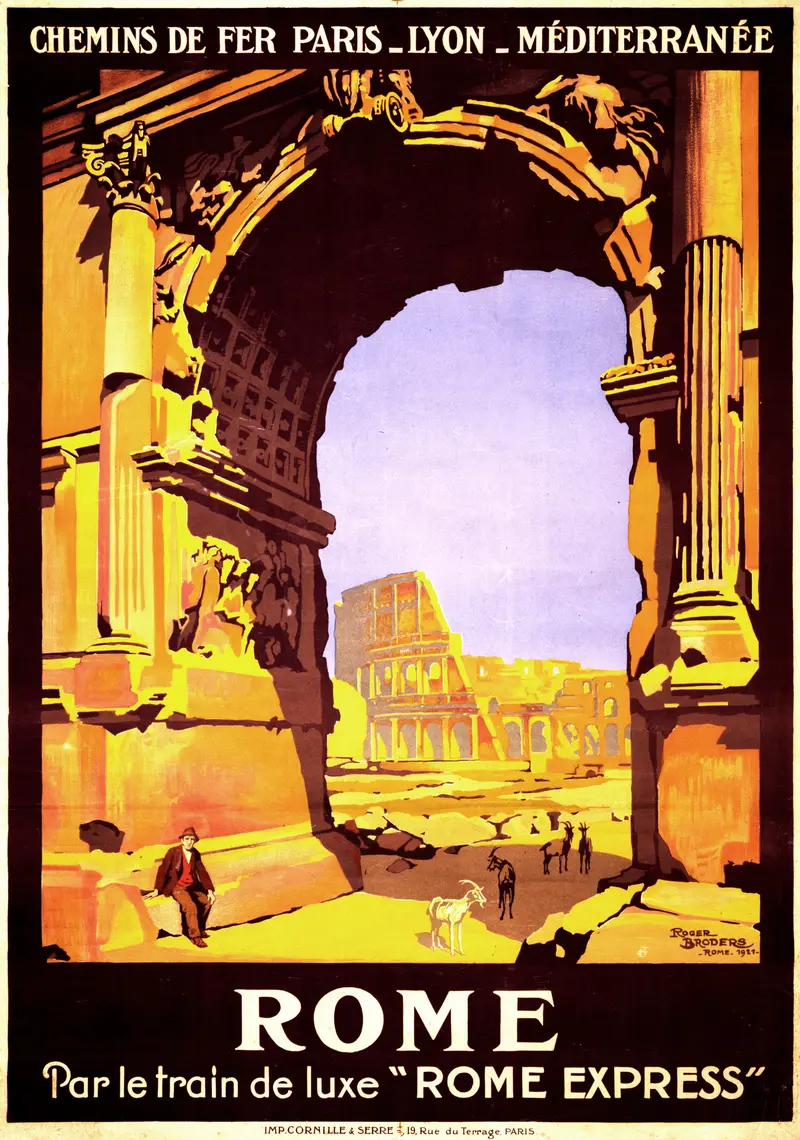 Rome, by the Rome Express Luxury TrainRoger Broders
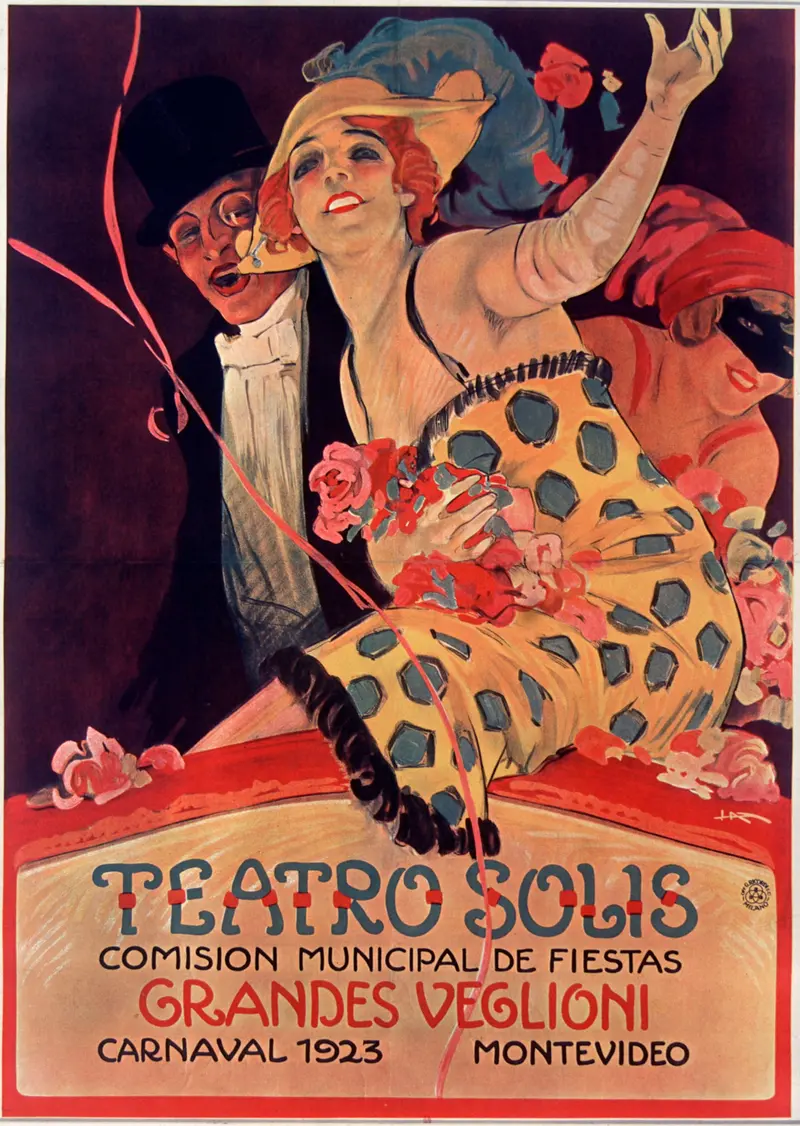 Teatro Solís, Carnival 1923Achille Mauzan
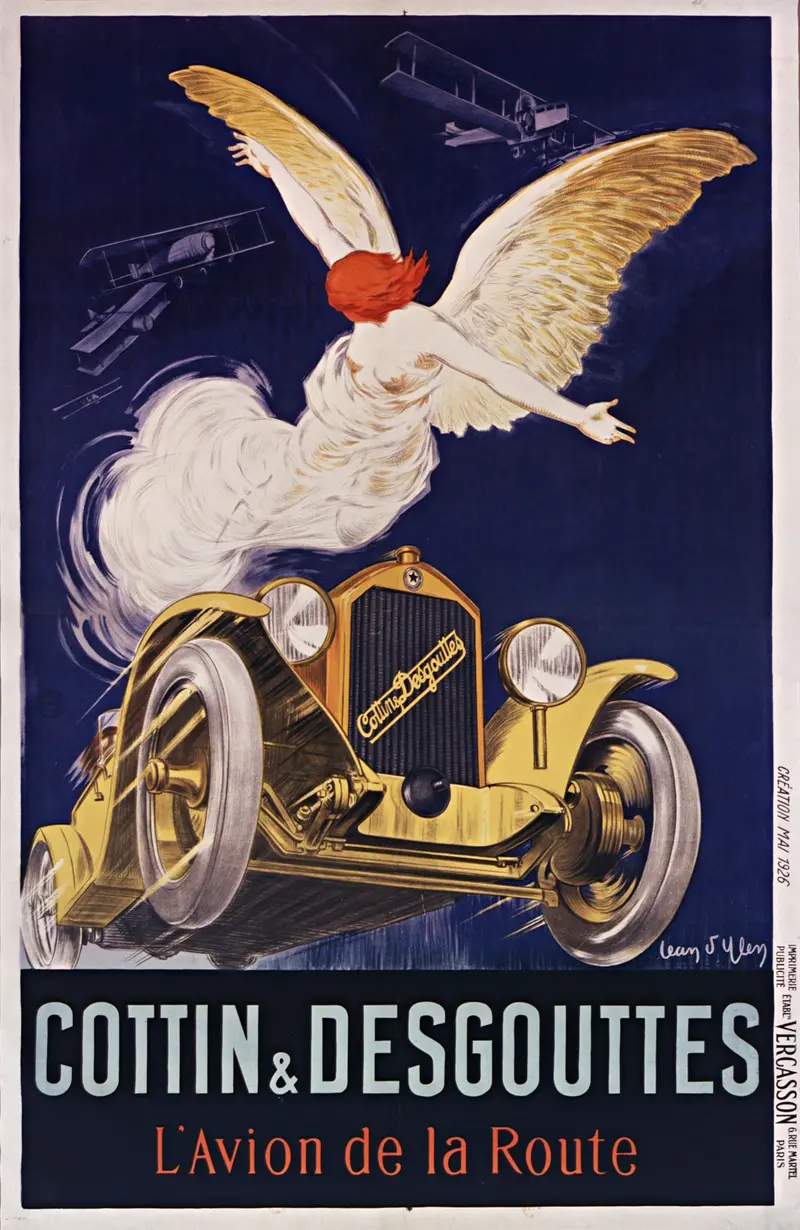 Cottin & Desgouttes, the Airplane of the RoadJean d'Ylen
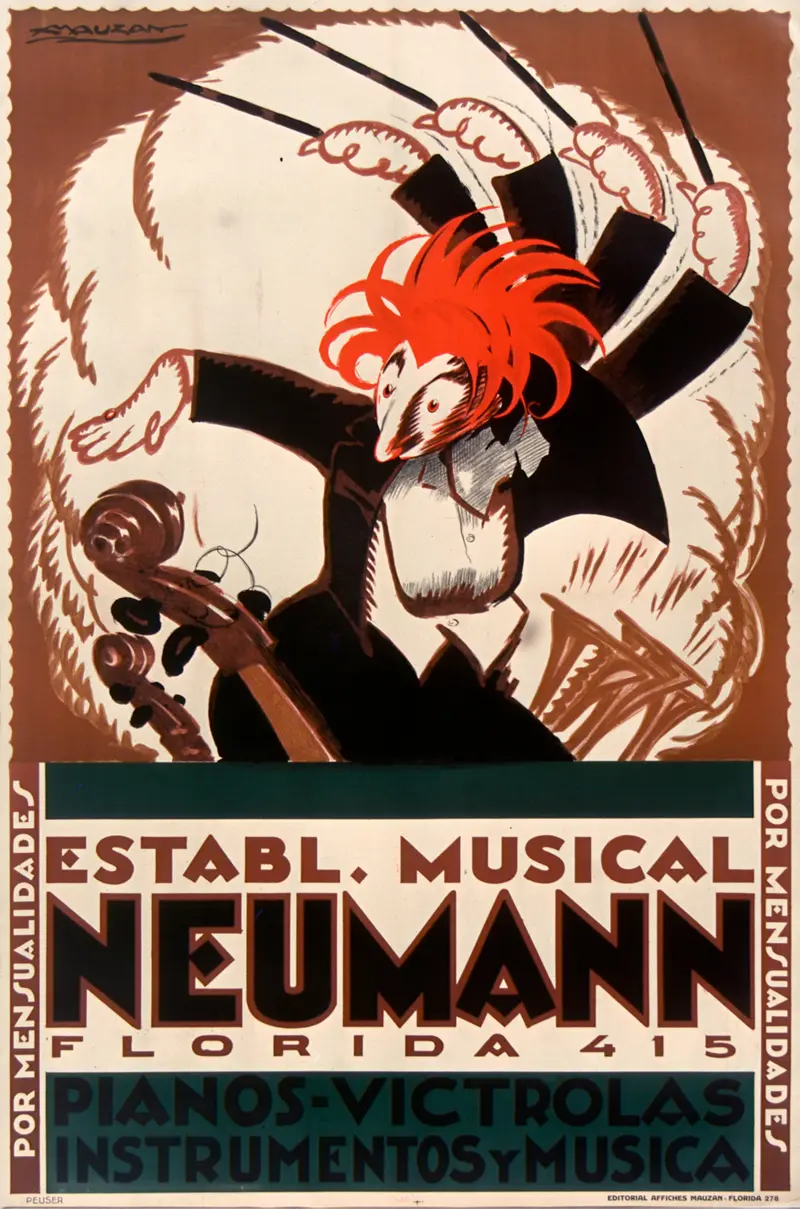 Establ. Musical NeumannAchille Mauzan
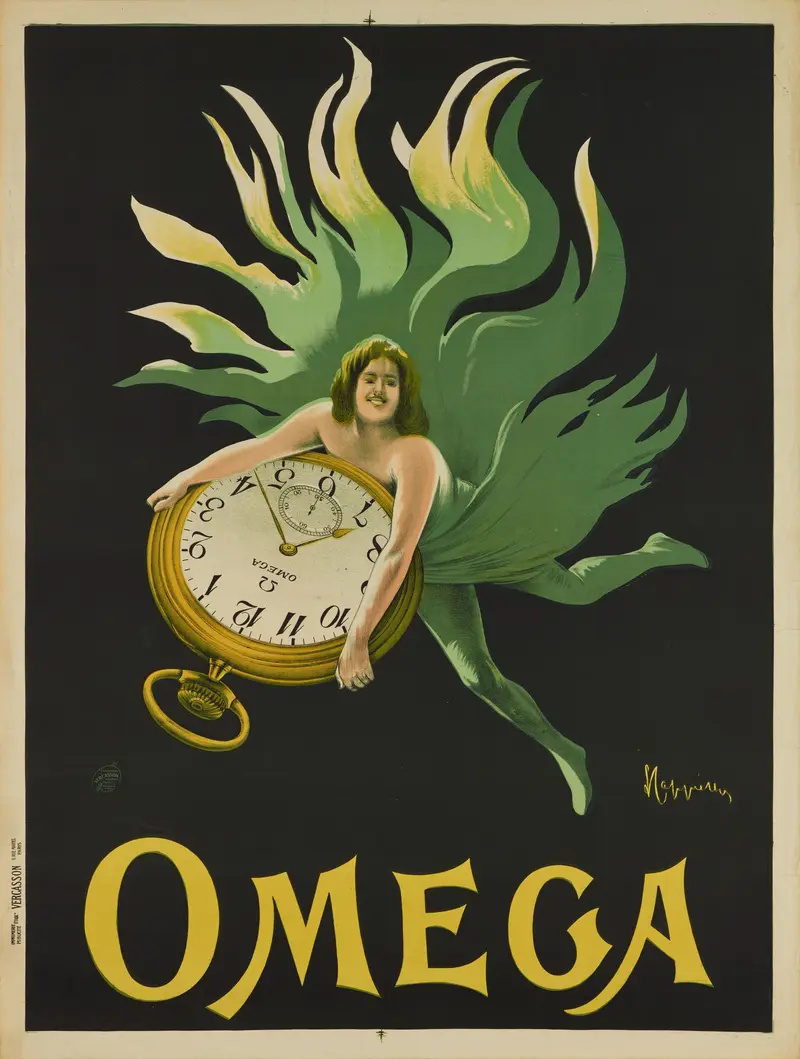 OmegaLeonetto Cappiello
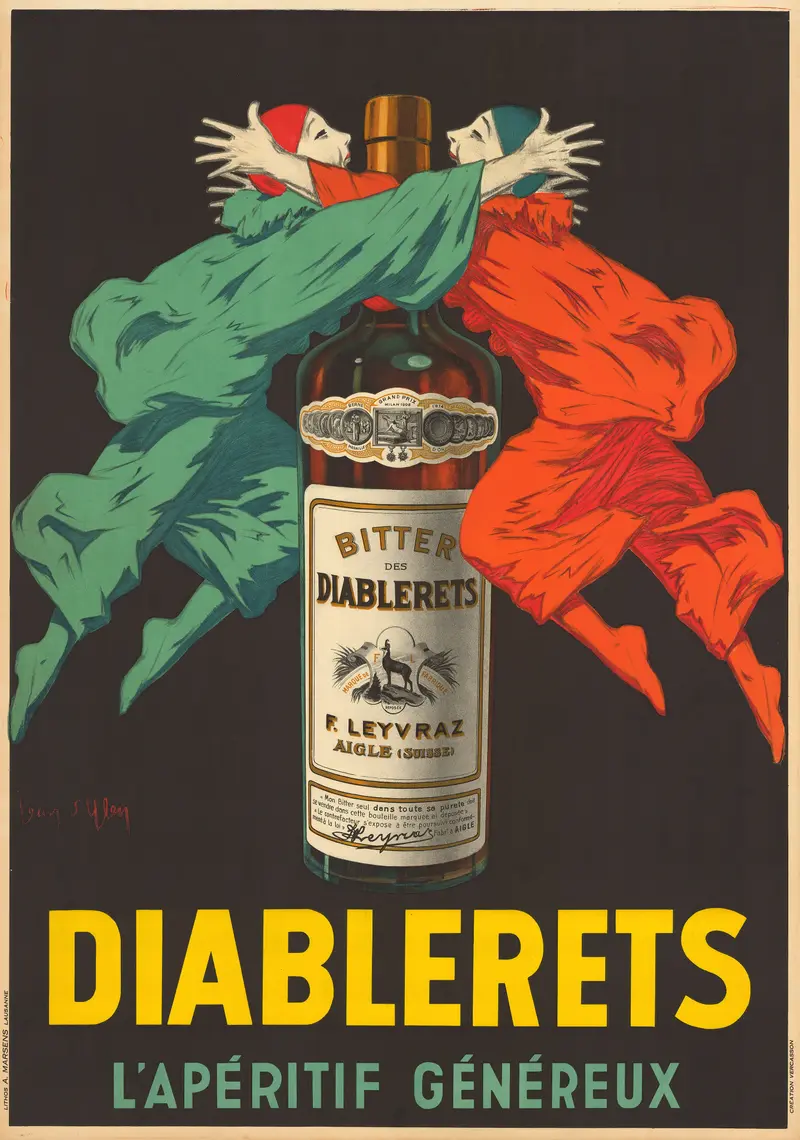 Diablerets, the Generous AperitifJean d'Ylen
Art Deco artists
Nine poster artists, illustrators and painters of the Art Deco years whose work is in the public domain, from Cappiello's posters in Paris to Boutet de Monvel's paintings of American cities. Each link opens all their works. Tamara de Lempicka, Cassandre and Erté are still in copyright, so they are not here.
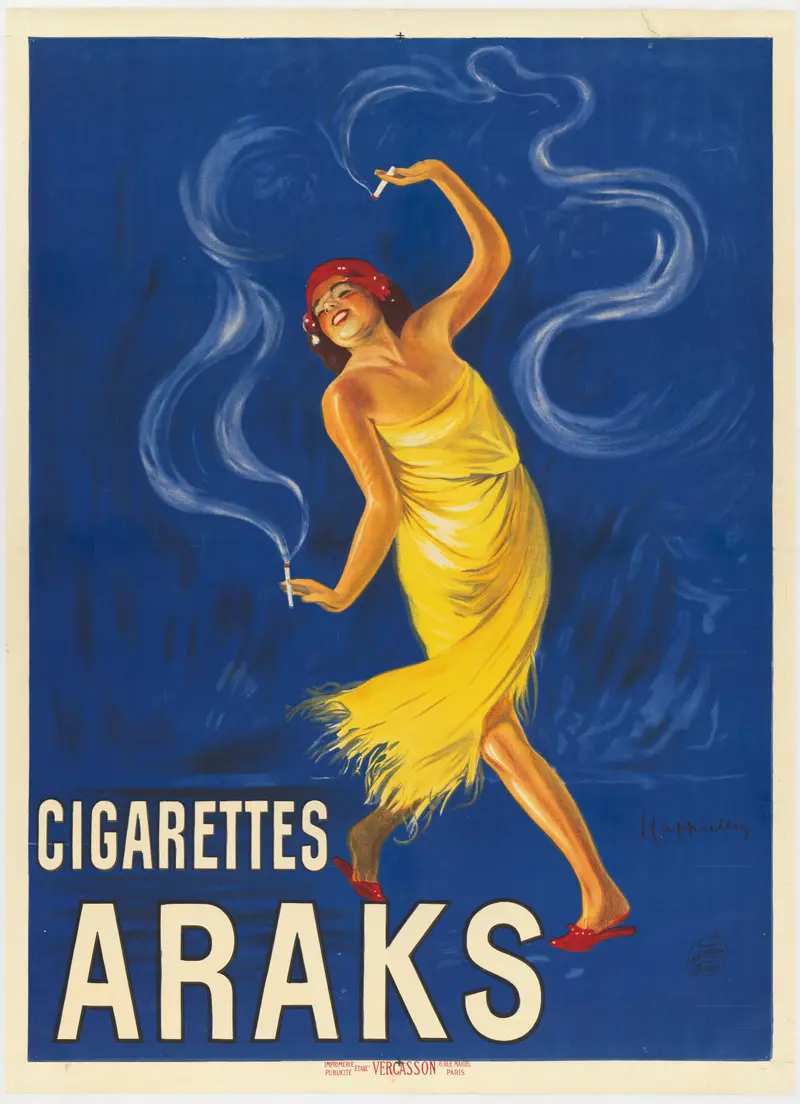 Leonetto Cappiello1875–1942. Italian-born poster artist in Paris, often called the father of modern advertising; from 1903 he turned brands into characters, bold figures that leap off a plain background.
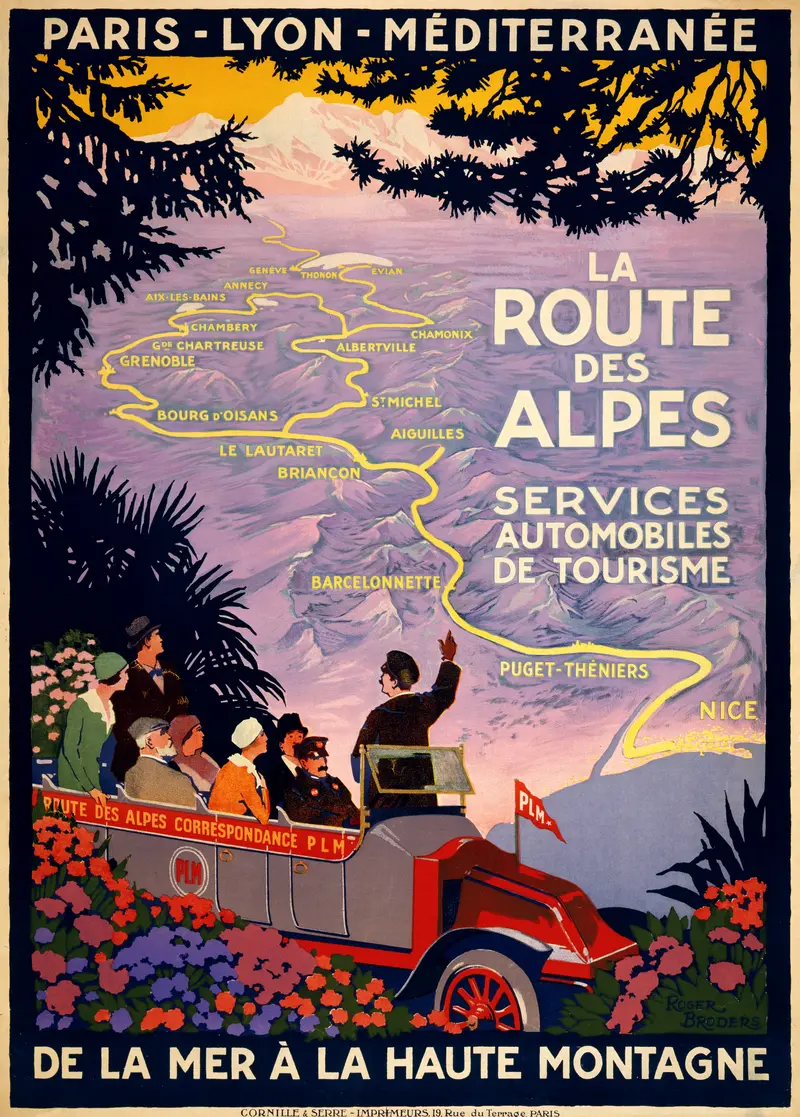 Roger Broders1883–1953. A master of the travel poster, the V&A says; born in Paris, he made around 100 posters, mainly for the Paris-Lyon-Méditerranée railway, of Alpine resorts and the Riviera.
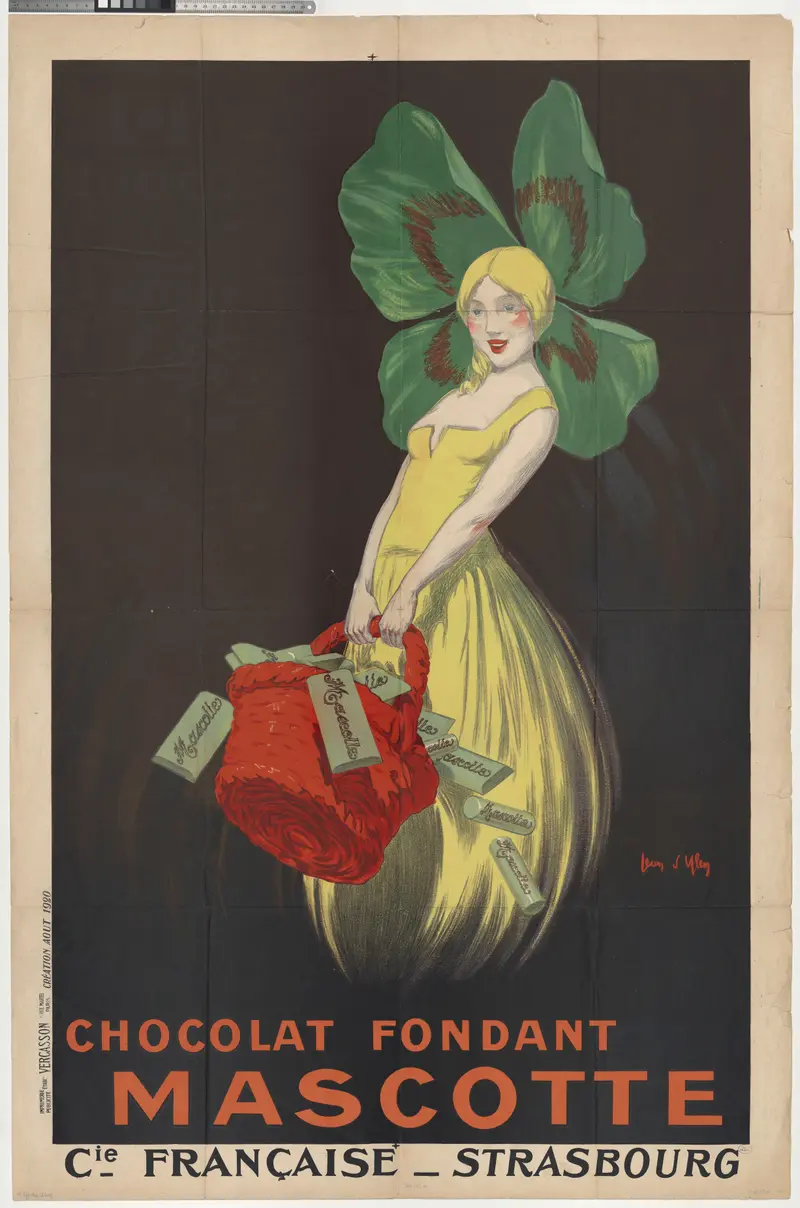
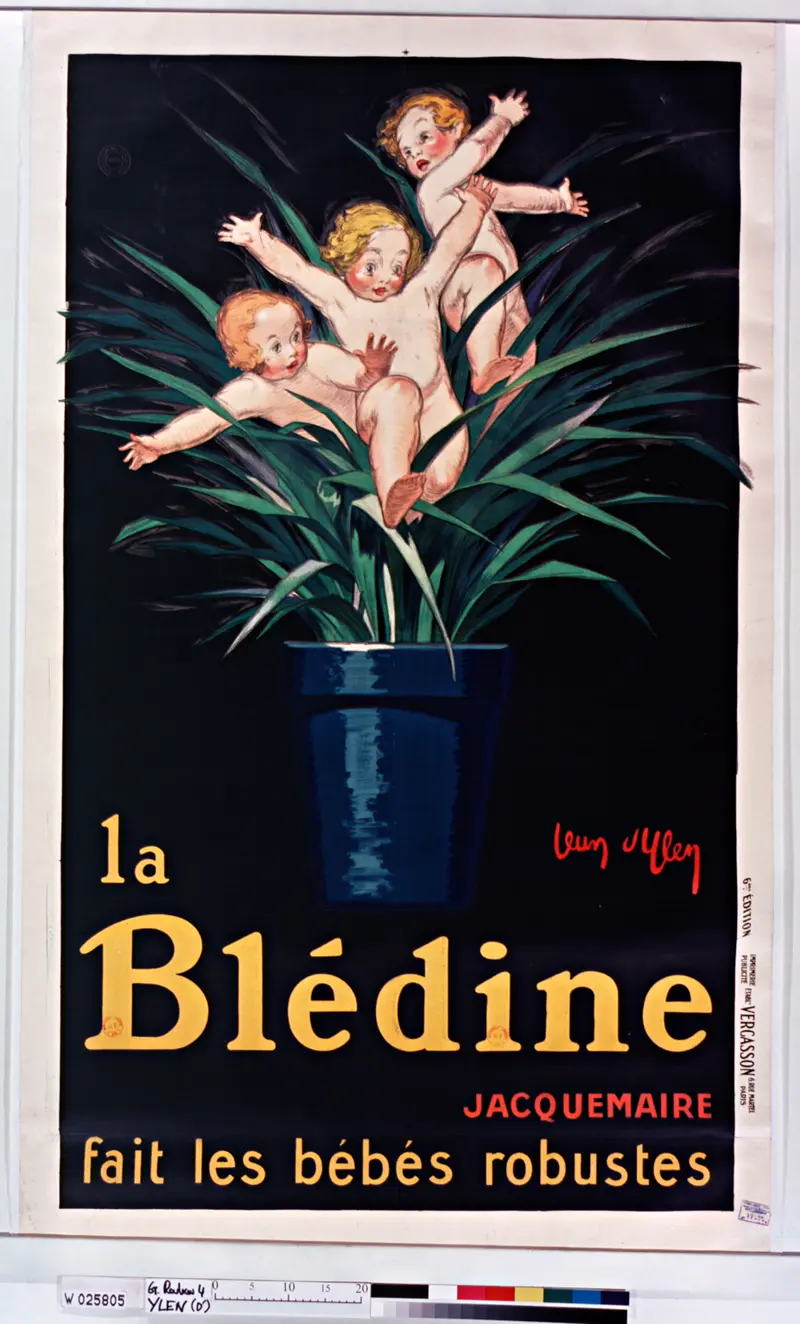
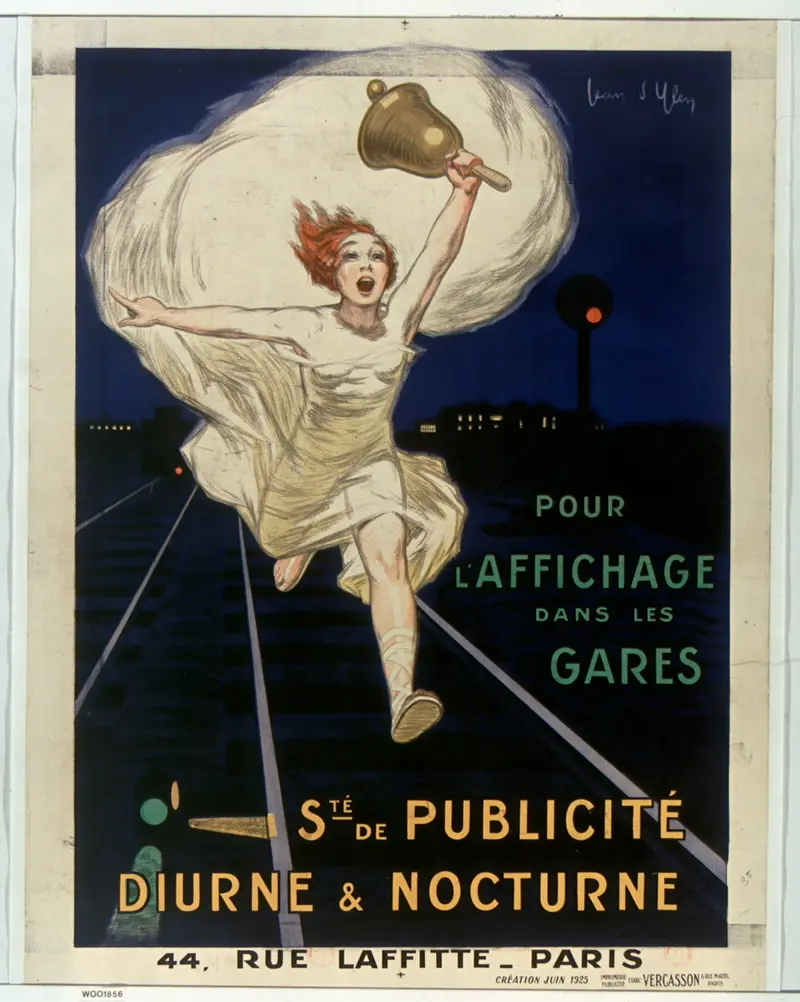
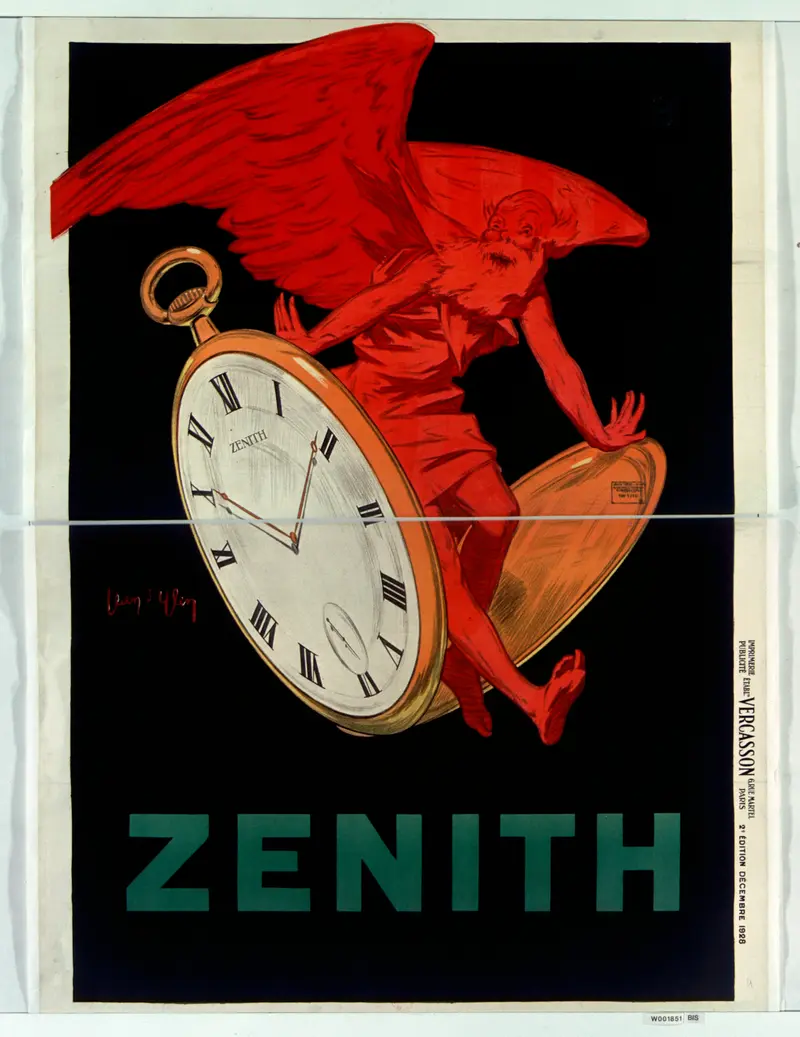
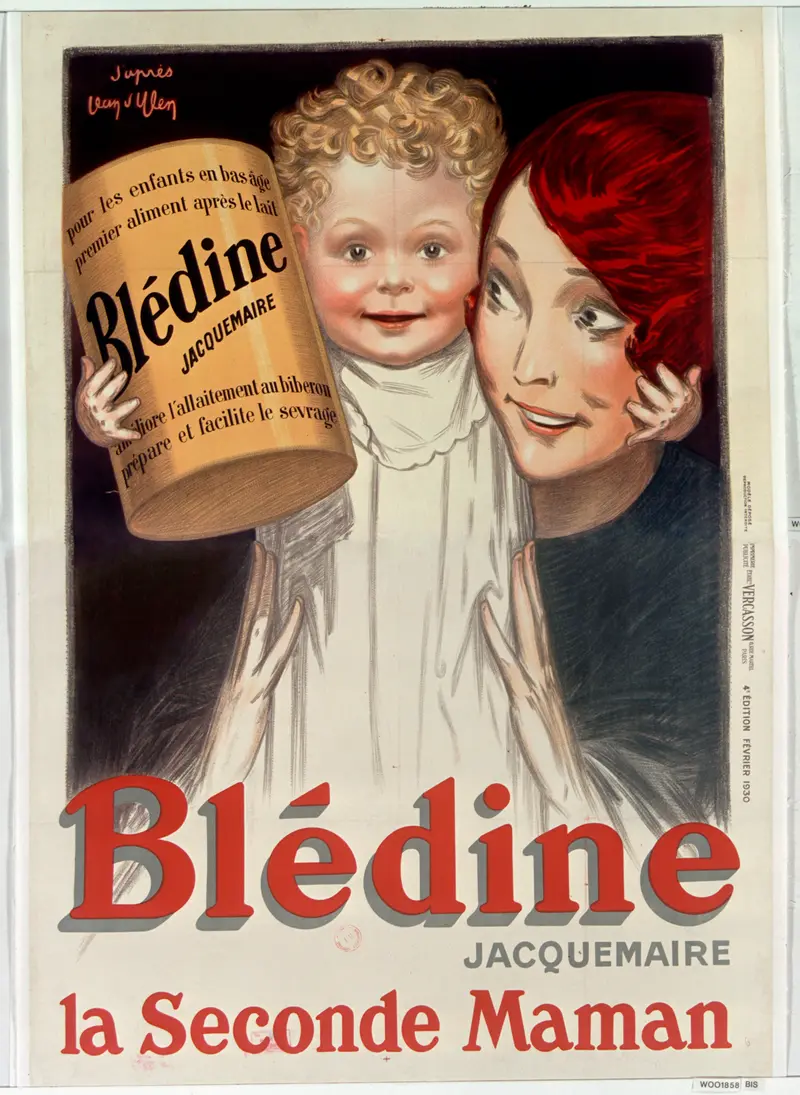
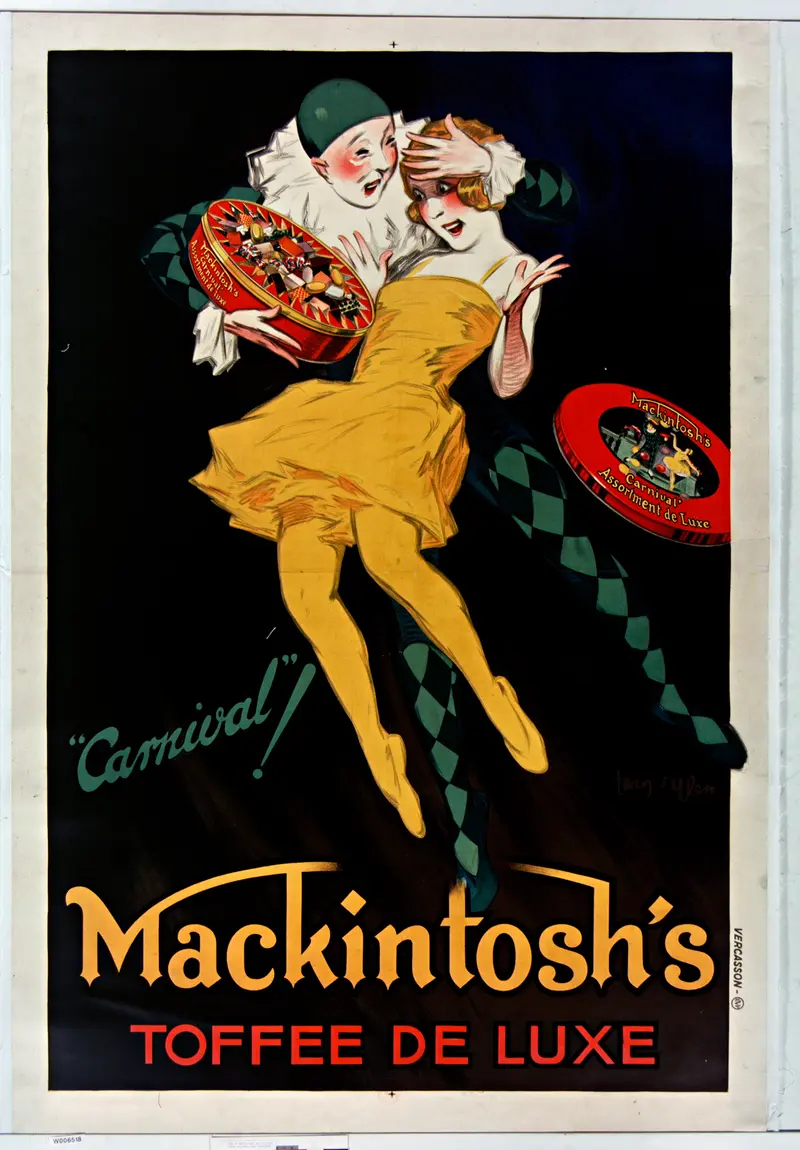
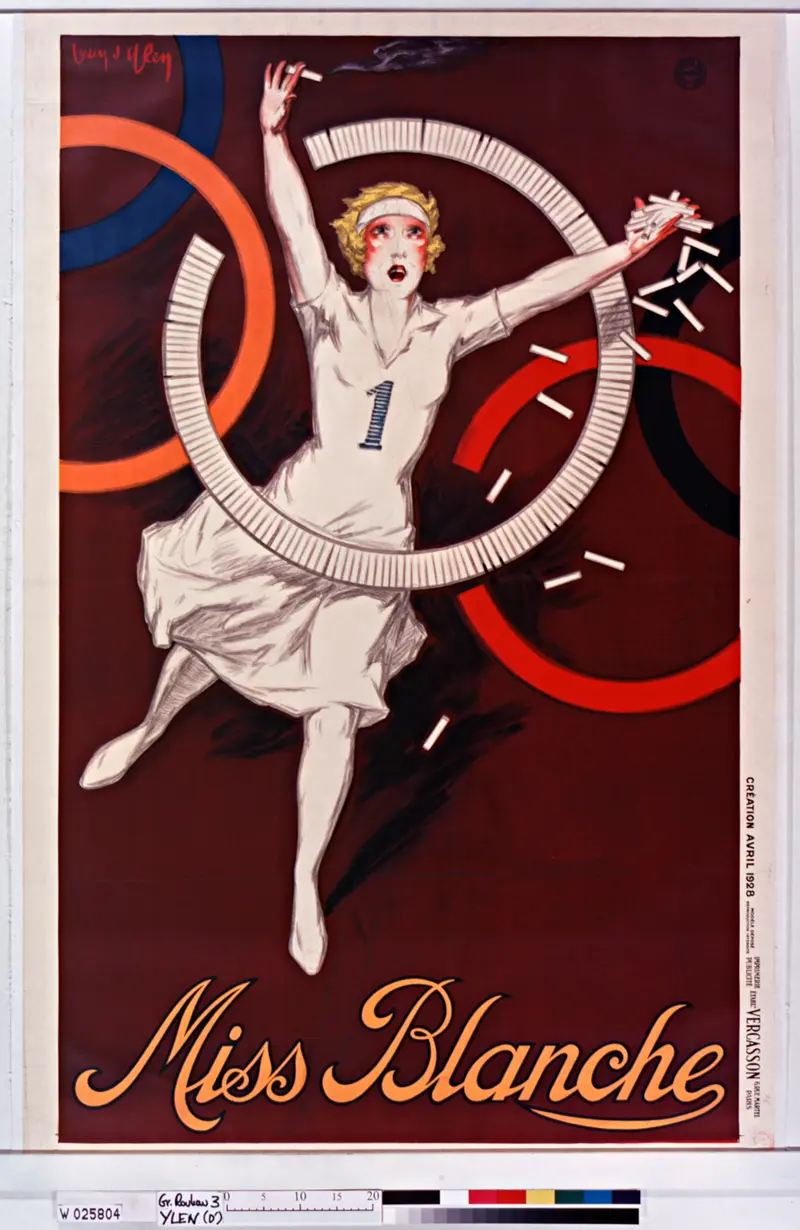
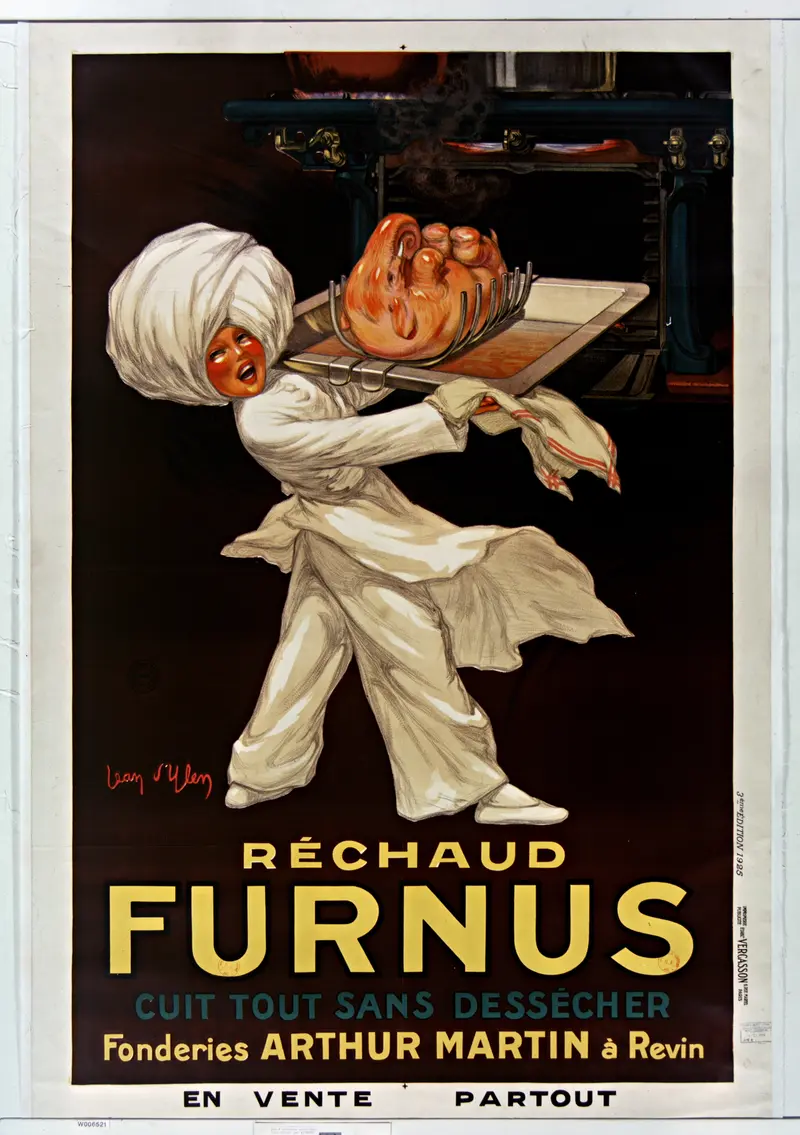
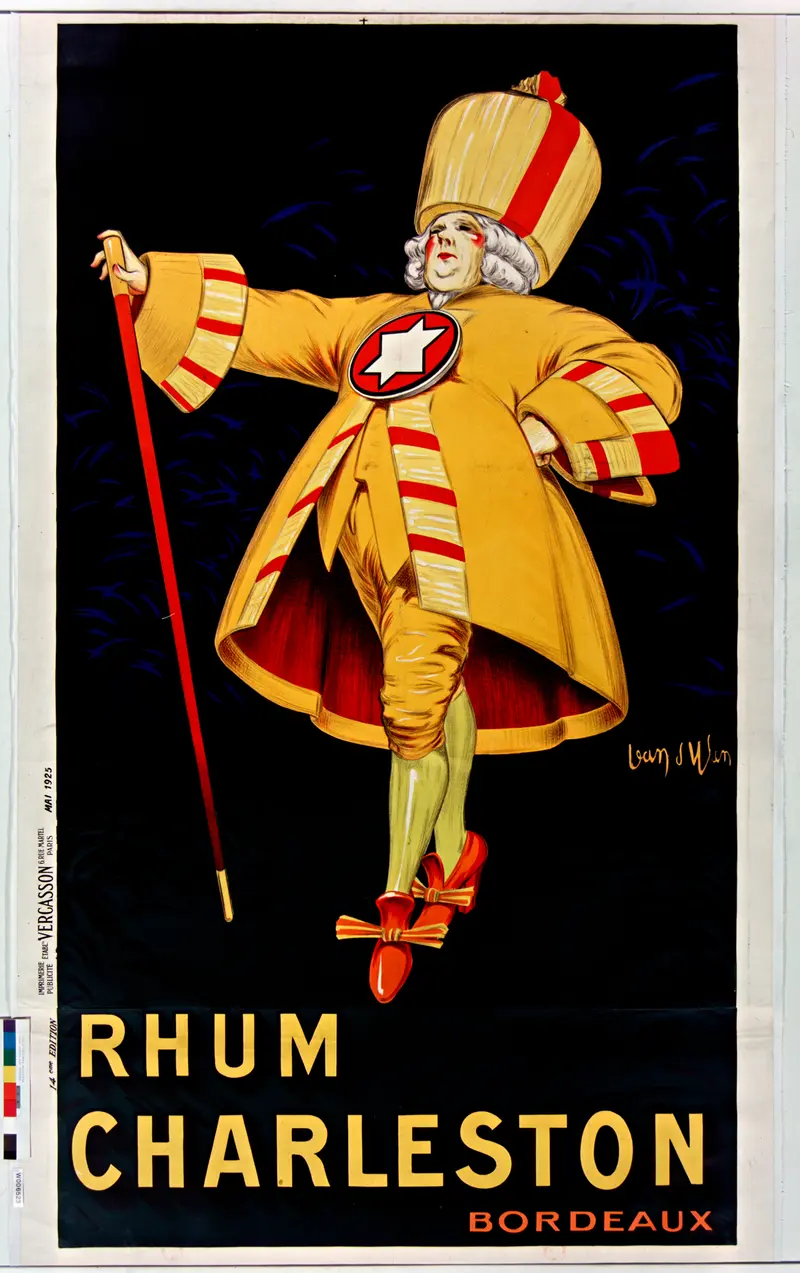
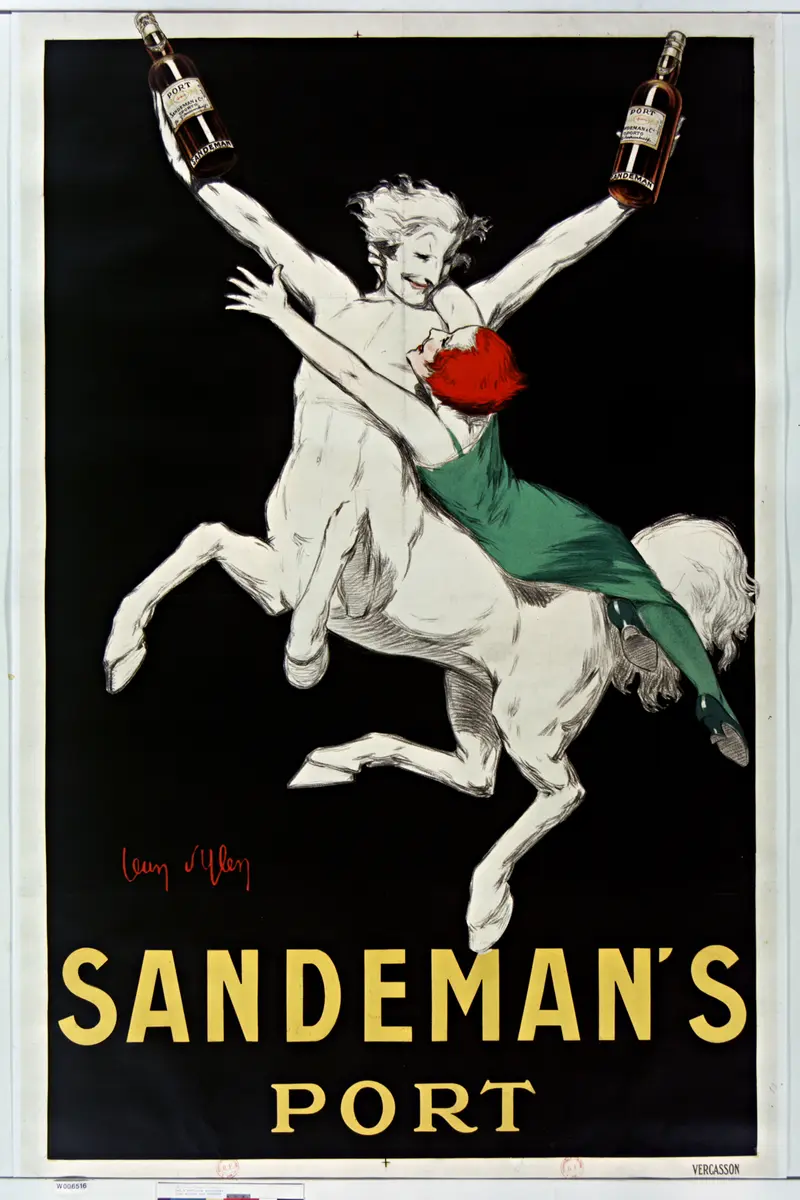
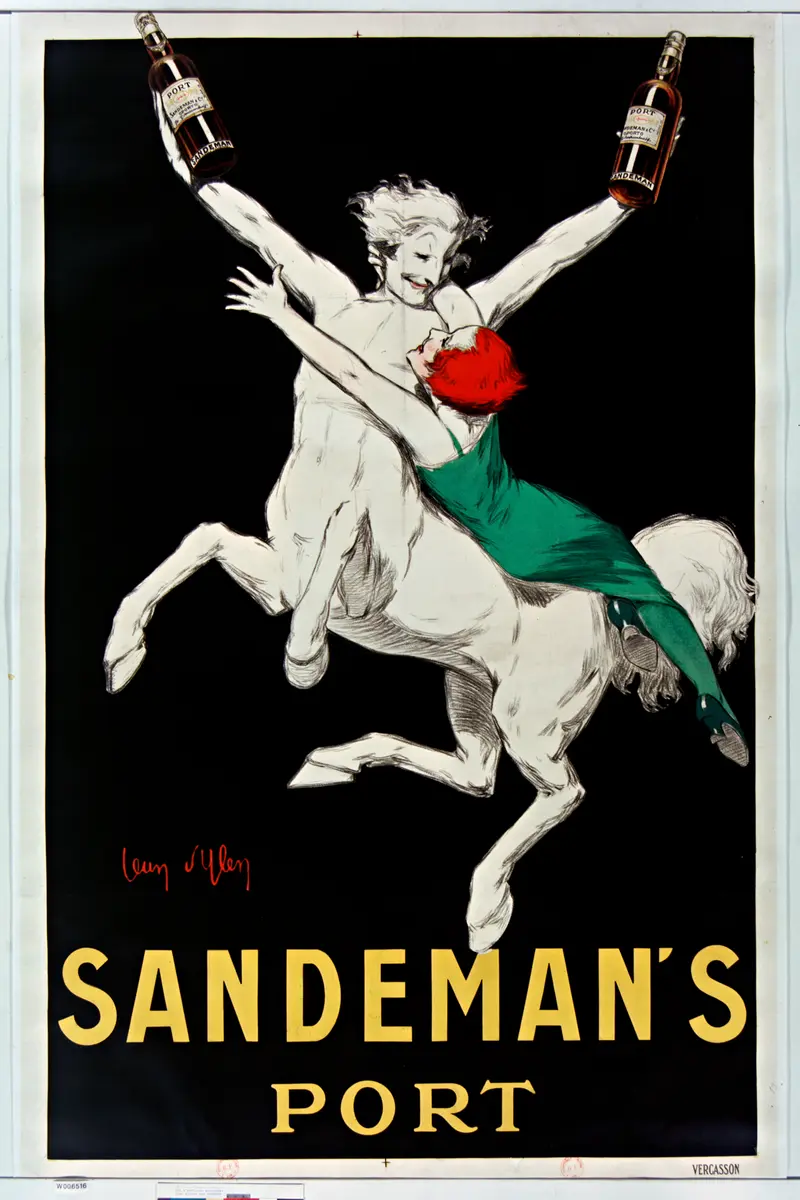
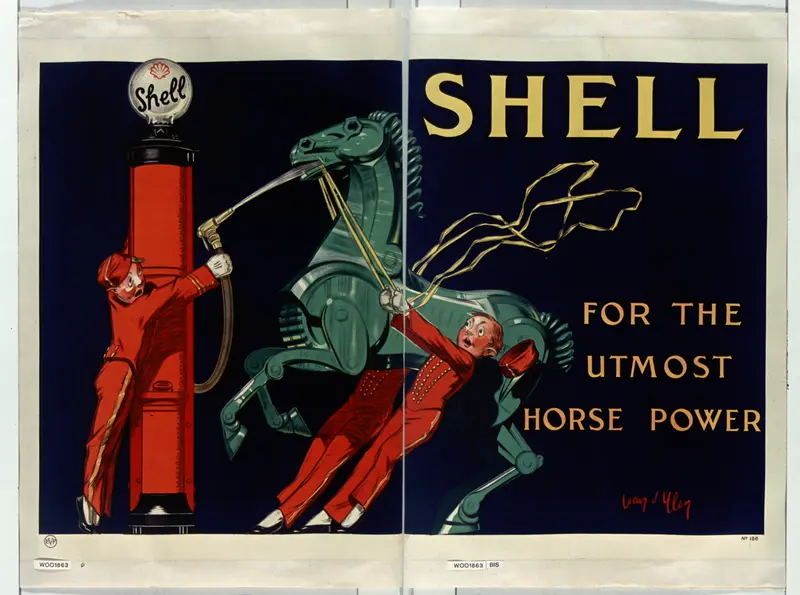
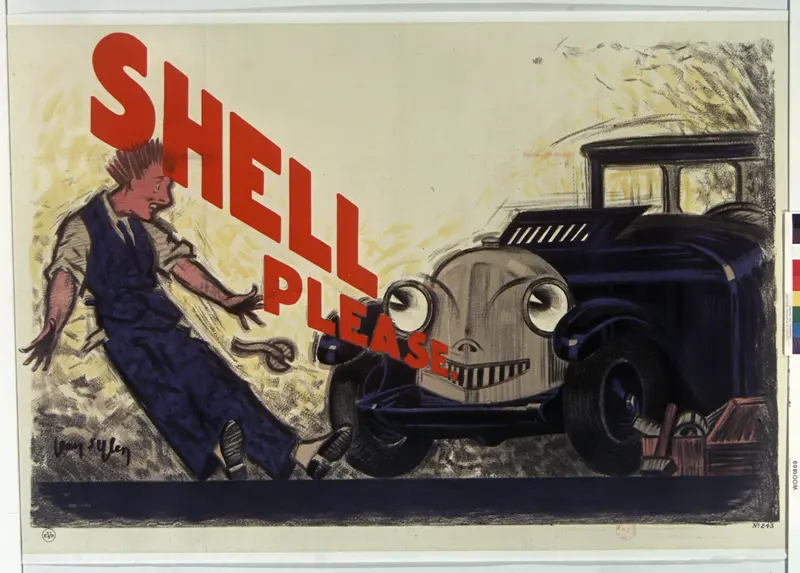
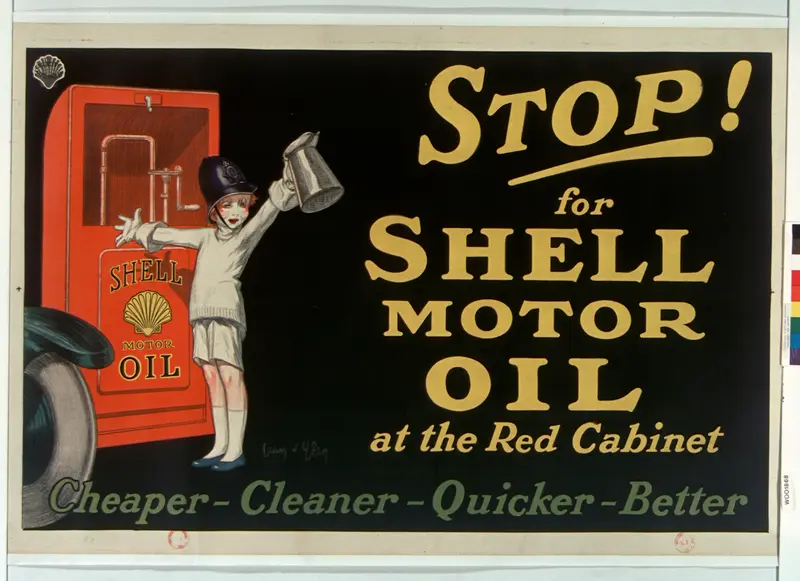
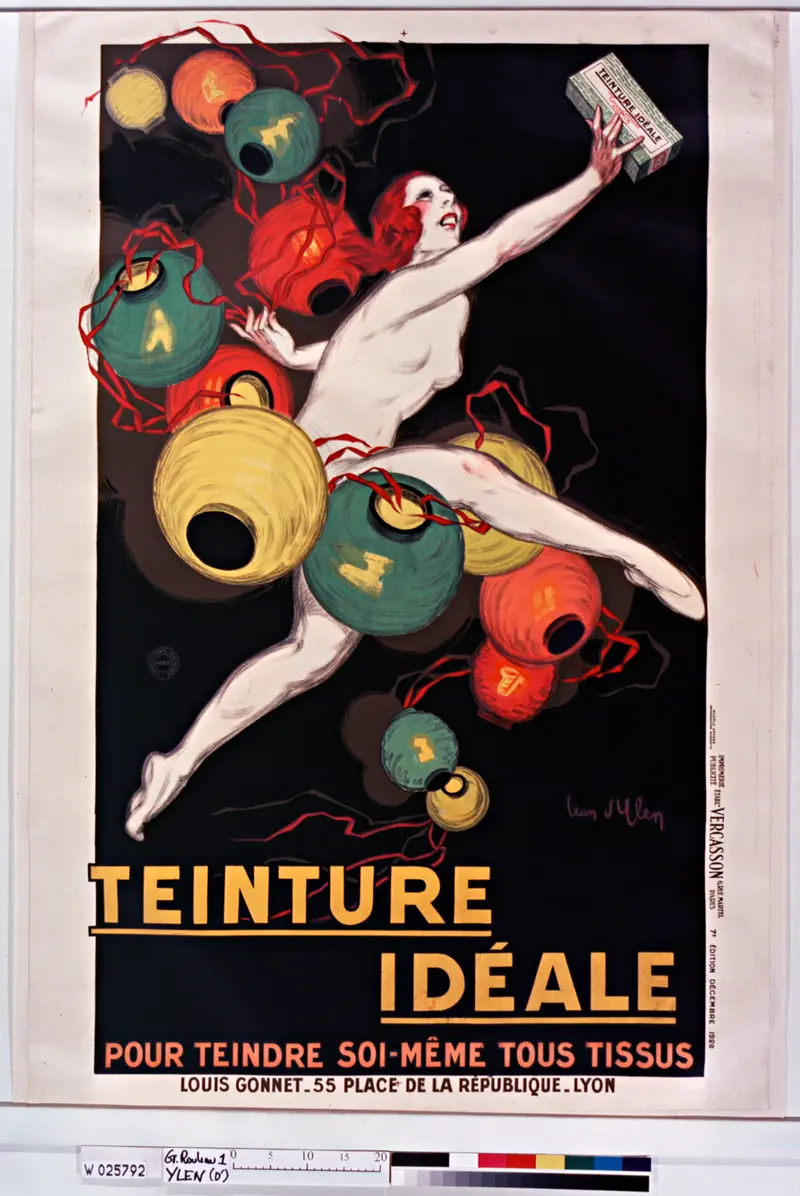
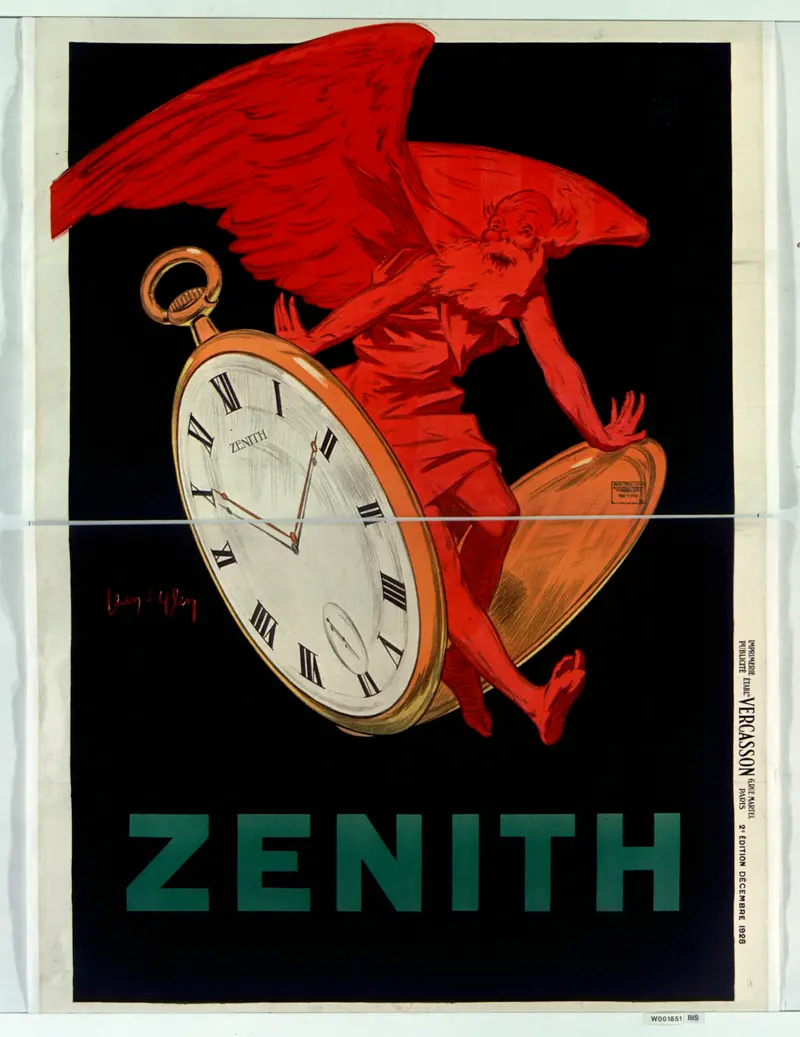
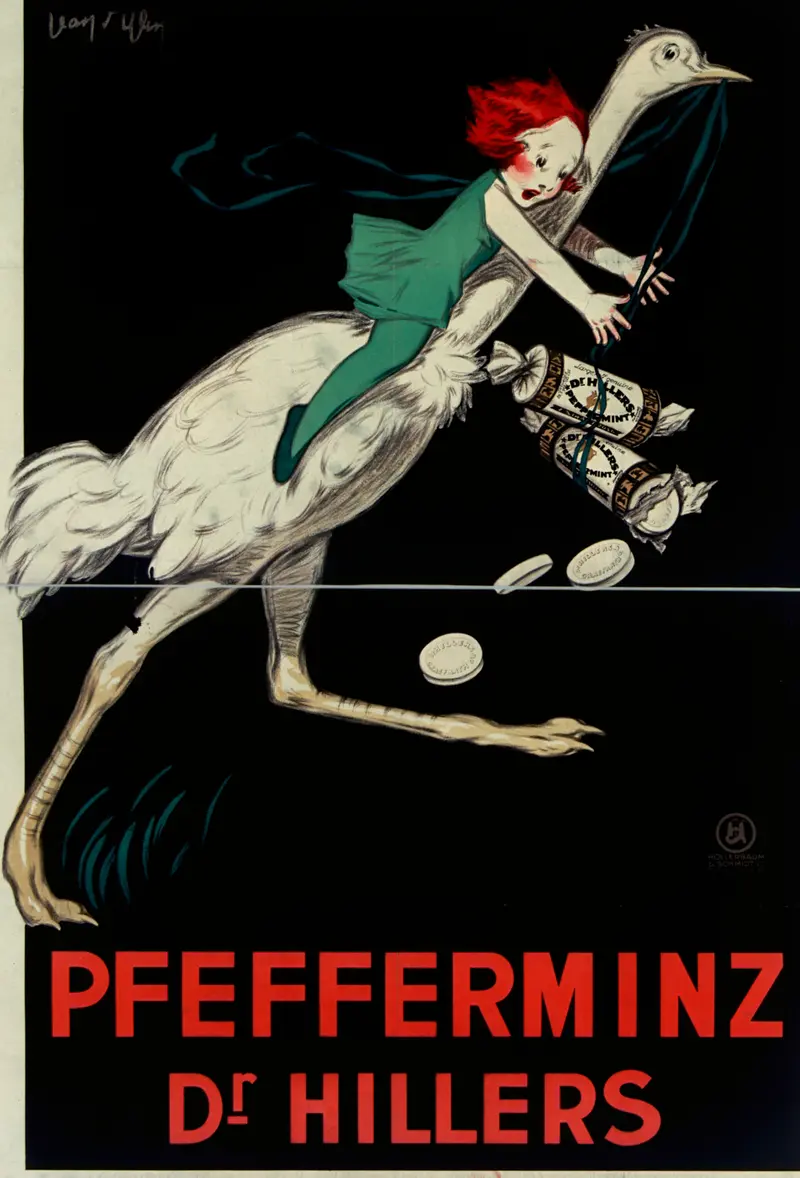
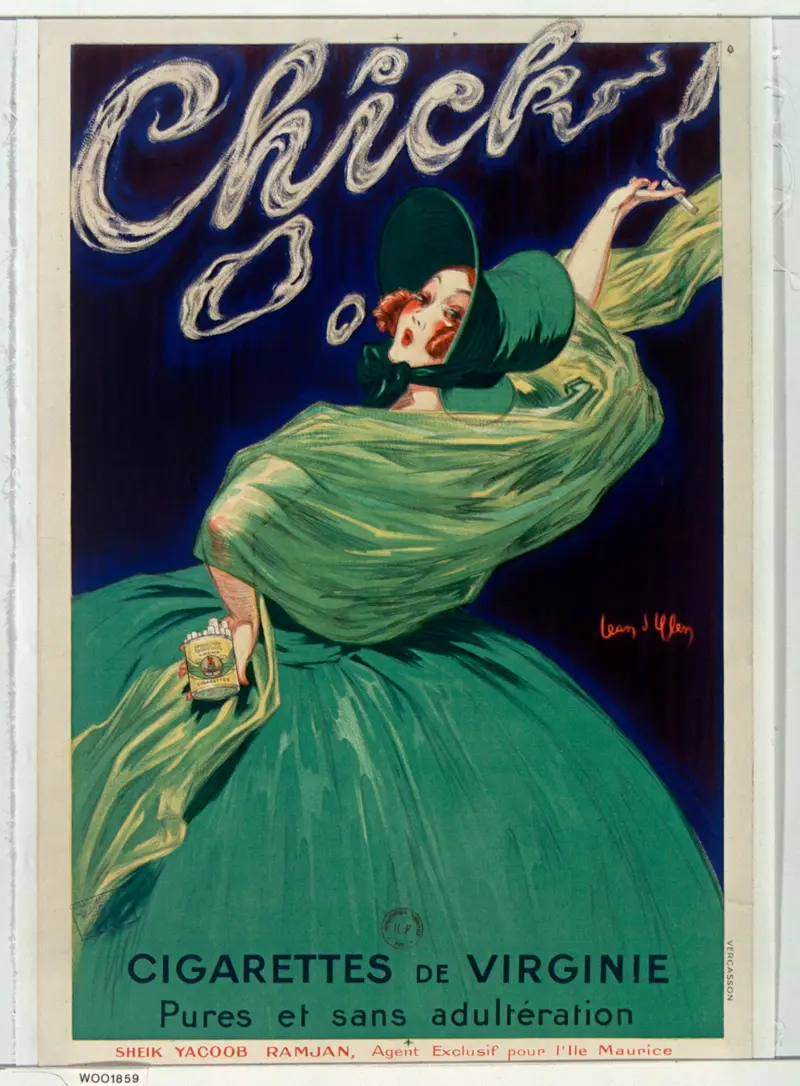
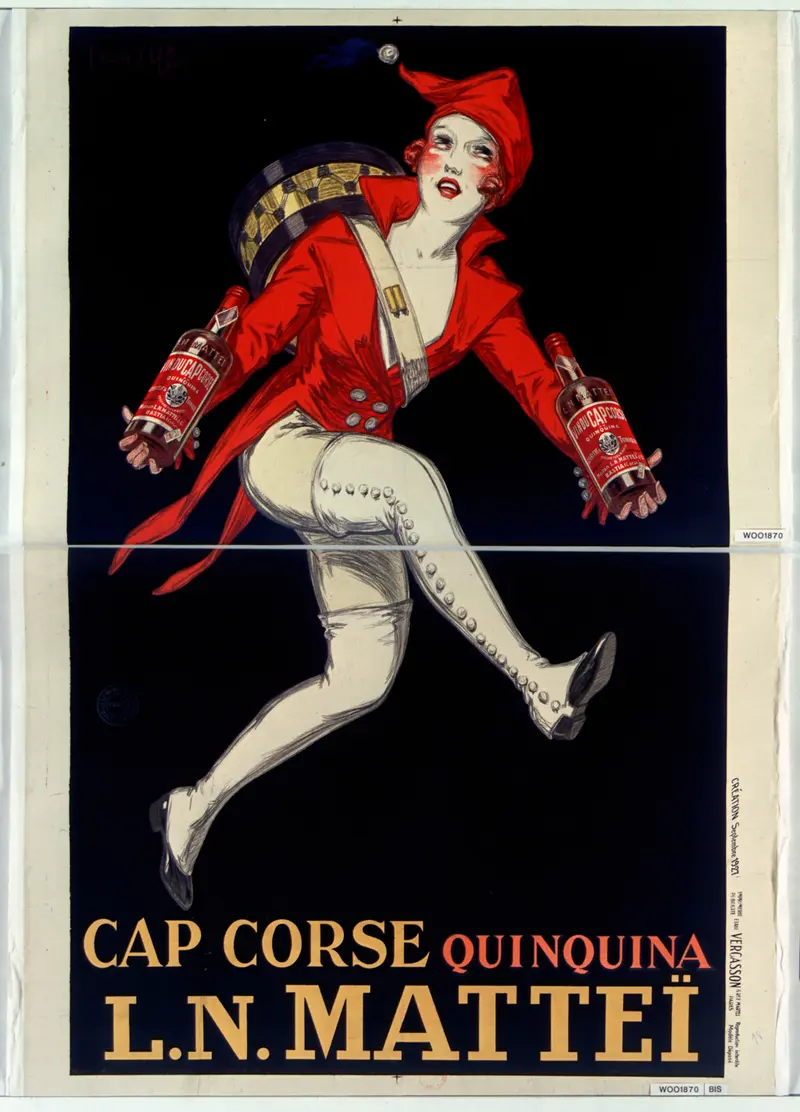
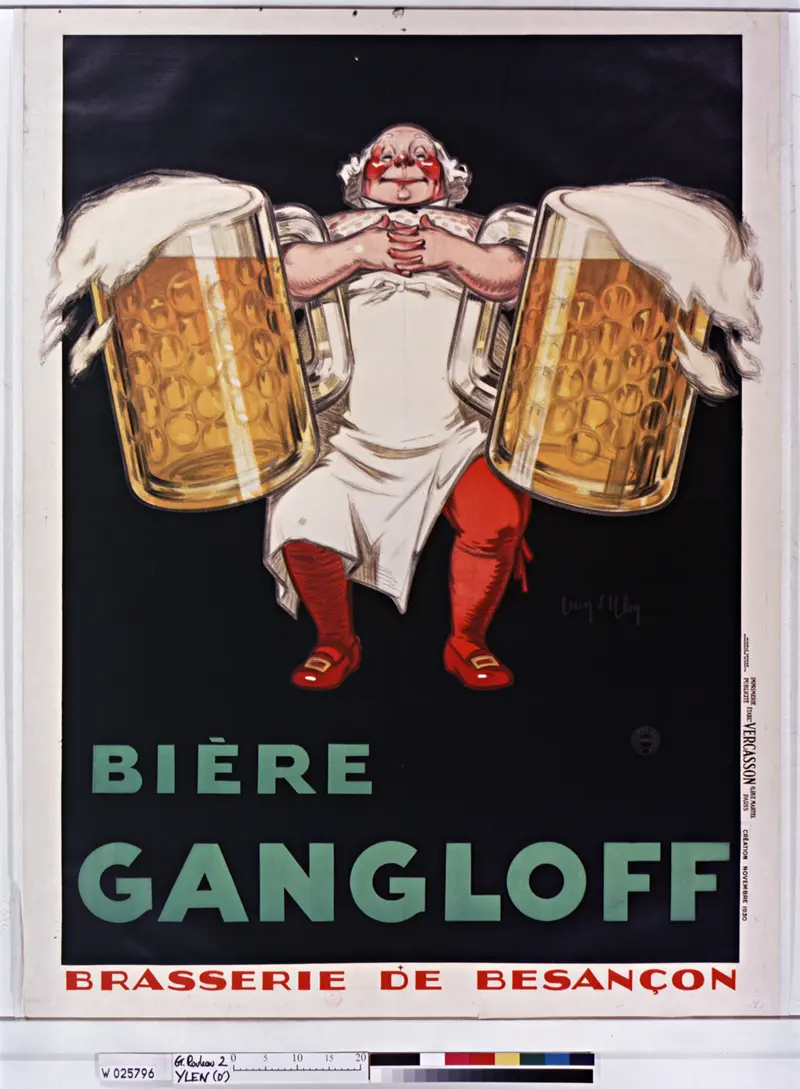
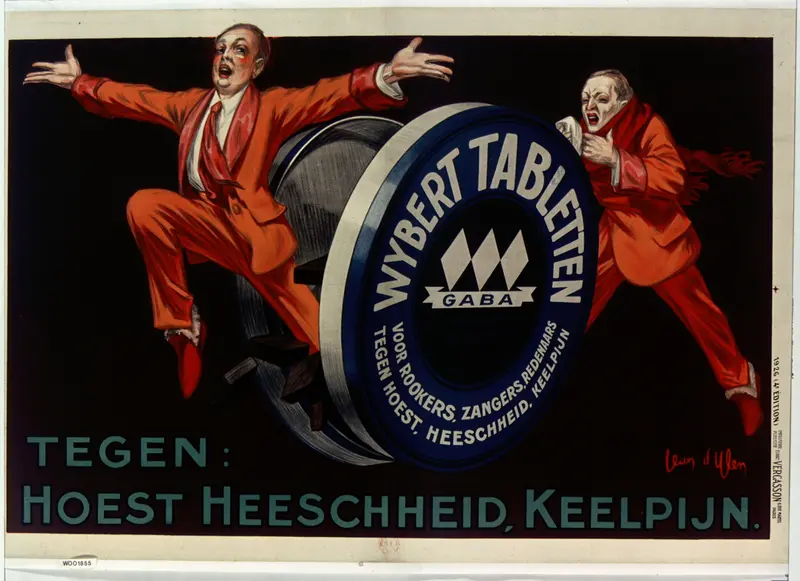
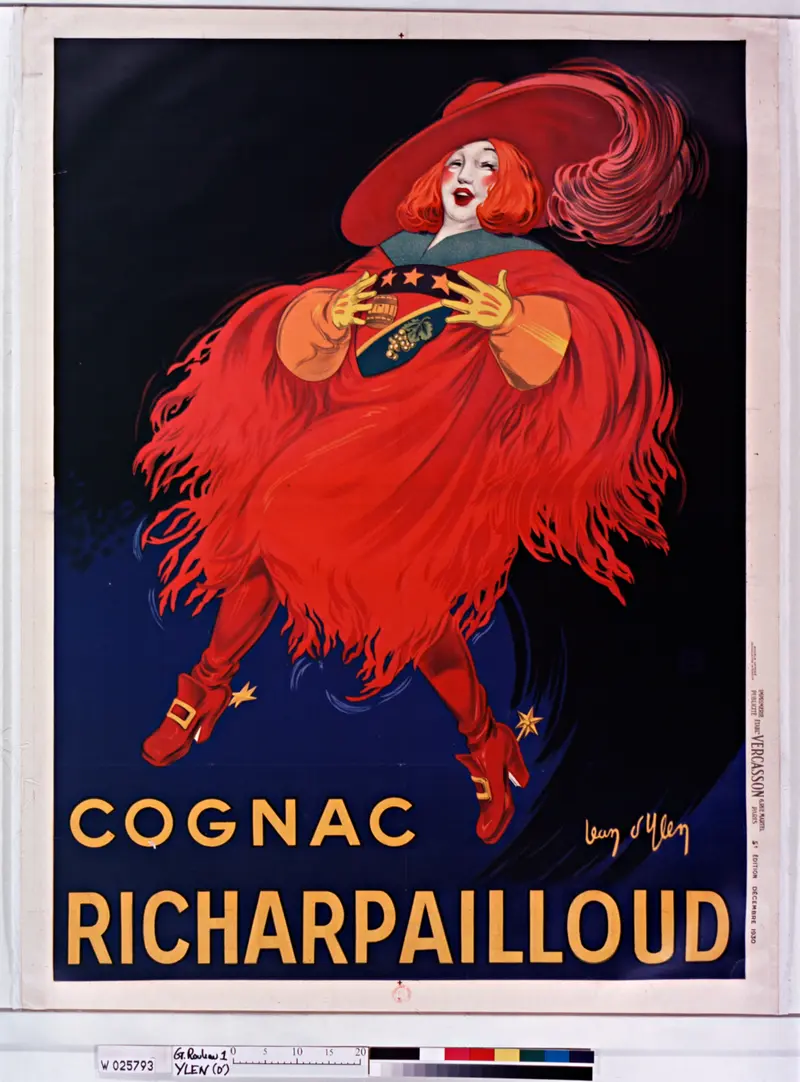
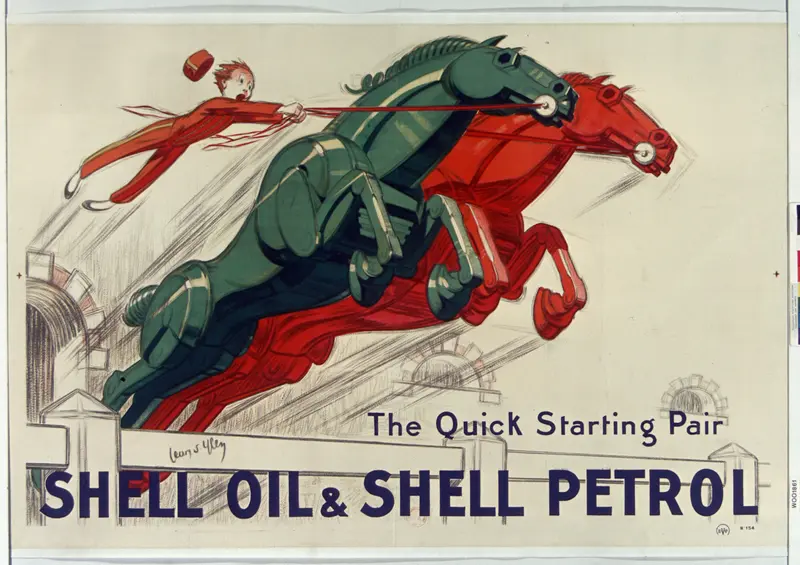
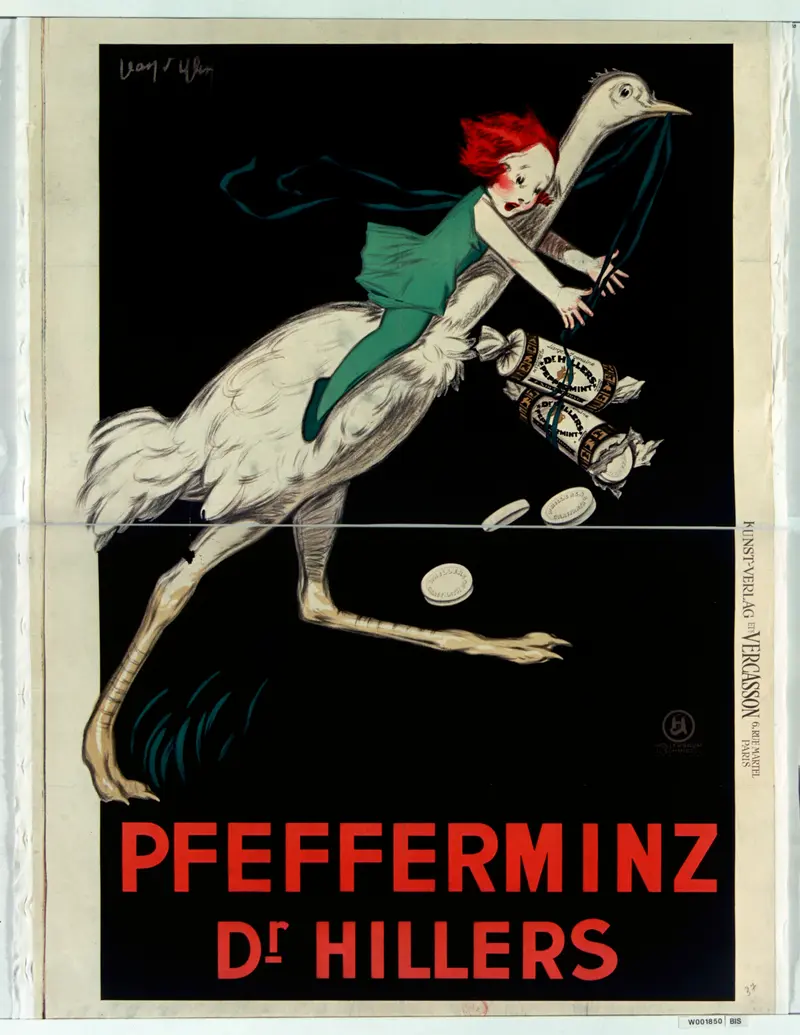
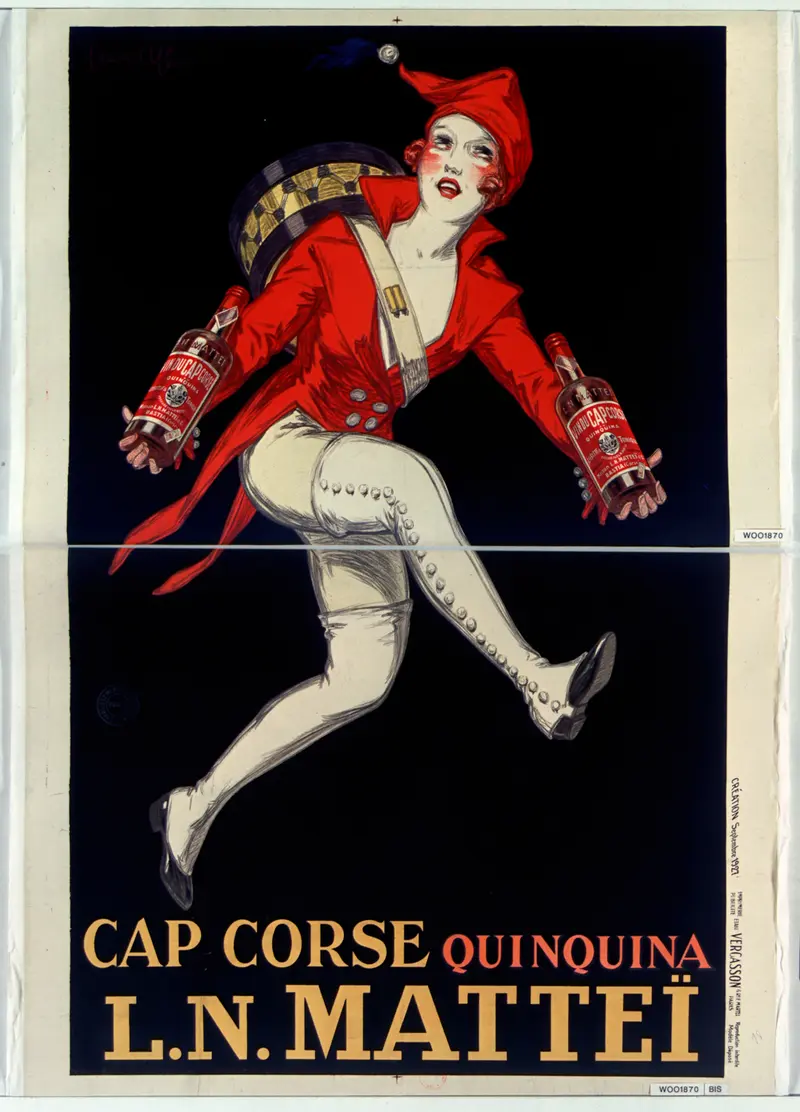
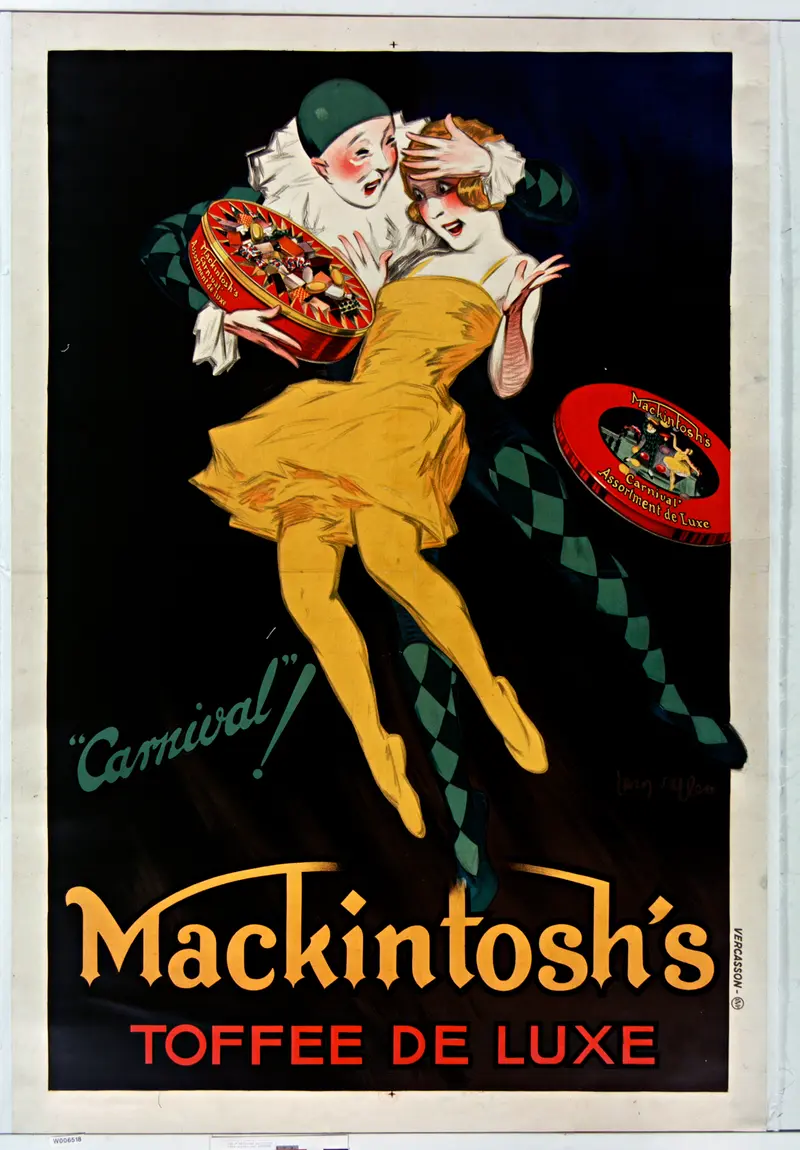
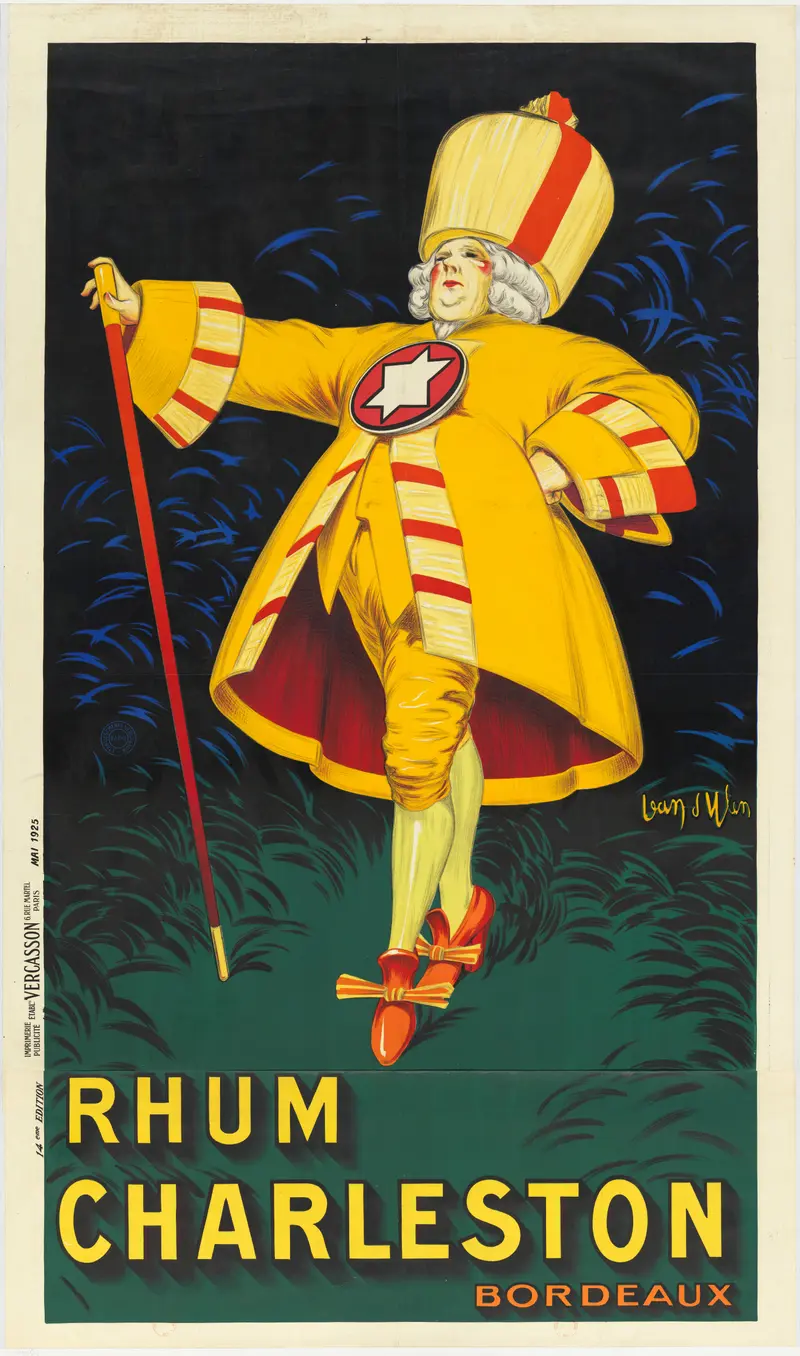 Jean d'Ylen1886–1938. Born Jean Paul Beguin, a former jewelry designer, he joined the Paris printer Vercasson in 1919 and succeeded Cappiello as its house artist, with more than 200 posters by 1934.
- Achille Mauzan1883–1952. French poster artist who worked in Italy from 1905 and, from 1927, for five years in Buenos Aires, where his colorful Art Deco posters left a mark on Argentine graphic design.
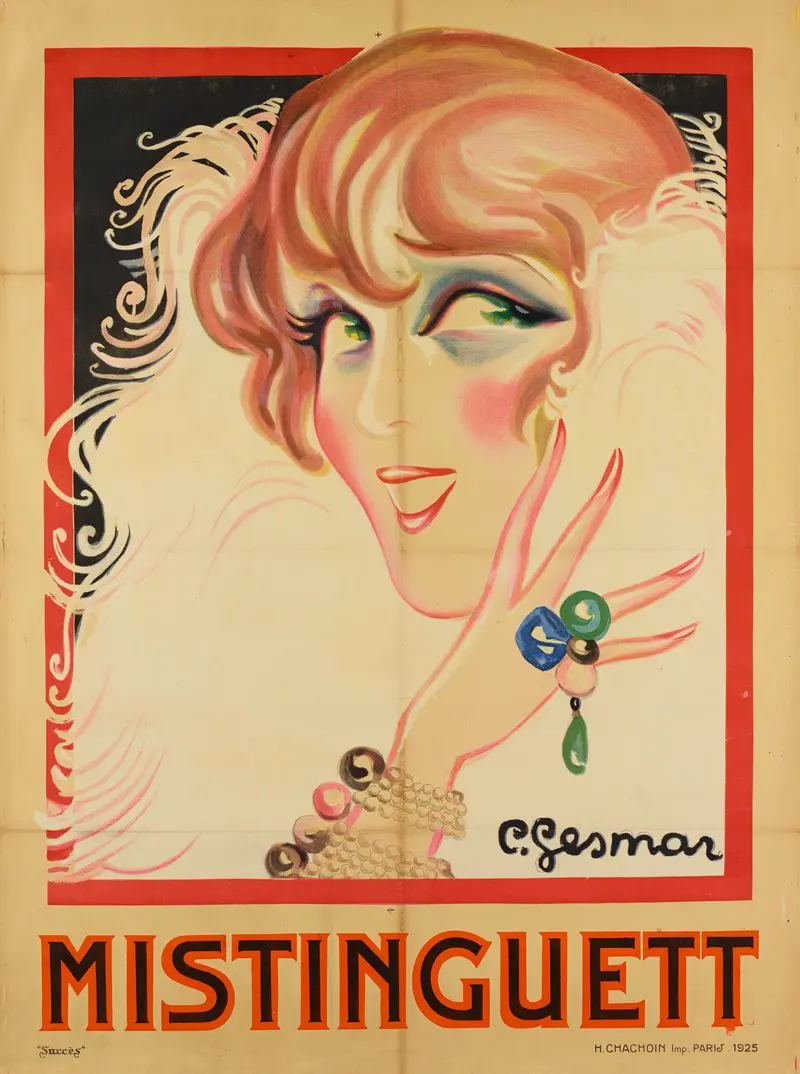 Charles Gesmar1900–1928. Paris poster artist and stage designer for the music hall, who drew the star Mistinguett; the V&A holds his showgirl costume designs, probably for the Folies Bergère, and his posters for Marguerite Templey and the performer Barbette.
 Edward McKnight Kauffer1890–1954. American-born designer in London from 1914, nicknamed the Poster King; he made 134 posters for the London Underground between 1915 and 1939, the V&A says.
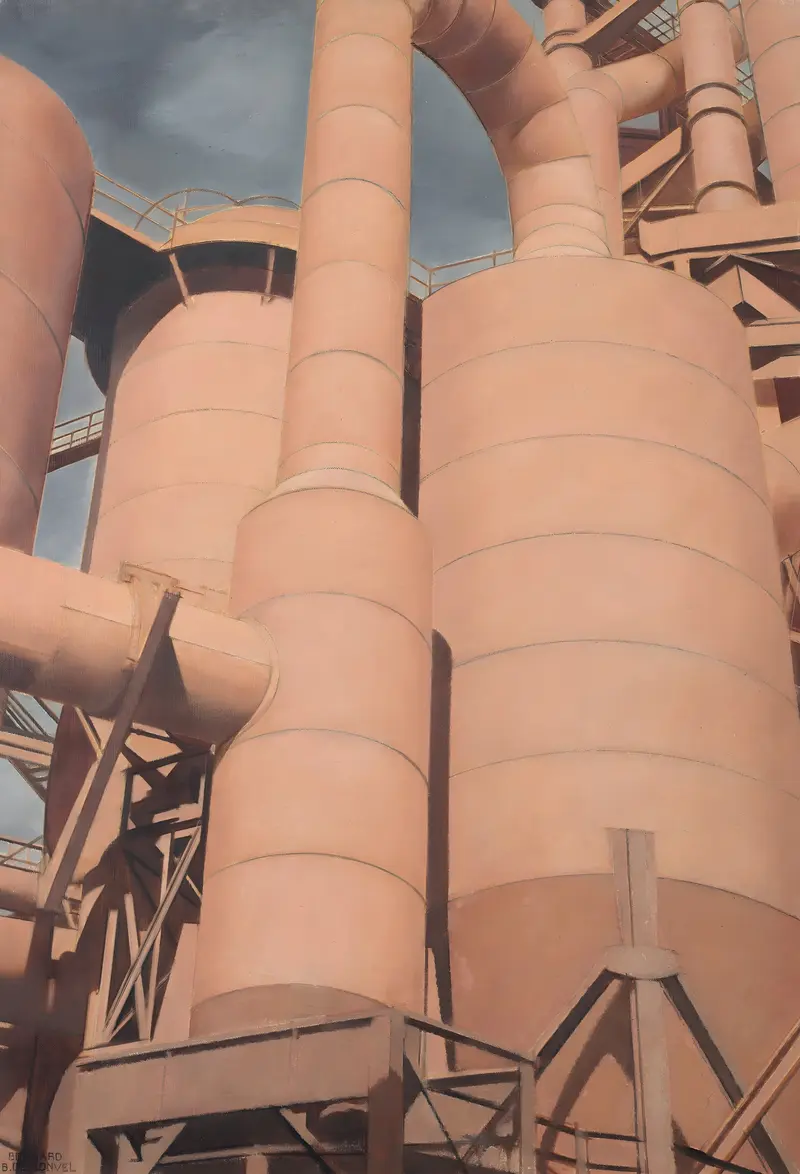 Bernard Boutet de Monvel1881–1949. Paris society portraitist who first stayed in New York in 1926; he painted about twenty views of the city, mainly between 1928 and 1932, from his own photographs.
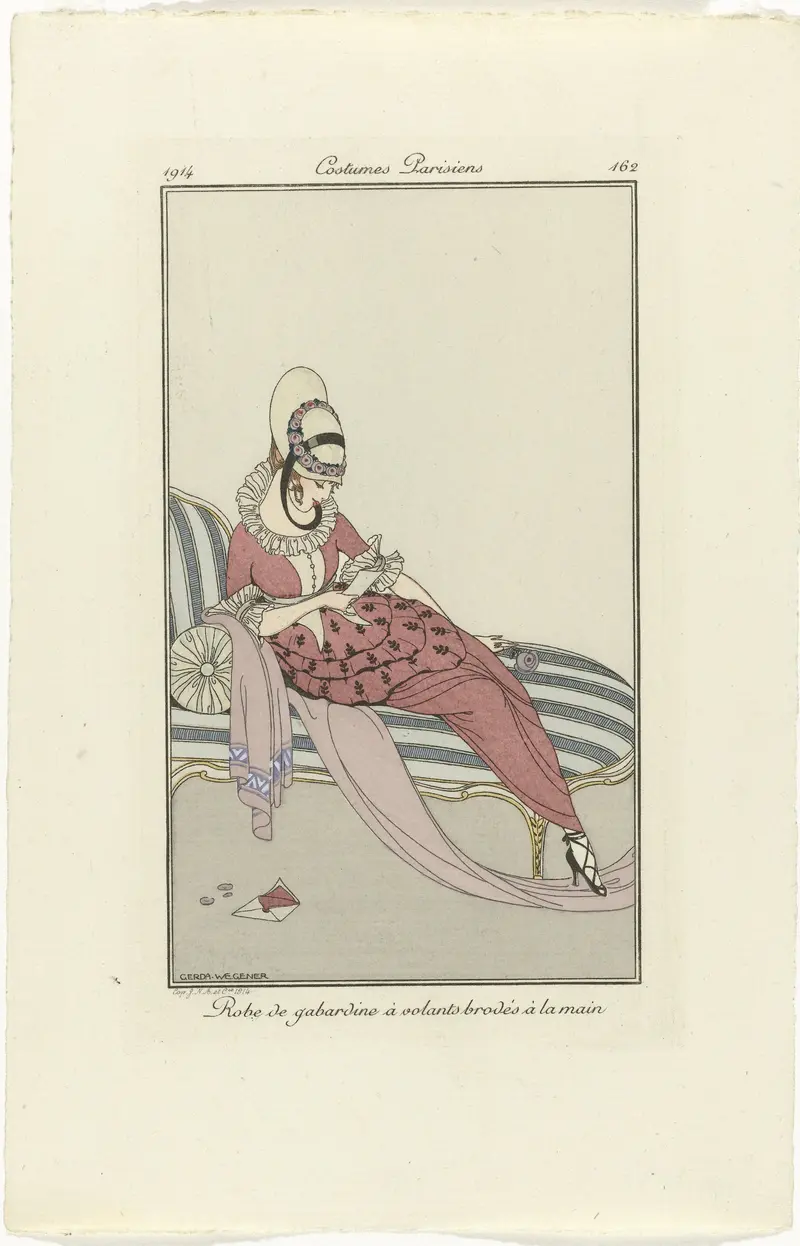
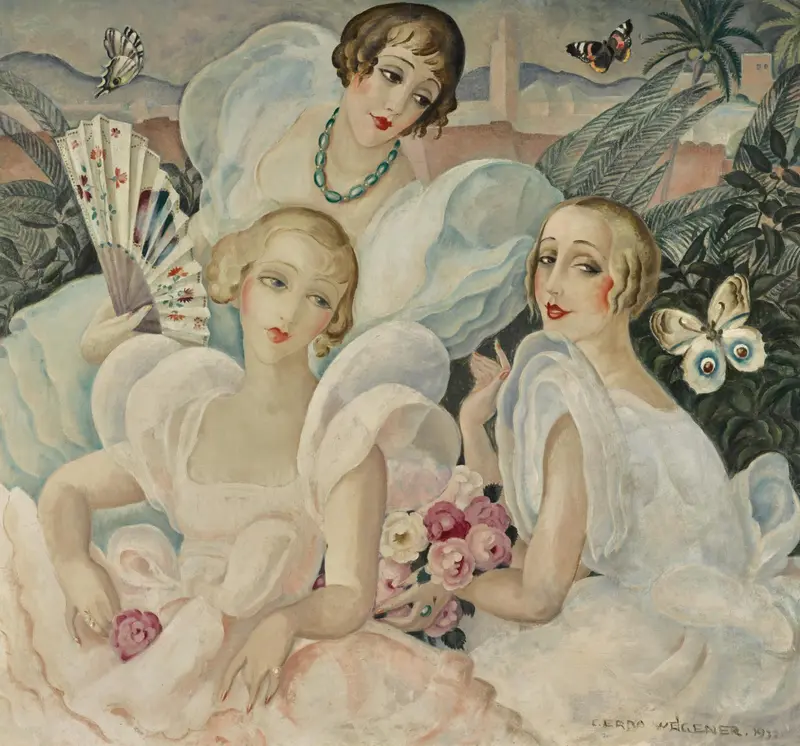 Gerda Wegener1885–1940. Danish painter in Paris from 1912 who drew fashion for Vogue and La Vie Parisienne; in 1923 the French state bought two of her paintings.
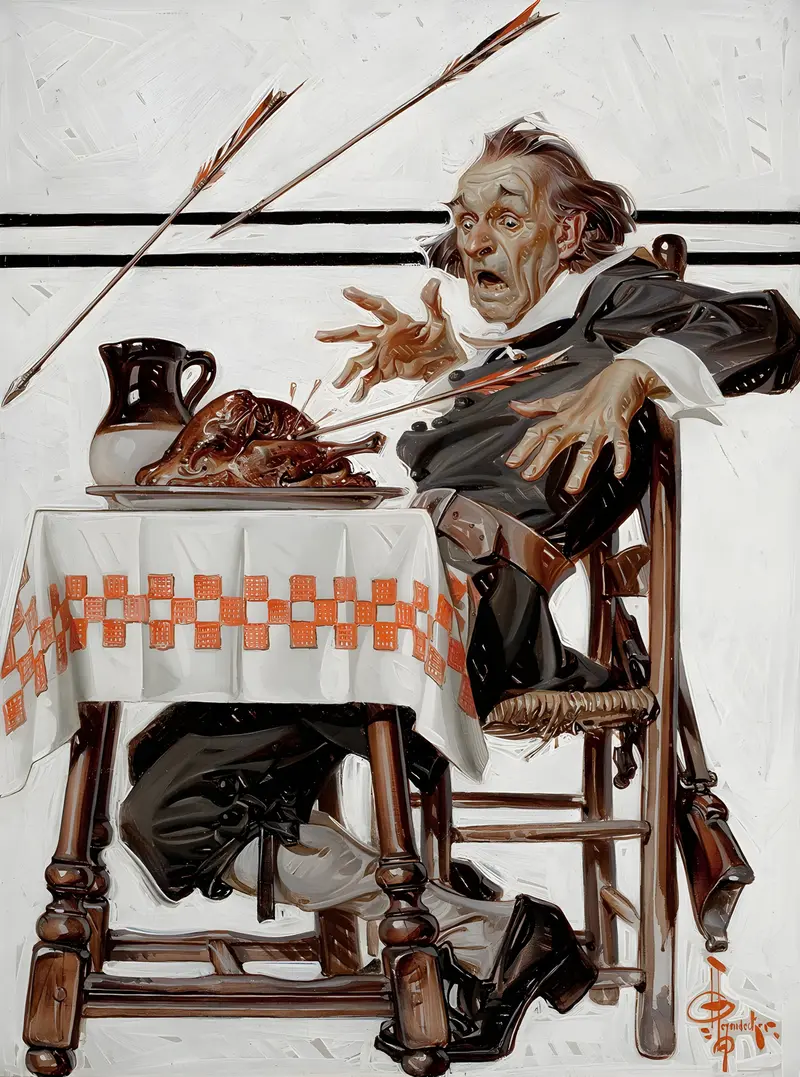
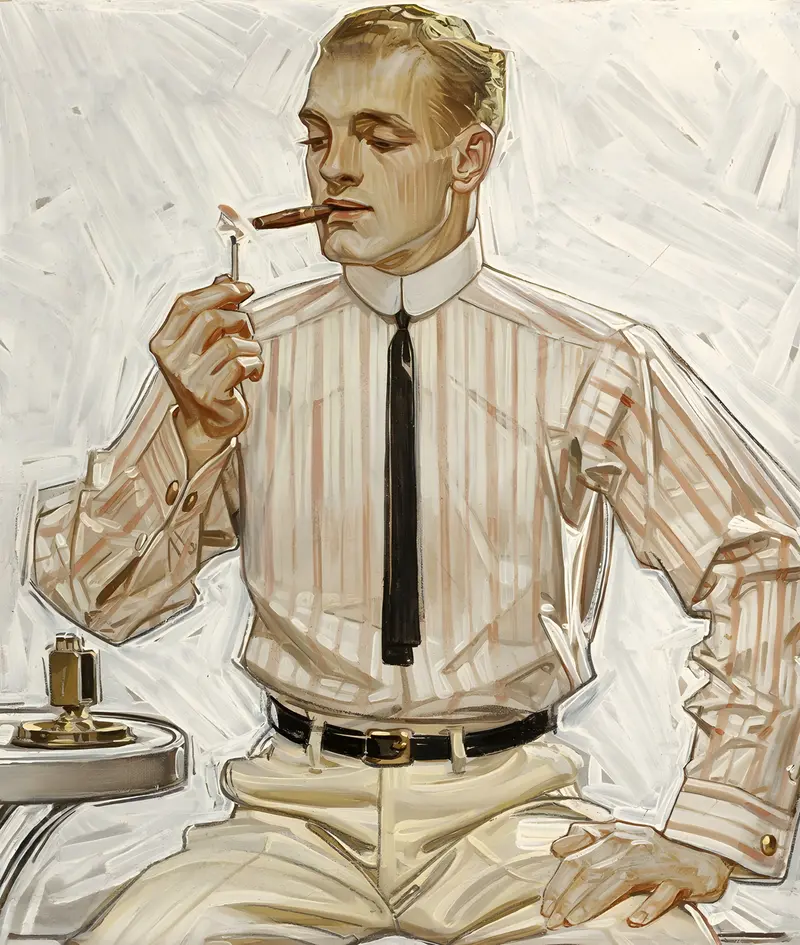
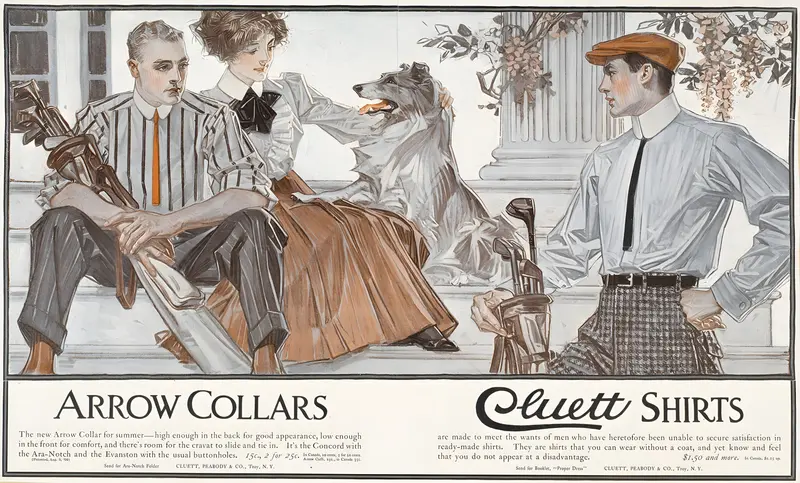
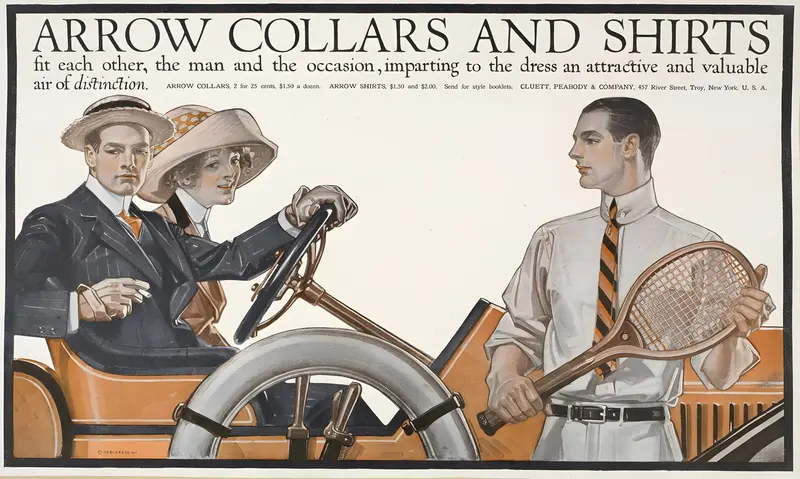
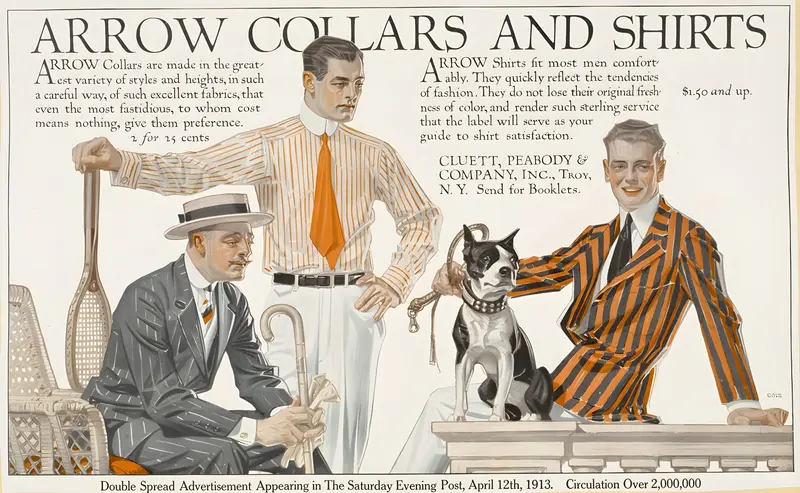
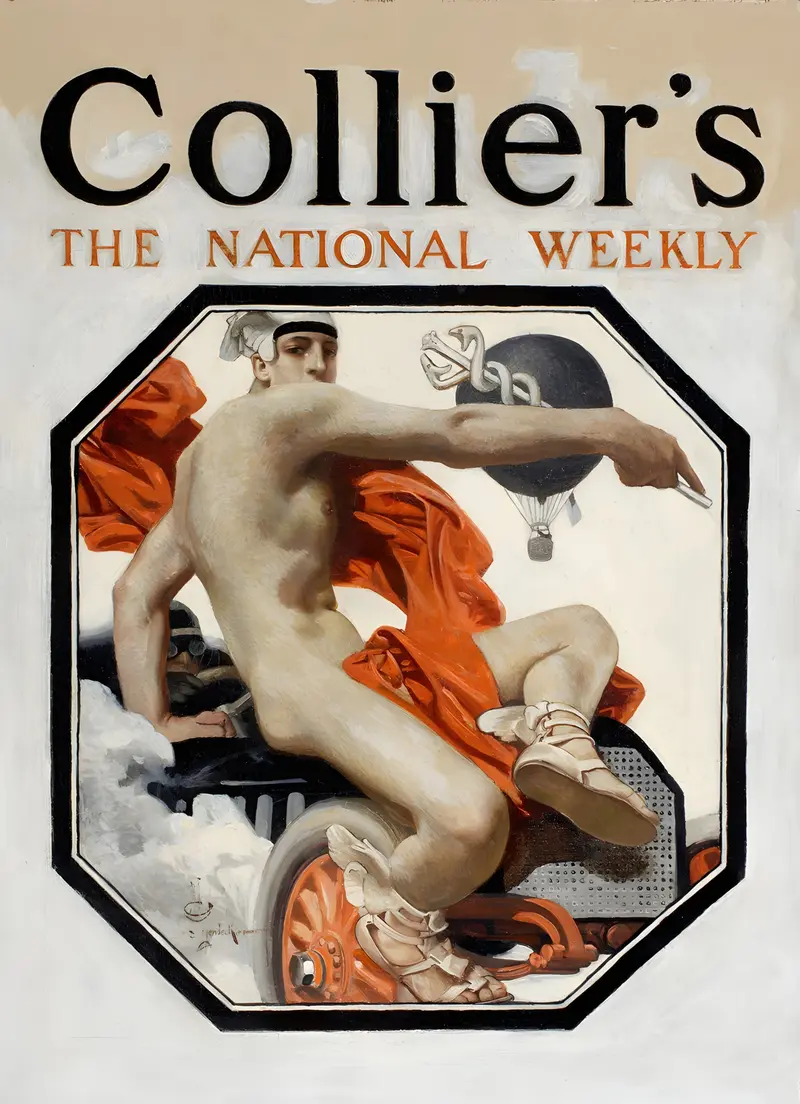 J. C. Leyendecker1874–1951. American illustrator who designed more than 400 magazine covers between 1896 and 1950, 322 of them for The Saturday Evening Post, and the Arrow Collar advertisements.
Art Deco travel posters
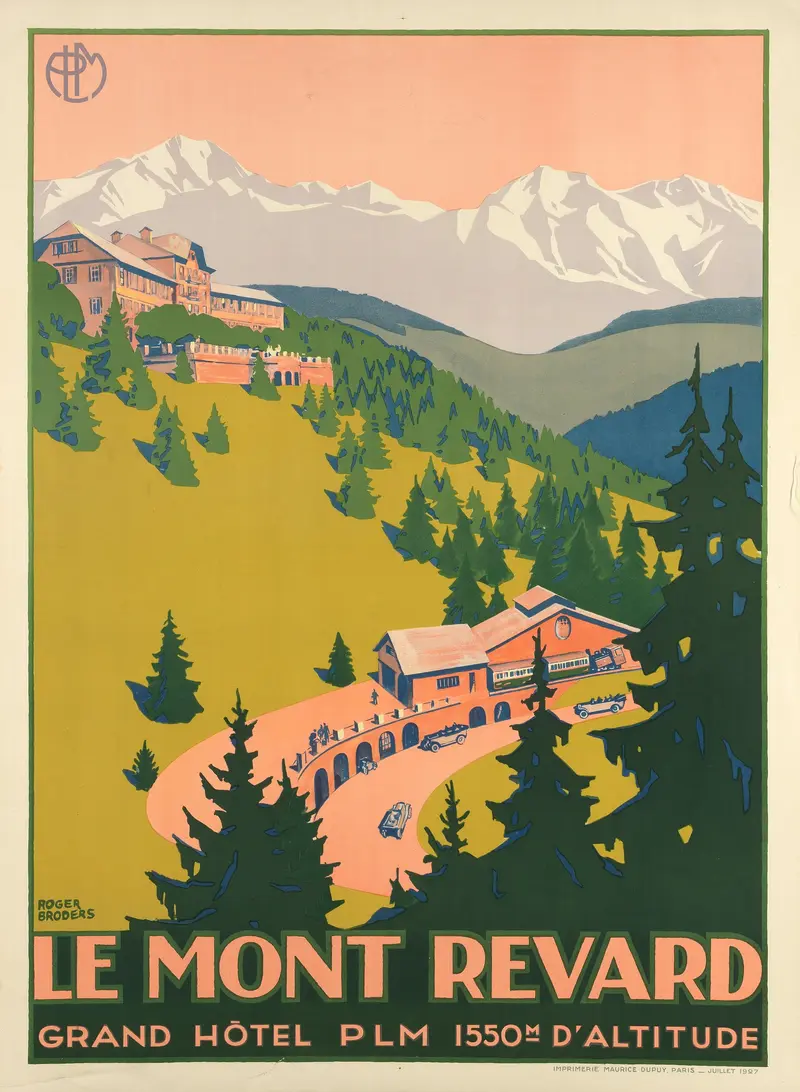
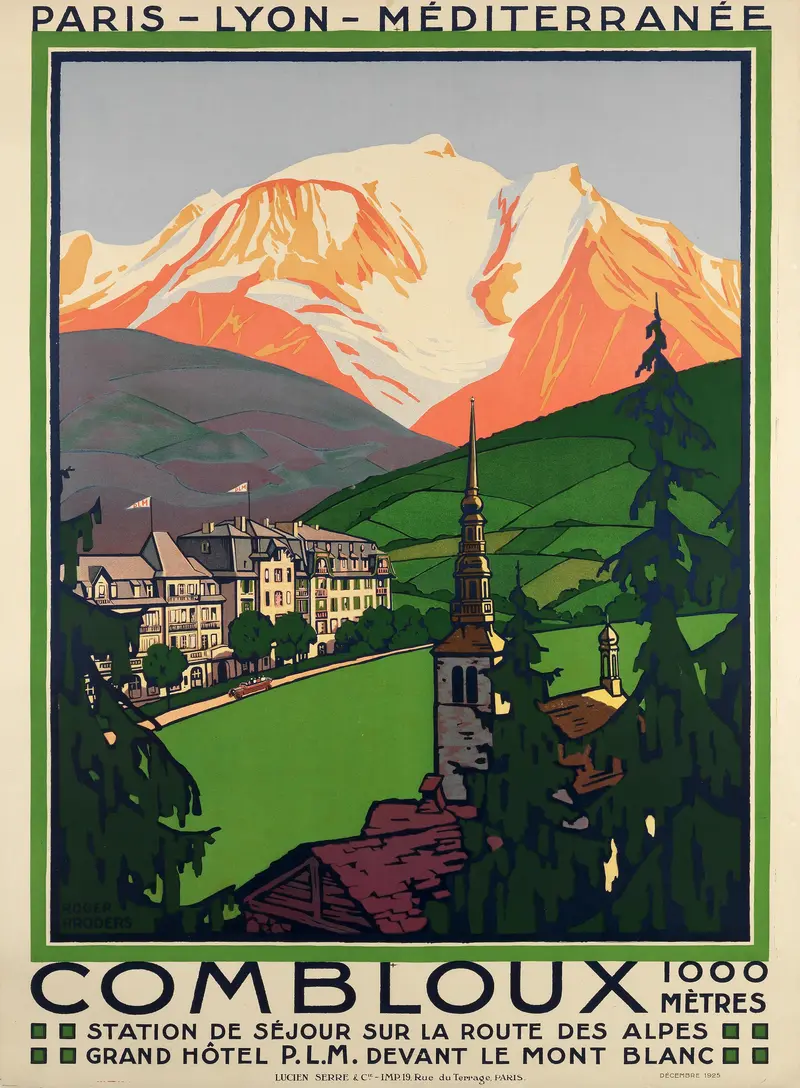
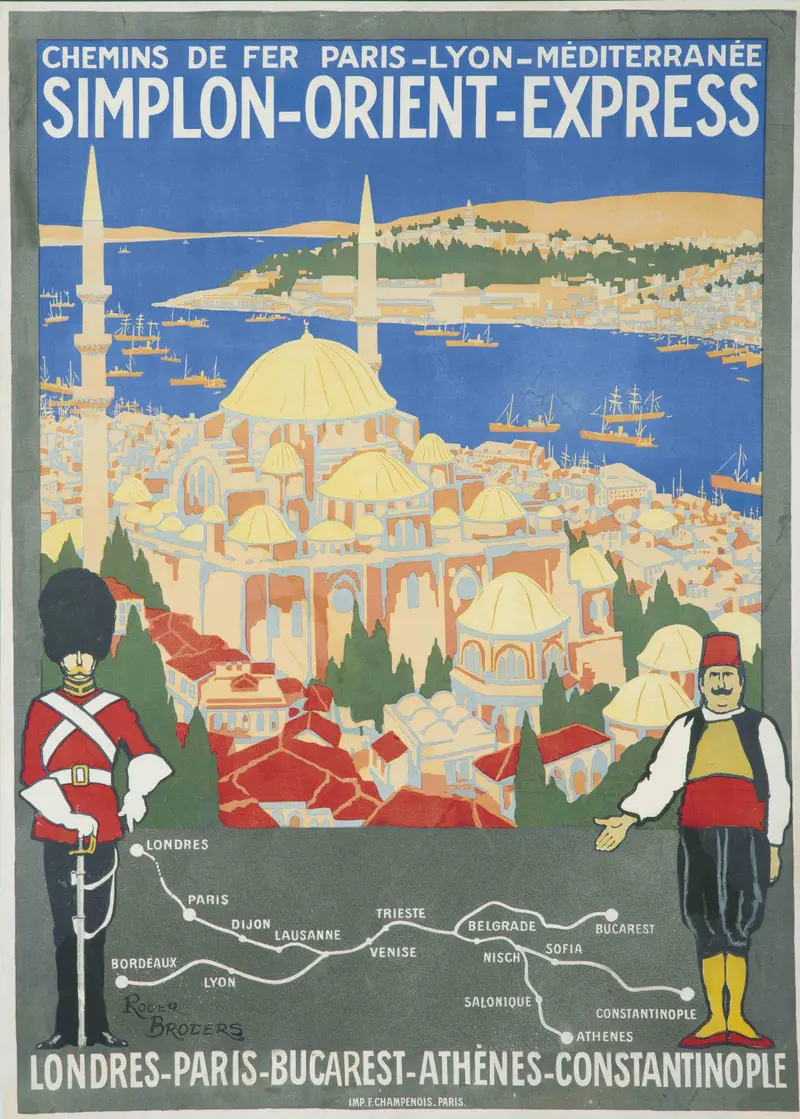
Railways commissioned posters to sell the journey. Roger Broders made around 100 posters, mainly for the Paris-Lyon-Méditerranée railway, of Alpine resorts and the Riviera, and the PLM even paid for him to visit the places he advertised.
Art Deco advertising posters and graphic design
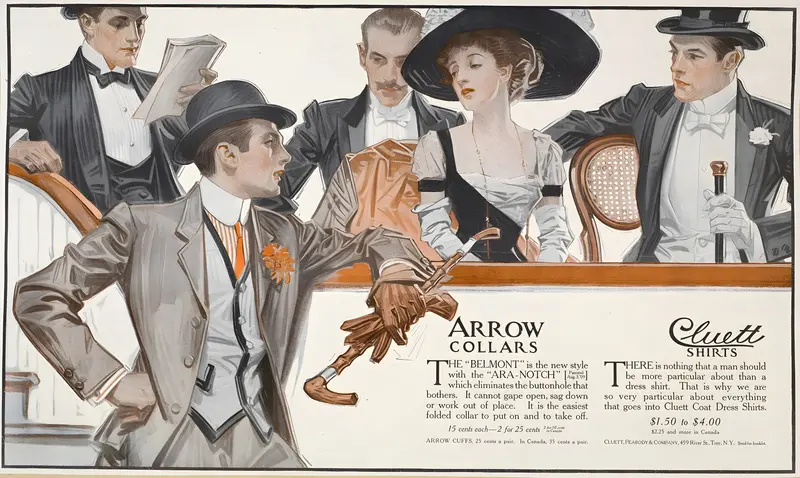
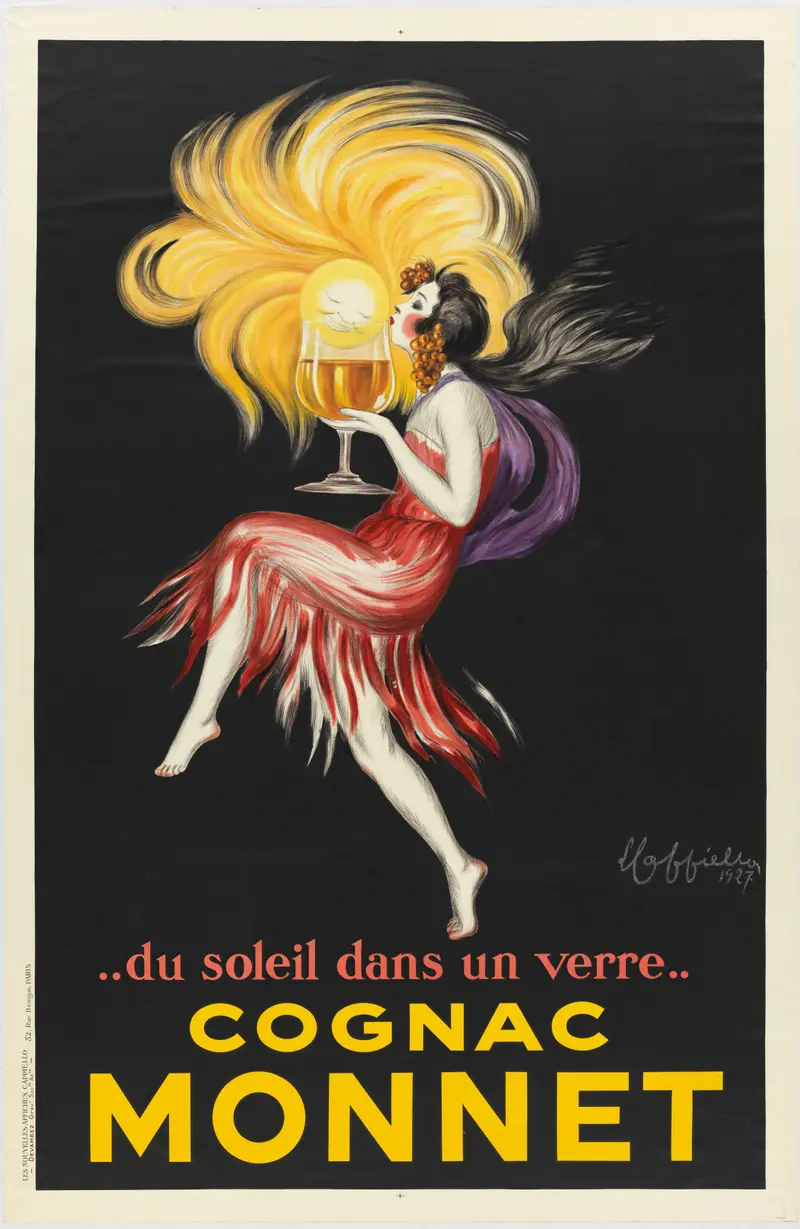
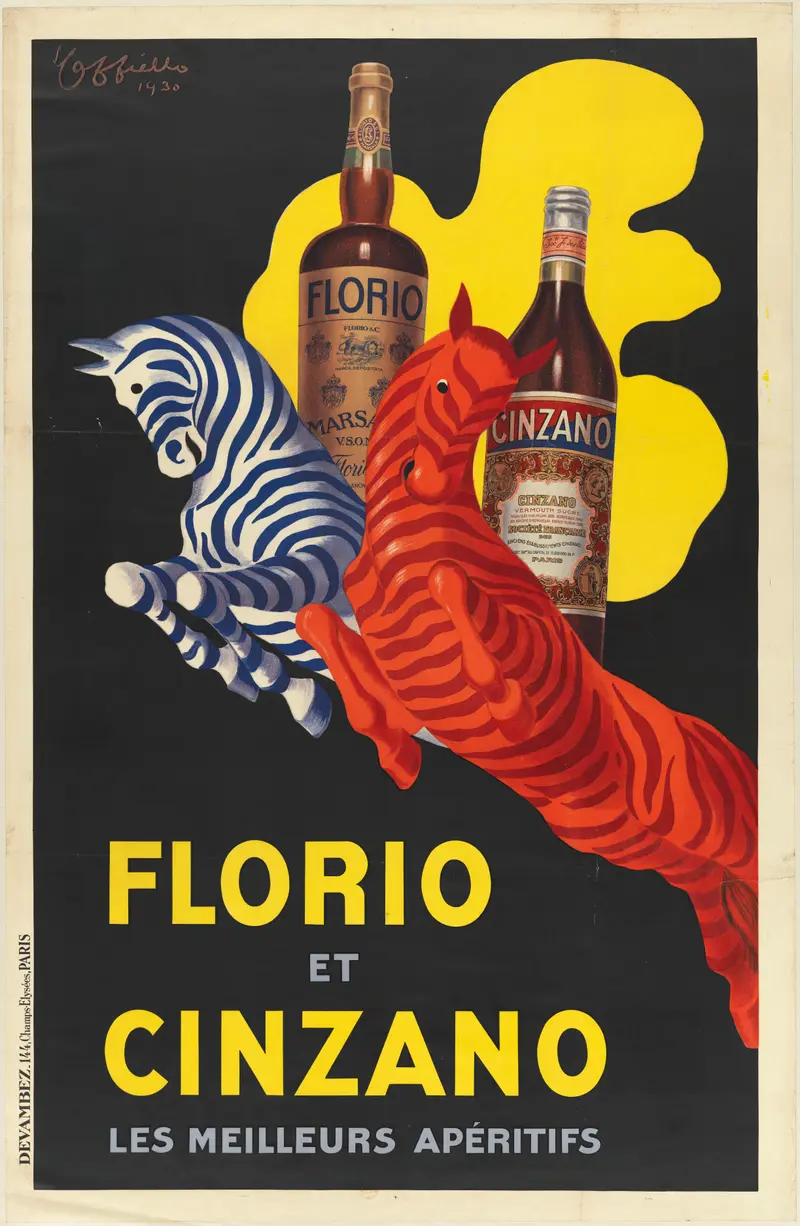
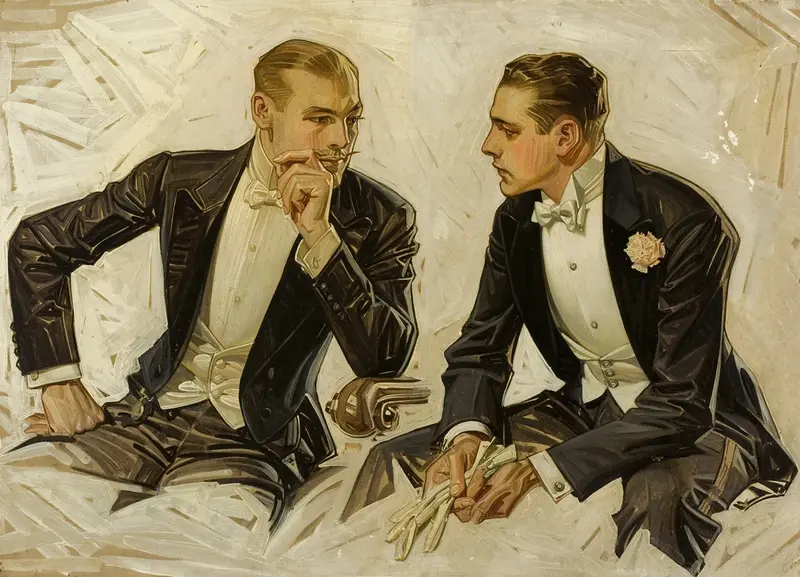
Cappiello turned brands into characters, bold figures that leap off a plain background, and in Buenos Aires from 1927 Achille Mauzan's colorful, often humorous Art Deco posters left a mark on Argentine graphic design. In the United States, J. C. Leyendecker painted hundreds of advertisements for Kuppenheimer clothes and Arrow collars from 1910.
Characteristics of Art Deco: how to recognize it
Simplified forms and vibrant color
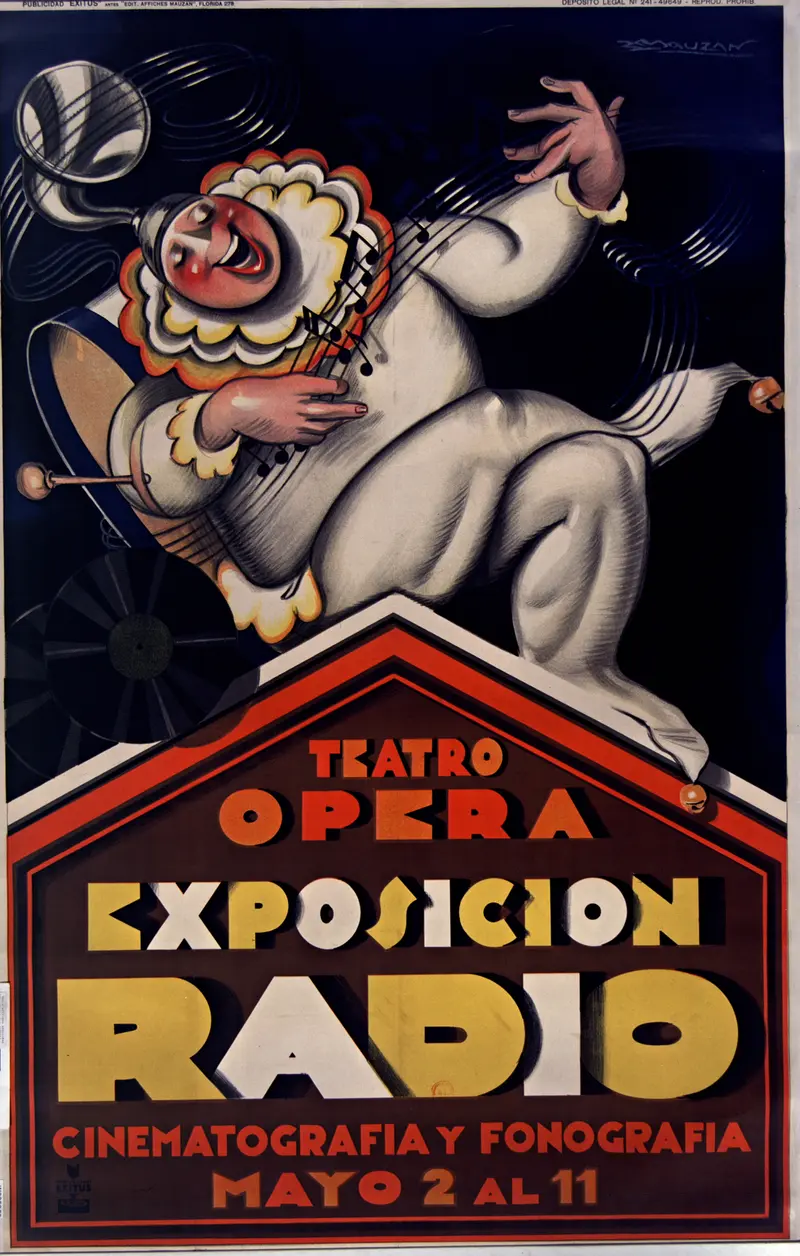
Mauzan turns the radio audience into pale masks with red lips and tall black hats, and builds the words 3a RADIO from blocks of color. The Getty's art vocabulary describes Art Deco by its rectilinear motifs, vibrant colors and elegant, abstracted, simplified forms.
Teatro Opera, 3a Exposición de Radio, Achille Mauzan

Geometry and the modern city
Boutet de Monvel painted New York from his own photographs and left out every superfluous detail, says MuMa Le Havre. Tate traces Art Deco's geometric character to Cubism, and the V&A calls New York the archetype of the streamlined Art Deco city.
Vue de New York, Bernard Boutet de Monvel
Speed: cars, trains and planes
A winged figure clears the road for a Cottin & Desgouttes car, with biplanes behind, under the slogan “the airplane of the road.” Tate lists modern ships, trains and cars among Art Deco's sources, and the V&A says its posters marveled at cruise ships and high-speed trains.
Cottin et Desgouttes l'avion de la route., Jean d'Ylen
One bold figure on a plain ground
A white polar bear rises out of a black ground behind a bar of Frigor chocolate. The V&A says Cappiello's figures leap or dance out of their plain backgrounds toward the viewer, and Poster House says Jean d'Ylen's posters kept the same formula: an exuberant, colorful figure set against a dark ground.
Frigor – Chocolat Cailler, Leonetto Cappiello
Paris fashion in stenciled color
A woman in an afternoon coat by Paul Poiret waits in a winter park, in a plate from the Gazette du Bon Ton of November 1920. The V&A, which files this plate under Art Deco, says the magazine had exclusive contracts with the fashion houses and added its jewel-like colors by hand through stencils.
L’Heure du rendez-vous ; Manteau d’après-midi, de Paul Poiret, Alexandre Jacovleff
Before and after Art Deco
 Art Nouveau1890s–1914
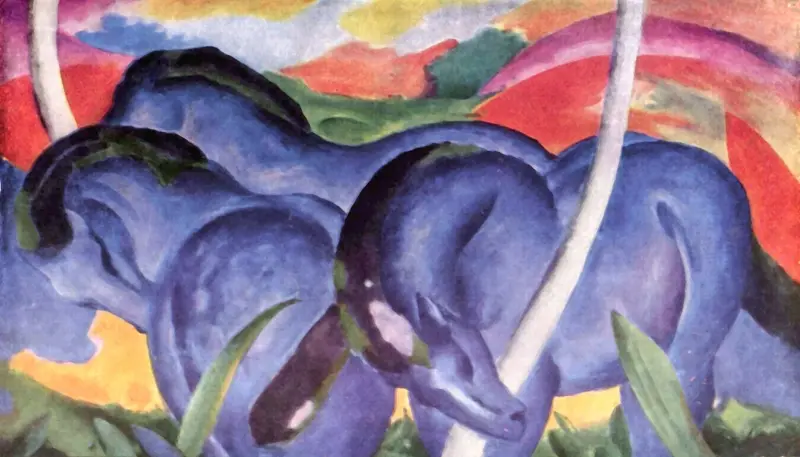 Expressionismc. 1905–1914
 Cubismc. 1907–1914
- Art Deco1920s–1930s
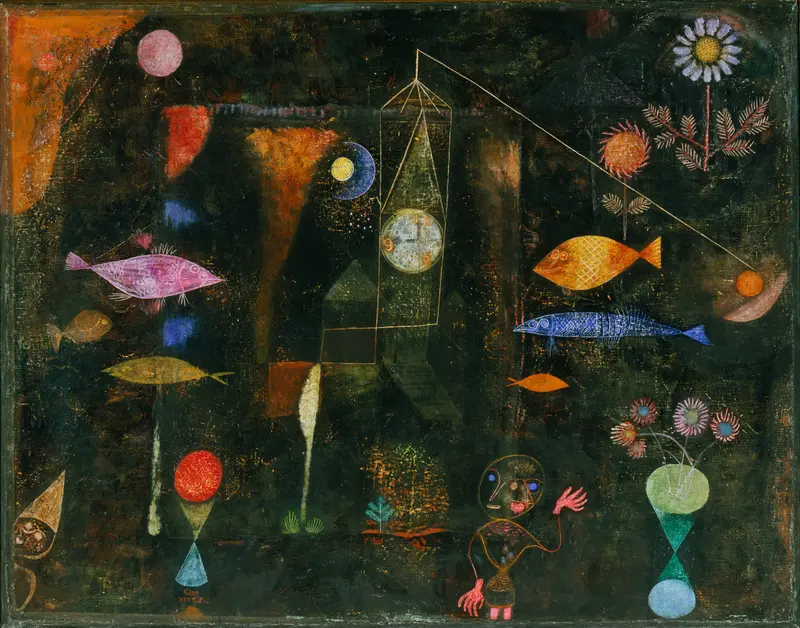 SurrealismFrom 1924
Art Deco vs Art Nouveau and Bauhaus
| Compared | Art Nouveau | Art Deco | Bauhaus |
|---|---|---|---|
| When | 1890s–1914 | 1920s–1930s | 1919–1933 |
| What it is | An international style in architecture and design | A style of design and decoration, posters, fashion and architecture | A German school of art, architecture and design |
| Look | Sinuous lines and flowing plant forms | Geometric shapes, vibrant color, sunbursts and zigzags | Simple geometric forms for everyday use |
| Drew on | Plant forms and nature | Cubism, ancient Egypt, the Aztecs, ships, trains and cars | Fine art, design and craft on equal terms |
| Key artists | Mucha, Klimt, Beardsley | Cappiello, Broders, Cassandre, Lempicka | Gropius, Kandinsky, Klee, Moholy-Nagy |
List of famous Art Deco posters and prints and their artists
The famous Art Deco posters and prints: who designed them, when, and which museum holds the copy we name.
Show the listHide the list
| Poster or print | Designed by | Year | Medium | Size | Located in | City |
|---|---|---|---|---|---|---|
| Le Tour du Mont Blanc | Roger Broders | 1927 | Color lithograph | 101.6 × 63.5 cm (40 × 25 in) | Victoria and Albert Museum | London |
| L'Heure du rendez-vous (Gazette du Bon Ton) | Alexandre Jacovleff | 1920 | Pochoir print with hand-coloring | 17.8 × 13.2 cm (7 × 5.2 in) | Victoria and Albert Museum | London |
| Teatro Ópera, Third Radio Exhibition | Achille Mauzan | 1930 | Color lithograph | 157 × 105 cm (61.8 × 41.3 in) | Bibliothèque nationale de France | Paris |
| Effet de glace (Gazette du Bon Ton) | Alexandre Jacovleff | 1920 | Pochoir print | Rijksmuseum | Amsterdam | |
| Monaco, Monte-Carlo, in the Land of the Sun | Roger Broders | c. 1920 | Color lithograph | Victoria and Albert Museum | London | |
| Frigor, Chocolat Cailler | Leonetto Cappiello | 1929 | Color lithograph | 128 × 90.5 cm (50.4 × 35.6 in) | Basel Poster Collection | Basel |
| Rome, by the Rome Express Luxury Train | Roger Broders | 1921 | Color lithograph | Library of Congress | Washington | |
| Teatro Solís, Carnival 1923 | Achille Mauzan | 1923 | Color lithograph | 64 × 45 cm (25.2 × 17.7 in) | Bibliothèque nationale de France | Paris |
| Cottin & Desgouttes, the Airplane of the Road | Jean d'Ylen | 1926 | Color lithograph | Bibliothèque nationale de France | Paris | |
| Establ. Musical Neumann | Achille Mauzan | 1927 | Color lithograph | 110 × 74 cm (43.3 × 29.1 in) | Bibliothèque nationale de France | Paris |
| Omega | Leonetto Cappiello | 1920 | Color lithograph | 126 × 95 cm (49.6 × 37.4 in) | Basel Poster Collection | Basel |
| Diablerets, the Generous Aperitif | Jean d'Ylen | c. 1920 | Color lithograph | 128 × 90.5 cm (50.4 × 35.6 in) | Basel Poster Collection | Basel |
| Cigarettes Araks | Leonetto Cappiello | 1925 | Color lithograph | 160 × 118 cm (63 × 46.5 in) | Bibliothèque nationale de France | Paris |
| Mistinguett | Charles Gesmar | 1925 | Color lithograph | 160 × 119 cm (63 × 46.9 in) | Basel Poster Collection | Basel |
| Rhum Charleston | Jean d'Ylen | 1925 | Color lithograph | 169 × 100 cm (66.5 × 39.4 in) | Bibliothèque nationale de France | Paris |
Art Deco: questions and answers
What is Art Deco, and what does it mean in art?
In art, Art Deco means the geometric, glamorous style of the 1920s and 1930s in design, posters, fashion and architecture. The name is short for arts décoratifs, after the International Exhibition of Modern Decorative and Industrial Arts held in Paris in 1925, but the V&A notes that the term was coined only in the 1960s; at the time the style was called Style Moderne. The Getty's art vocabulary describes it by its rectilinear motifs, vibrant colors and elegant, abstracted, simplified forms.
Sources: V&A: An introduction to Art Deco · V&A: Art Deco printmakers · Getty AAT: Art Deco
What are the characteristics of the Art Deco style?
Art Deco is recognized by bold geometry, vibrant color and a taste for luxury and speed. Tate says its chief difference from Art Nouveau is the influence of Cubism, which gives it a more fragmented, geometric character, and that it drew on ancient Egyptian and Aztec art and on the design of modern ships, trains and cars. The V&A names the sunburst, the zigzag and ziggurat patterns among its motifs, and the Musée des Arts Décoratifs in Paris speaks of clean lines, geometry, symmetry and luxurious, refined materials.
Sources: Tate: Art deco · V&A: Art Deco printmakers · Musée des Arts Décoratifs: the 1925 exhibition (French)
When was the Art Deco era?
The Art Deco era ran through the 1920s and 1930s, with roots before the First World War. The V&A dates the style from roughly 1910 to 1940 and says the Paris exhibition of 1925 launched it on a global scale. After the stock market crash of 1929 its optimism faded; by the mid-1930s it was derided as a gaudy, false image of luxury, and it went out of fashion around 1940.
Sources: V&A: Art Deco printmakers · V&A: An introduction to Art Deco
Where did Art Deco start?
Art Deco started in Paris. The Musée des Arts Décoratifs says the International Exhibition of Modern Decorative and Industrial Arts of 1925, planned before the First World War to make a break with Art Nouveau, consecrated the style. The V&A says the exhibition brought together thousands of designers from all over Europe and beyond, among them the furniture designer Émile-Jacques Ruhlmann and the glass designer René Lalique.
Sources: Musée des Arts Décoratifs: the 1925 exhibition (French) · V&A: An introduction to Art Deco
Who were the main Art Deco artists?
The best-known Art Deco artists include the painter Tamara de Lempicka, the poster designer A. M. Cassandre, the fashion illustrator Erté, the glass designer René Lalique and the furniture designer Émile-Jacques Ruhlmann. Among poster artists and illustrators, the V&A also names Edward McKnight Kauffer, Roger Broders, George Barbier and Georges Lepape. Lempicka, Cassandre and Erté died after 1955, so their work is still in copyright, but the posters of Leonetto Cappiello, Broders, Achille Mauzan and Charles Gesmar, who died between 1928 and 1953, are now in the public domain.
Sources: V&A: A short history of the poster · V&A: Art Deco printmakers · V&A: An introduction to Art Deco · Centre Pompidou: Tamara de Lempicka, Jeune fille en vert · Getty ULAN: Tamara de Lempicka · Getty ULAN: Cassandre · Getty ULAN: Erté · Getty ULAN: Leonetto Cappiello · Bibliothèque nationale de France: Roger Broders (1883-1953), poster record (French) · Getty ULAN: Achille Mauzan · Getty ULAN: Charles Gesmar
Are Tamara de Lempicka's paintings in the public domain?
No, not in most countries. Lempicka died in 1980, so her paintings are protected until 70 years after her death wherever copyright lasts that long; the Centre Pompidou credits its Young Woman in Green to her estate and the French rights society ADAGP. The same holds for Cassandre, who died in 1968, and Erté, who died in 1990, so we do not show their work. In the United States, works first published before 1931 are in the public domain, but we follow the stricter rule.
Sources: Centre Pompidou: Tamara de Lempicka, Jeune fille en vert · Getty ULAN: Tamara de Lempicka · Getty ULAN: Cassandre · Getty ULAN: Erté · Cornell University Library: Copyright Term and the Public Domain
What is the difference between Art Deco and Art Nouveau?
Art Nouveau, from the 1890s to 1914, is built on flowing curves taken from plants; Art Deco, which followed after the First World War, prefers geometry. Tate calls Art Deco both a successor to and a reaction against Art Nouveau, and says its chief difference is the influence of Cubism, although plant forms and curves remained in some Art Deco design. The V&A says the same of posters: the excessive ornament of Art Nouveau gave way to more angular Art Deco designs.
Sources: Tate: Art deco · Tate: Art nouveau · V&A: A short history of the poster
What are Art Deco posters?
Art Deco posters are the advertising and travel posters of the 1920s and 1930s, printed as color lithographs and built on bold, simplified shapes. The V&A says they marveled at cruise ships and high-speed trains, as in the work of A. M. Cassandre and Edward McKnight Kauffer. Railways such as the Paris-Lyon-Méditerranée commissioned posters of their destinations from Roger Broders, and drink and food brands hired Leonetto Cappiello, Jean d'Ylen and Achille Mauzan.
Sources: V&A: A short history of the poster · V&A: Art Deco printmakers · V&A: Café Martin (Leonetto Cappiello, 1924) · Poster House: Chantier Houiller (Jean d'Ylen) · Poster House: M. Alvarez (Achille Mauzan)
What is Art Deco illustration?
Art Deco illustration is the fashion and magazine art of the 1910s to the 1930s. The V&A says the Gazette du Bon Ton, published in Paris from 1912 to 1925, employed the best illustrators of the day, had exclusive contracts with fashion houses and printed its plates on expensive paper, with jewel-like colors added by hand through stencils. Its artists included George Barbier and Georges Lepape, and Erté designed the bulk of the covers of Harper's Bazaar, 240 in all, until 1937.
Sources: V&A: L'Heure du Rendez-vous (Gazette du Bon Ton, 1920) · V&A: Art Deco printmakers
What is the difference between Art Deco and Bauhaus?
Art Deco was a decorative style that loved luxury and ornament; the Bauhaus was a German school of art, architecture and design that set out to bring art back into everyday life. Tate says Walter Gropius founded the Bauhaus in Weimar in 1919, that it moved to Dessau in 1925–26 and that the Nazis closed it in Berlin in 1933. The two met: Tate notes that Art Deco also drew on the modern architecture and design of the Bauhaus and of Le Corbusier and Mies van der Rohe.
Sources: Tate: Bauhaus · Tate: Art deco
Why did Art Deco end?
Art Deco faded with the Depression and the Second World War. The V&A says the optimism of the 1920s declined after the stock market crash of 1929; by the mid-1930s the style was derided as a gaudy, false image of luxury, and by the outbreak of war the hostility had become intense. It went out of fashion around 1940, the V&A adds, and came back in a huge revival in the 1960s and smaller ones from the 1980s.
Sources: V&A: An introduction to Art Deco · V&A: Art Deco printmakers
What did 1920s art look like?
In design, posters and fashion, the look of the 1920s was Art Deco. The V&A calls it a style about pleasure and modernity that reflected fast-paced city life with bold geometric forms, and says designers eagerly absorbed the visual language of avant-garde movements such as Cubism, Futurism and De Stijl to capture the dynamism of the modern world. In Germany, the Bauhaus school, founded in 1919, set out to bring art back into everyday life.
Sources: V&A: Art Deco printmakers · V&A: An introduction to Art Deco · Tate: Bauhaus
Is Art Deco art in the public domain, and can I download it free?
Much of it is. The famous Art Deco posters and prints we chose are all dated 1930 or earlier, by artists who died in 1955 or earlier, so they are in the public domain both in the United States and in countries where copyright ends 70 years after the artist's death, and you can download them free. Posters first published in 1931 or later may still be protected in the United States, so check the date if you publish there. Much of the best-known Art Deco art, by Lempicka, Cassandre and Erté, is still in copyright.
Sources: Cornell University Library: Copyright Term and the Public Domain
How we chose the famous posters and prints
The famous works on this page are Art Deco posters and prints rather than paintings: Art Deco was first of all a style of design, decoration and architecture, which we do not collect, and its best-known paintings, by Tamara de Lempicka, are still in copyright. On our other movement pages we measure fame by the number of languages that have an encyclopedia entry about a work, but no Art Deco poster or print in our collection has an entry in two languages, so here we went by documented importance instead, checked in November 2026. First come works that the museum holding them classes as Art Deco in its own record, then designs held by an art or design museum, then designs whose image is shown in the most language editions of the encyclopedia, then the older works. We counted only designs held by a museum, a national library or a public poster collection that has a catalog record of the design, and no artist has more than three works.
Every work is dated 1930 or earlier, by an artist who died in 1955 or earlier. Posters and prints were made in many copies, so the museum we name holds one of them. We left out designs whose image in our collection shows the poster mounted on board, with a library stamp or label, or with printer's color bars, among them Broders' Marseille, Gateway to North Africa, which the V&A also classes as Art Deco, until we have clean copies.
Dates, sizes and locations come from the records of the Victoria and Albert Museum, the Rijksmuseum, the Bibliothèque nationale de France, the Library of Congress and the Basel Poster Collection.
Spotted a mistake? Tell us and we will correct it.