
A. Anker – Monument at Basel. — History & Facts
The essence of transformation unfolds quietly within the layers of this painting, where the intersection of time and memory creates a palpable tension. Each brushstroke invites reflection, allowing the viewer to ponder the nature of change and permanence in life. Look to the left at the monument's imposing silhouette, standing resilient against a backdrop of soft blues and greens. The gentle hues contrast with the monument's starkness, while dappled light dances across the surface, revealing intricate details that hint at the stories embedded within the stone.
The composition, centered around this monumental figure, draws the eye upward, evoking a sense of reverence for the past, while the surrounding landscape breathes life into the frame. Hidden within the serene surroundings, emotional tensions arise. The juxtaposition of the still monument against the fluidity of nature symbolizes the struggle between endurance and erosion. Delicate brushwork captures the play of light on the foliage, suggesting that while the monument remains steadfast, the world around it is in constant flux.
This contrast invites viewers to explore their own personal narratives of transformation, reflecting on what remains and what is lost. Created in 1881, this piece emerged during a period of artistic exploration for Theodor Gsell Fels, who was deeply influenced by both realism and impressionism. Working in Basel, he sought to encapsulate the spirit of his time, as society grappled with rapid changes brought by the Industrial Revolution. As artists pushed the boundaries of tradition, this painting stands as a testament to the profound dialogue between history and the evolving world.
More Artworks by Theodor Gsell Fels
Browse all →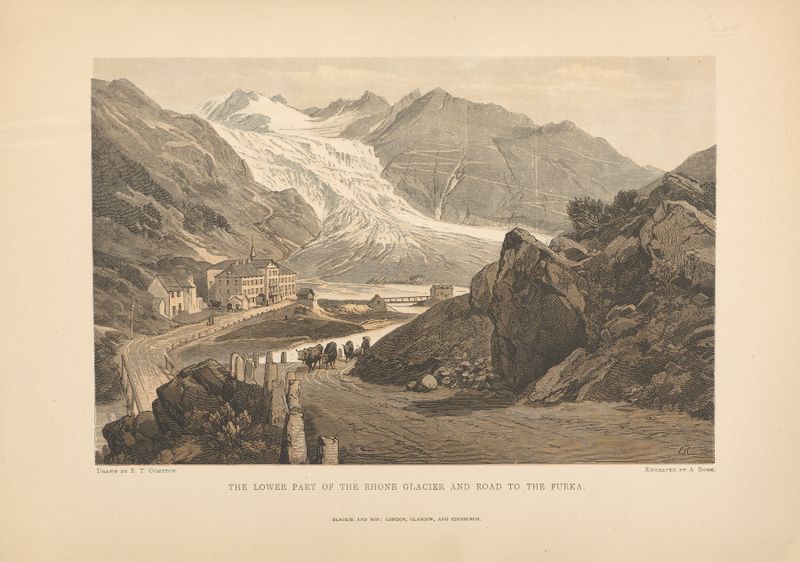
E. T. Compton – The Lower Part of the Rhone Glacier and Road to Furka
Theodor Gsell Fels

G. Closs – The Devil’s Bridge—St. Gothard Road, Schóllenen Gorge
Theodor Gsell Fels
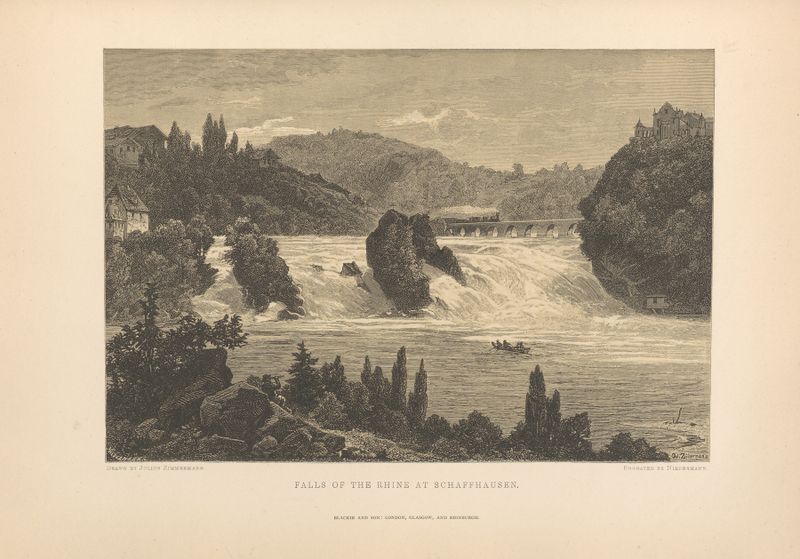
Julius Zimmermann – Falls of the Rhine at Schaffhausen
Theodor Gsell Fels
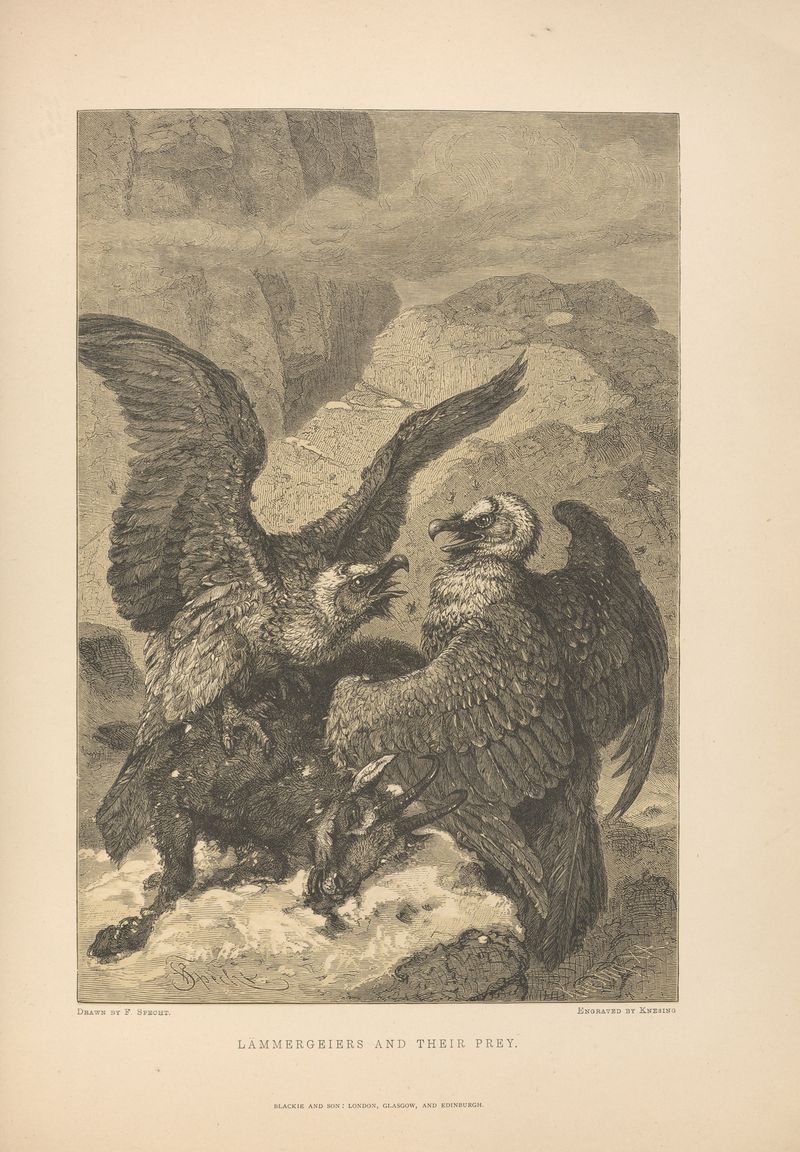
F. Specht – Lammergeiers and their Prey
Theodor Gsell Fels
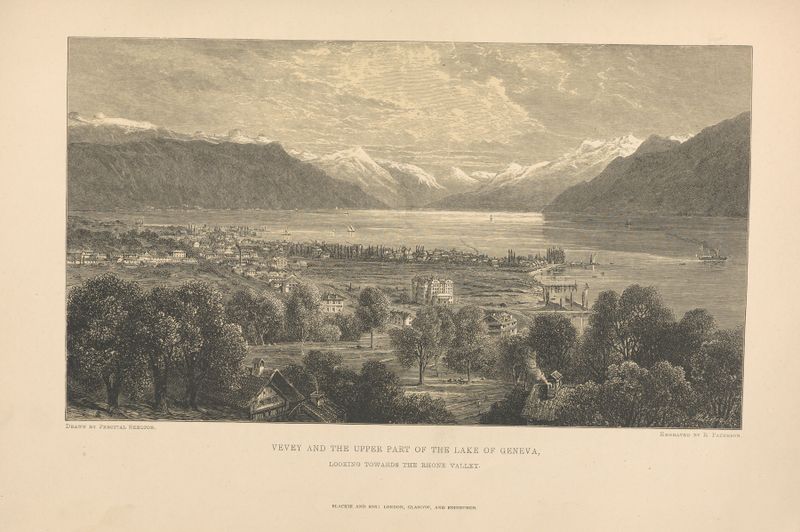
Percival Skelton – Vevay, and the Upper Part of the Lake of Geneva
Theodor Gsell Fels

E. T. Compton – The Jungfrau, and Opening of the Lauterbrunnen Valley
Theodor Gsell Fels

P. Weber – Departure of Steamer from Lucerne
Theodor Gsell Fels
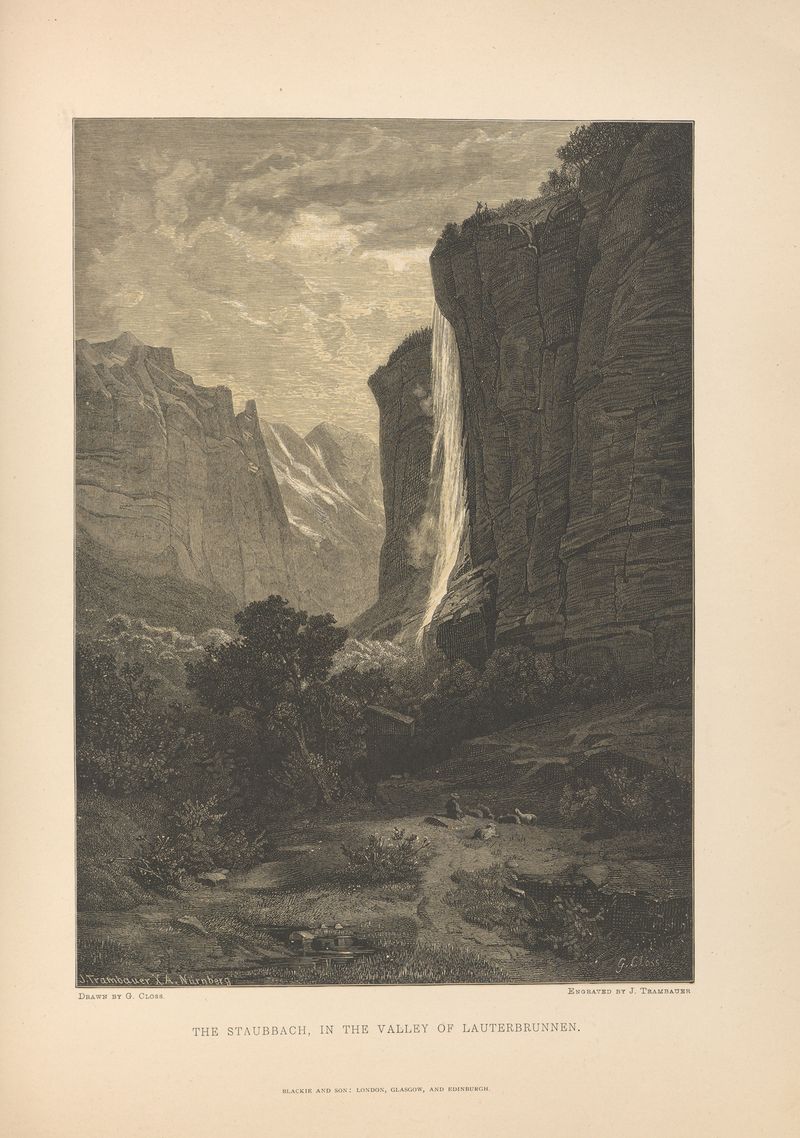
G. Closs – The Staubbach, in the Valley of Lauterbrunnen
Theodor Gsell Fels
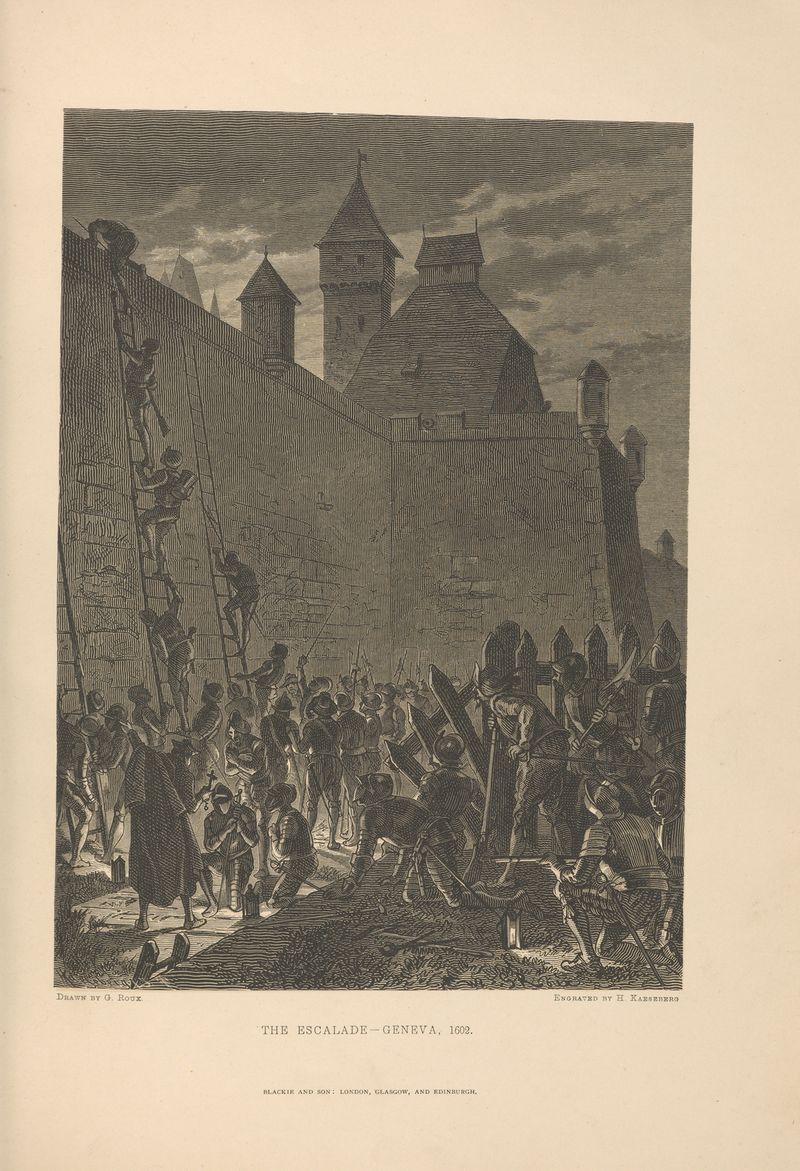
G. Roux – The Escalade, Geneva
Theodor Gsell Fels
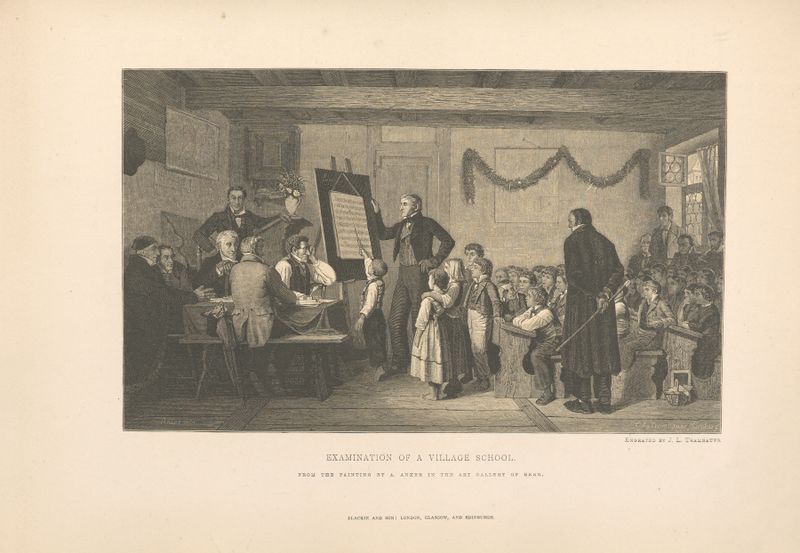
A. Anker – Examination of a Village School
Theodor Gsell Fels
More Architecture Art
Browse all →
The statue of Liberty
Frédéric Auguste Bartholdi

View of Houses in Delft, Known as ‘The Little Street’
Johannes Vermeer

View of Houses in Delft, Known as ‘The Little Street’
Johannes Vermeer

The Cathedral in Rouen. The portal, Grey Weather
Claude Monet

The yellow house
Vincent van Gogh

The Church in Auvers-sur-Oise, View from the Chevet
Vincent van Gogh