
A. Calderoni Gioielliere — History & Facts
What first catches the eye is the theatrical contrast between the cool, architectural blue of the city and the warm, living presence of the woman in orange. She sits poised, almost statuesque, yet entirely absorbed in the shimmer of jewels she draws from an ornate box—her gesture both delicate and deliberate, as if weighing the promise of each piece. The swirling Art Nouveau lines frame her like a stage, guiding the viewer’s gaze from the stylized flowers down to her bare feet and back up to the treasures in her hand.
The building behind, rendered in a dreamy wash, is not mere backdrop but a signpost: this is the world of A. Calderoni Gioielliere, where modern Milan and the allure of luxury meet. Even the lettering seems to dance, echoing the movement of her arm and the sparkle of the gems. Created in 1898, this work by Adolfo Hohenstein belongs to the golden age of Art Nouveau advertising, when posters were not just announcements but invitations to a new kind of urban sophistication.
Such images were commissioned by ambitious businesses eager to project glamour and innovation, and jewelers like Calderoni were at the forefront, using the language of modern design to entice a growing bourgeois clientele. Hohenstein, a pioneer of Italian poster art, brings together the era’s fascination with elegance, femininity, and the city itself. History has kept few traces of this specific poster’s journey, but its presence in a digital collection today lets us step back into a moment when art and commerce were inseparable—and invites us to linger over every detail.
More Artworks by Adolfo Hohenstein
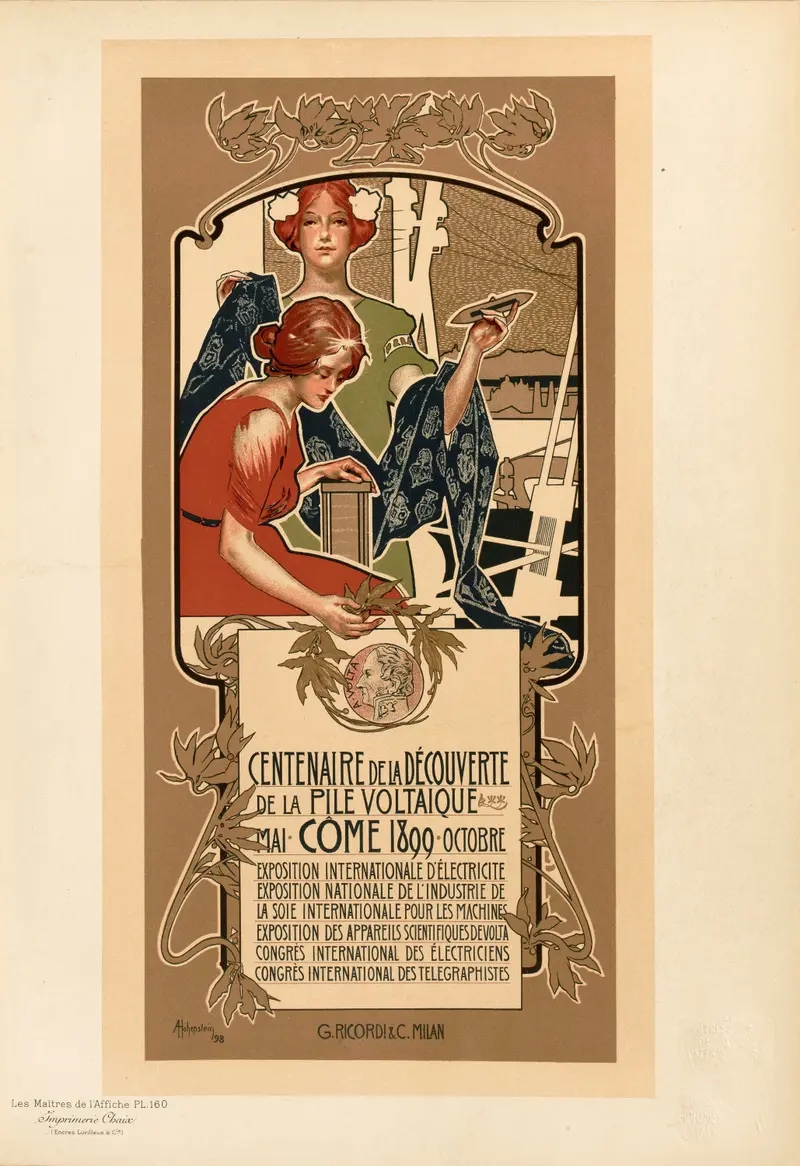
Centenaire de la Pile Voltaïque, Côme 1899
Adolfo Hohenstein
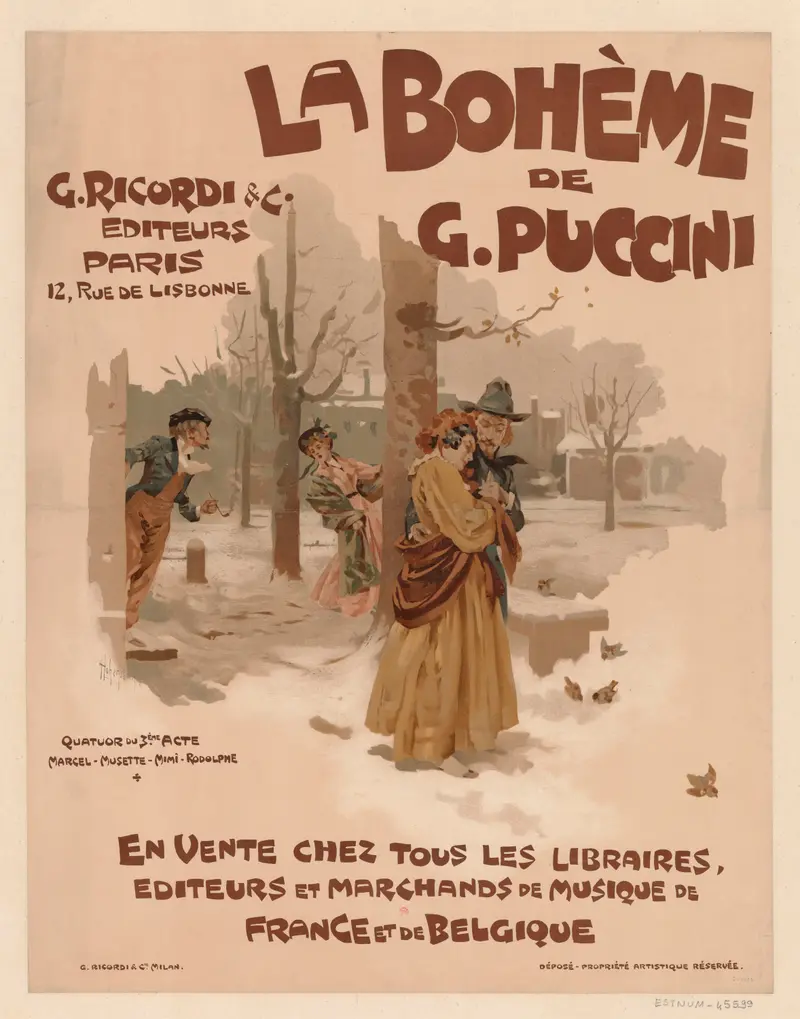
La Bohème de G. Puccini
Adolfo Hohenstein
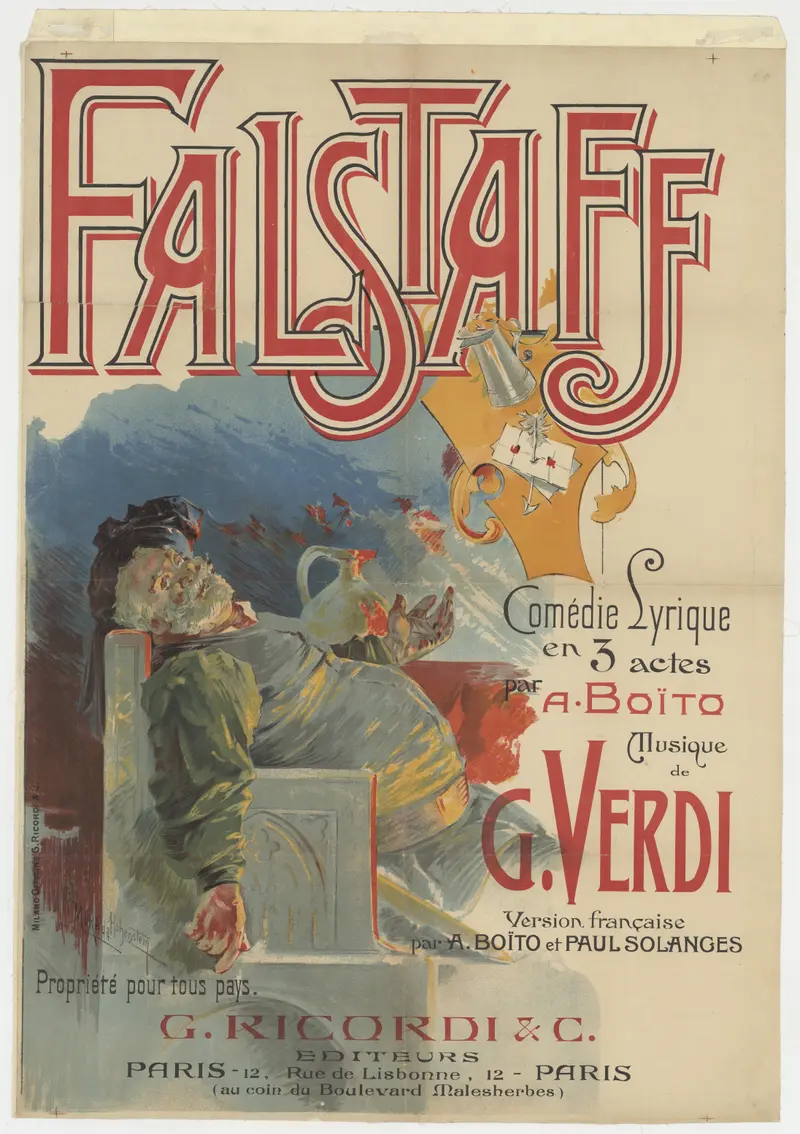
Falstaff
Adolfo Hohenstein
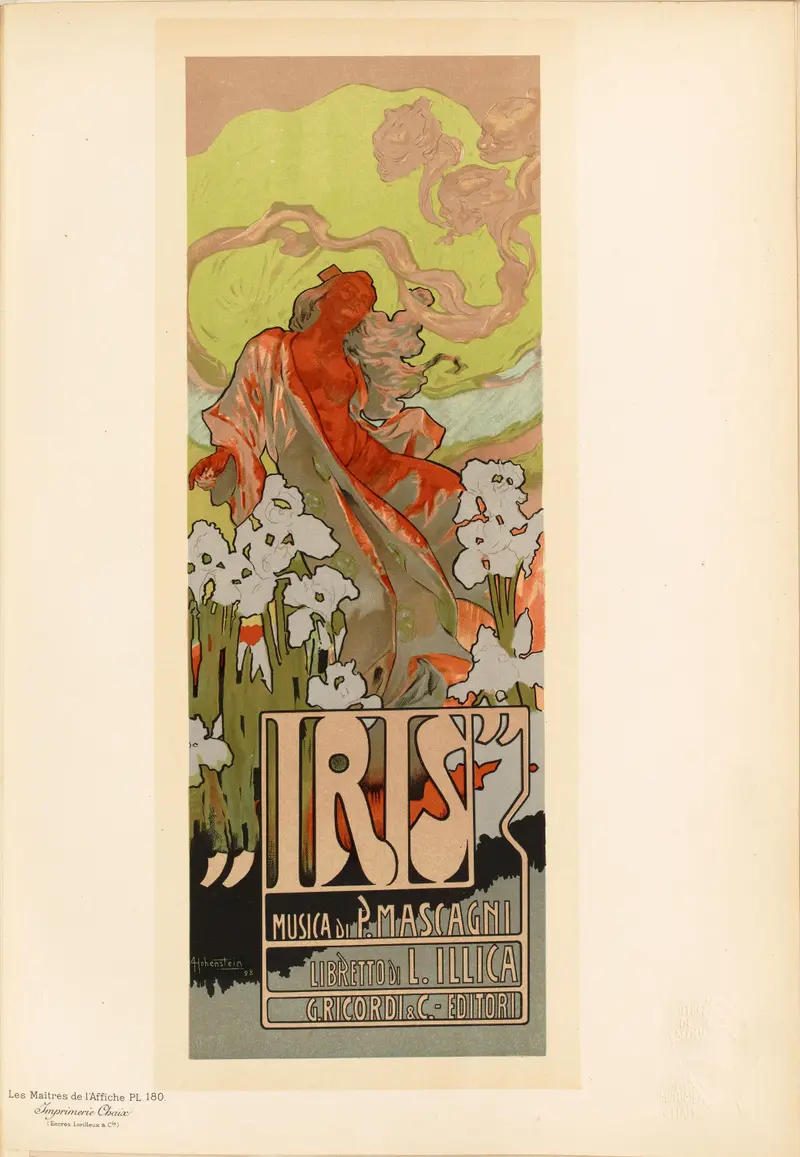
Iris
Adolfo Hohenstein
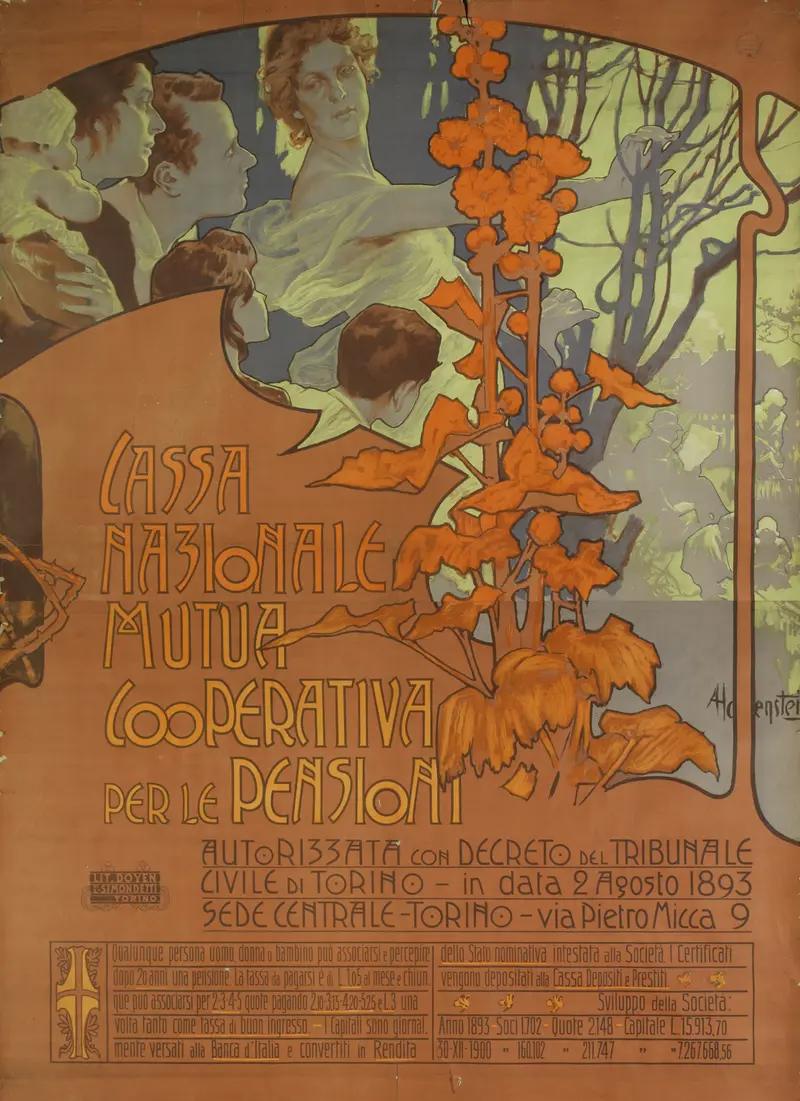
Cassa Nazionale Mutua Cooperativa per le Pensioni
Adolfo Hohenstein
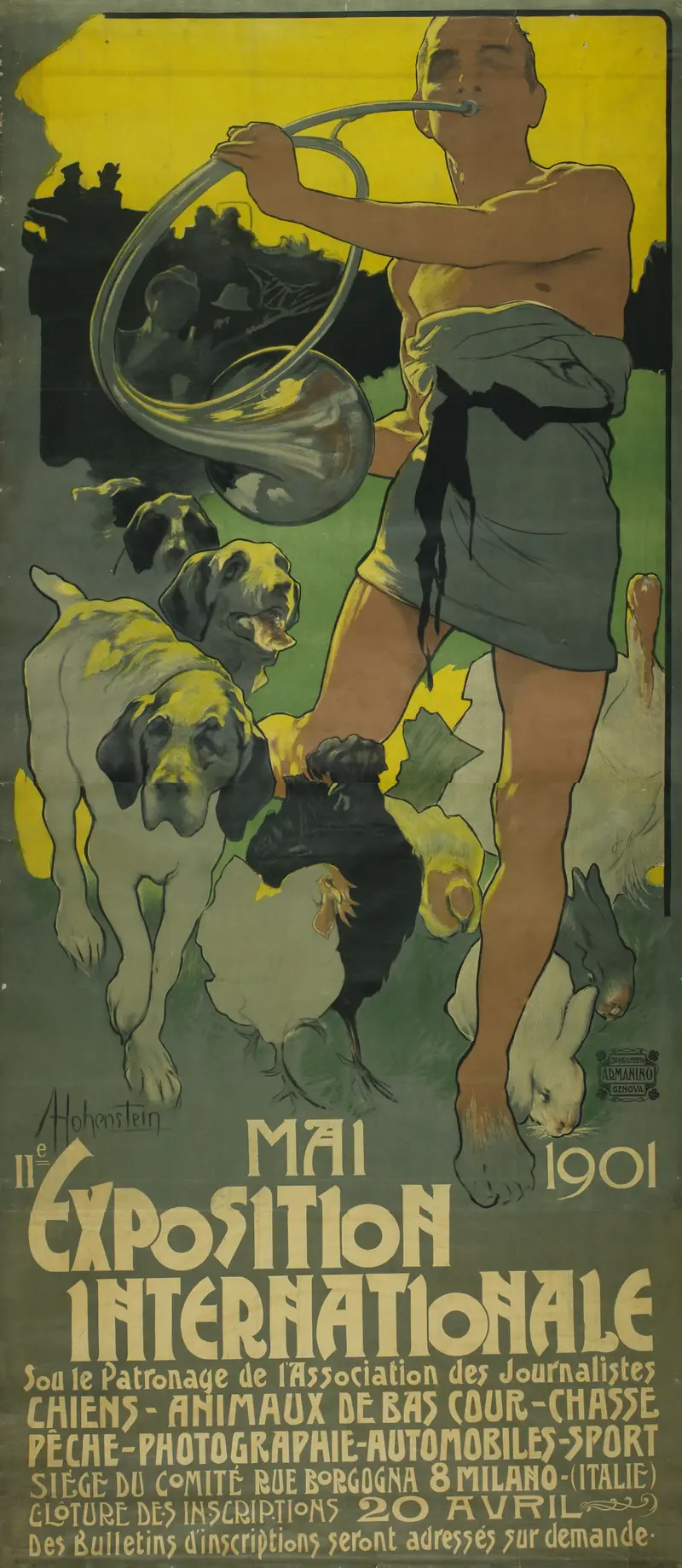
IIe Exposition Internationale, Mai 1901
Adolfo Hohenstein
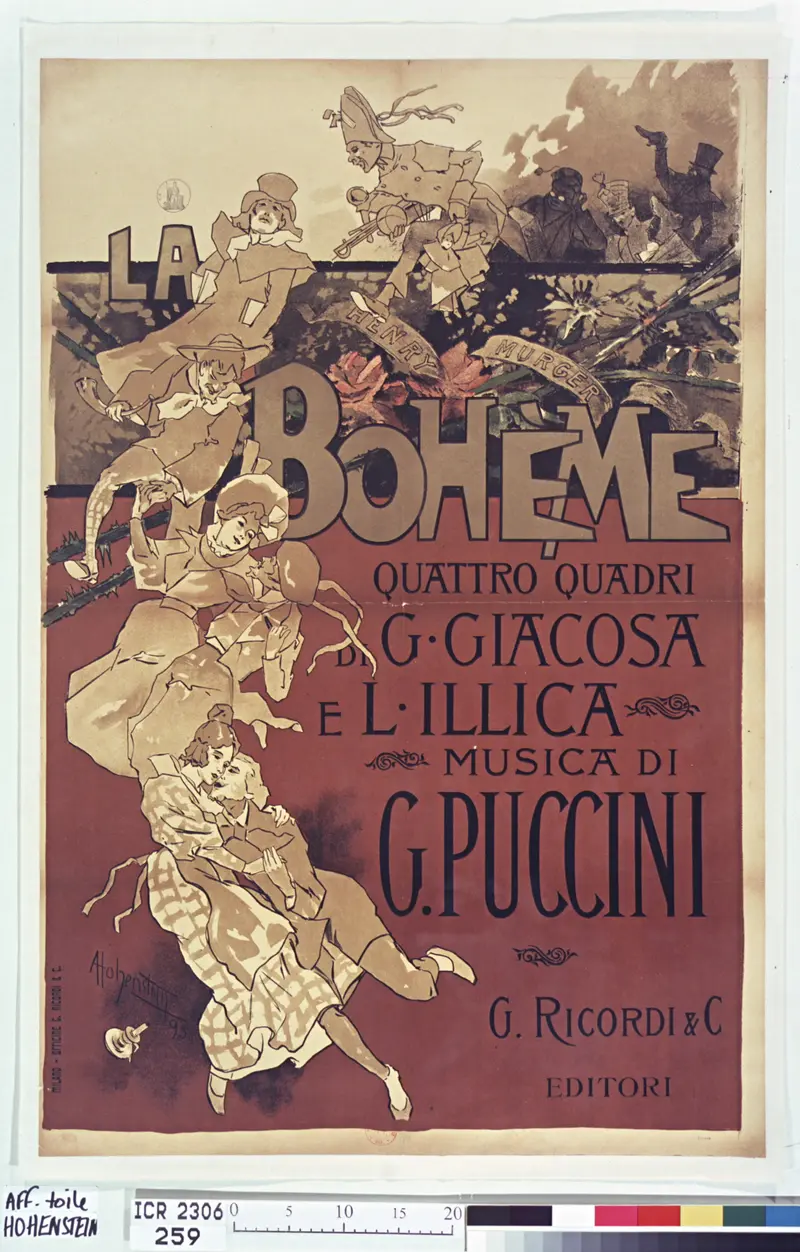
La Bohème
Adolfo Hohenstein
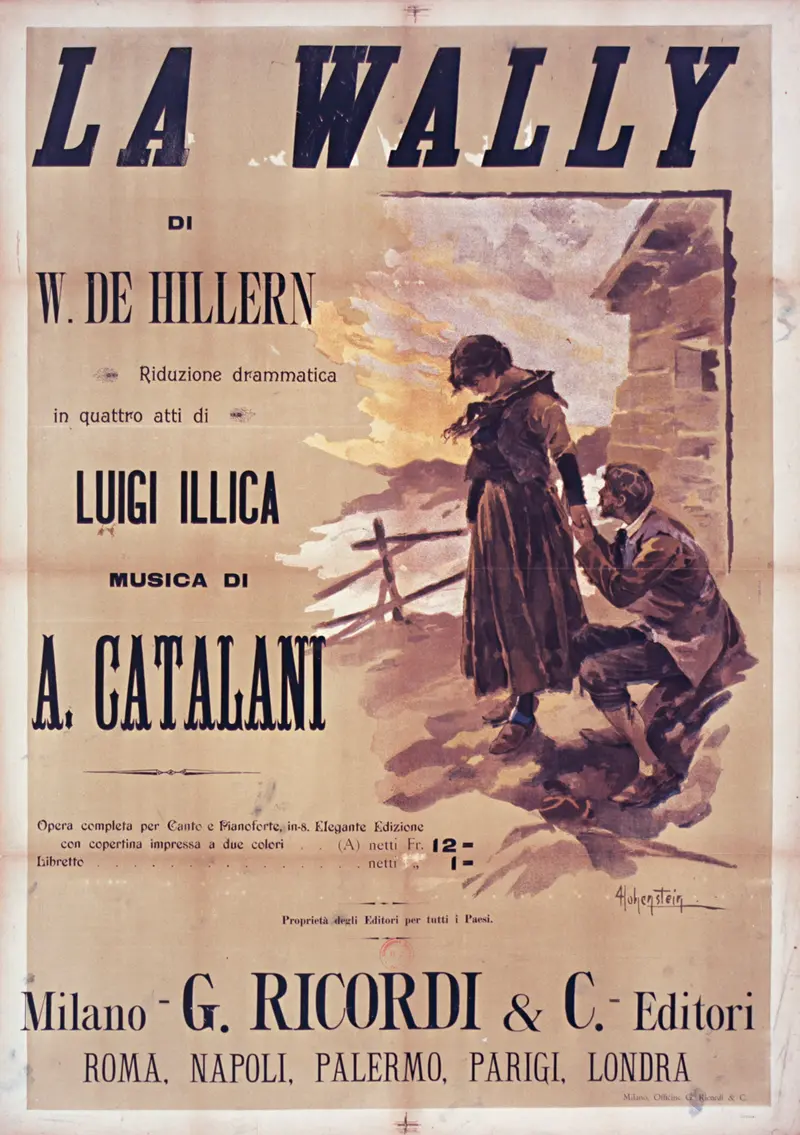
La Wally
Adolfo Hohenstein
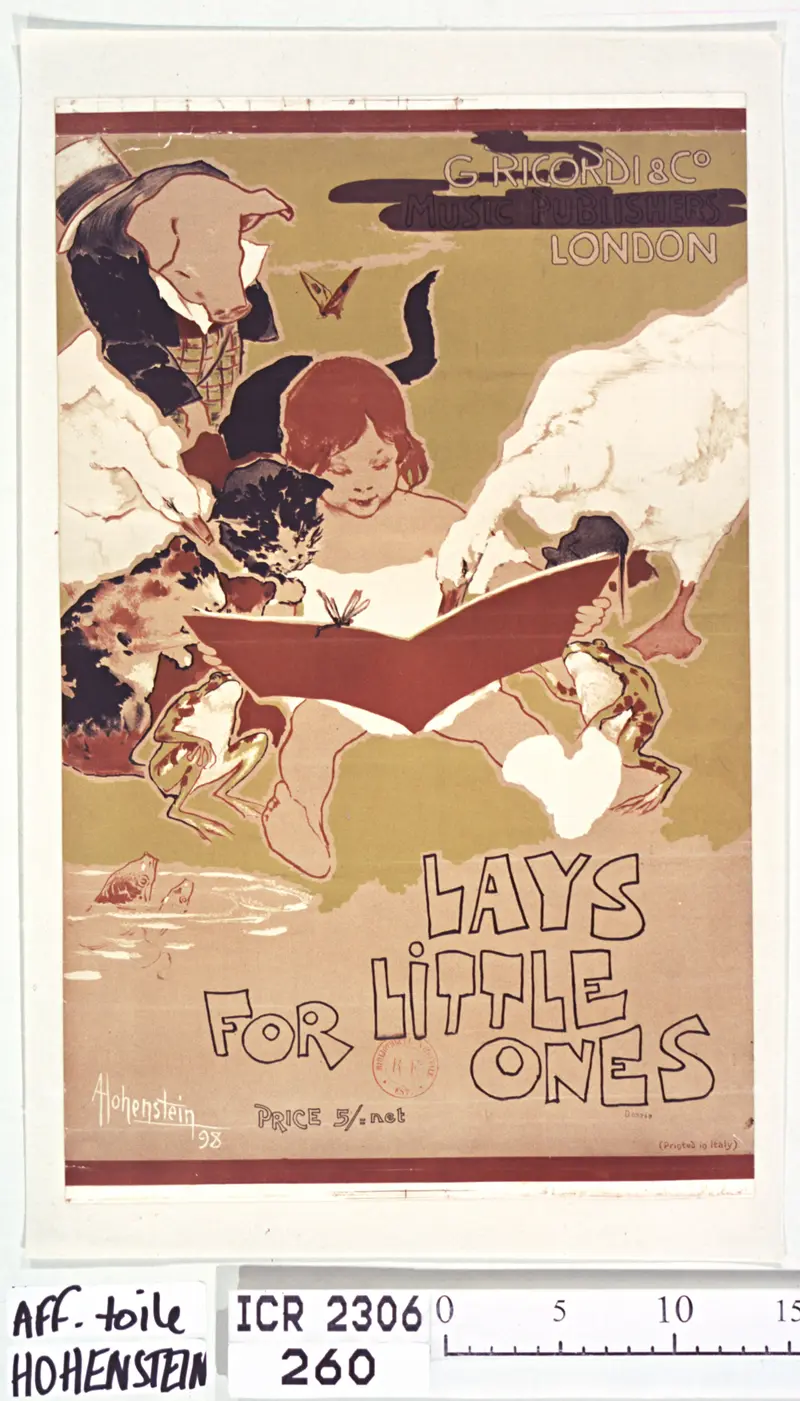
Lays for Little Ones
Adolfo Hohenstein

Edgar
Adolfo Hohenstein



