
A Calm Afternoon, Long Island — History & Facts
What secret hides in the quiet of the canvas? The serene portrayal of a Long Island afternoon invites contemplation, whispering stories of solitude and introspection. Look to the left at the interplay of soft greens and muted blues, where the gentle undulation of the landscape cradles a meandering river. The artist’s careful brushwork and the impressionistic style evoke a warm, enveloping glow that bathes the scene in tranquility. Notice how the dappled sunlight dances through the trees, casting tender shadows that seem to breathe life into the otherwise still tableau.
This harmony of color and light not only captures the essence of the serene moment but also draws the viewer into the quietude of the setting. Delve deeper into the painting’s subtleties, and you may discover contrasts at play. The calm waters reflect the sky, yet there lies an undertone of longing, perhaps hinting at the void between nature and human experience. The untouched landscape speaks of isolation, while the gentle breeze, nearly felt as you gaze upon the work, evokes a longing for connection.
These small elements reveal an emotional tension, where stillness becomes a mirror for the viewer’s own inner reflections. In 1876, while crafting this piece, the artist found himself in a pivotal phase of his career. Living in New York and engaging with the Hudson River School, he was deeply influenced by the American landscape movement's focus on nature. This work emerged during a time when artists were beginning to explore the interplay of light and atmosphere, marking a shift towards the more expressive techniques that would define future generations.
More Artworks by Henry Farrer
Browse all →
St. Paul’s Chapel, New York, from ‘Scenes of Old New York’
Henry Farrer

Evening, New York Harbor
Henry Farrer
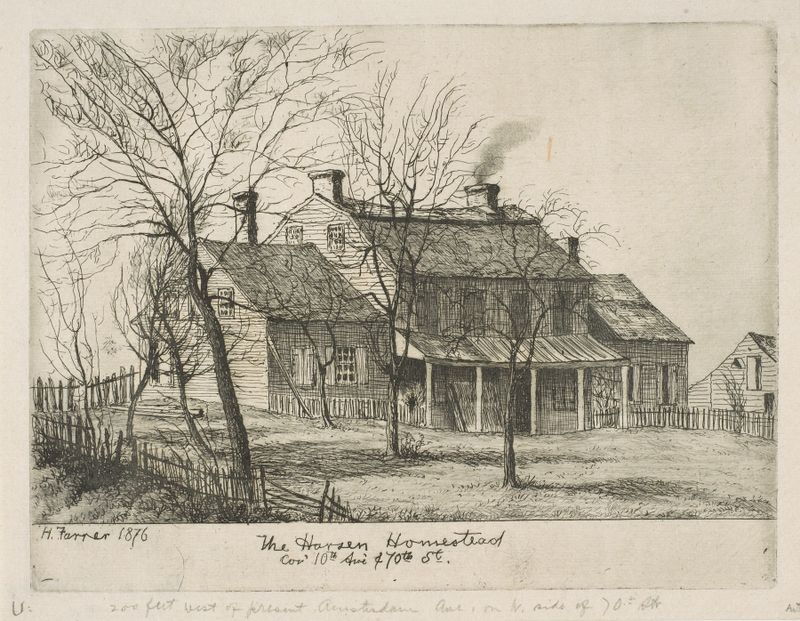
The Harsen Homestead, Corner of 10th Avenue and 70th Street, from ‘Scenes of Old New York’
Henry Farrer

Old House, Corner of Peck Slip and Water Street, from ‘Scenes of Old New York’
Henry Farrer
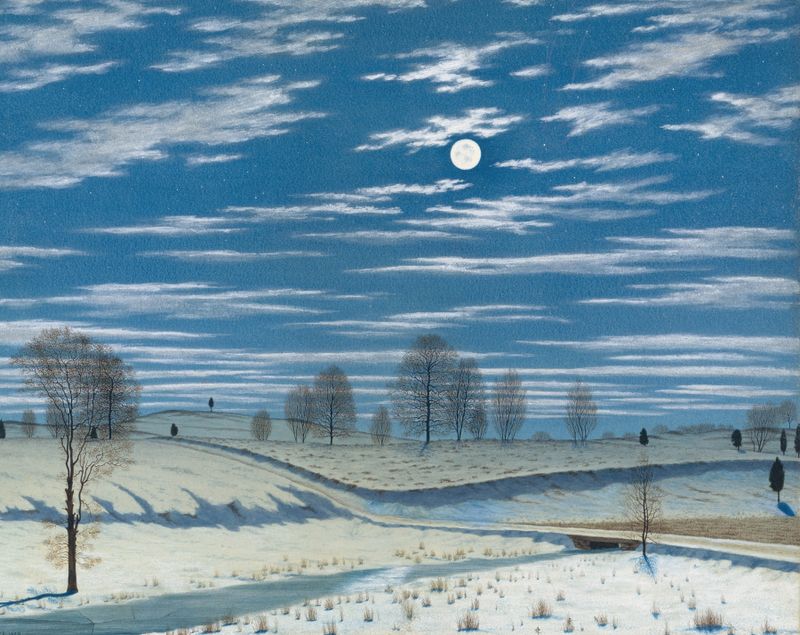
Winter Scene in Moonlight
Henry Farrer

A Powder Magazine in Central Park, from ‘Scenes of Old New York’.
Henry Farrer

The Old Revenue Office, Whitehall, from ‘Scenes of Old New York’
Henry Farrer
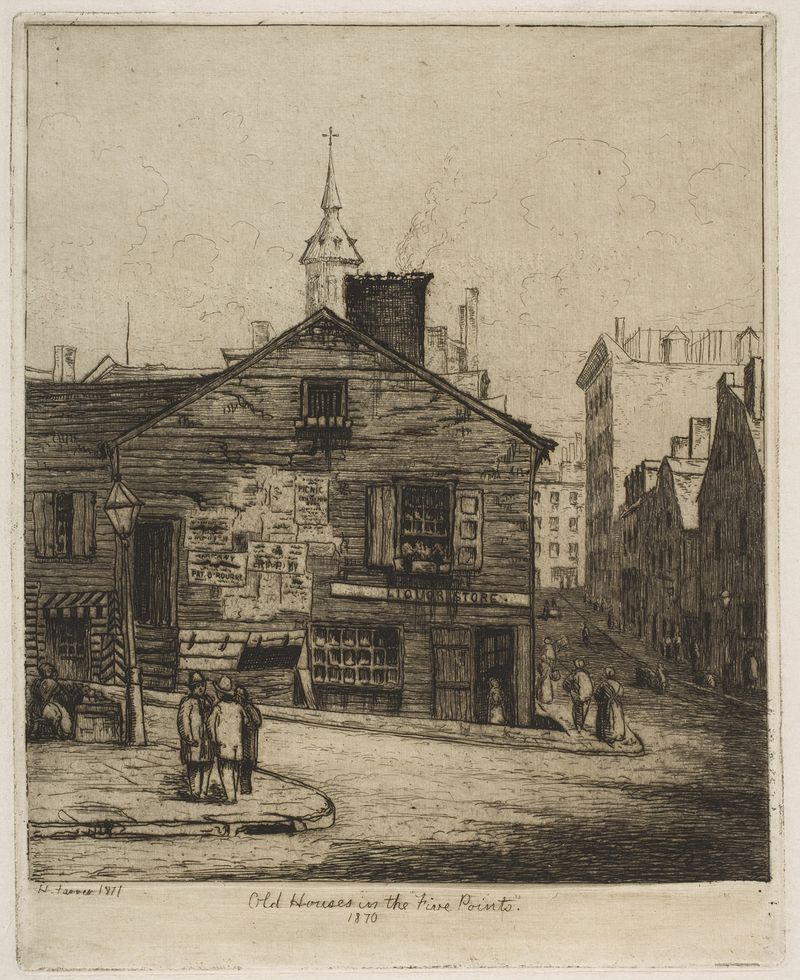
Old Houses in the ‘Five Points’, 1870, from ‘Scenes of Old New York’.
Henry Farrer

City and Sunset
Henry Farrer
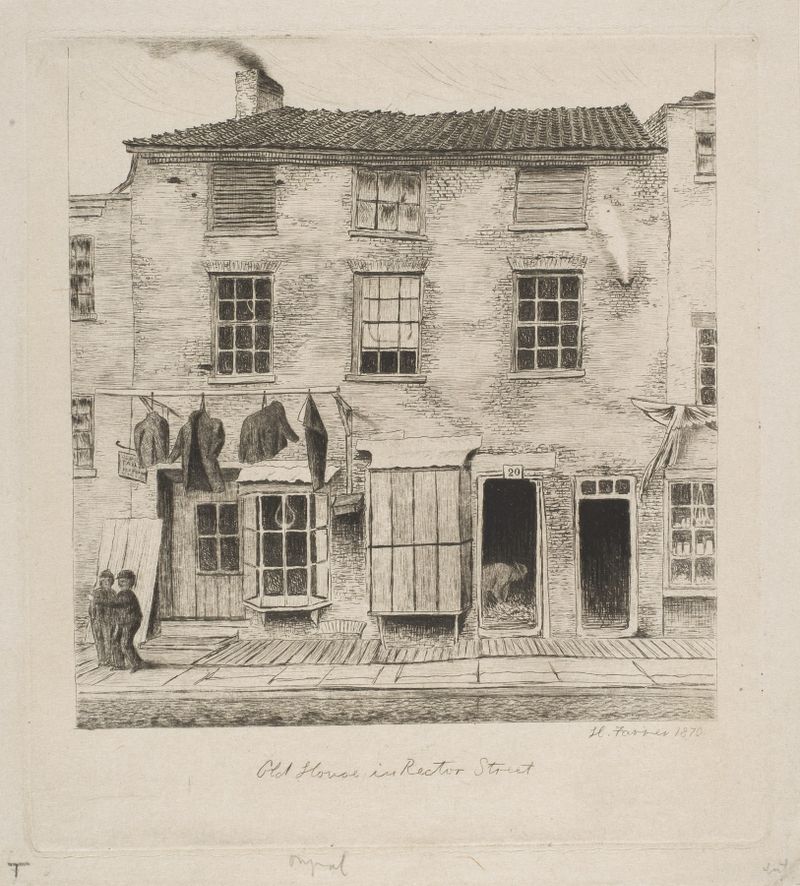
Old House in Rector Street, from ‘Scenes of Old New York’.
Henry Farrer





