
City and Sunset — History & Facts
When did color learn to lie? In a world where hues dance with the promise of deception, longing seeps through the canvas, whispering secrets of the heart. Look closely to the left, where the cityscape emerges from a wash of warm oranges and rich purples. The buildings stand solemnly against the horizon, their sharp silhouettes softened by the fading light. Notice how the reflection in the water below carries traces of that sunset glow, blending the boundaries between sky and city.
Each brushstroke contributes to an atmosphere that feels both inviting and melancholic, as if the colors conspire to evoke an unfulfilled yearning. As the eye travels across the painting, contrasts become apparent: the vibrancy of the sunset juxtaposed with the grayness of urban shapes. It mirrors the tension between nature and human creation, hinting at the emotional distance we navigate in our modern lives. The brilliance of the sky might draw one in, yet it serves as an ever-elusive escape from the rigid structures below.
Such elements speak to a universal longing for connection while simultaneously acknowledging the barriers we erect. In the late 19th century, the artist crafted this piece amidst a burgeoning landscape of American realism and impressionism. Farrer, influenced by the changing dynamics of urban life, explored themes of light and atmosphere that were gaining prominence in art. This period marked a time of significant transition, as artists sought to capture the fleeting moments of beauty inherent in both nature and the swiftly evolving cityscapes around them.
More Artworks by Henry Farrer
Browse all →
St. Paul’s Chapel, New York, from ‘Scenes of Old New York’
Henry Farrer

Evening, New York Harbor
Henry Farrer
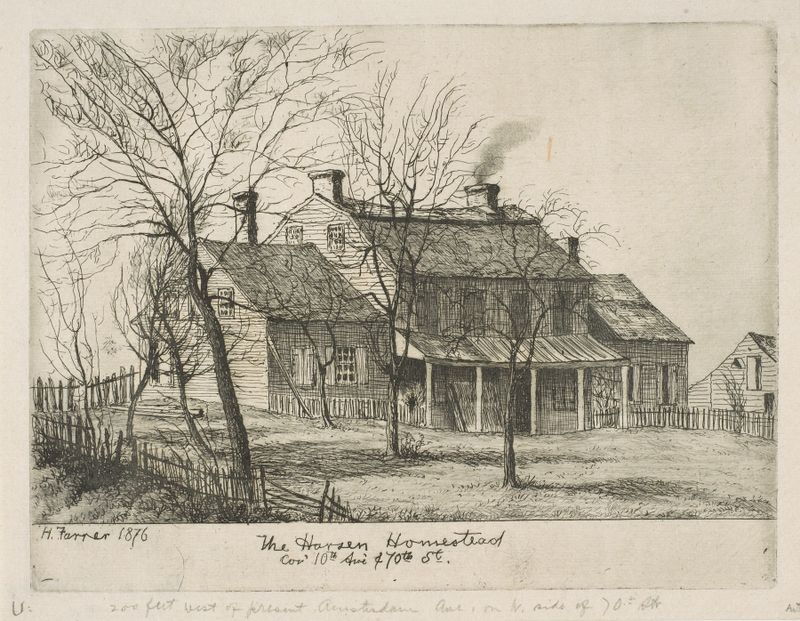
The Harsen Homestead, Corner of 10th Avenue and 70th Street, from ‘Scenes of Old New York’
Henry Farrer

Old House, Corner of Peck Slip and Water Street, from ‘Scenes of Old New York’
Henry Farrer
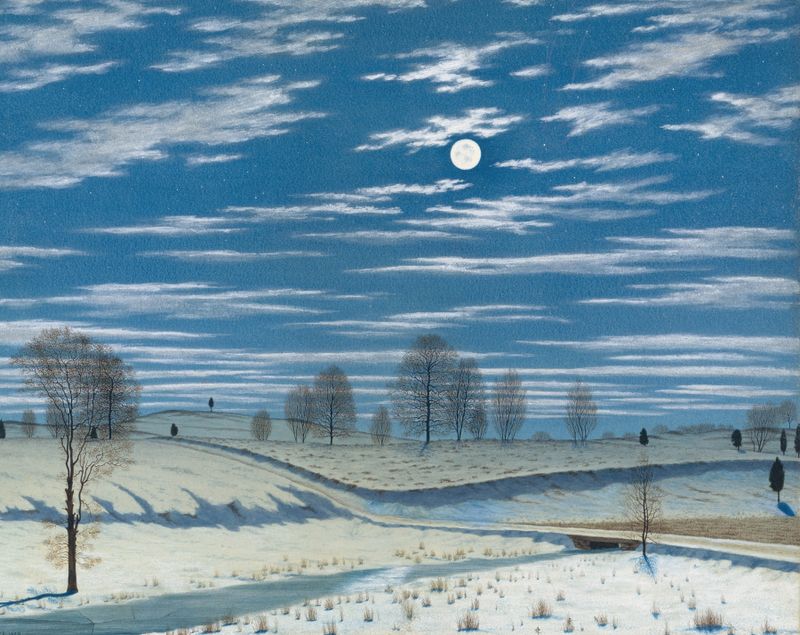
Winter Scene in Moonlight
Henry Farrer

A Powder Magazine in Central Park, from ‘Scenes of Old New York’.
Henry Farrer

The Old Revenue Office, Whitehall, from ‘Scenes of Old New York’
Henry Farrer
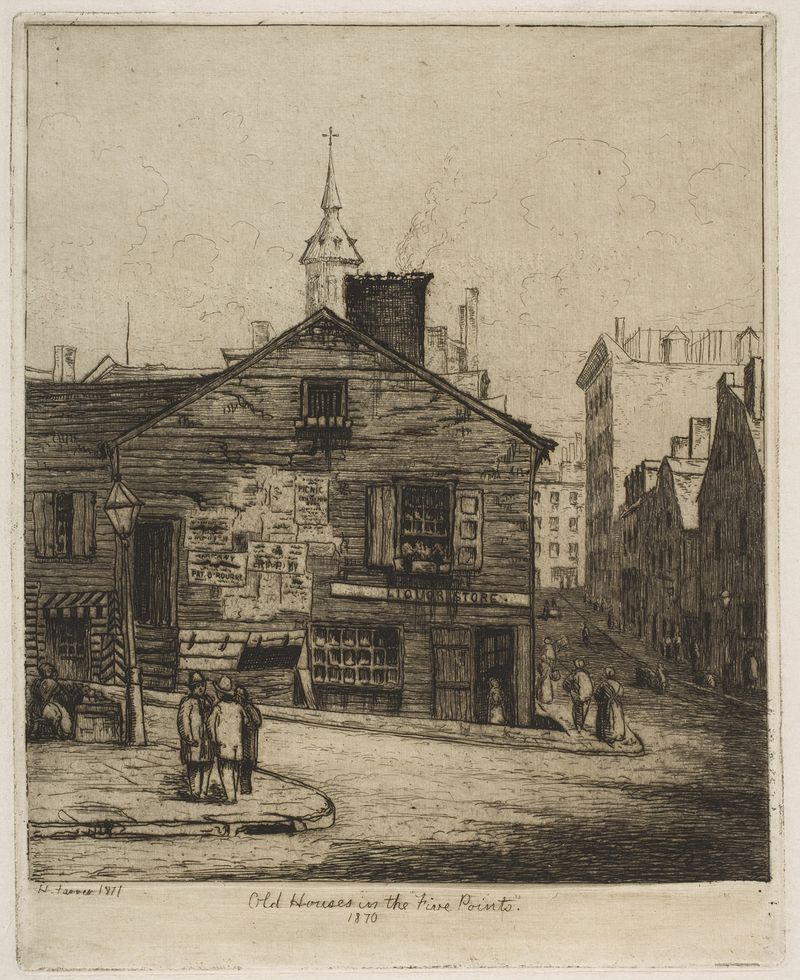
Old Houses in the ‘Five Points’, 1870, from ‘Scenes of Old New York’.
Henry Farrer
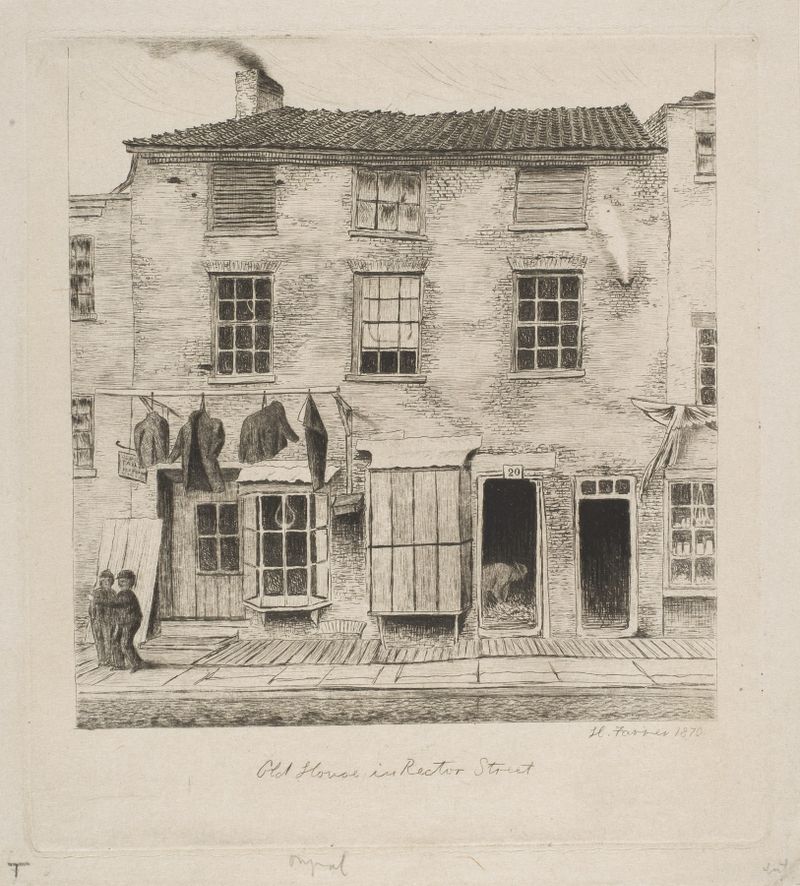
Old House in Rector Street, from ‘Scenes of Old New York’.
Henry Farrer
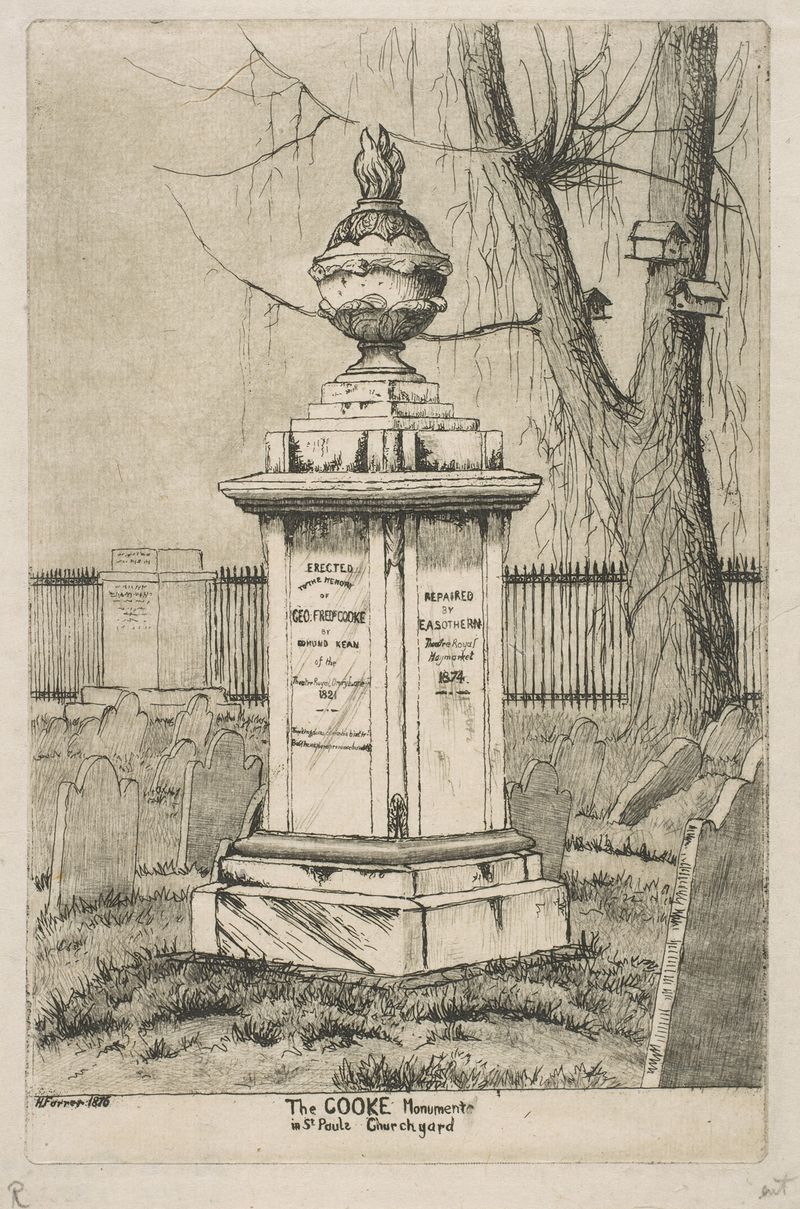
The Cooke Monument in St. Paul’s Churchyard, from ‘Scenes of Old New York’
Henry Farrer





