
Winter Scene in Moonlight — History & Facts
What secret hides in the quiet of the canvas? In the serene stillness of night, a longing emerges as shadows stretch and dance beneath the moon's soft glow. Look to the left at the tranquil expanse of snow, where the moonlight shimmers like silver threads woven into the fabric of winter. The trees stand solemn and bare, their dark silhouettes stark against the luminous sky. Notice how the cool blues and silvery whites envelop the scene, while delicate brush strokes evoke the gentle whispers of a chilly breeze, creating a palpable sense of solitude and introspection. Within this wintry landscape, emotional tensions arise from the contrast between light and dark, warmth and cold.
The moon, a silent witness, casts an ethereal brightness that highlights the beauty of stillness while hinting at the deeper longing for connection and warmth in the coldness of night. The untouched snow speaks to a yearning for something ungraspable, inviting viewers to reflect on their own desires and the elusive nature of fulfillment. Henry Farrer created Winter Scene in Moonlight in 1869, during a period when American landscape painting was evolving, influenced by both Romanticism and the emerging Realism movement. Working primarily in New York, he captured the essence of the American wilderness while exploring themes of solitude and the human experience in nature.
This painting embodies his mastery of light and atmosphere, solidifying his reputation as a significant figure in American art.
More Artworks by Henry Farrer
Browse all →
St. Paul’s Chapel, New York, from ‘Scenes of Old New York’
Henry Farrer

Evening, New York Harbor
Henry Farrer
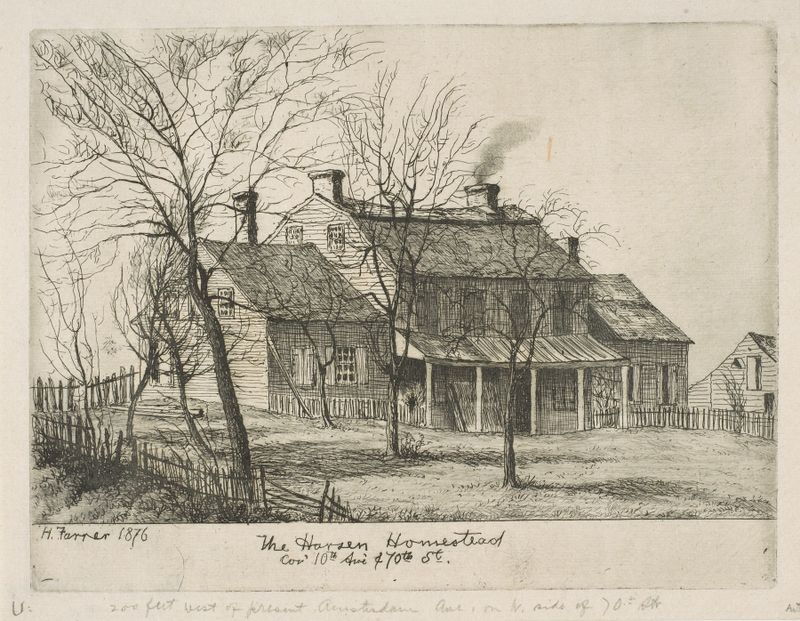
The Harsen Homestead, Corner of 10th Avenue and 70th Street, from ‘Scenes of Old New York’
Henry Farrer

Old House, Corner of Peck Slip and Water Street, from ‘Scenes of Old New York’
Henry Farrer

A Powder Magazine in Central Park, from ‘Scenes of Old New York’.
Henry Farrer

The Old Revenue Office, Whitehall, from ‘Scenes of Old New York’
Henry Farrer
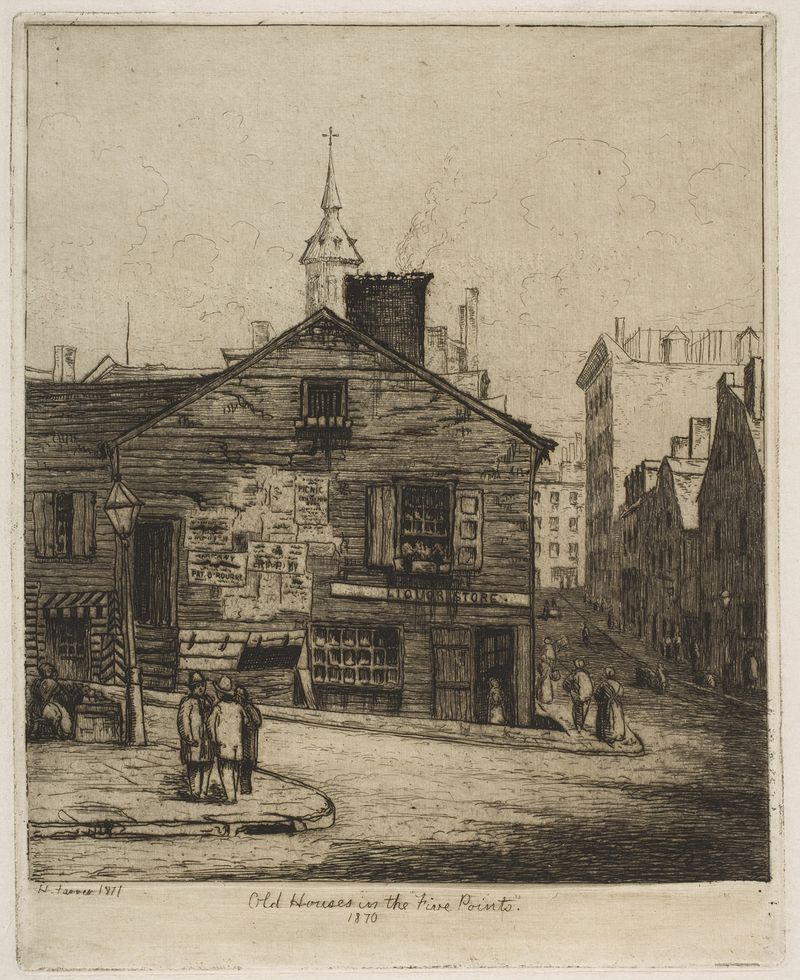
Old Houses in the ‘Five Points’, 1870, from ‘Scenes of Old New York’.
Henry Farrer

City and Sunset
Henry Farrer
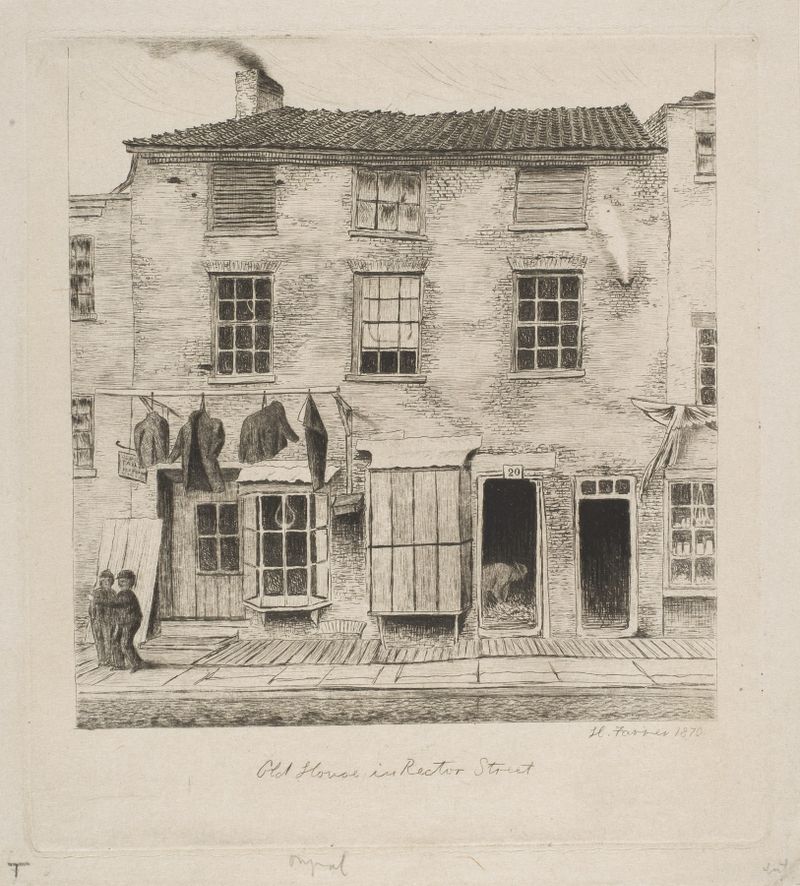
Old House in Rector Street, from ‘Scenes of Old New York’.
Henry Farrer
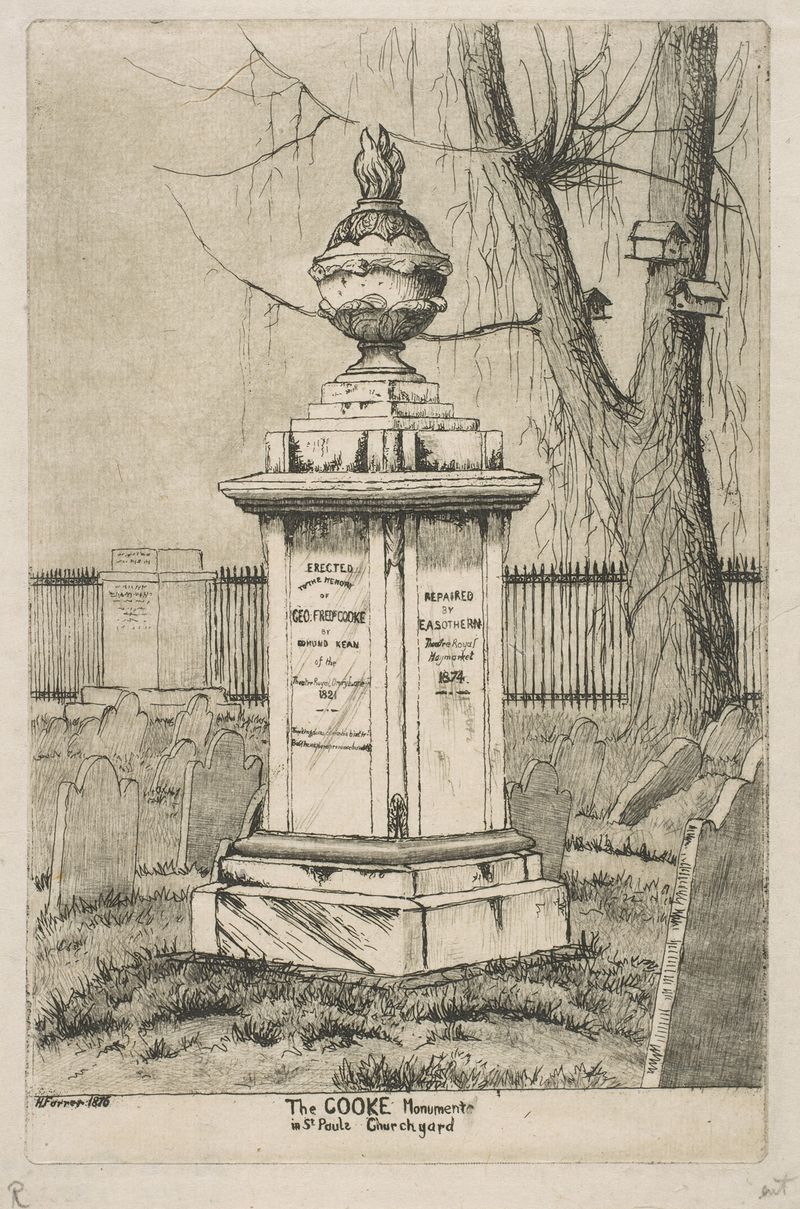
The Cooke Monument in St. Paul’s Churchyard, from ‘Scenes of Old New York’
Henry Farrer





