
A Caravan Surprised By The Samoom In Front Of The Sphinx — History & Facts
When did color learn to lie? In A Caravan Surprised By The Samoom In Front Of The Sphinx, the hues vibrate with an unsettling vibrancy, a stark contrast to the somber truths of mortality waiting in the shadows. Look to the center where the Sphinx looms, regal yet enigmatic beneath a swirling tempest of sand. The caravan, caught in chaotic motion, is a study in desperation — their figures in vivid reds and browns twist against the pale yellows of the storm. Frey’s brushstrokes breathe life into the writhing forms, each gesture a testament to the struggle against nature’s indifference.
Notice how the swirling clouds of sand envelop the scene, shrouding the figures and the ancient monument in an ethereal yet violent embrace, emphasizing the fleeting nature of existence. Beneath the dramatic tableau lies a poignant commentary on life and death. The Sphinx, a relic of time, stands as a witness to countless souls who have traversed this desert, their journeys inevitably leading to the same fate. The terror in the faces of the caravan members reflects our shared fragility; as the storm rises, it casts doubt upon their survival.
The contrast between the vibrant colors of life and the ominous clouds of the samoom whisper of the fine line between existence and oblivion. In 1849, Frey was immersed in the Romantic movement, which sought to evoke deep emotional responses through the sublime and the dramatic. This work emerged during a period marked by exploration and the fascination with the exotic, as Western artists began to depict the landscapes and cultures of the East. The painting encapsulates both the allure and the peril of such journeys, reflecting a moment in time rich with adventure yet shadowed by mortality.
More Artworks by Johann Jakob Frey
Browse all →
From The Surroundings Of Rome
Johann Jakob Frey
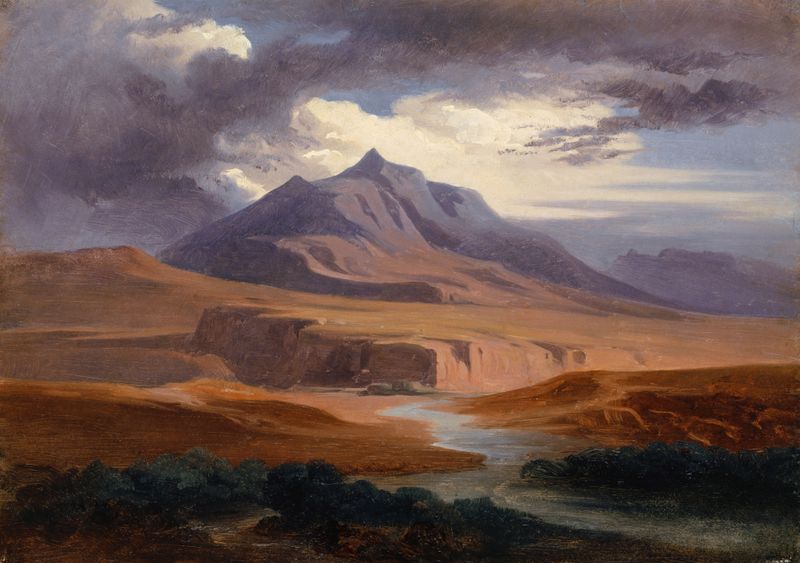
Mountains In The Roman Campagna
Johann Jakob Frey
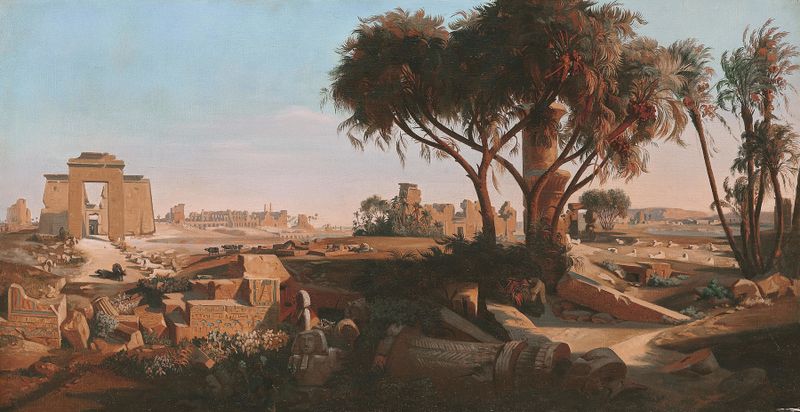
Karnak
Johann Jakob Frey
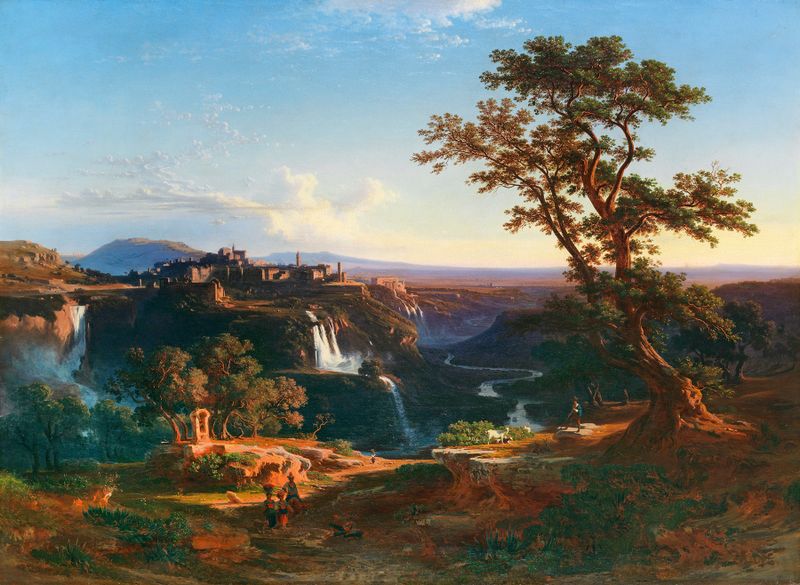
Die Kaskaden von Tivoli in der Abendsonne
Johann Jakob Frey

Forest Landscape in the Roman Mountains
Johann Jakob Frey

Landscape Near Granada
Johann Jakob Frey
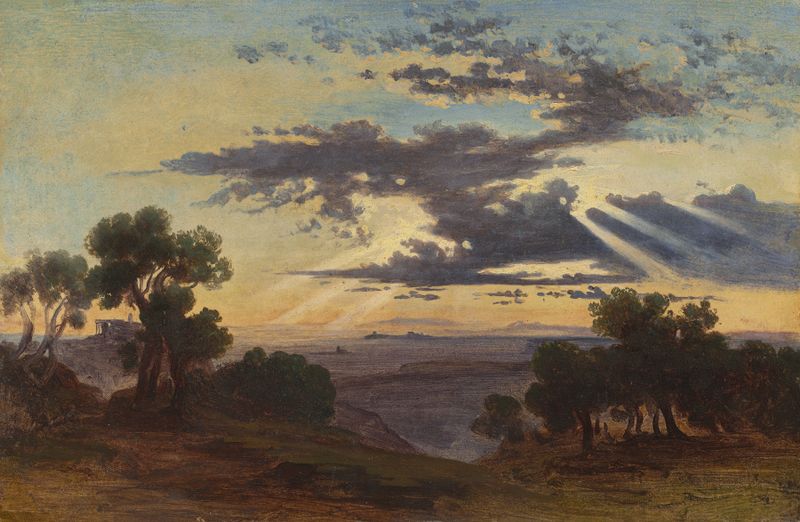
Sun Breaking through Clouds above the Roman Campagna
Johann Jakob Frey
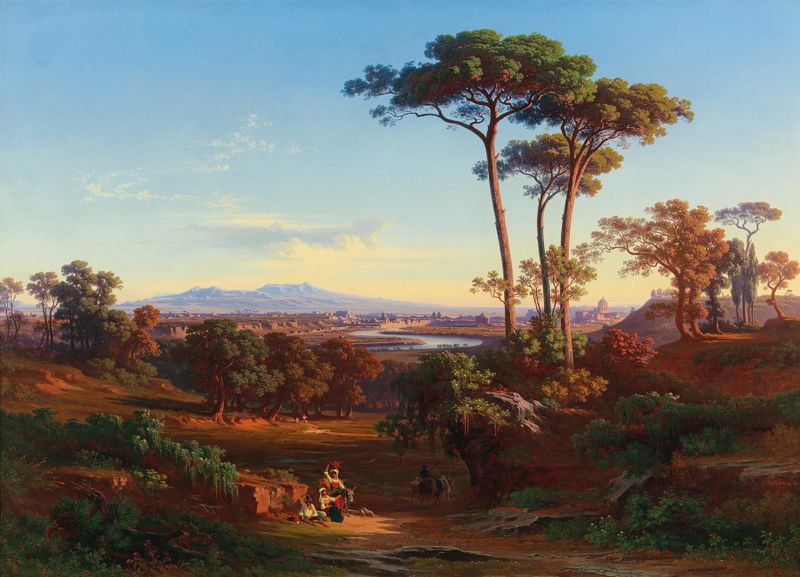
Ansicht von Rom vom Monte Mario
Johann Jakob Frey

The Temples At Paestum In The Rain
Johann Jakob Frey

Bay in Terracina
Johann Jakob Frey





