
Forest Landscape in the Roman Mountains — History & Facts
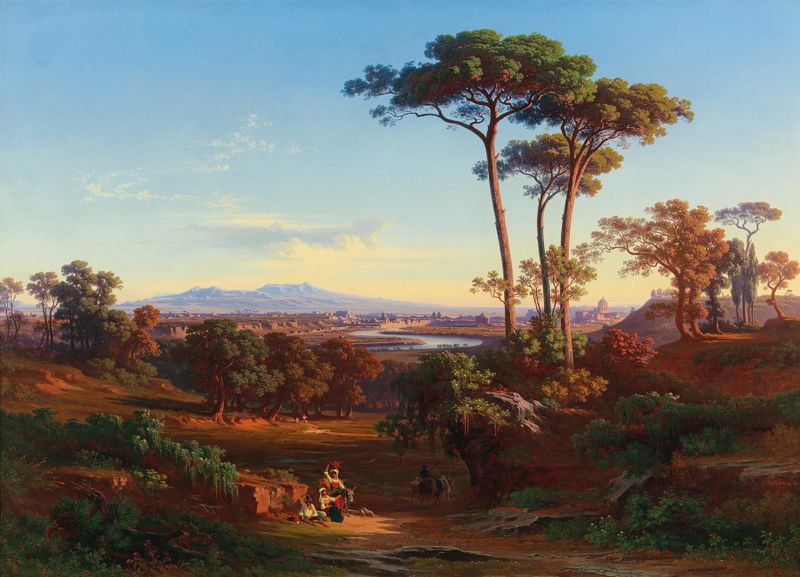
In a world often shrouded in shadows, the flicker of hope enlivens our weary hearts. This notion resonates deeply in the verdant expanse captured before us, where the interplay of light and shadow whispers secrets of resilience and renewal. Look closely at the horizon where the golden rays break through a tangle of trees, illuminating a path that invites us to wander. The artist employs a rich palette of greens and browns, grounding the scene yet allowing bursts of sunlight to dance across the foliage.
Notice how the brushstrokes convey a gentle rustle in the trees, while the soft undulations of the landscape suggest a heartbeat, a reminder that nature is ever alive and breathing. Each element is composed with precision, guiding the viewer’s gaze toward the tranquil depths of the forest. Delve deeper into the serene beauty of this scene, and you’ll uncover contrasts that reveal more than just a picturesque landscape. The juxtaposition of light and darkness in the painting evokes a sense of duality—hope intertwined with the somber knowledge of life’s trials.
The seemingly untouched nature symbolizes not just beauty, but also the solace found in solitude. The distant mountains loom, suggesting challenges ahead, yet the glowing path beckons us forth, embodying an unyielding spirit of hope. During the time Forest Landscape in the Roman Mountains was painted, Johann Jakob Frey was immersed in a world of Romanticism, where nature was not just a backdrop but a profound source of inspiration and reflection. The exact date remains unknown, but his work emerged in the early 19th century, a period marked by a growing fascination with the sublime and the emotional depths of the natural world.
Frey’s landscapes served as a canvas for exploring the human experience against the grandeur of nature, inviting viewers to connect with the very essence of existence itself.
More Artworks by Johann Jakob Frey
Browse all →
From The Surroundings Of Rome
Johann Jakob Frey
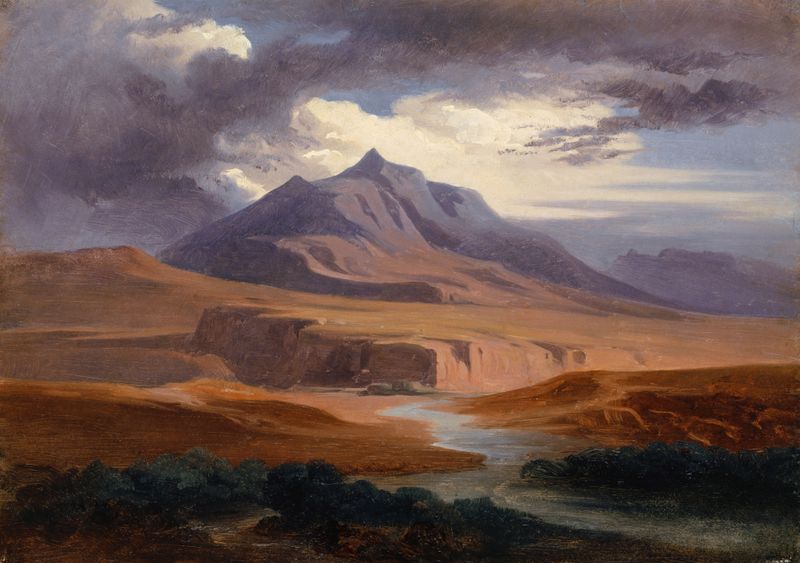
Mountains In The Roman Campagna
Johann Jakob Frey
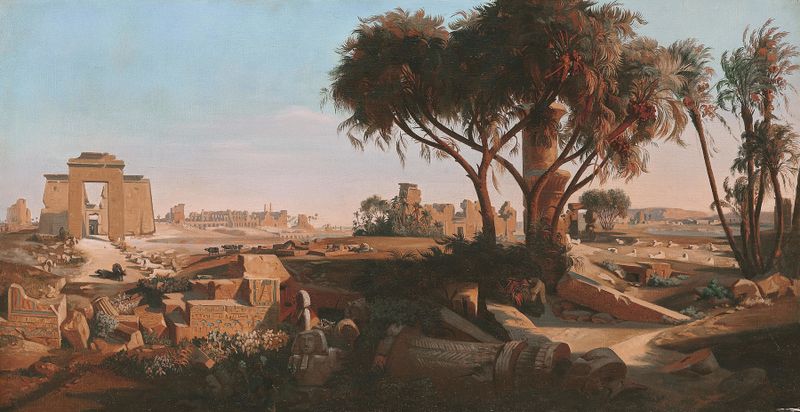
Karnak
Johann Jakob Frey
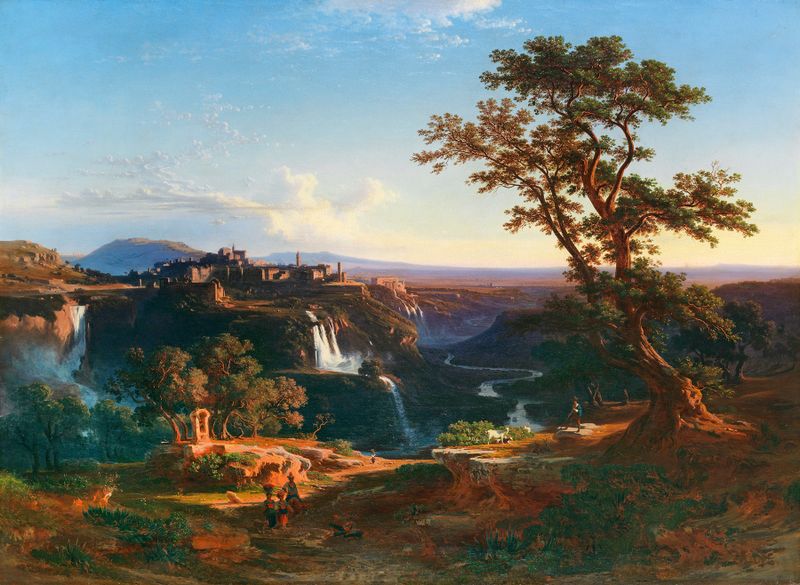
Die Kaskaden von Tivoli in der Abendsonne
Johann Jakob Frey

Landscape Near Granada
Johann Jakob Frey
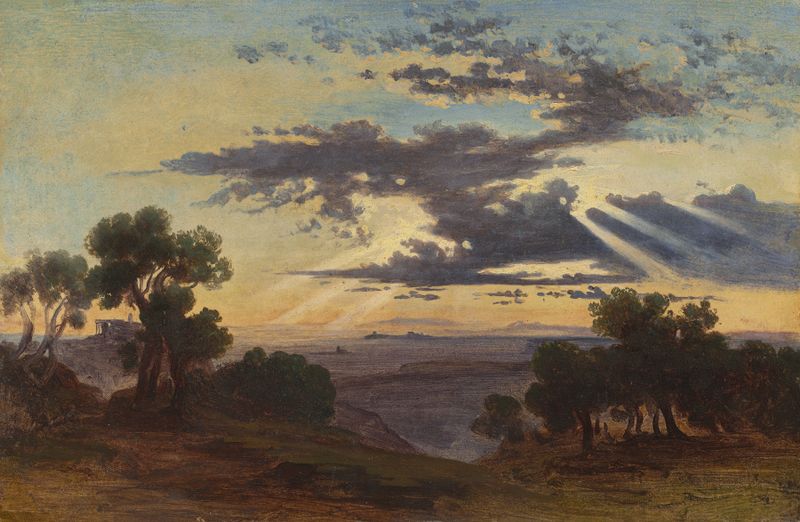
Sun Breaking through Clouds above the Roman Campagna
Johann Jakob Frey
Ansicht von Rom vom Monte Mario
Johann Jakob Frey

A Caravan Surprised By The Samoom In Front Of The Sphinx
Johann Jakob Frey

The Temples At Paestum In The Rain
Johann Jakob Frey

Bay in Terracina
Johann Jakob Frey





