
A Dead Wood Pigeon — History & Facts
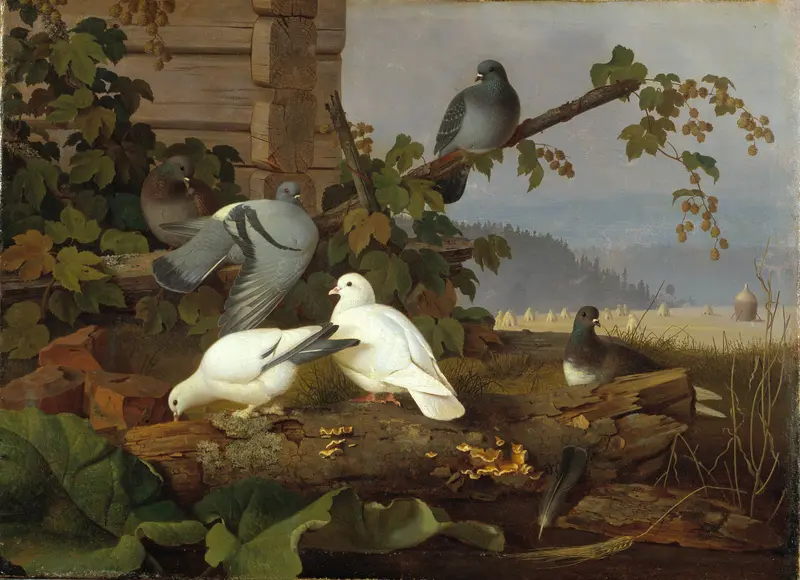
In A Dead Wood Pigeon, Ferdinand von Wright presents a lifeless bird resting on a neutral background. The colors are muted, featuring browns, grays, and whites that highlight the bird's feathers. The setting is simple, allowing the viewer to focus on the intricate details of the pigeon.
The composition is balanced, with the bird positioned centrally, drawing the eye immediately. The painting is executed in oil on panel, showcasing Wright's skill in realism. The texture of the feathers is rendered with precision, giving a lifelike quality to the dead pigeon. The use of light and shadow enhances the three-dimensionality of the subject.
Viewers can appreciate the artist's attention to detail, particularly in the subtle variations of color in the plumage. Ferdinand von Wright was known for his animal paintings, often capturing the beauty of wildlife in a realistic manner. A Dead Wood Pigeon reflects his interest in nature and his ability to portray it authentically. An interesting fact about this work is that it exemplifies the 19th-century fascination with natural history and the study of animals.
This painting is part of a private collection, highlighting its rarity and significance.
More Artworks by Ferdinand von Wright

White-Tailed Eagle With Its Prey
Ferdinand von Wright
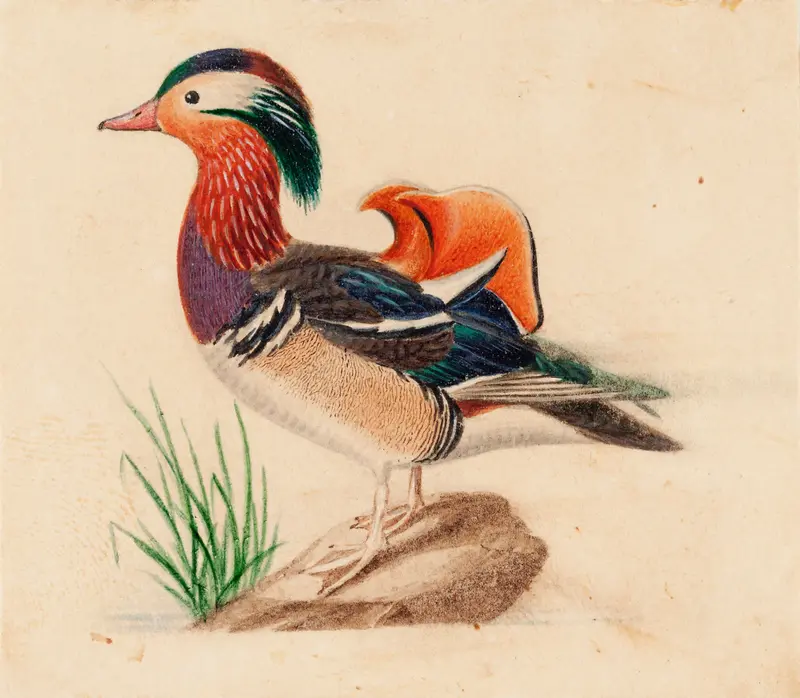
Mandarin Duck, Male
Ferdinand von Wright
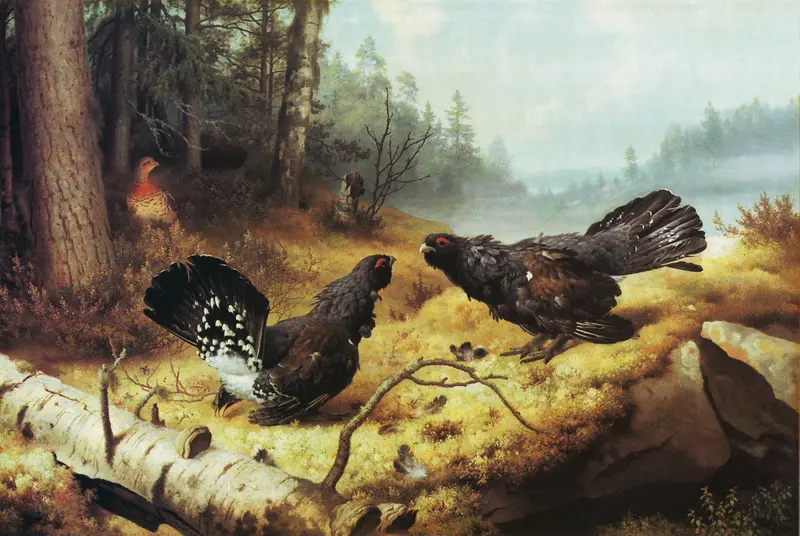
The Fighting Capercaillies
Ferdinand von Wright
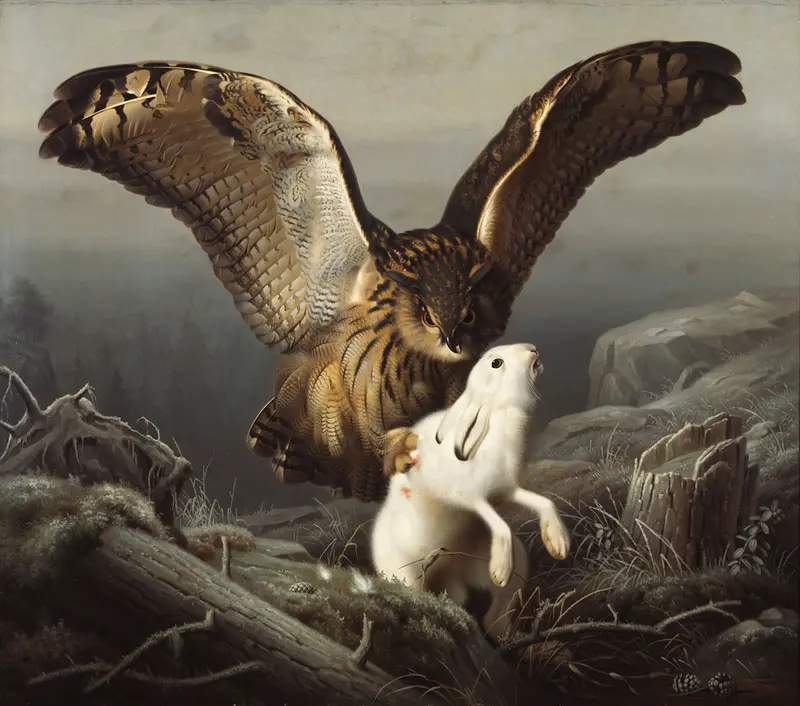
An Eagle-Owl Seizes A Hare
Ferdinand von Wright
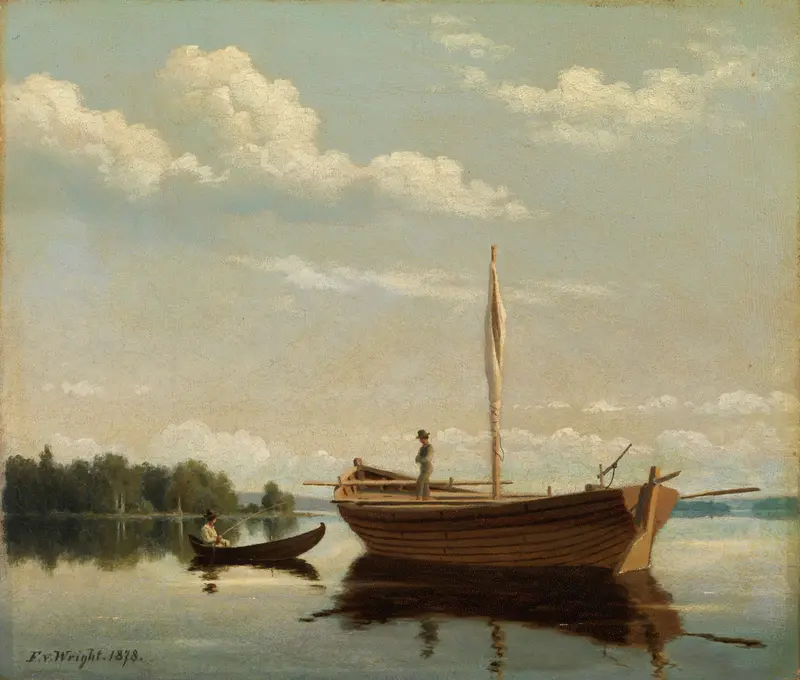
In The Islands Off Kuopio
Ferdinand von Wright
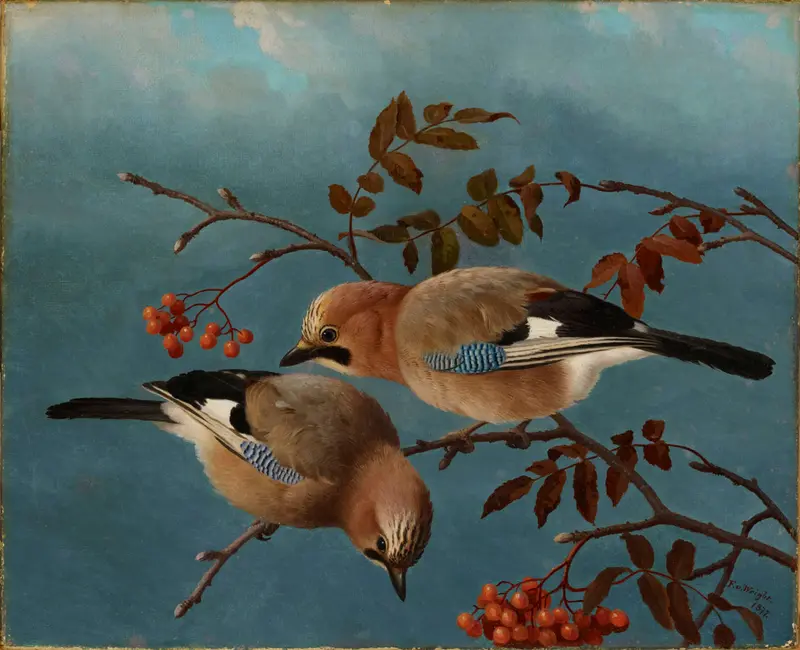
Jays
Ferdinand von Wright
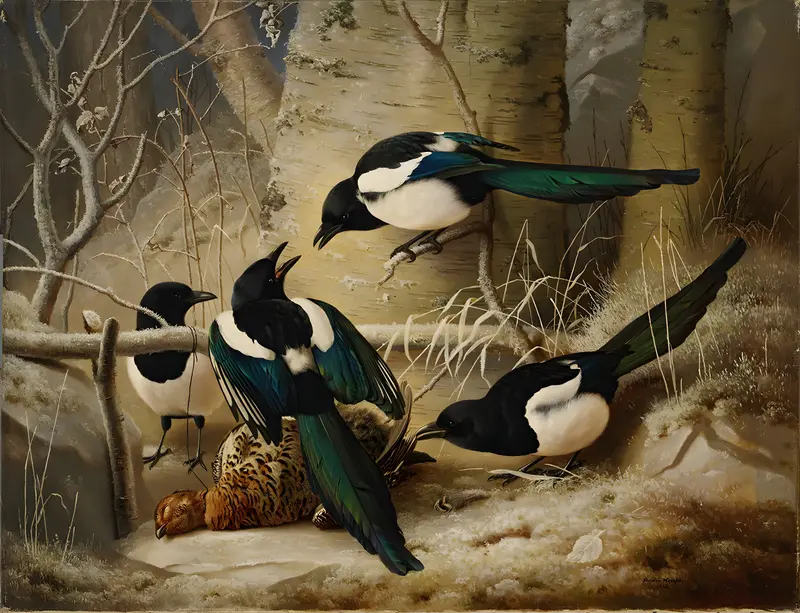
Magpies Round A Dead Female Capercaillie
Ferdinand von Wright
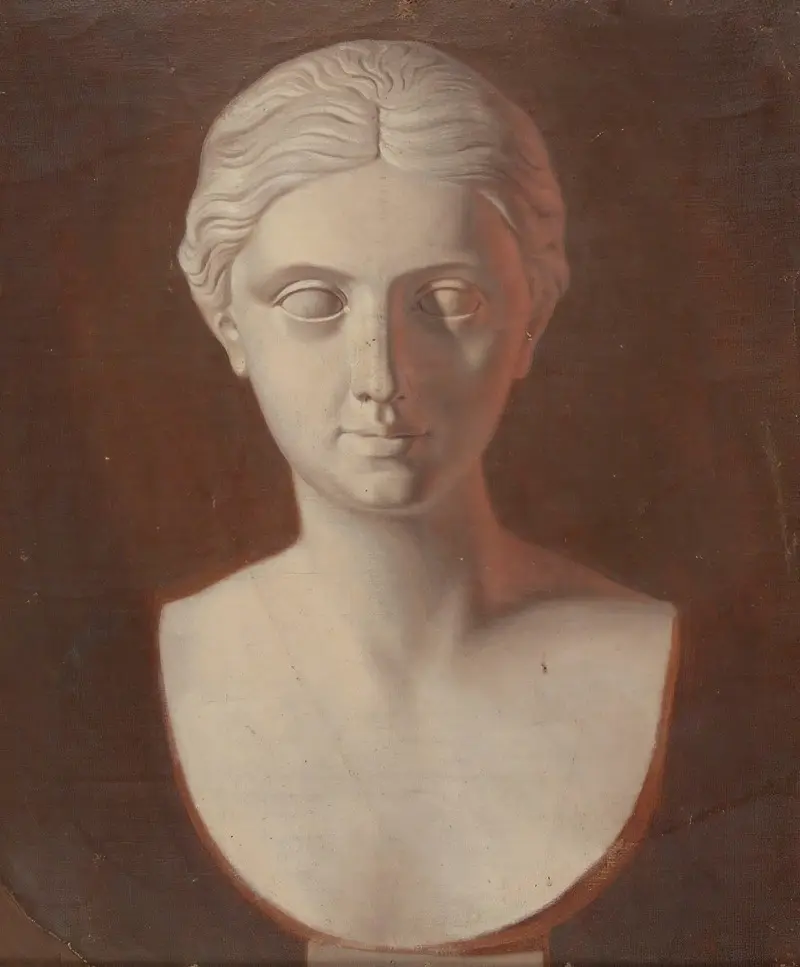
Woman ‘s Head
Ferdinand von Wright
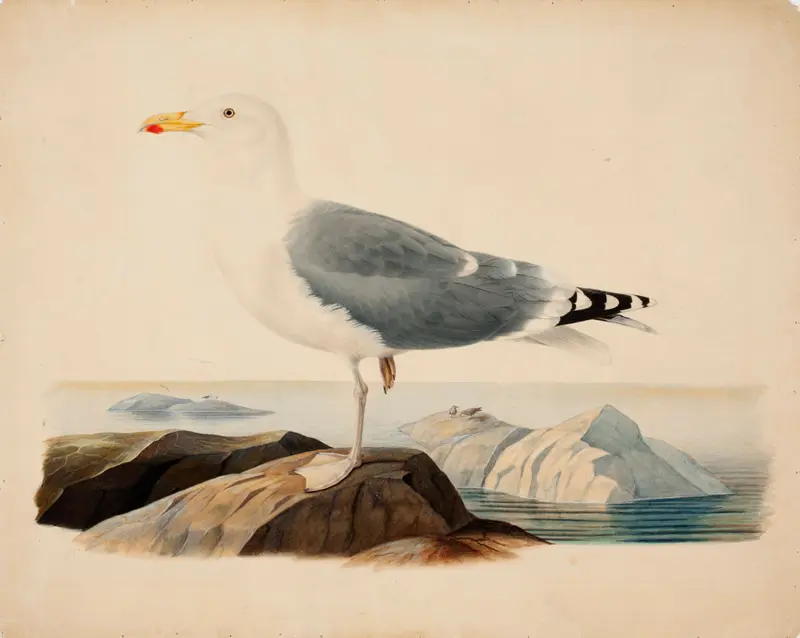
European Herring Gull
Ferdinand von Wright
Pigeons
Ferdinand von Wright





