
A Farmer’s House — History & Facts
Could beauty survive in a century of chaos? In A Farmer’s House, tranquility stands in stark contrast to the tumult of the 19th century, inviting viewers to reflect on the persistent elegance of rural life amid an ever-changing world. Look to the foreground, where a charming thatched-roof house nestles among lush, vibrant greenery. The delicate strokes of blue and green harmonize with the soft golden hues of the setting sun, casting a warm glow over the scene. The emphasis on natural light not only highlights the house but also envelops it in a comforting embrace, suggesting a sense of home and stability in a world that often feels uncertain.
The composition draws the eye upward, from the rustic abode to the expansive sky, evoking a peaceful stillness that resonates within. Yet, beneath this serene facade lies an undercurrent of melancholy. The solitary structure, while picturesque, hints at the isolation that farmers often faced during this period of rapid industrial change. The delicate balance between the lushness of nature and the fragility of human existence is palpable; the house seems to stand as a silent witness to the passage of time.
Shadows play at the edges, evoking an awareness of the transient nature of life and the impermanence of beauty amidst inevitable upheaval. Painted in 1868, Blau created this work during a period of significant transformation in Europe, marked by social upheaval and shifts in artistic expression. As a prominent figure in the Austrian art scene, she was navigating her identity in a male-dominated landscape, drawing inspiration from the Impressionists while remaining committed to her own vision of realism. This painting encapsulates her exploration of light and landscape, representing both a personal and collective yearning for permanence amid the chaos of the era.
More Artworks by Tina Blau
Browse all →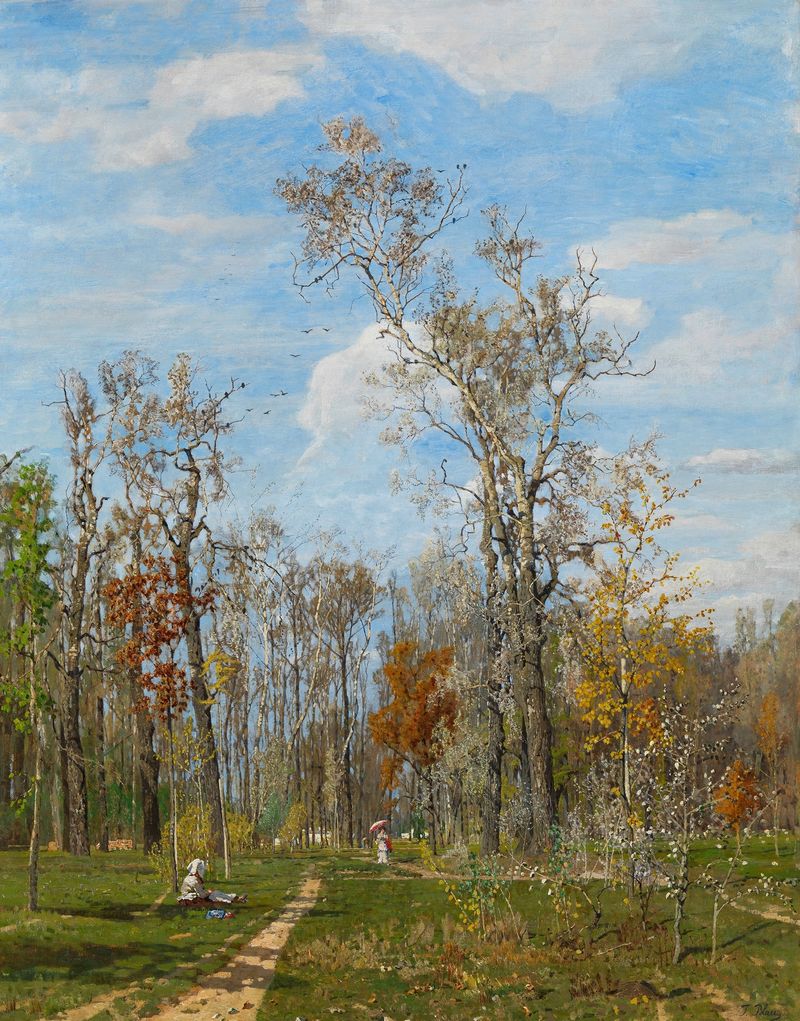
In der Krieau (Praterpartie im Frühling)
Tina Blau
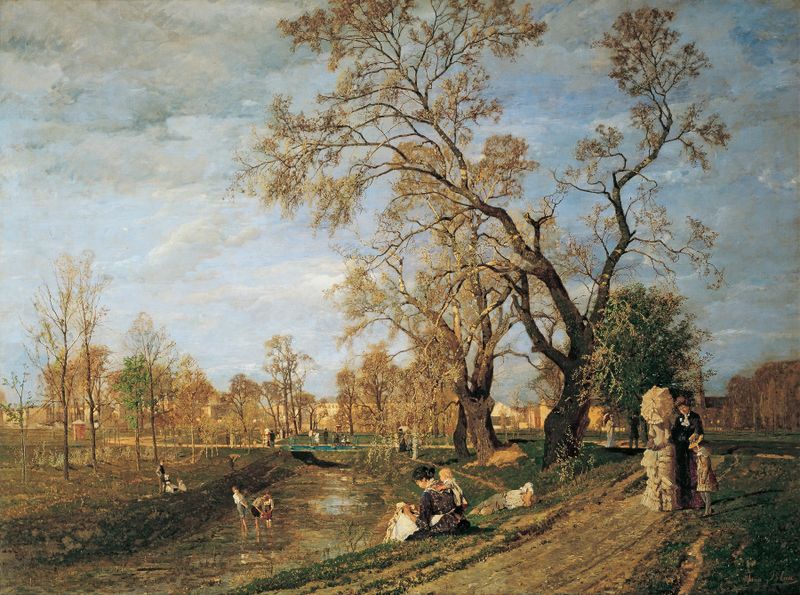
Frühling im Prater
Tina Blau
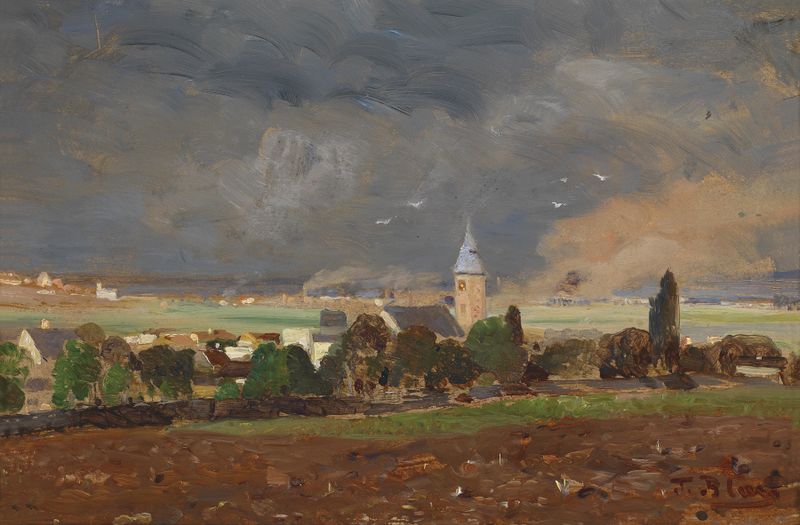
Dorflandschaft vor dem Unwetter
Tina Blau
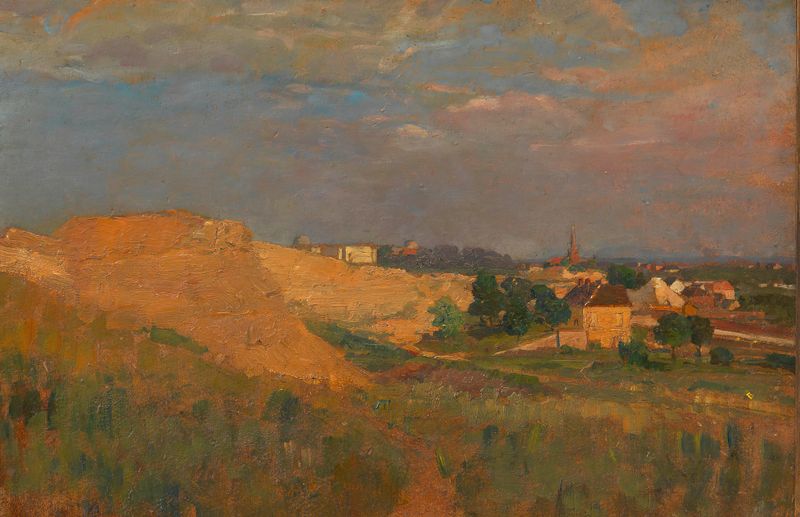
Blick auf Wien von der Türkenschanze
Tina Blau

Im Prater bei der Rotunde
Tina Blau

Malcesine
Tina Blau
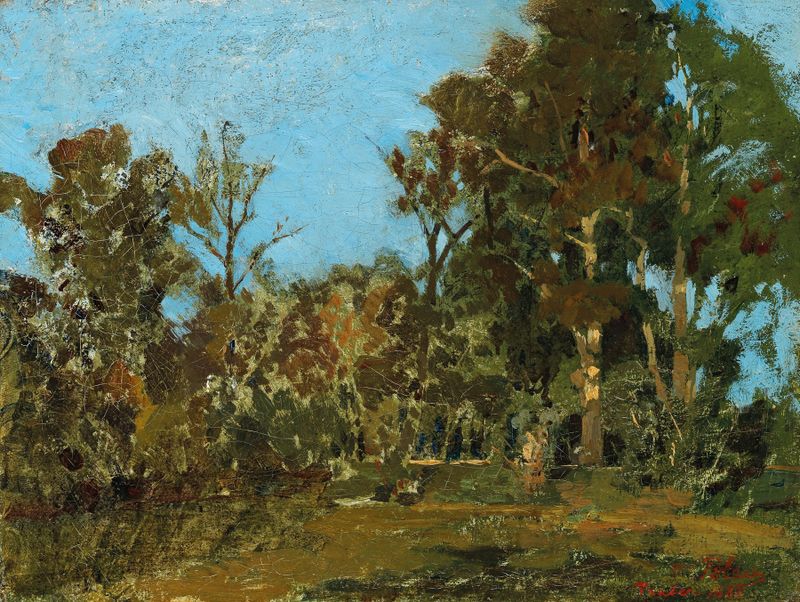
Prater Landscape
Tina Blau
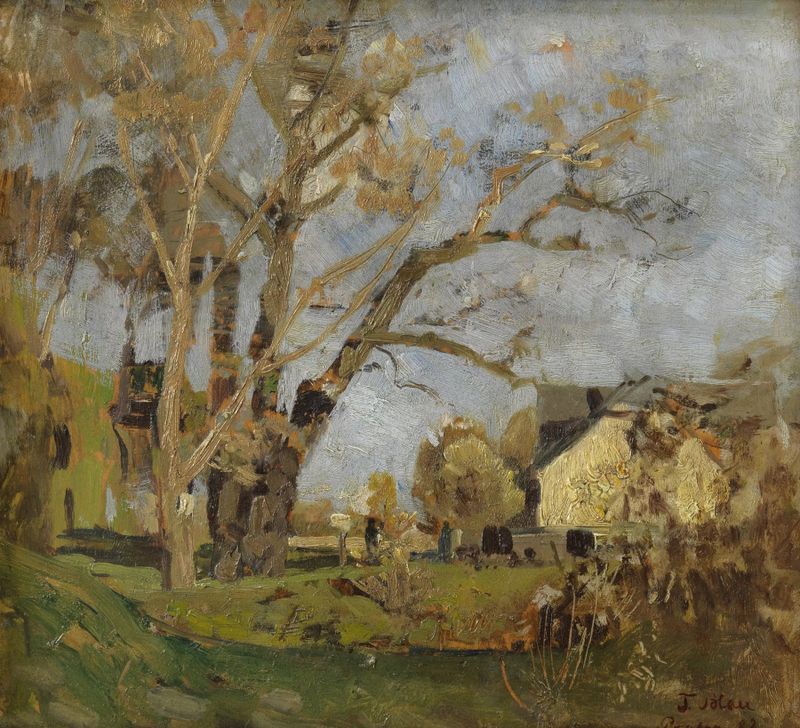
Meierei im Prater
Tina Blau

A Scene in Mannswörth on the Danube
Tina Blau
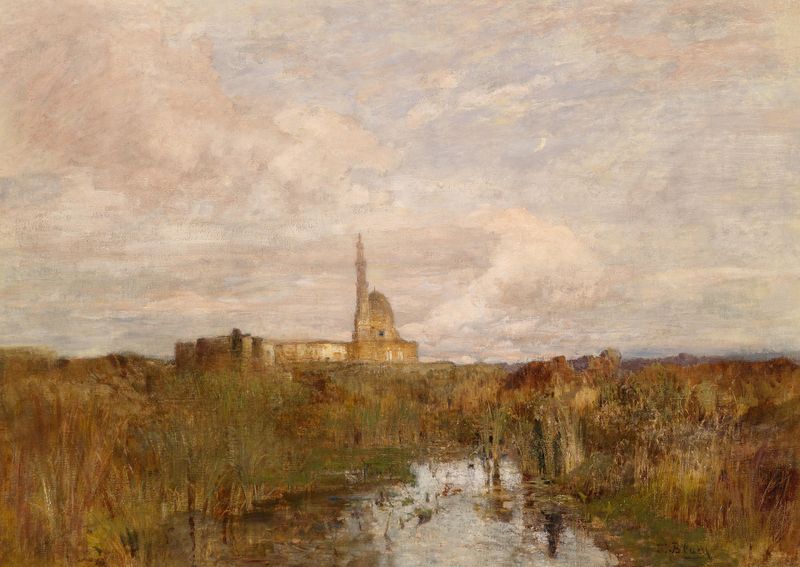
Ägyptischer Palast Weltausstellung 1873 Wien
Tina Blau





