
A Landscape With Figures Outside The Walls Of A Ruined Church — History & Facts
Can paint confess what words never could? In A Landscape With Figures Outside The Walls Of A Ruined Church, the silence between vivid strokes speaks of betrayal and loss, inviting viewers to ponder the stories hidden within the ruins. Look to the left at the weathered stone facade of the church, which appears to sag under the weight of time and neglect. The figures stand in stark contrast, their postures suggesting an unexpected tension; are they protectors of this sacred space, or intruders invoking its sorrow? Notice how the muted browns and cool greys dominate the scene, while a faint light filters through the dark clouds above, illuminating the edges of the figures and the crumbling architecture, creating a poignant sense of melancholy. Among the shadows and light, one can sense the struggle between faith and abandonment. The juxtaposition of the figures against the ghostly remnants of the church evokes themes of loyalty and betrayal, hinting at a deeper, personal narrative.
The absence of a vibrant sky adds gravity, suggesting that hope has been eclipsed by despair. Each brushstroke seems to whisper the secrets of those who once thrived within these walls, now left to linger in the hushed aftermath of time’s passage. Salomon Rombouts painted this piece in the 17th century, during a period when religious turmoil and societal change loomed large in Europe. Living in the Netherlands, he was influenced by the Baroque style that celebrated dramatic contrasts and rich emotional undertones.
Though the exact date remains unknown, the painting embodies the artist's exploration of humanity’s complex relationship with faith, loss, and the ruins that serve as both a memory and a warning.
More Artworks by Salomon Rombouts
Browse all →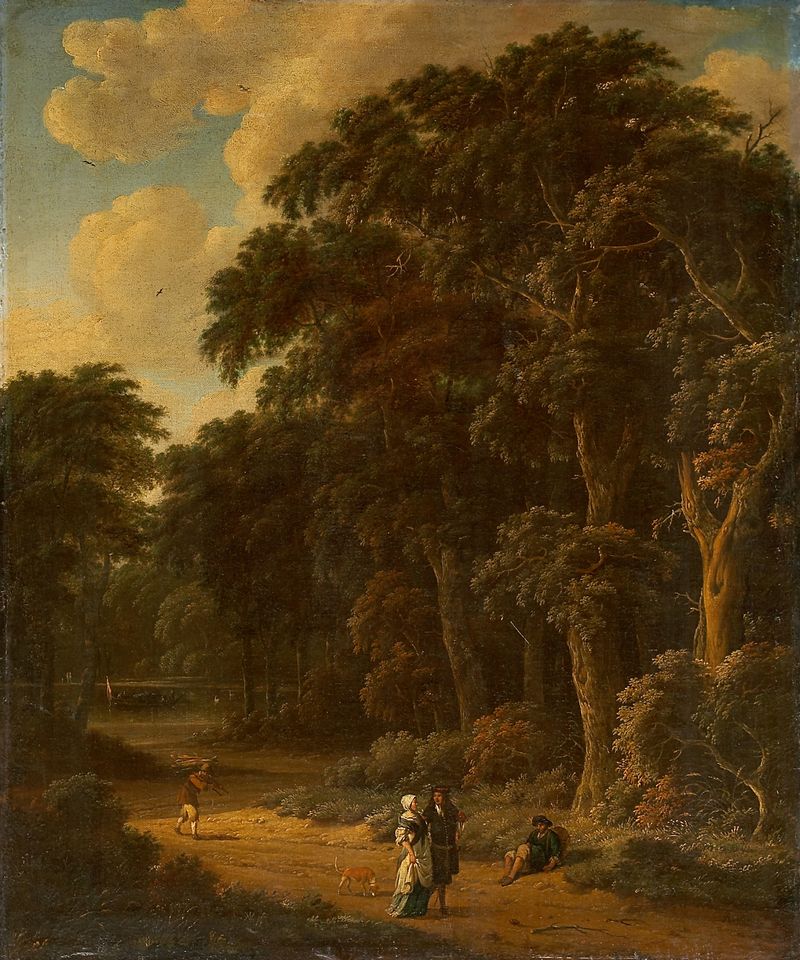
Forest Landscape with Forest Workers and People Strolling
Salomon Rombouts
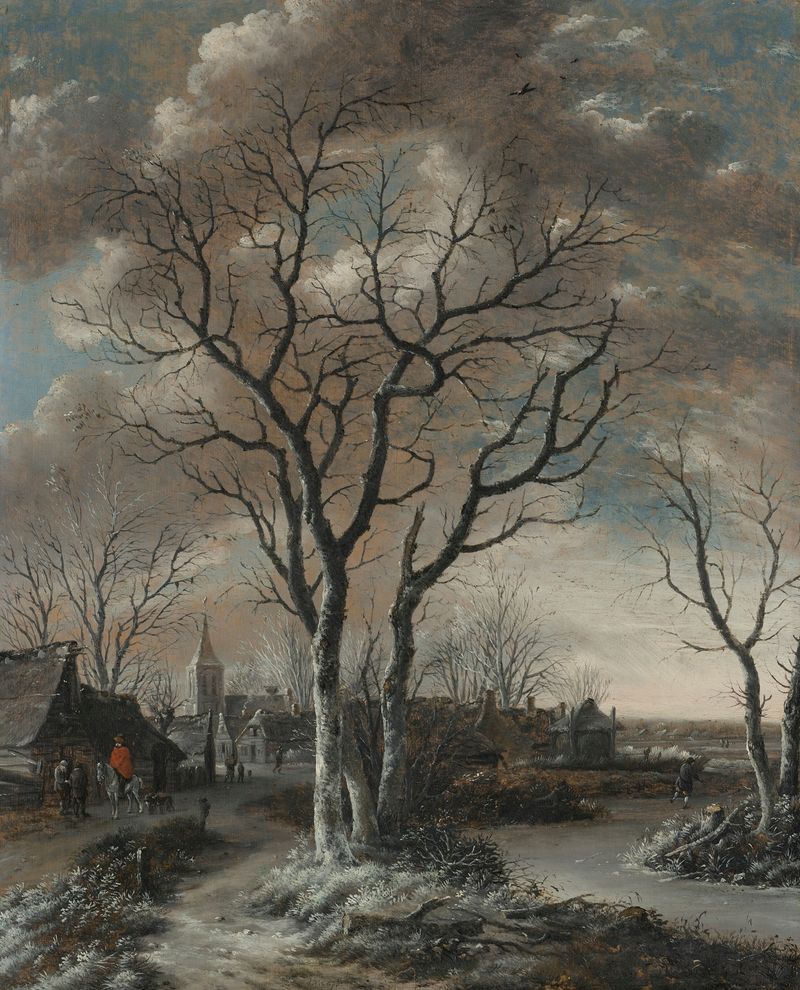
A winter landscape with skaters and other figures near a village, with a church
Salomon Rombouts
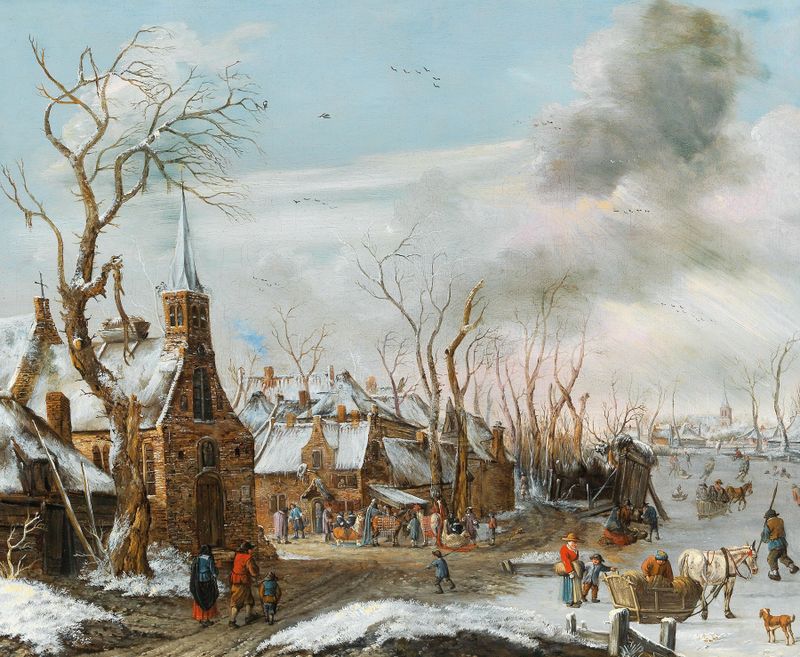
A winter landscape with a market scene
Salomon Rombouts
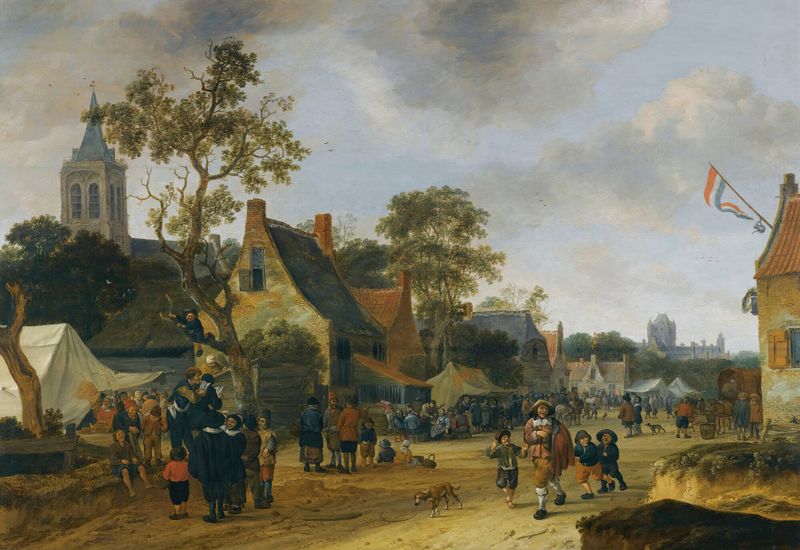
A Village Kermesse With Numerous Figures And Market Stalls
Salomon Rombouts
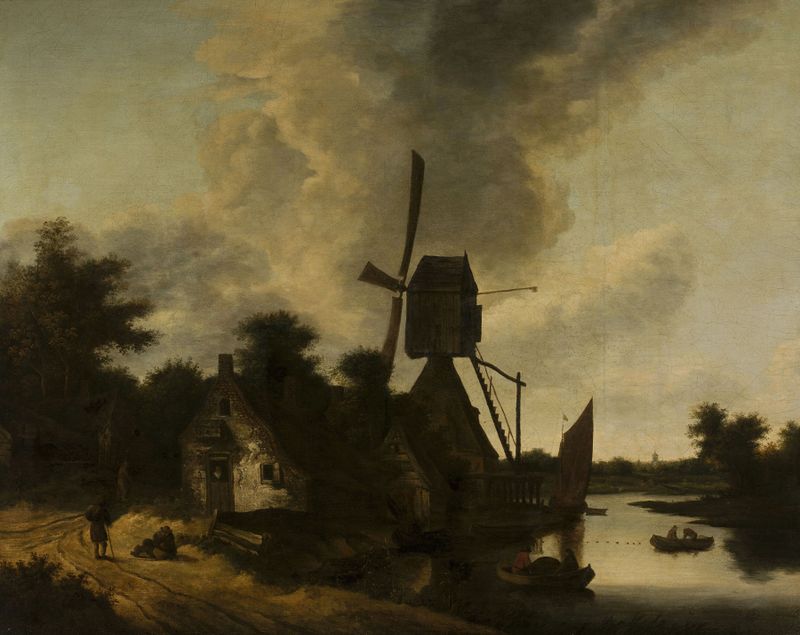
Landscape with a windmill
Salomon Rombouts
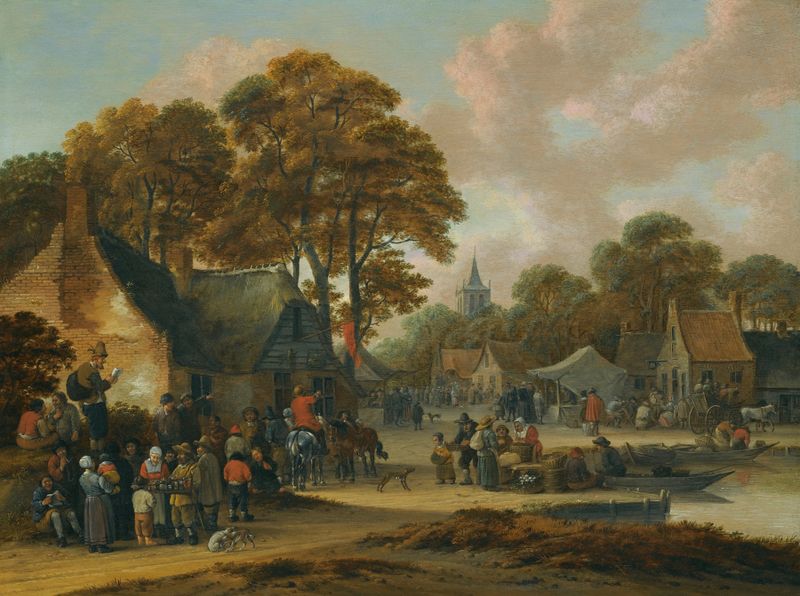
A Village Market Scene
Salomon Rombouts
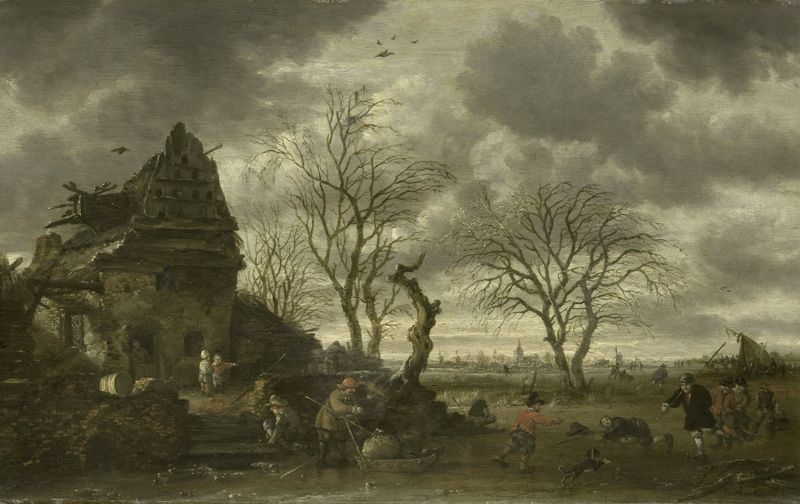
Winter scene
Salomon Rombouts





