
Landscape with a windmill — History & Facts
In the stillness of nature, the illusion of a perfect landscape beckons us closer, inviting introspection and reflection. Look to the left at the gentle curve of the river, its surface shimmering like glass under the soft embrace of the afternoon sun. The windmill stands tall against a backdrop of rich greens and earthy browns, each stroke meticulously layered to create depth and vibrancy. Notice how the sky transitions from warm yellows near the horizon to deeper blues, masterfully drawing the eye upwards, as if to suggest a boundless expanse beyond the painted frame. The presence of the windmill symbolizes the interaction between humanity and nature, a delicate dance of progress and nostalgia.
The play of light and shadow casts a momentary spell, where the blurred edges of reality and illusion seem to converge. Small details, such as the distant figures tending to the fields, hint at the lives intertwined with this picturesque setting, evoking a sense of warmth and community amidst the vast landscape. Created in an unspecified period within the 17th century, the artist explored the nuances of light and natural beauty during a time when landscape painting began gaining prominence in Northern Europe. As artists like Rombouts ventured into capturing the essence of the land, they mirrored a growing appreciation for nature in the face of industrialization, finding in it a quiet yet profound statement about balance and harmony.
More Artworks by Salomon Rombouts
Browse all →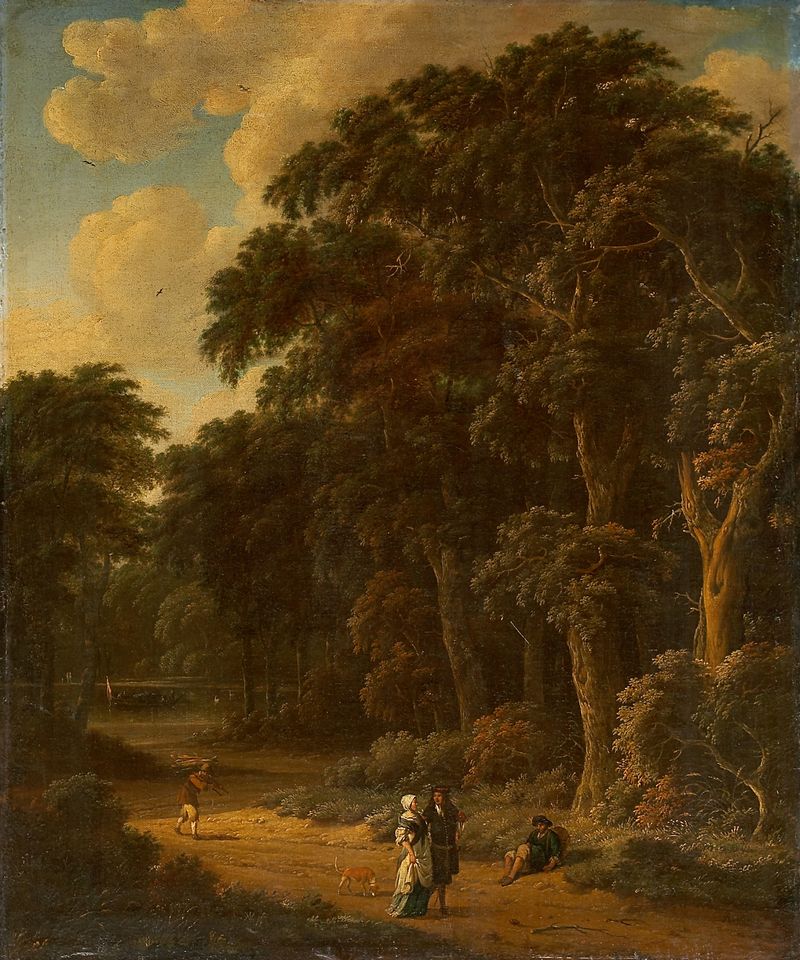
Forest Landscape with Forest Workers and People Strolling
Salomon Rombouts
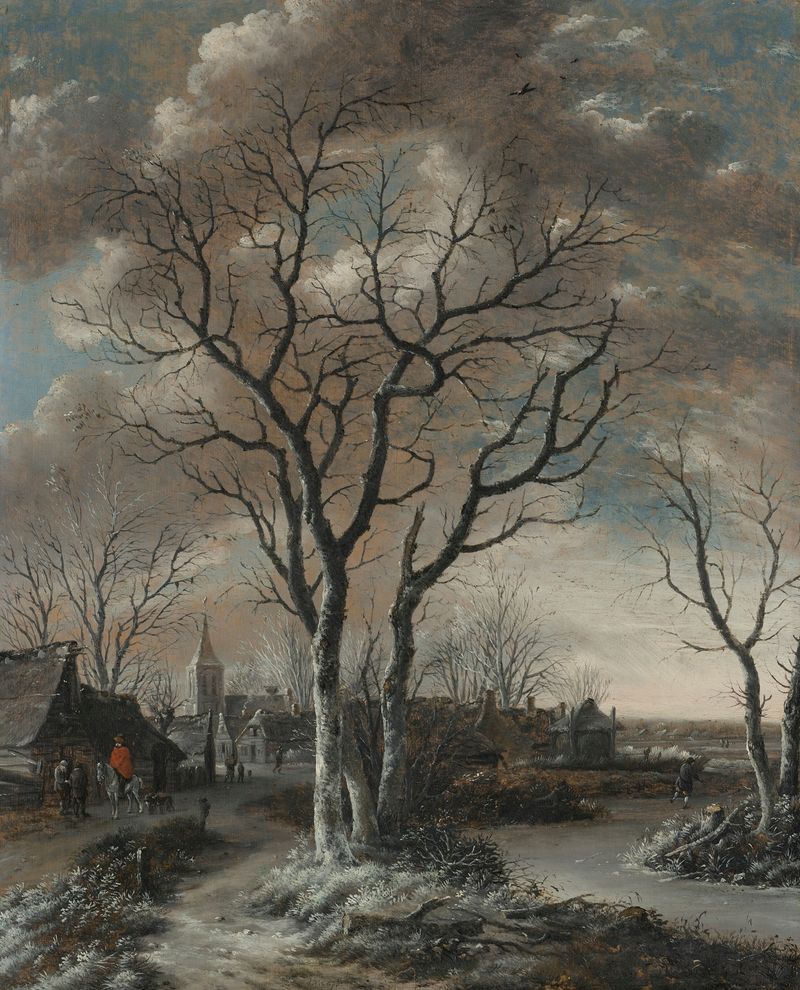
A winter landscape with skaters and other figures near a village, with a church
Salomon Rombouts
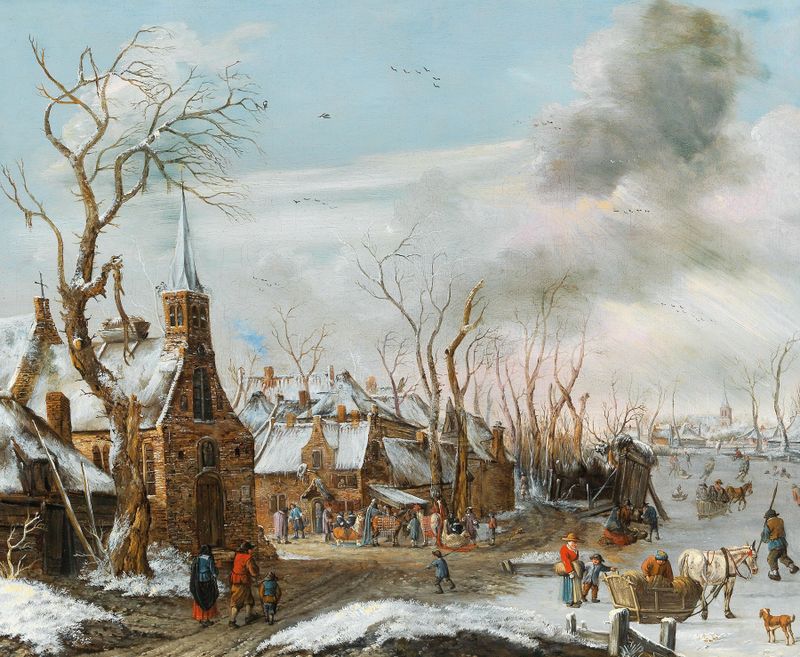
A winter landscape with a market scene
Salomon Rombouts
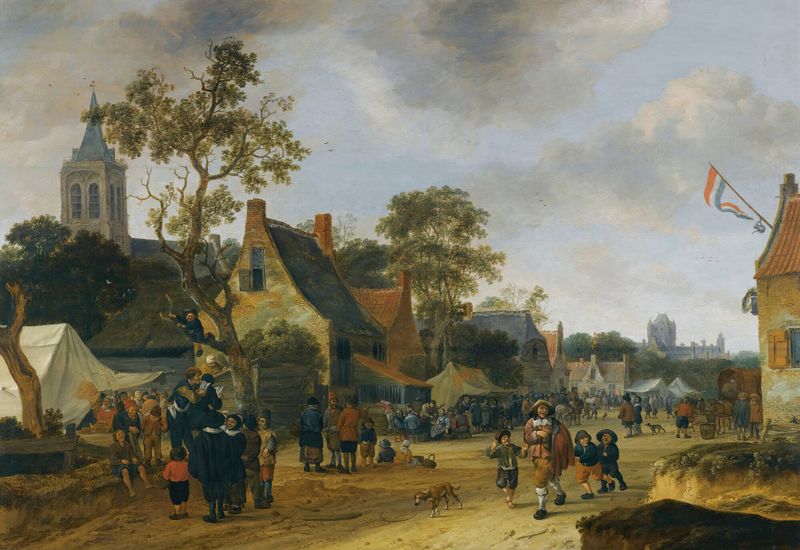
A Village Kermesse With Numerous Figures And Market Stalls
Salomon Rombouts
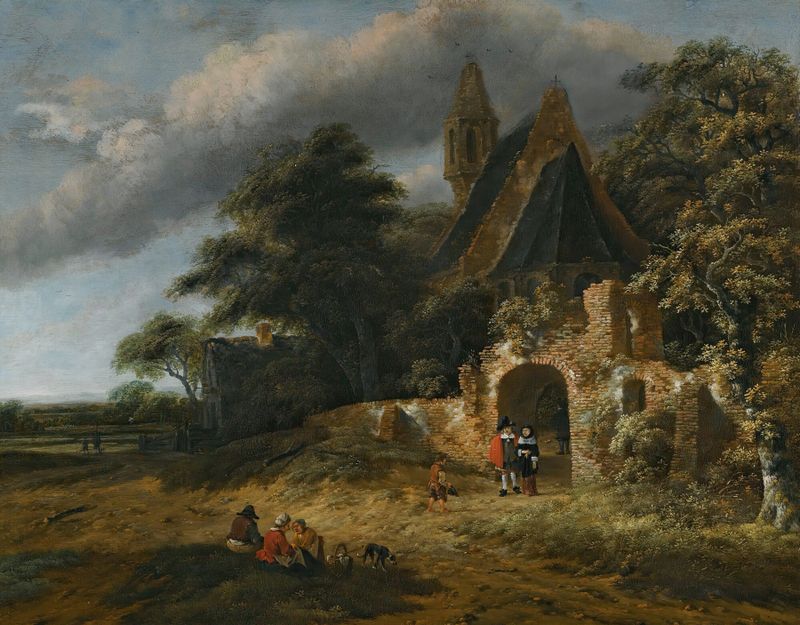
A Landscape With Figures Outside The Walls Of A Ruined Church
Salomon Rombouts
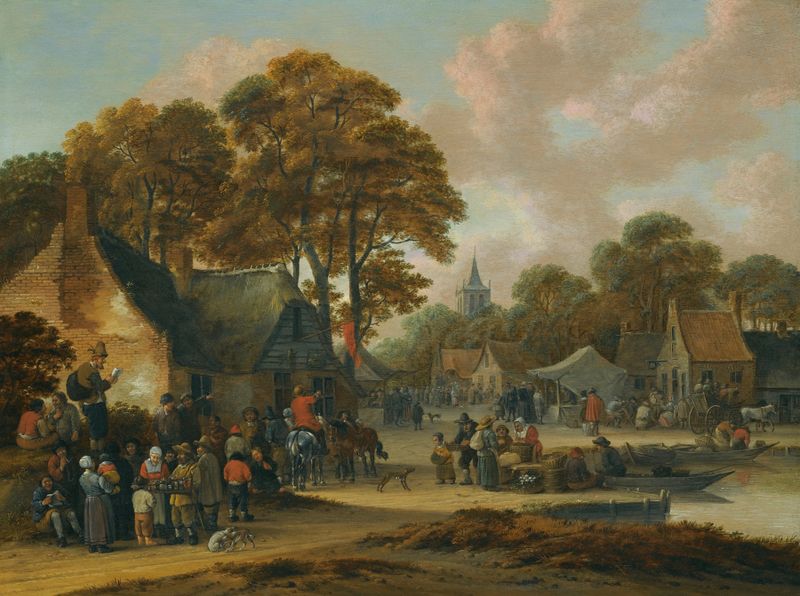
A Village Market Scene
Salomon Rombouts
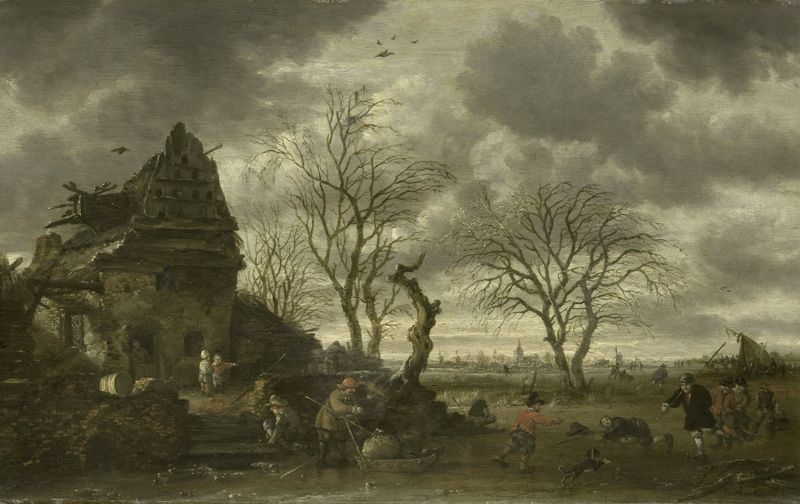
Winter scene
Salomon Rombouts





