A path beside the river — History & Facts
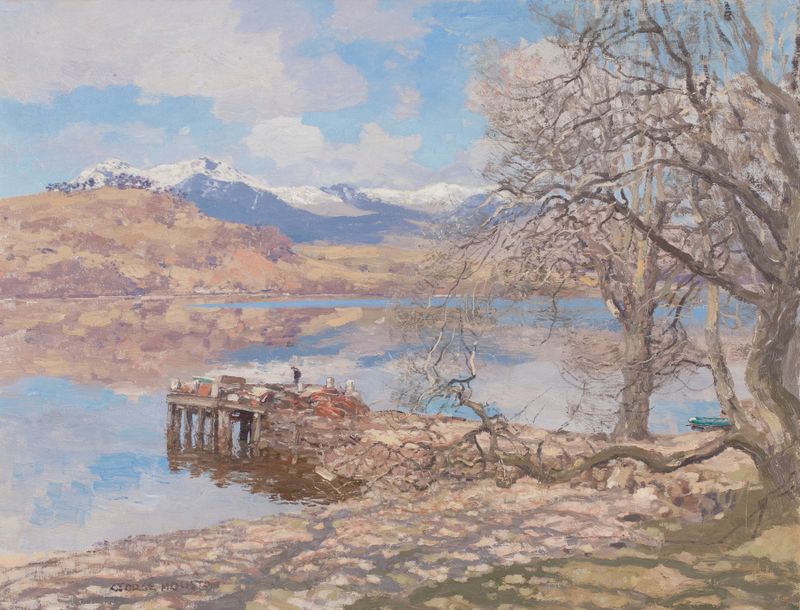
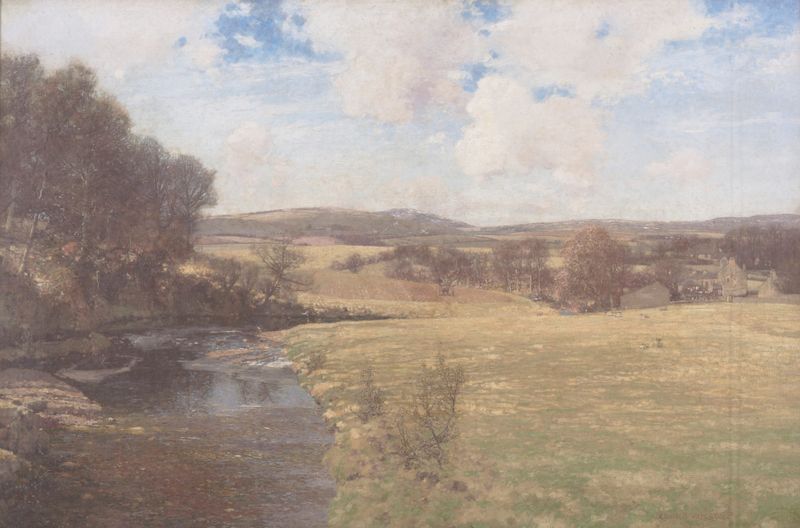
In the stillness of nature, serenity unfolds, inviting the soul to pause and reflect. It whispers of the quiet moments that shape our inner landscapes and connect us to something greater. Look closely at the gentle brushstrokes that form the winding path. Notice how the artist captures the interplay of light and shadow across the lush greenery, inviting your gaze to follow the river's embrace.
The palette of soft greens and muted browns harmonizes with the shimmering blues of the water, evoking a sense of calm and continuity. The subtle textures of the foliage suggest both movement and stillness, as if the scene breathes with life, yet remains eternal. As you delve deeper, consider the emotional resonance of the solitary path by the river—an invitation to introspection. The absence of figures enhances the feeling of solitude, allowing the landscape to become a metaphor for the journey of the self.
The flowing water symbolizes the passage of time, while the verdant surroundings offer refuge, highlighting the contrast between nature's permanence and our fleeting moments. George Houston painted this serene piece during a time when the Pre-Raphaelite movement was influencing British art, emphasizing the beauty of nature and emotional depth. Although the exact date of its creation remains unknown, Houston’s works reflect a period of personal exploration and connection to the natural world. His focus on landscape and tranquility resonated with contemporary themes, seeking solace in the beauty around him while navigating the changes in the art scene.