Feeding the Chickens — History & Facts
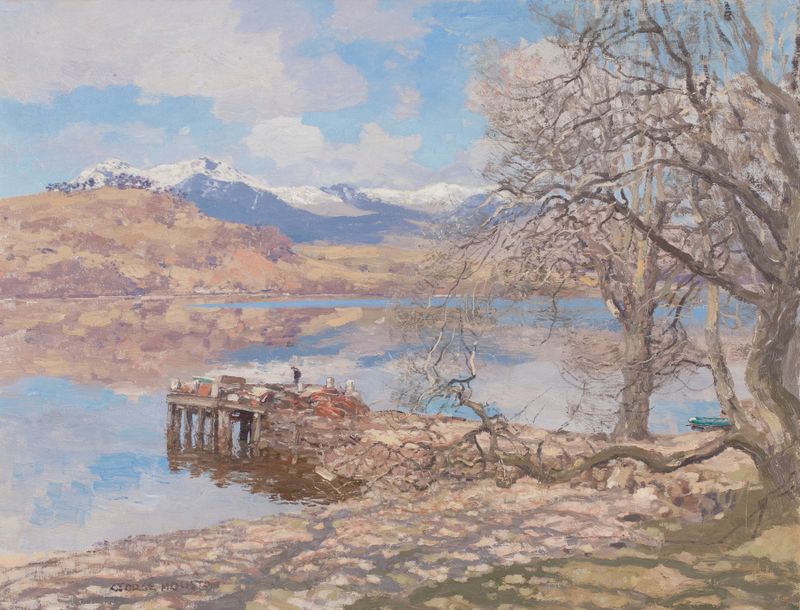
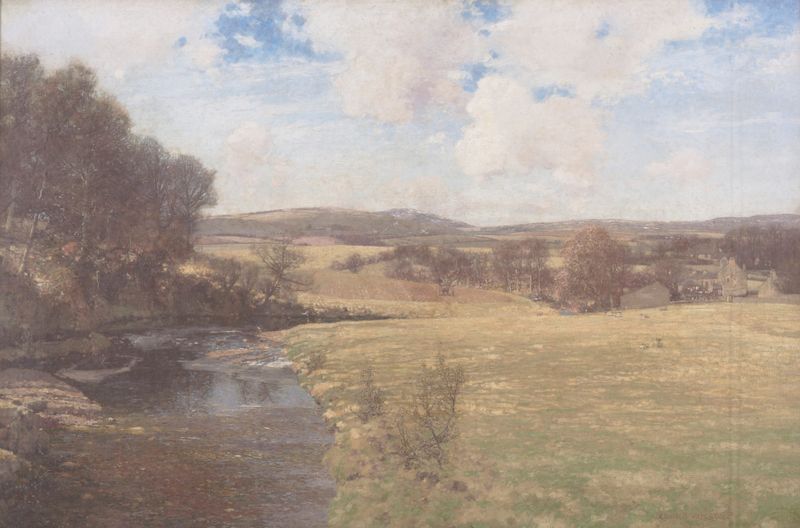
What secret hides in the quiet of the canvas? In the stillness of George Houston's work, Feeding the Chickens, we find a poignant exploration of emptiness that resonates beyond the surface. Look to the left at the gentle curve of the landscape, where soft greens and browns create a soothing backdrop for the tender scene unfolding. The chickens, vibrant splashes of life, engage with the ground as if choreographed, their movements captured in a moment of serene purpose. Notice how the light dapples through the trees, casting a warm glow that cradles the subjects, enhancing the sense of tranquility while inviting contemplation about their existence. Yet, amidst this apparent simplicity, the painting breathes with deeper meaning.
The act of feeding evokes themes of nurture and care, but also suggests a cyclical nature of life and loss, highlighting an emotional tension between abundance and the underlying emptiness of the human experience. Each chicken, while vibrant, symbolizes a fleeting moment of joy that contrasts with the inevitable passage of time, allowing viewers to reflect on their own connections to nature and sustenance. Houston painted this work during a period when rural life and its rhythms were increasingly overshadowed by the industrial age. Though the exact date remains unknown, this piece reflects the artist's ongoing affection for the countryside, while hinting at the transition that enveloped society in the late 19th century.
It captures a moment of stillness in a world on the brink of change, inviting us to pause and remember what is often forgotten.