The Clyde from above Fairlie — History & Facts
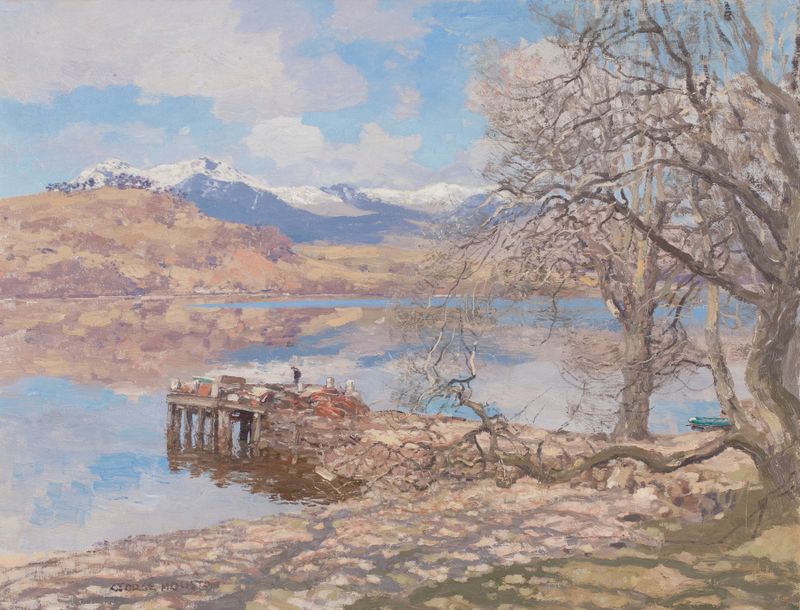
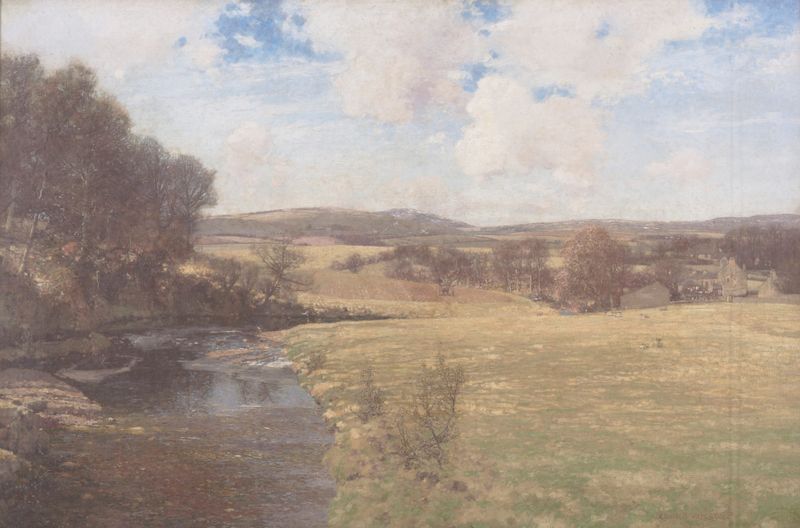
In the act of creation, artists reach beyond the mundane, capturing glimpses of divinity found in nature’s quiet moments. Focus on the serene expanse of the Clyde, where azure waters meet the soft embrace of the land. The composition is harmoniously balanced, drawing the eye toward the river's winding path like a gentle caress of the earth. Notice how the light dances upon the water’s surface, reflecting a myriad of colors that suggest both tranquility and depth.
The lush greenery flanking the banks offers a vibrant contrast, while the clouds hover above, casting ethereal shadows that seem to whisper stories of the past. Hidden within this landscape lies a tension between nature’s tranquility and the fleeting nature of time itself. The calm surface of the river belies the restless flow beneath, symbolizing the eternal passage of time. Elements of light and shadow intertwine, suggesting an interplay between the divine and the earthly, inviting the viewer to contemplate the beauty that exists in the transient moments of life. George Houston painted this work during the late 19th century, a period marked by a growing appreciation for the Scottish landscape.
Living and working primarily in Glasgow, he was influenced by the Romantic movement, which celebrated nature’s sublime beauty. At this time, artists were exploring new techniques and perspectives, striving to capture the essence of their surroundings and the profound emotional responses they evoked.