
A Rheinish Landscape — History & Facts
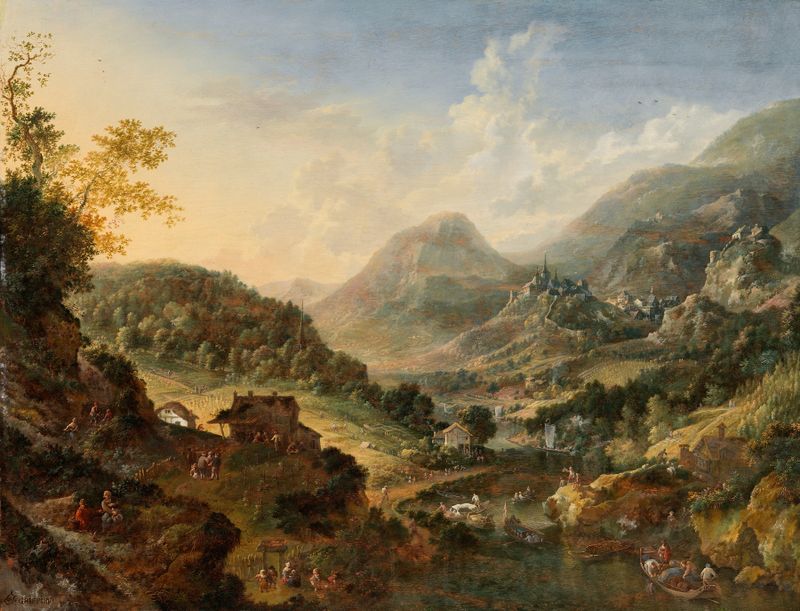
In the vastness of existence, the void often speaks louder than the vibrancy of life. Focus on the expanse of the horizon, where soft pastels of lilac and gold bleed into one another, beckoning your gaze toward the distant, fading light. The meandering river, a ribbon of reflective tranquility, draws your eye, while the solitary trees rise like quiet sentinels along its banks. The delicate balance of shadow and light creates a sense of ethereal stillness, inviting contemplation of both the landscape and one's inner world. Yet, it is the subtle emptiness that imbues this piece with resonance.
The bare patches of earth hint at nature's ebb, suggesting decay and rebirth in quiet harmony. The slightly muted colors evoke a wistfulness, as if the scene captures a fleeting moment just before nightfall—a reminder of life’s transience. The juxtaposition of vibrant foliage and the serene water invites the viewer to ponder the intricacies of existence, each element contributing to a narrative of longing. In 1705, Jan Griffier painted this landscape during a time when the Baroque style was evolving, balancing realism with emotional depth.
Residing in the Netherlands, he was influenced by both Dutch landscape tradition and the rising interest in capturing nature's subtleties. This period marked a shift toward an appreciation of nature’s beauty and quiet majesty, shaping Griffier’s approach to this evocative scene.
More Artworks by Jan Griffier
Browse all →
Flodlandskab ved vintertid
Jan Griffier

Winter landscape
Jan Griffier

Winter Pleasures
Jan Griffier
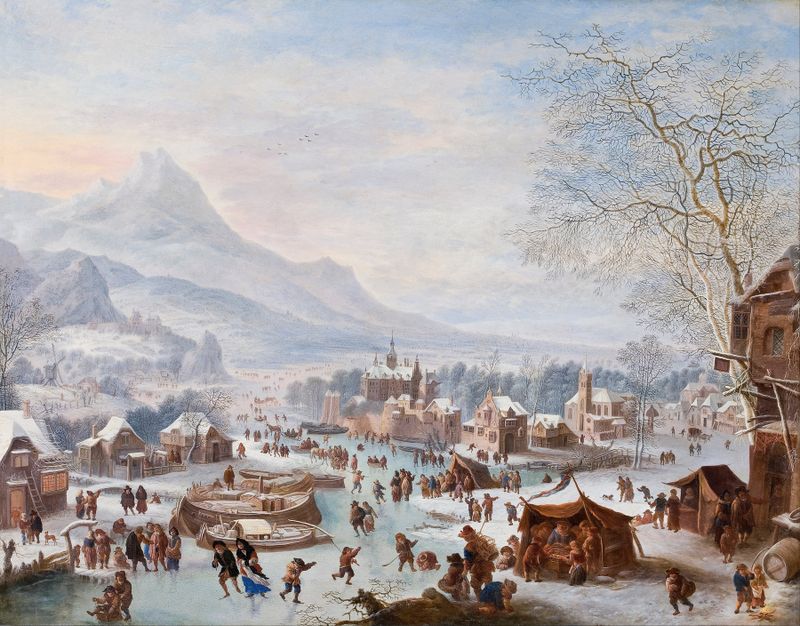
Winter Scene with Skaters
Jan Griffier
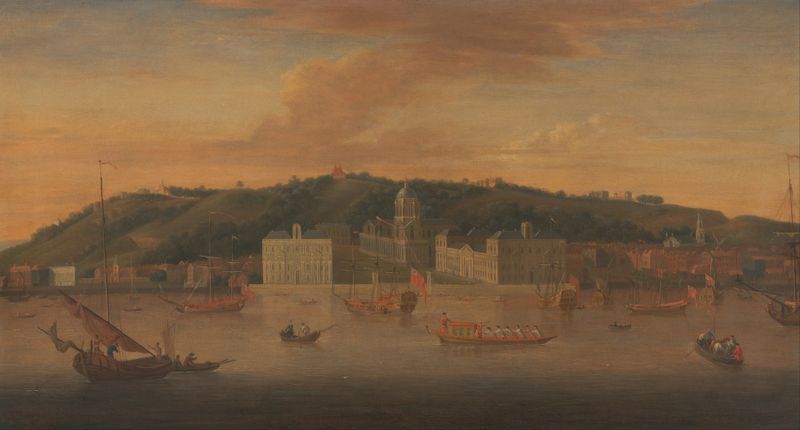
A view of Greenwich from the River with many Boats
Jan Griffier
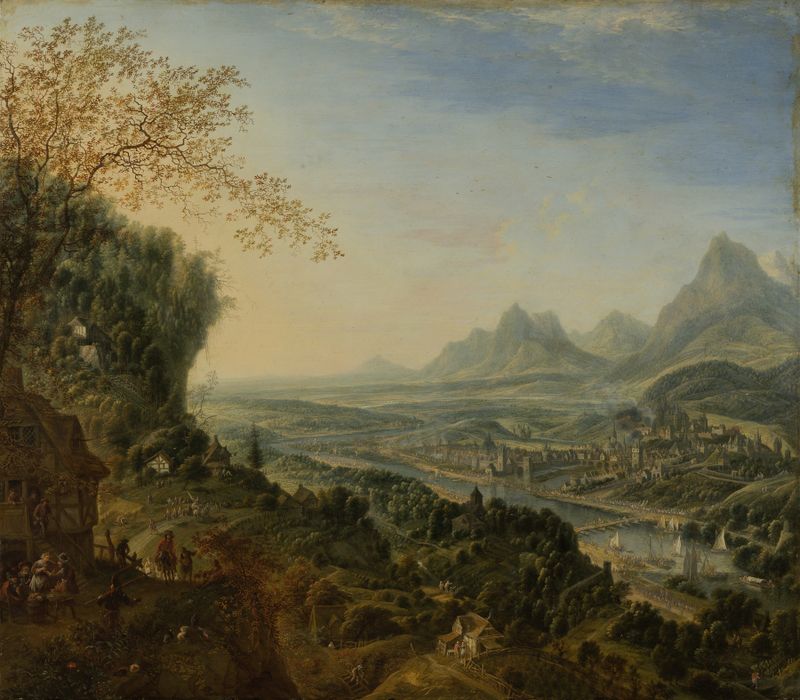
River Landscape with Rhine Motifs and Troops Passing
Jan Griffier
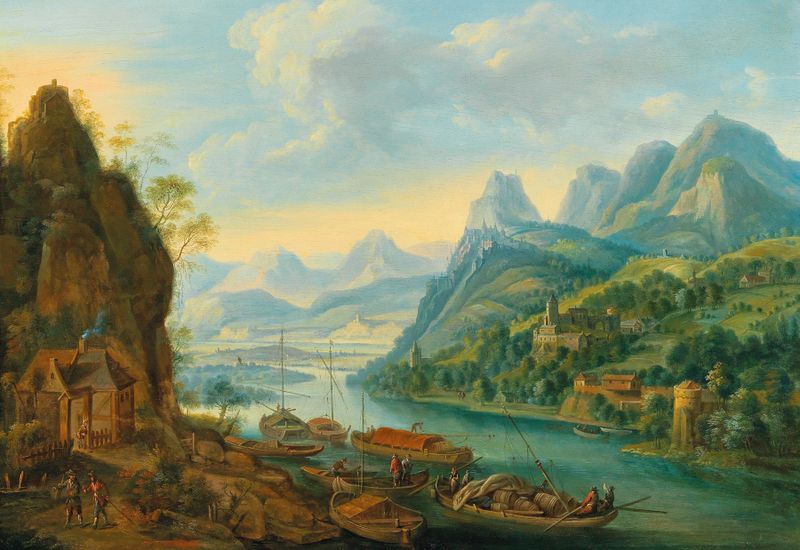
A river landscape with mountains
Jan Griffier

River View
Jan Griffier
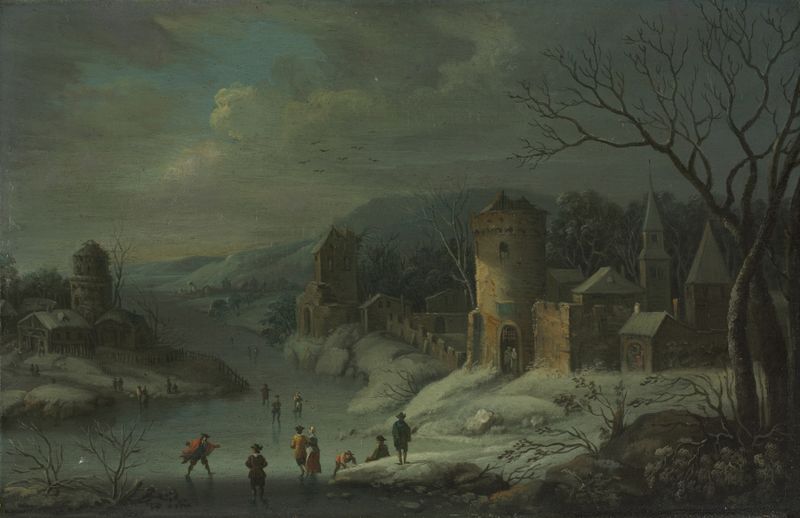
Winter Landscape
Jan Griffier
A River Landscape
Jan Griffier





