
Winter Pleasures — History & Facts
In Winter Pleasures, a world of layered desires unfolds, inviting contemplative reflection on the transient nature of joy. Look to the left at the figures, wrapped in vibrant reds and greens, their laughter almost palpable against the muted snow. Notice how splashes of sunlight break through the heavy clouds, painting the scene with a soft glow that contrasts the chill of winter. The artist’s broad brushstrokes create a sense of motion, capturing not only the physical activity of ice skating but also the emotional warmth shared among friends and families. Yet deeper meanings lie beneath the surface.
The contrasting elements of warmth and cold highlight the tension between the joy of communal activities and the isolation often felt in winter months. The frozen lake symbolizes both a playground and a barrier, suggesting a longing for connection amidst the starkness of the season. The smiling faces of the skaters serve as a reminder of resilience against the biting cold, echoing the universal desire for togetherness. Painted between 1710 and 1718, this work emerged during a time of shifting artistic ideals in the Netherlands.
Jan Griffier was influenced by the burgeoning popularity of winter scenes in art, exploring both the beauty and hardship of the season. As he navigated his own artistic path, he captured a moment that speaks to the enduring human spirit, revealing how desire for joy can manifest even amid adversity.
More Artworks by Jan Griffier
Browse all →
Flodlandskab ved vintertid
Jan Griffier

Winter landscape
Jan Griffier
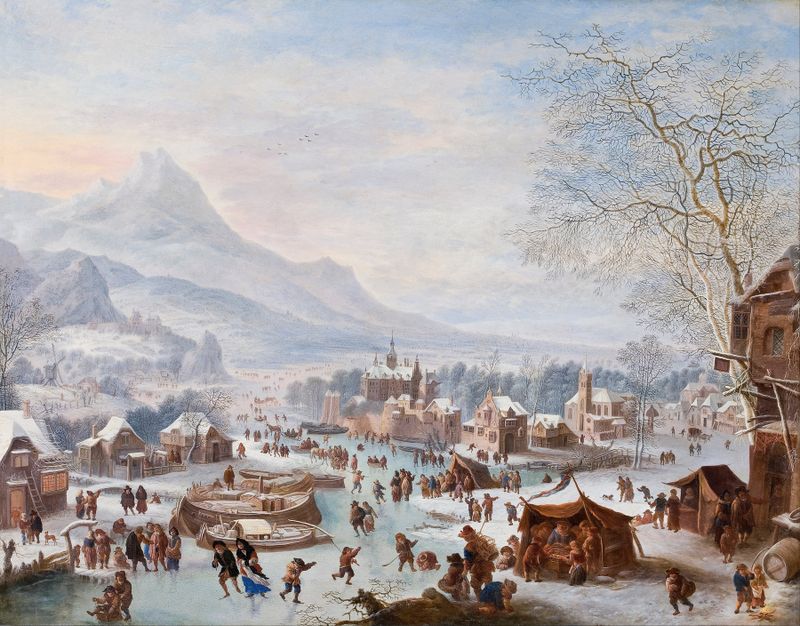
Winter Scene with Skaters
Jan Griffier
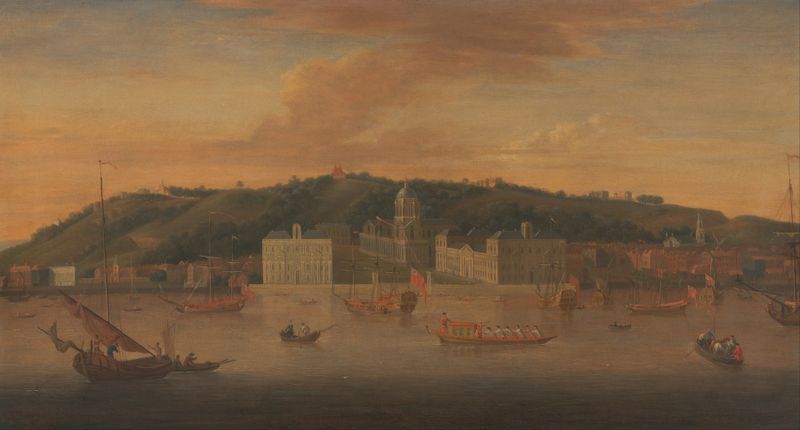
A view of Greenwich from the River with many Boats
Jan Griffier
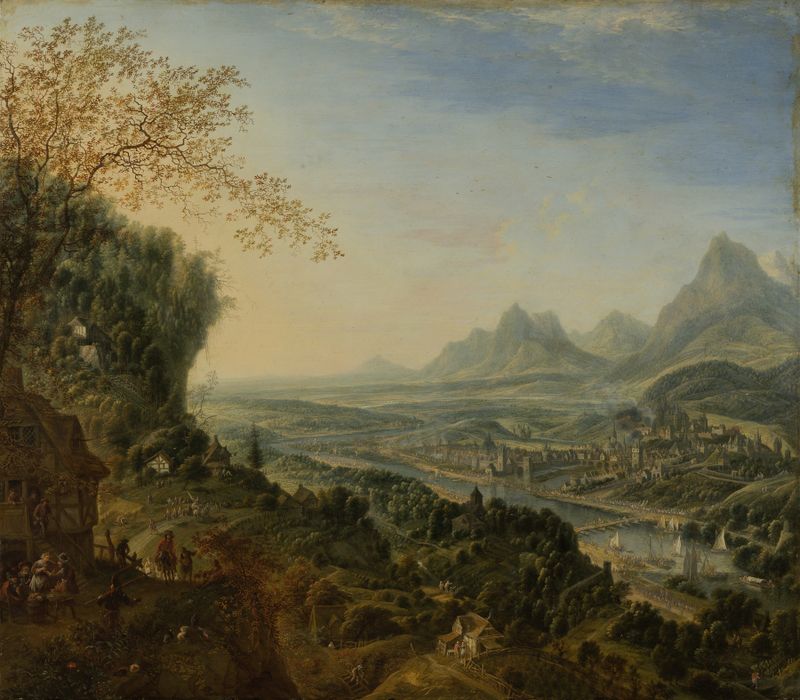
River Landscape with Rhine Motifs and Troops Passing
Jan Griffier
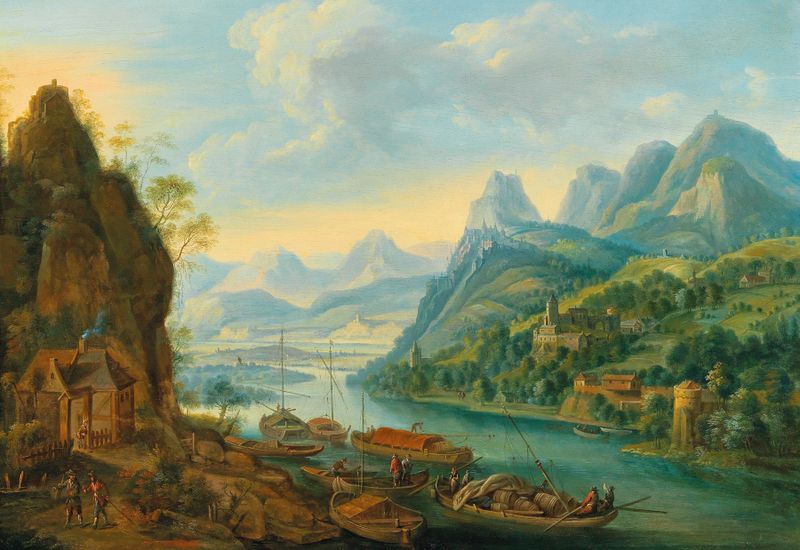
A river landscape with mountains
Jan Griffier
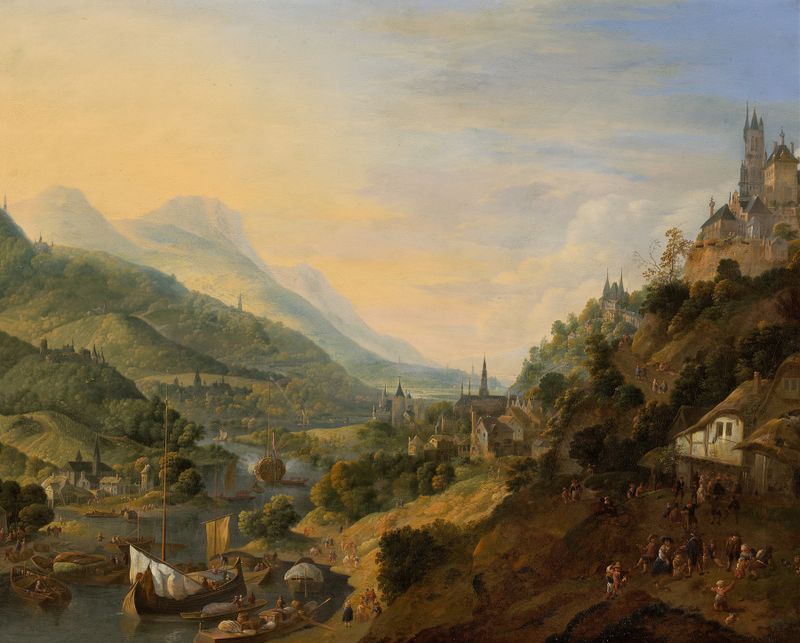
A Rheinish Landscape
Jan Griffier

River View
Jan Griffier
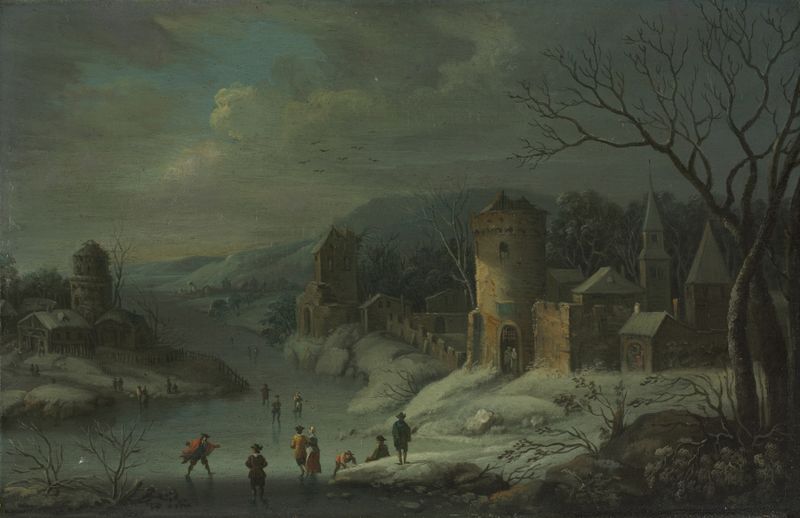
Winter Landscape
Jan Griffier
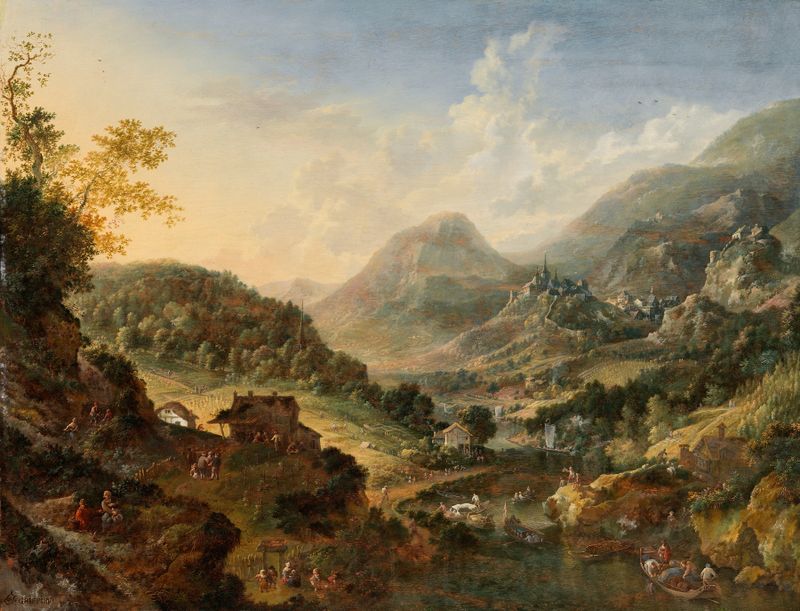
A River Landscape
Jan Griffier





