
Winter landscape — History & Facts
Who listens when art speaks of silence? In the stillness of winter, where frosted breath meets a quiet world, an unspoken ecstasy lingers just below the surface. Look to the foreground at the delicate interplay of snow-drenched trees, their branches heavy with white, as if nature cradles its own quietude. The composition invites you in with a gentle slope, leading your gaze toward a horizon brushed with cool grays and soft blues, where the sky melds seamlessly with the wintry earth. Notice how the muted palette evokes tranquility, while the meticulous brushwork captures each flake’s shimmer, breathing life into frozen stillness. Within this serene landscape lies a tension between desolation and beauty, a sharp contrast that speaks to the fragility of nature’s cycles.
The distant figures, barely discernible against the vastness, symbolize human isolation amidst the grandeur of a winter’s expanse. Each tiny detail—like footprints lost in the snow—hints at a story untold, an echo of lives entwined in the embrace of a season that both stifles and inspires. Jan Griffier painted this timeless scene in the early 18th century, amid a burgeoning interest in landscape art. At the time, he was establishing his reputation in a landscape genre that was beginning to flourish across Europe, reflecting the transitional nature of the world around him—a juxtaposition of burgeoning civilization against the serene and eternal beauty of the natural world.
More Artworks by Jan Griffier
Browse all →
Flodlandskab ved vintertid
Jan Griffier

Winter Pleasures
Jan Griffier
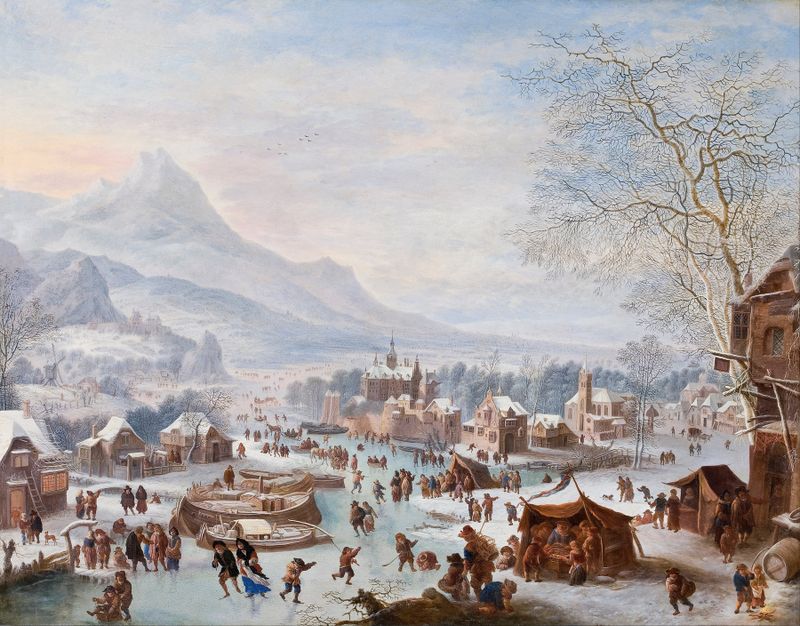
Winter Scene with Skaters
Jan Griffier
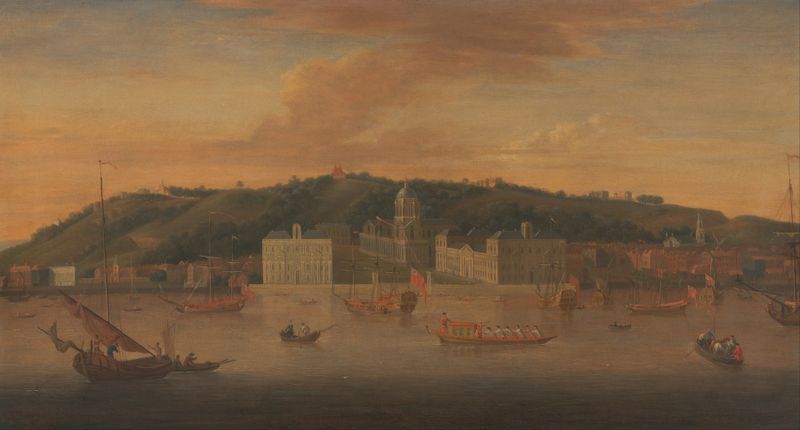
A view of Greenwich from the River with many Boats
Jan Griffier
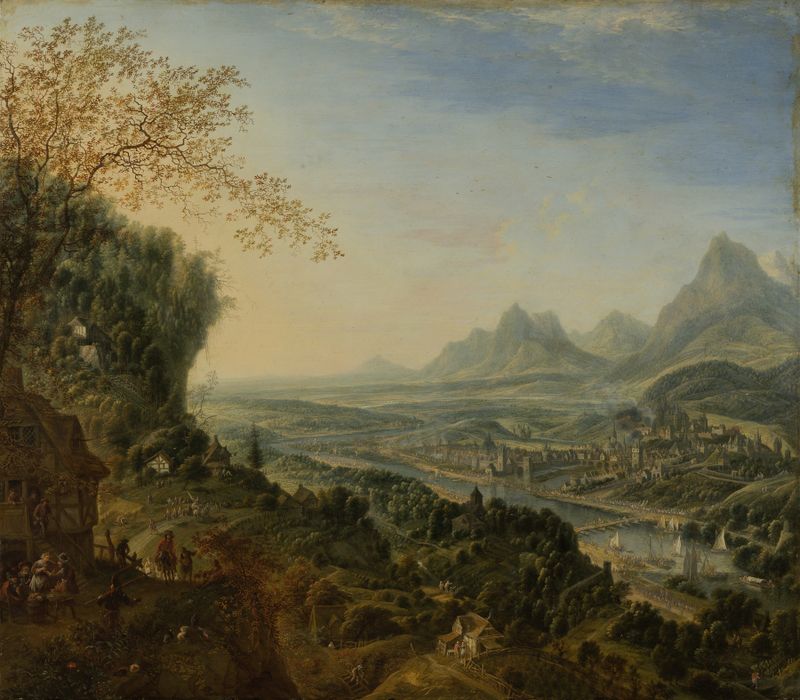
River Landscape with Rhine Motifs and Troops Passing
Jan Griffier
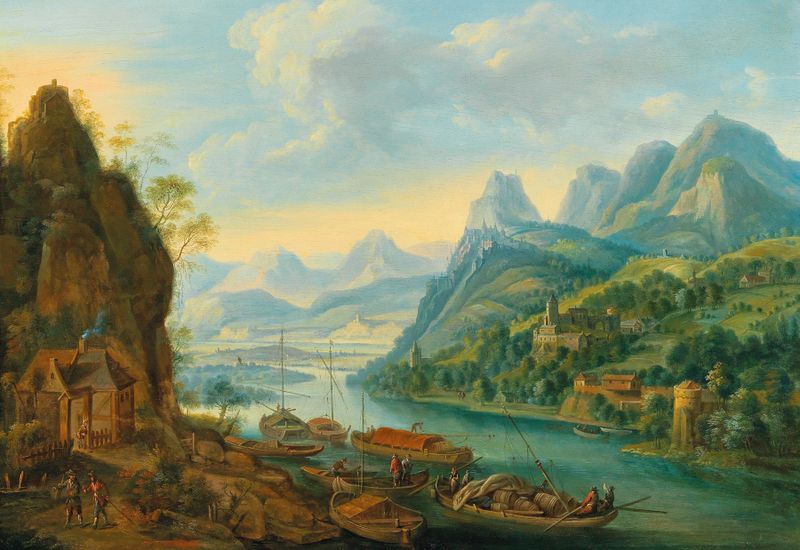
A river landscape with mountains
Jan Griffier
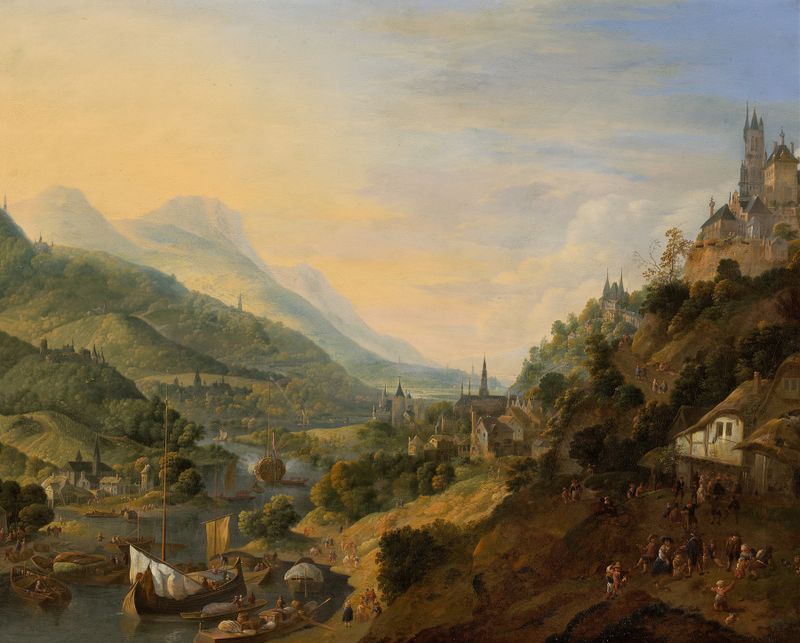
A Rheinish Landscape
Jan Griffier

River View
Jan Griffier
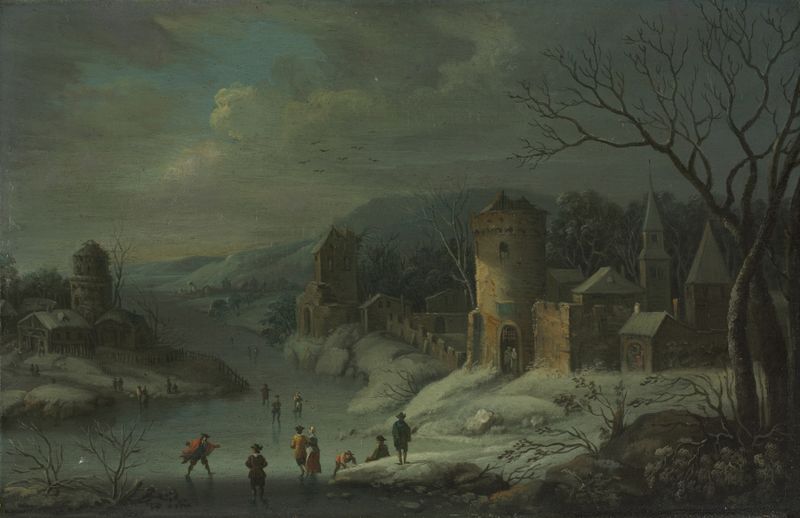
Winter Landscape
Jan Griffier
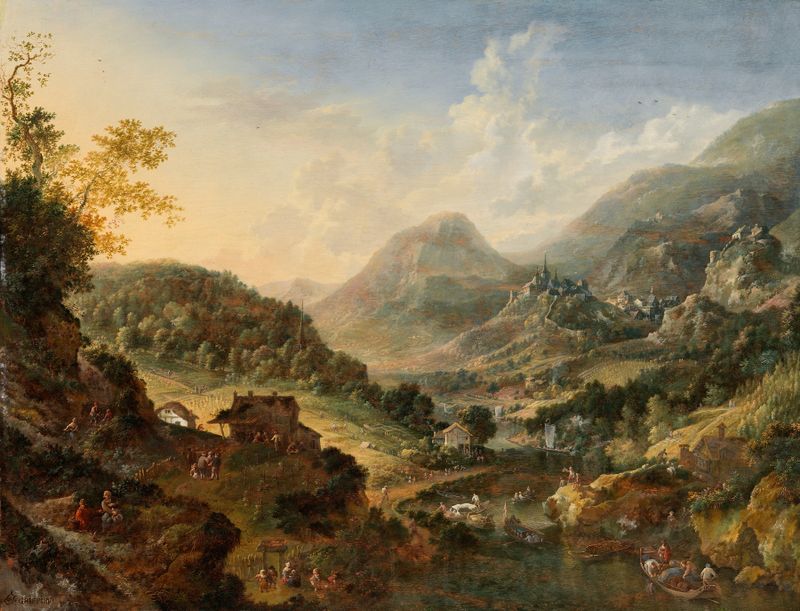
A River Landscape
Jan Griffier





