A Scene in Martigues — History & Facts
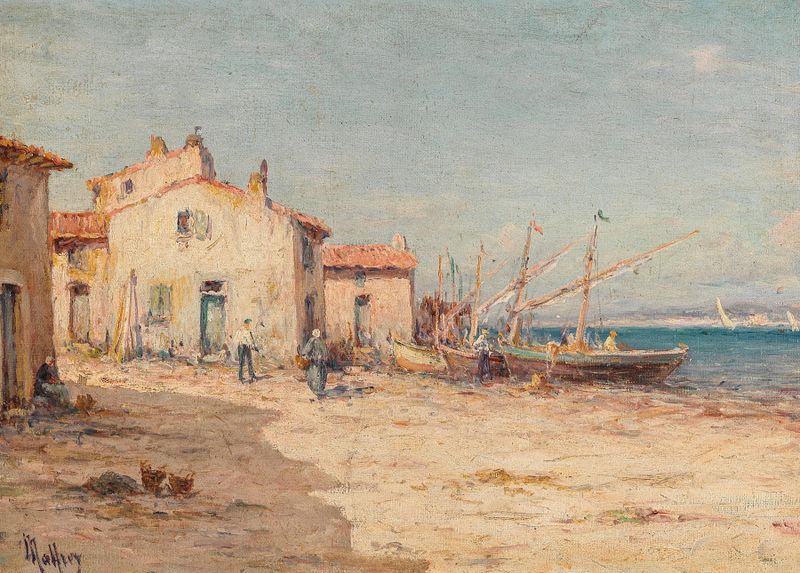
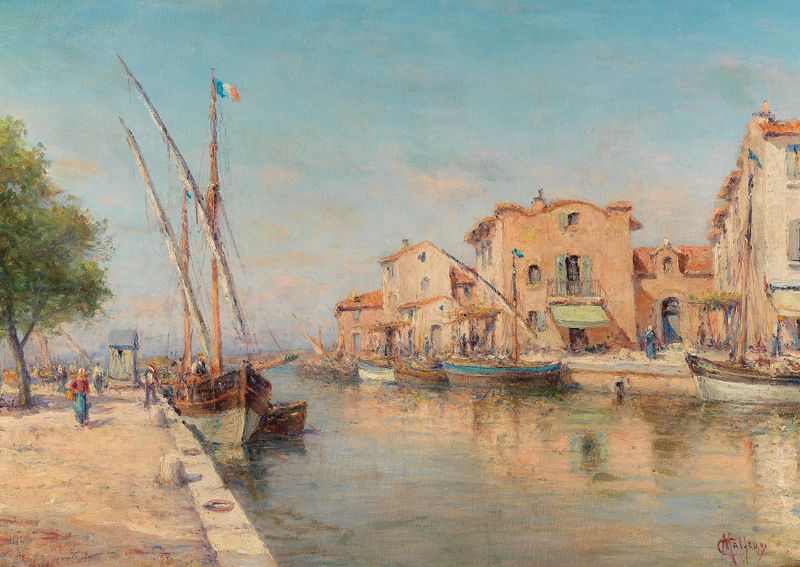
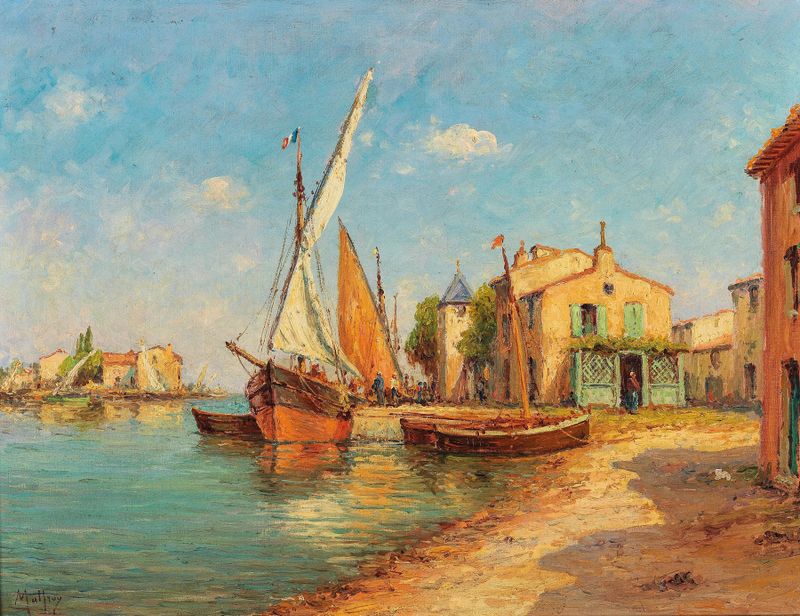
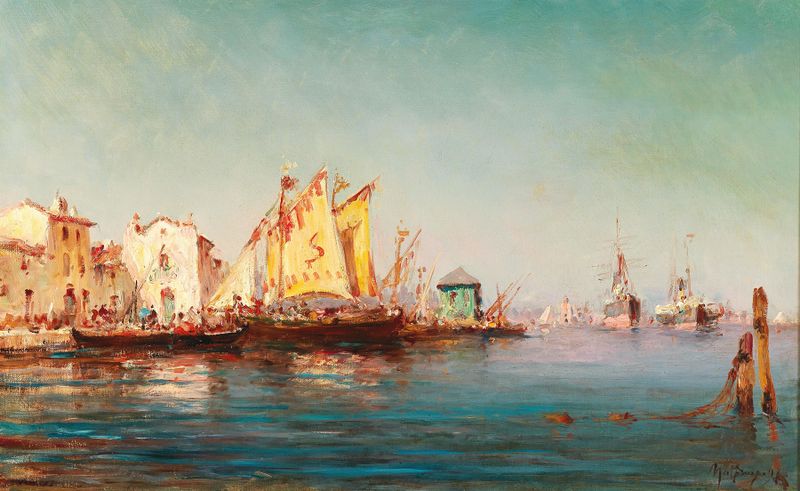
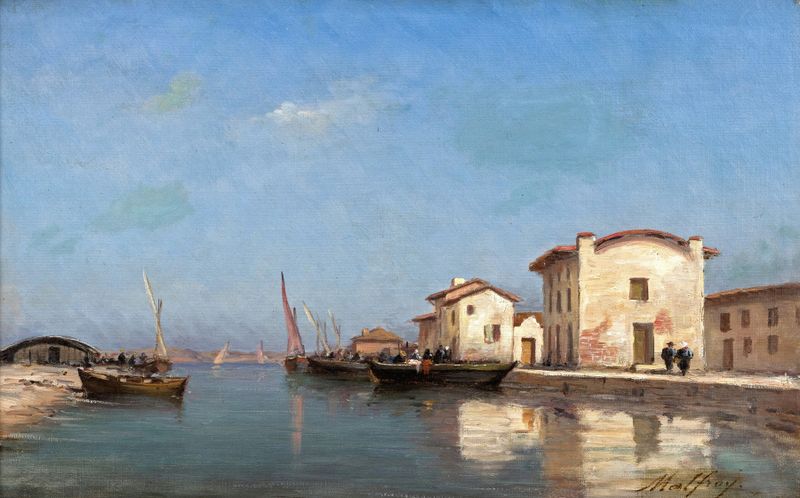
Is this a mirror — or a memory? The tumultuous interplay between chaos and calm envelops the viewer as shadows dance across the surface of the water, reflecting an unsteady world. Look to the right at the vibrant colors that spill across the canvas, where deep blues flirt with the radiant yellows of a setting sun. The painter’s brushstrokes, both frenetic and deliberate, guide the eye towards the boats bobbing at anchor, their forms almost abstract in the tumult of the waves. Notice how the soft light bathes the scene in an ethereal glow, giving it a dreamlike quality that blurs the line between reality and nostalgia, pulling you deeper into the moment. Beneath the surface of this picturesque tableau lies a tension between movement and stillness.
The chaotic splashes of water suggest a fleeting moment, yet the boats symbolize stability amidst unrest. This duality reflects the artist’s own struggle with his environment, an invitation to reflect on the beauty and turmoil of life, and how they coexist in harmony. Each element, from the undulating shoreline to the distant figures, resonates with the complexity of memory—the fleeting and the eternal wrapped into one. In 1910, Charles Malfroy painted this work during a period of artistic experimentation in France, as post-impressionism and early modernist ideas shaped the art scene.
He found himself in Martigues, a town full of vibrant colors and life, capturing the essence of a world in flux. This work reflects a moment in his life where personal exploration and the broader context of artistic evolution intertwined, showcasing his unique interpretation of both chaos and serenity.