Martigues Port — History & Facts
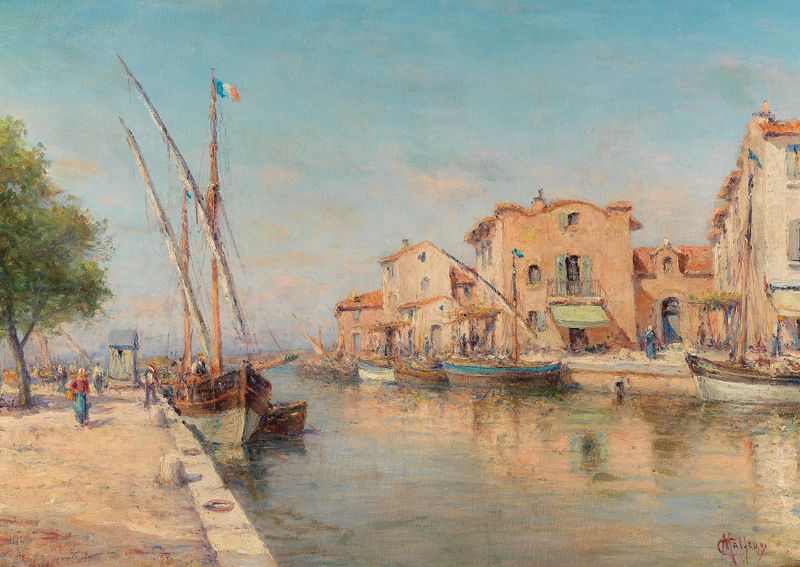
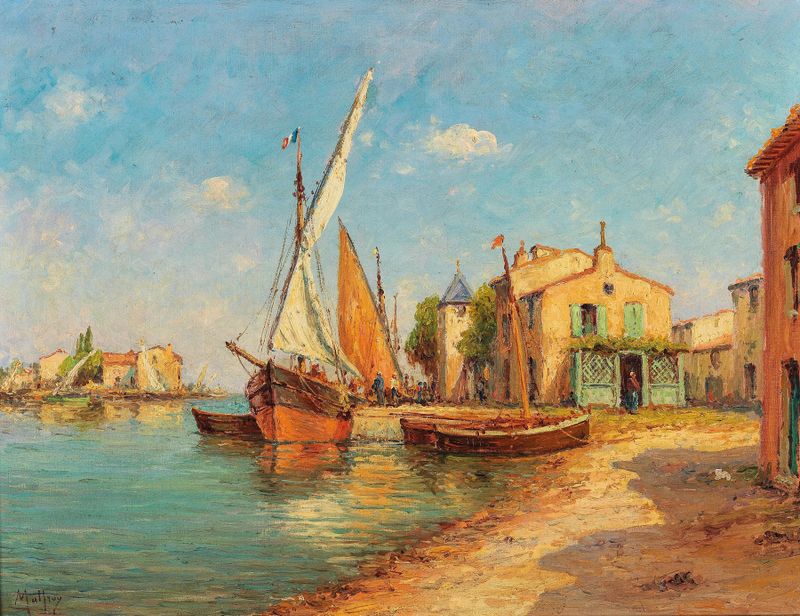
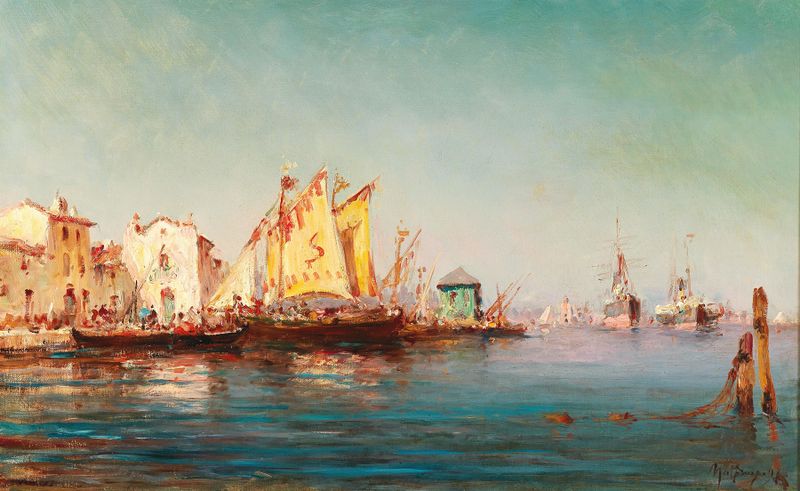
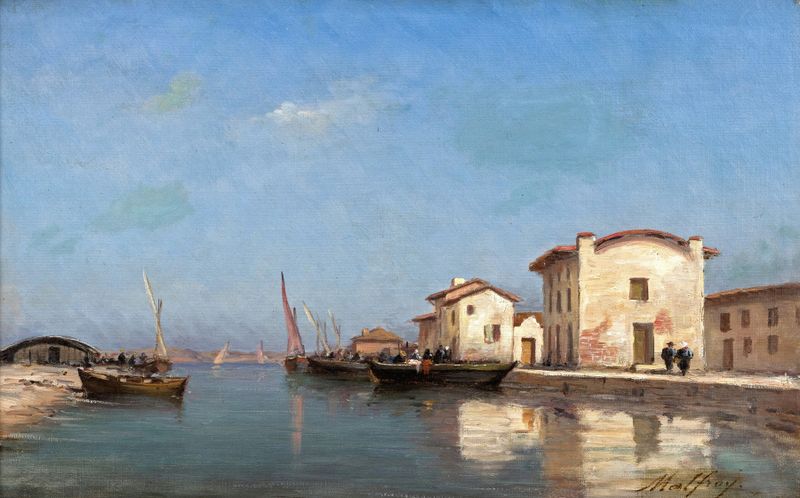
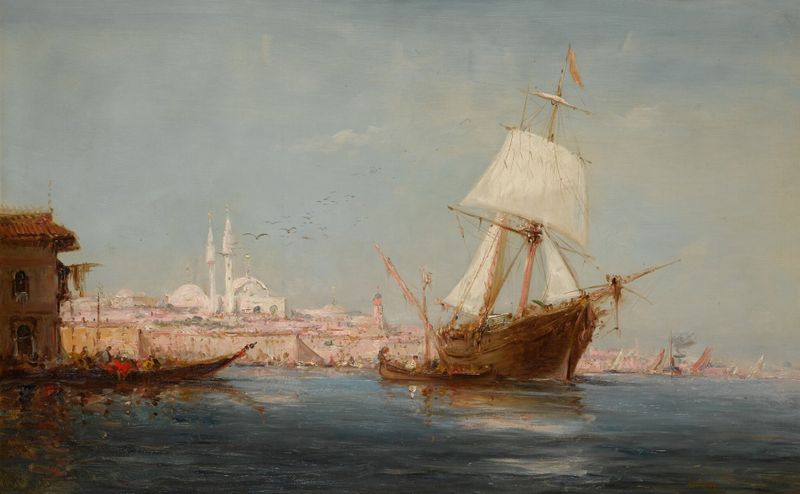
When did color learn to lie? In Martigues Port, vibrant hues mask an unsettling void, revealing the complexity of perception in the world around us. Begin your exploration of the painting by looking to the foreground, where the rich blues and greens of the water create an alluring contrast against the earthy tones of the dock. The brushwork is loose, yet deliberate, giving the scene a sense of movement as if the water might ripple beyond the canvas. Notice how the warm sunlight reflects off the surface, crafting sparkles that dance like fleeting memories, while the shadows cast by nearby structures hint at the secrets held within the day's warmth. As you delve deeper, consider the juxtaposition of the bustling port against the emptiness that looms just beyond.
The bright palette suggests life and activity, yet the almost ghostly absence of figures raises questions about presence and absence. This contrast speaks to the human experience—how vibrant colors can sometimes mask an underlying emotional void, echoing a tension between what is seen and what is felt. Charles Malfroy painted Martigues Port during a period when Impressionism was flourishing, likely in the late 19th century. This was a time of significant change in France, both in society and within the art world, as artists began to prioritize personal expression over realism.
Malfroy, influenced by these movements, embraced color and light to convey mood, capturing the spirit of a place that reflects both vitality and an ineffable emptiness.