A Seven-Part Decorative Sequence: A Gallery — History & Facts
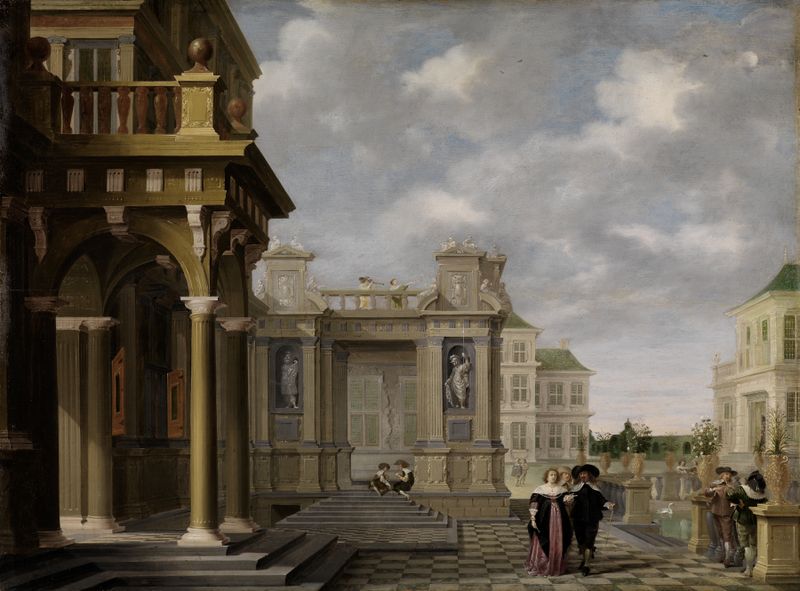
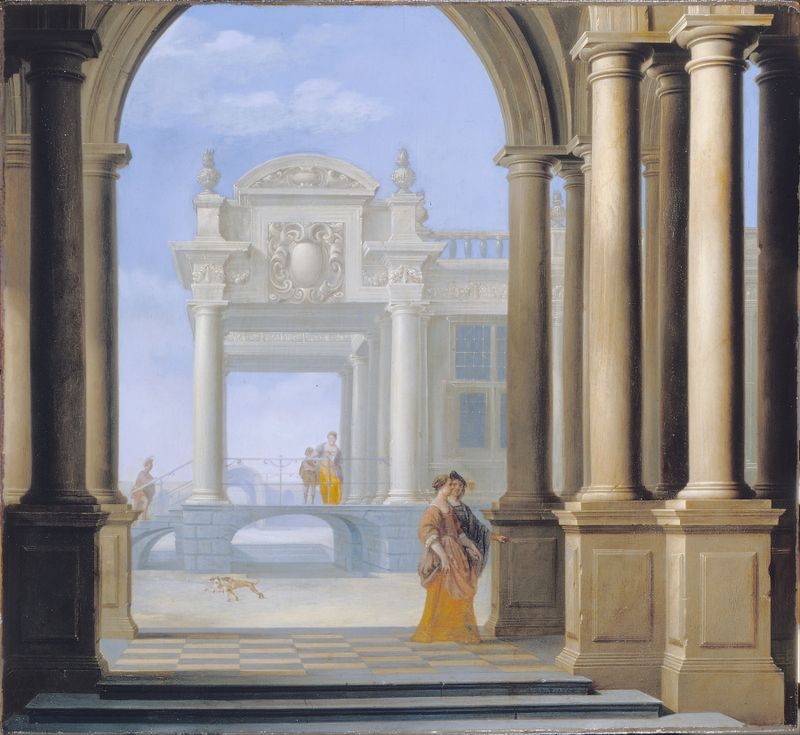
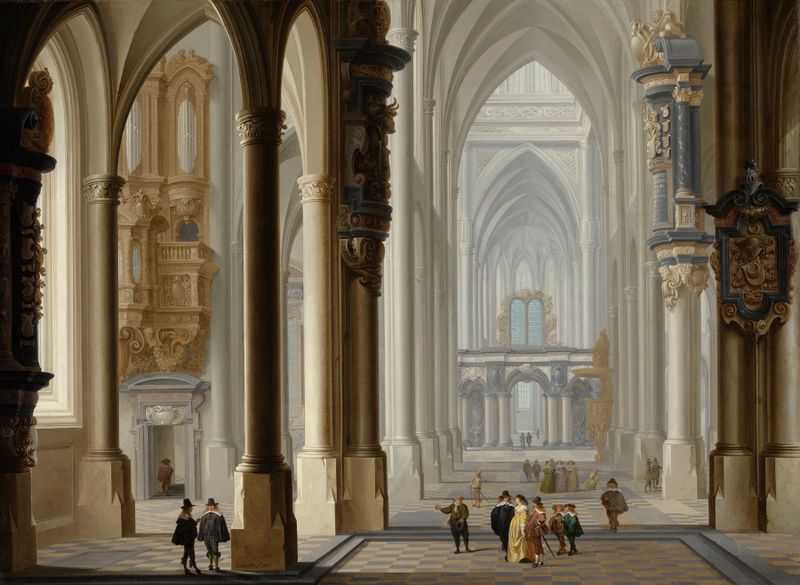
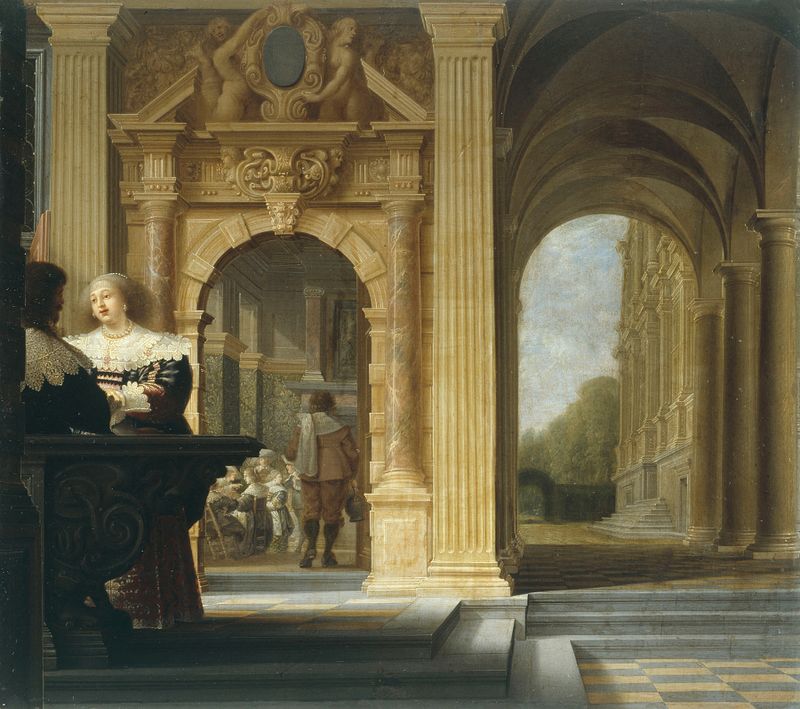
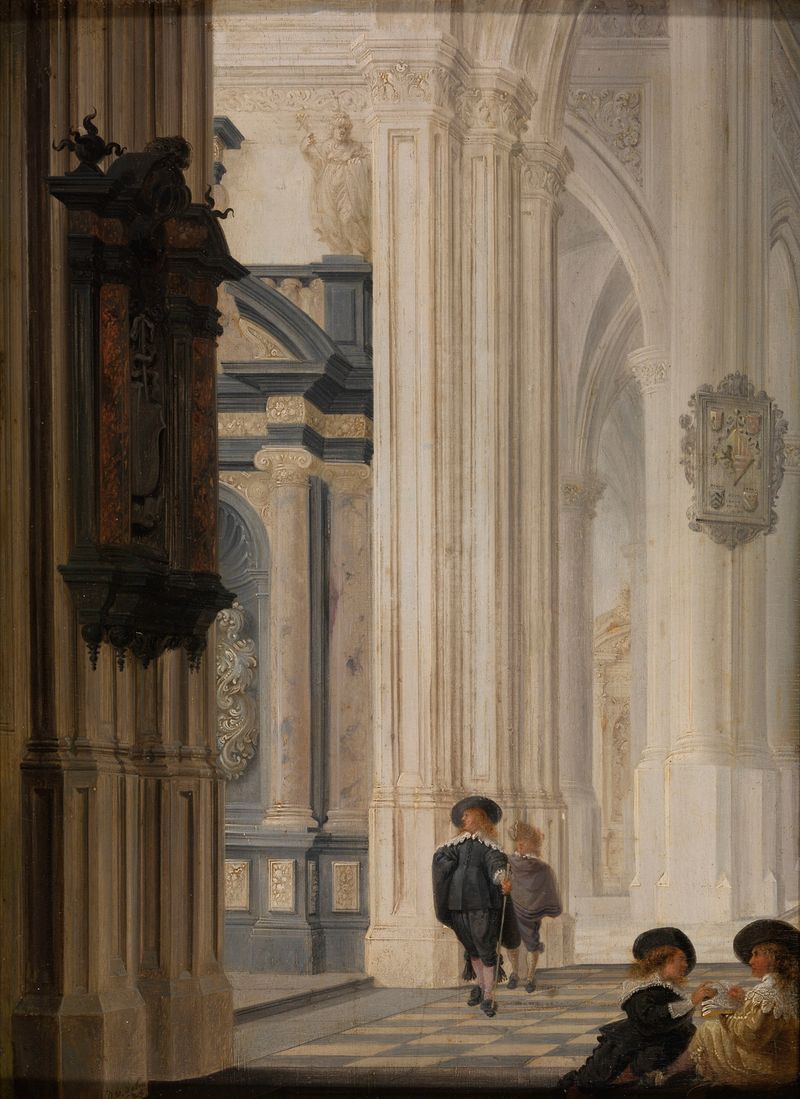
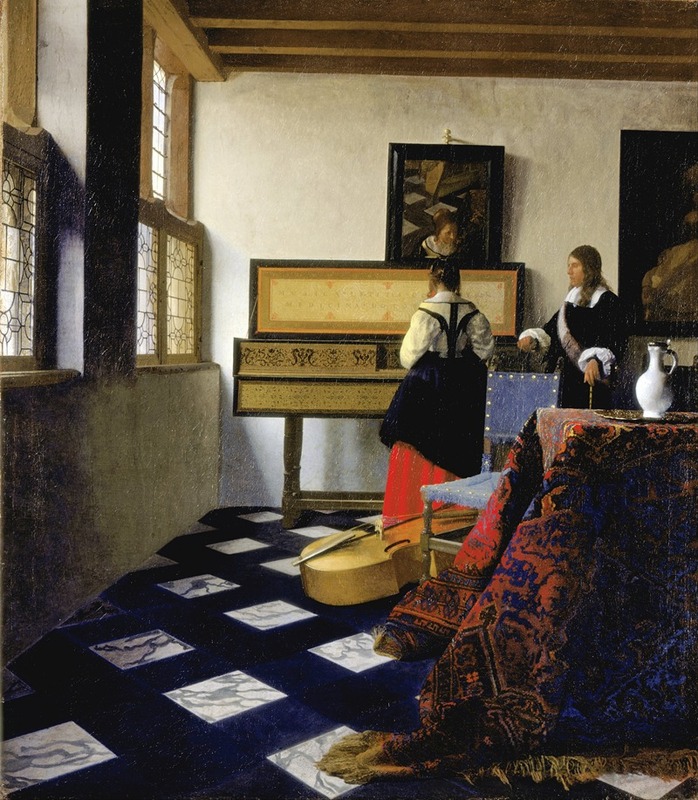
Is this a mirror — or a memory? In the delicate interplay of light and color, loneliness seeps through every ornate detail of the composition, inviting reflection on the passage of time and the weight of absence. Look to the center, where a lavishly adorned gallery unfolds, lined with intricate arches and flanked by solemn figures caught in contemplation. The warm hues of gold and terracotta breathe life into the space, contrasting with the cool shadows that hint at something left unsaid. Notice how the architectural elements guide your gaze upward, drawing attention to the nuanced play of light filtering through the windows, casting ethereal patterns that dance upon the polished floor. Hidden within the lavish decor lies a poignant tension—a contrast between the opulence of the setting and the introspective nature of its inhabitants.
The figures, seemingly absorbed in their own worlds, evoke a sense of solitude amidst grandeur, reminding us that even in beauty, loneliness can linger. The alternating sequences of soft and hard lines, vibrant and muted tones, further amplify this emotional landscape, suggesting that the gallery is not merely a feast for the eyes but a sanctuary of reflections and unspoken thoughts. During the years 1630 to 1632, the artist crafted this piece amid a flourishing art scene in the Netherlands, marked by a growing interest in genre painting and the interplay of light. Van Delen, known for his architectural mastery and ability to convey emotion through space, sought to develop a distinct voice within the Baroque movement.
It was a time when artists were increasingly exploring themes of intimacy and isolation, weaving personal narratives into their works as they shaped the future of art.