Interior of a Church — History & Facts
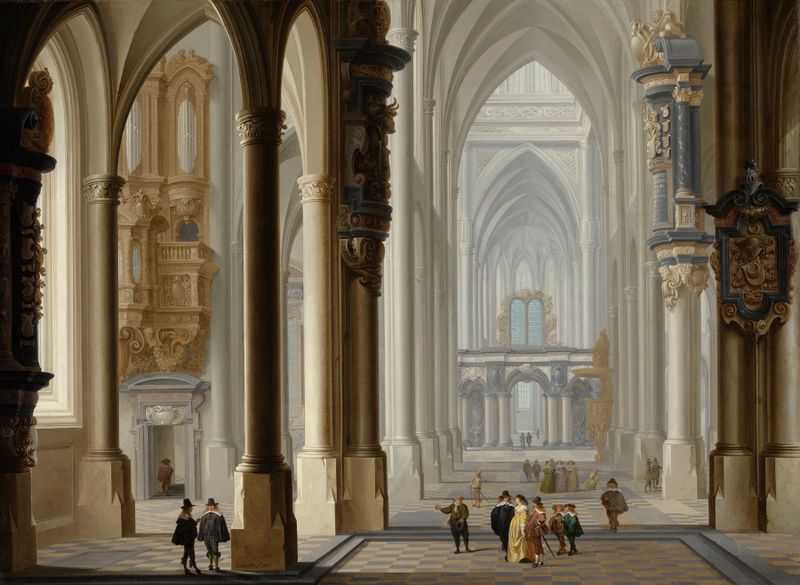
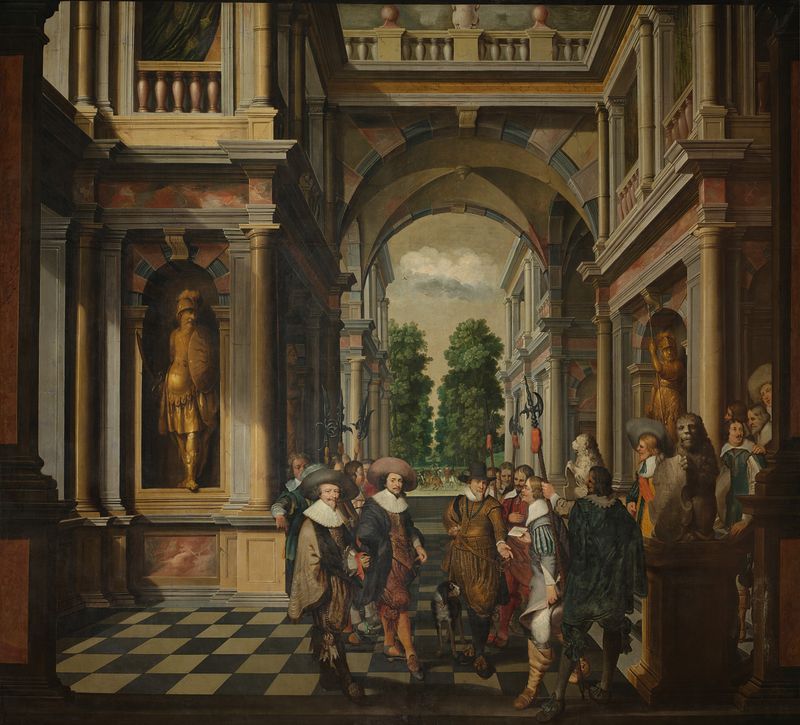
Within the hushed walls of a church, the weight of mortality lingers, urging contemplation and introspection. Each corner, each shadow, whispers secrets of the past, inviting the viewer to consider their own existence amidst the enduring silence. Look to the left at the soaring columns, their intricate details drawing your eye upwards toward the vaulted ceiling, where light pours through stained glass, casting a kaleidoscope of colors on the stone floor. Notice how the gentle play of light and shadow creates a sense of depth, emphasizing the somber yet majestic atmosphere.
The carefully arranged elements—a solitary figure lost in prayer, a flickering candle—invite exploration and reflection, guiding us through the sacred space with deliberate grace. Deeper meanings unfold within the contrasts displayed: the vibrant colors of the glass against the muted tones of the stone, the lively brushstrokes beside the stillness of figures. Each detail reflects the tension between life and death, faith and doubt, urging the viewer to confront their own transience. The arrangement of figures captures a timeless ritual, while the architecture itself serves as a reminder of both divine beauty and inevitable decay. In 1635, Dirck van Delen painted this piece during a period marked by both religious fervor and artistic innovation in the Netherlands.
The country was witnessing a flourishing of the Dutch Golden Age, where artists sought to merge daily life with spirituality. Amidst this backdrop, Van Delen's exploration of sacred spaces through architectural clarity and emotive detail positioned him as a pivotal figure in the portrayal of interior scenes, reflecting both the aesthetic and spiritual aspirations of his time.