
A Stage Coach on a Country Road — History & Facts
Who listens when art speaks of silence? In a world saturated with noise, the stillness of memory reverberates through the canvas, inviting reflection on journeys past. Look to the left at the robust stagecoach, its wheels caught in a moment of pause, as if time itself has decided to linger. The rich, earthy tones of the road contrast beautifully with the soft blues and greens of the surrounding countryside, directing your gaze toward the horizon where the sky meets the land. Notice how the dappled sunlight filters through the trees, lending a gentle warmth to the scene and accentuating the figures within the coach, whose expressions hint at both anticipation and weariness. Delve deeper into the painting's emotional landscape, where the tension between movement and stillness reveals a narrative of both adventure and contemplation.
The stagecoach, a symbol of travel and opportunity, stands in contrast to the tranquil yet expansive backdrop, suggesting a journey filled with promise yet tinged with nostalgia. The subtle details—the way the horses are poised, the rustle of the leaves—evoke a powerful sense of memory, reminding us that every journey carries with it echoes of the past. Julius Caesar Ibbetson painted this scene in 1792, during a time when travel by coach was becoming increasingly popular in England, reflecting the era's growing desire for exploration and connection. At this point in his life, Ibbetson was establishing his reputation as a landscape painter, often capturing the rural charm of the British countryside.
His approach combined the emerging Romantic ideals with a keen observational style, allowing him to create art that speaks not only of visible scenes but also of the emotions and memories they evoke.
More Artworks by Julius Caesar Ibbetson
Browse all →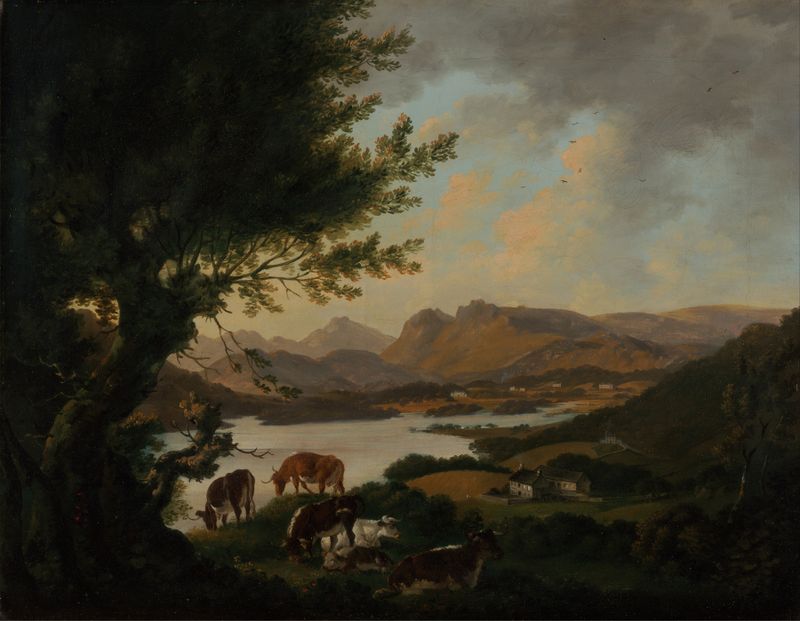
Lake Windermere
Julius Caesar Ibbetson
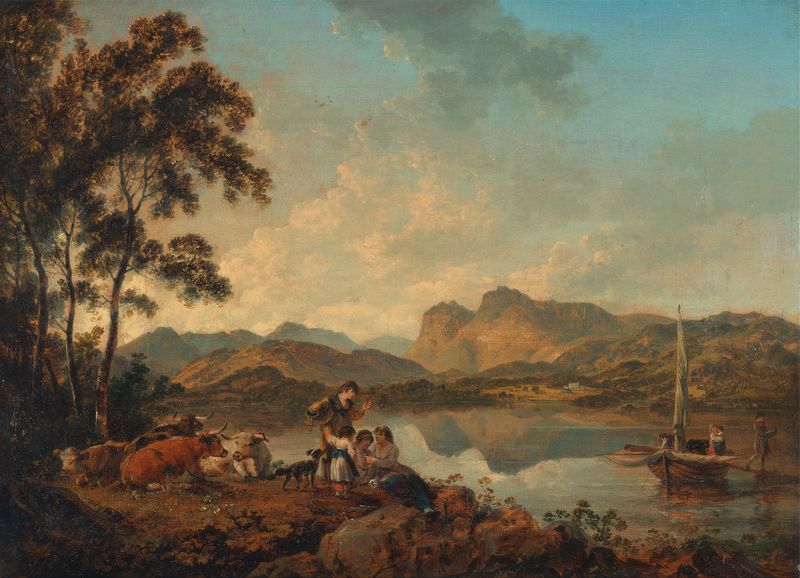
Langdale Pikes from Lowood
Julius Caesar Ibbetson
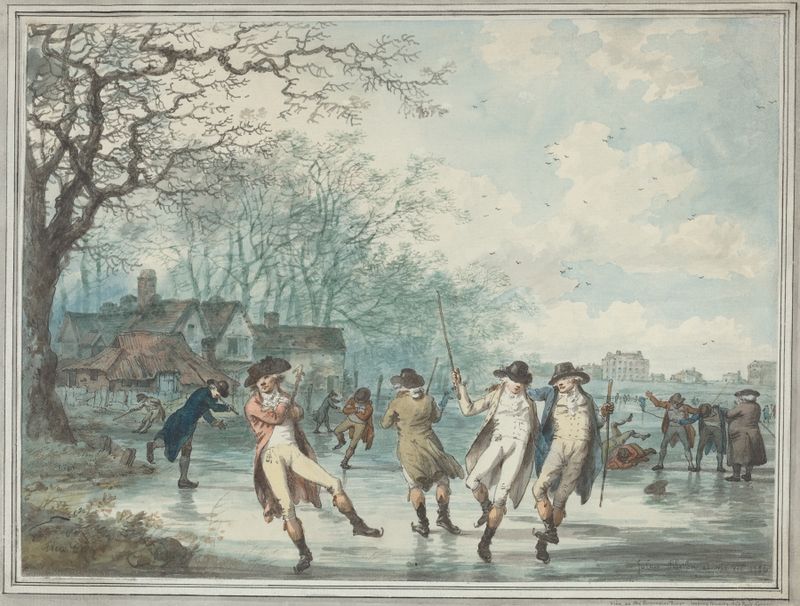
Skaters on the Serpentine in Hyde Park
Julius Caesar Ibbetson
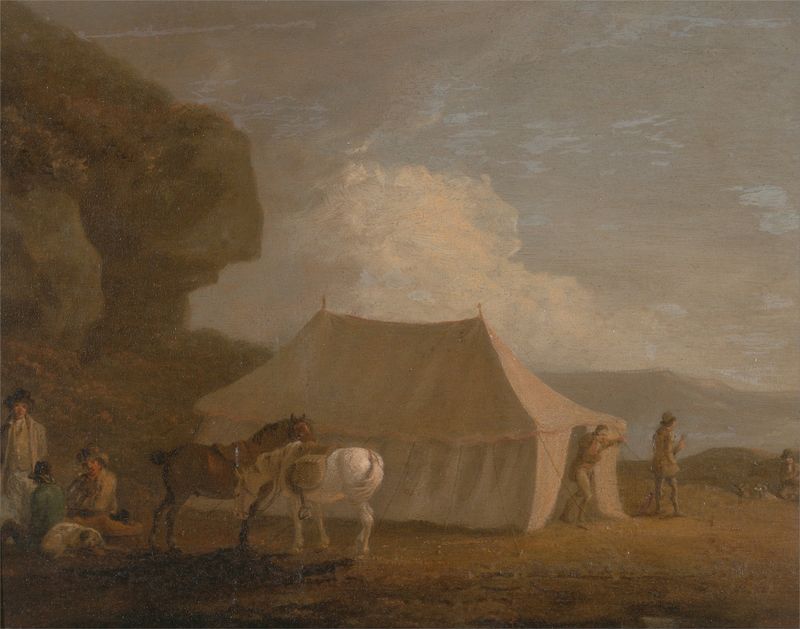
The Shooting Party
Julius Caesar Ibbetson
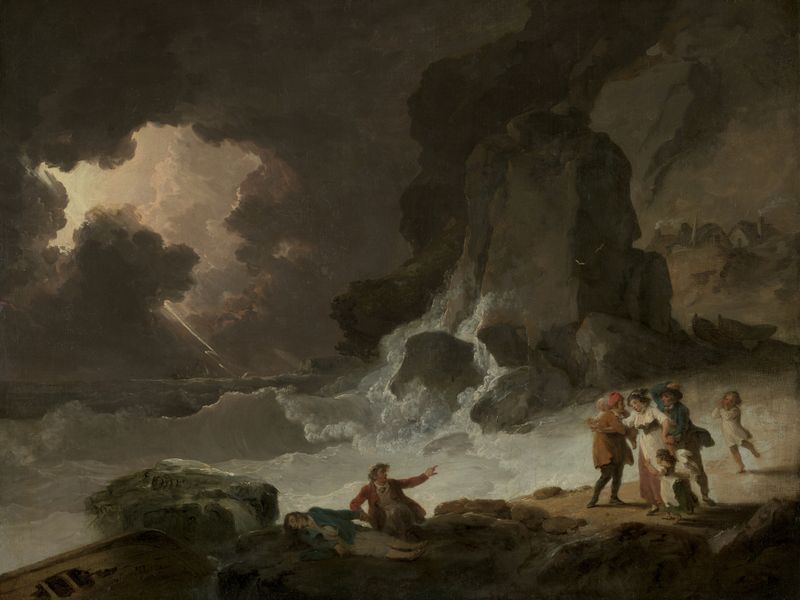
A Storm Behind the Isle of Wight
Julius Caesar Ibbetson
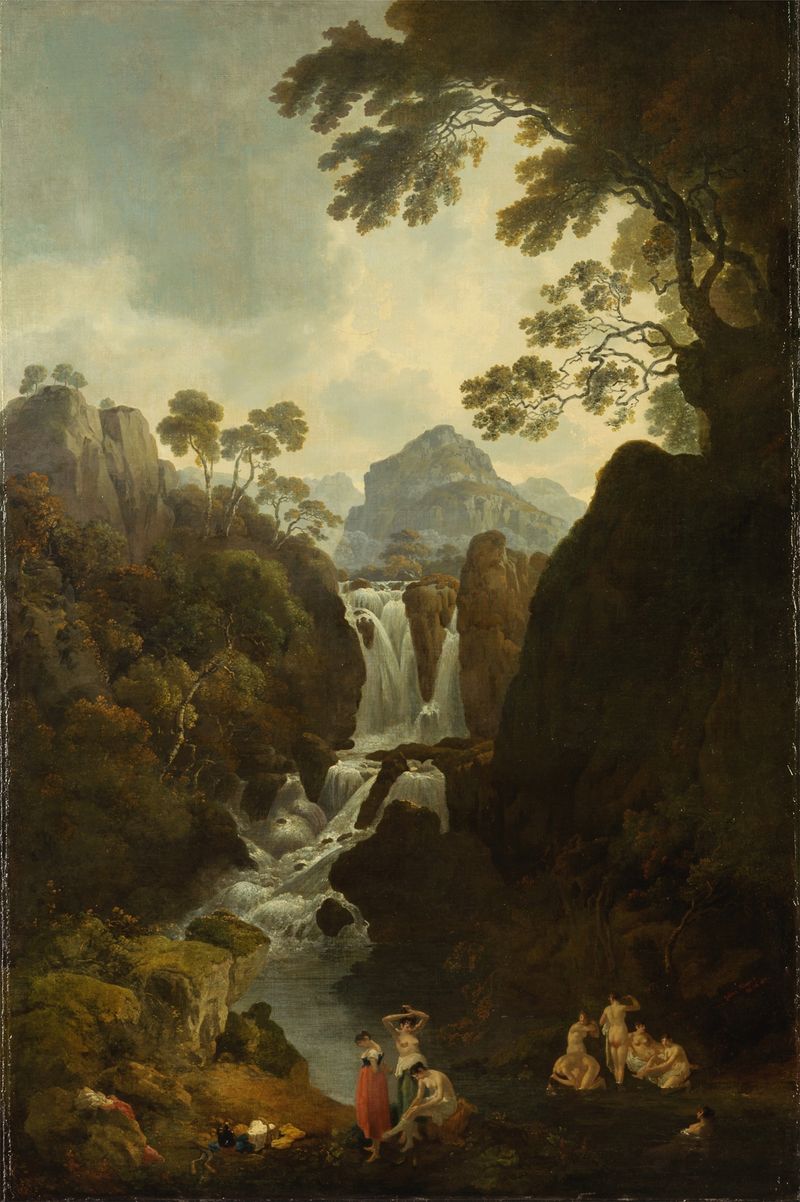
A Waterfall with Bathers
Julius Caesar Ibbetson

Donkeys and Figures on a Beach
Julius Caesar Ibbetson





