
Lake Windermere — History & Facts
In Lake Windermere, a landscape emerges where serene waters meet the softly undulating hills, a perfect yet haunting reflection of longing. Look to the foreground where gentle waves lap against the shore, pulling your gaze toward a horizon that stretches infinitely. The technique of delicate brushwork captures the shimmering light as it dances across the surface, creating a mosaic of blues and greens that mirror the sky’s ever-shifting moods. Notice how the warm tones of the distant hills contrast with the coolness of the water, establishing a dialogue between warmth and melancholy. Hidden within this idyllic scene lies an emotional tension; the tranquil beauty feels almost unattainable, a reminder of distant dreams.
The solitary boat, with its solitary figure, reflects the isolation that often accompanies aspiration. Furthermore, the gradual transition from vibrant colors to subdued shades unveils the bittersweet duality of desire—where beauty enchants, yet also evokes a profound yearning for what remains just out of reach. Between 1801 and 1805, the artist crafted this piece while residing in England, a time marked by the Romantic movement's embrace of nature and emotional depth. As societal shifts unfolded, Ibbetson sought to capture the sublime beauty of the Lake District, intertwining personal experience with the broader artistic currents of his era.
In this moment, he distilled the essence of longing into a vivid landscape, inviting viewers to navigate their own emotional landscapes.
More Artworks by Julius Caesar Ibbetson
Browse all →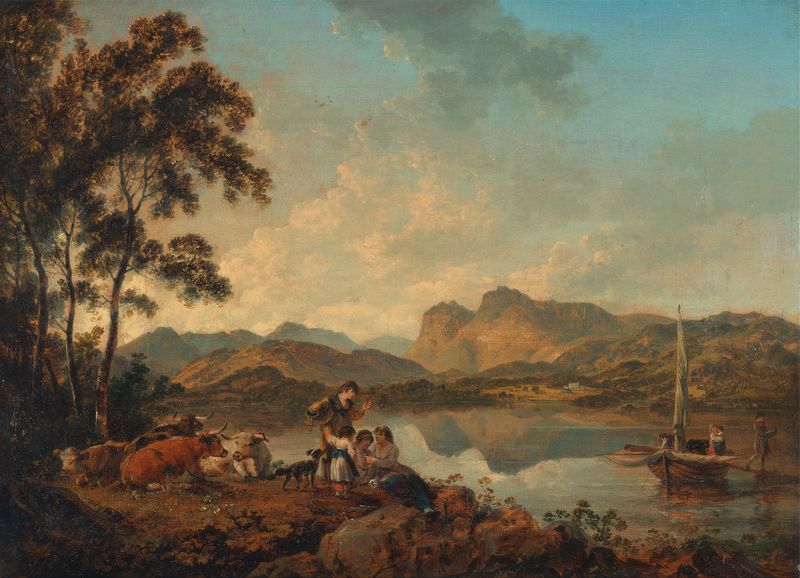
Langdale Pikes from Lowood
Julius Caesar Ibbetson
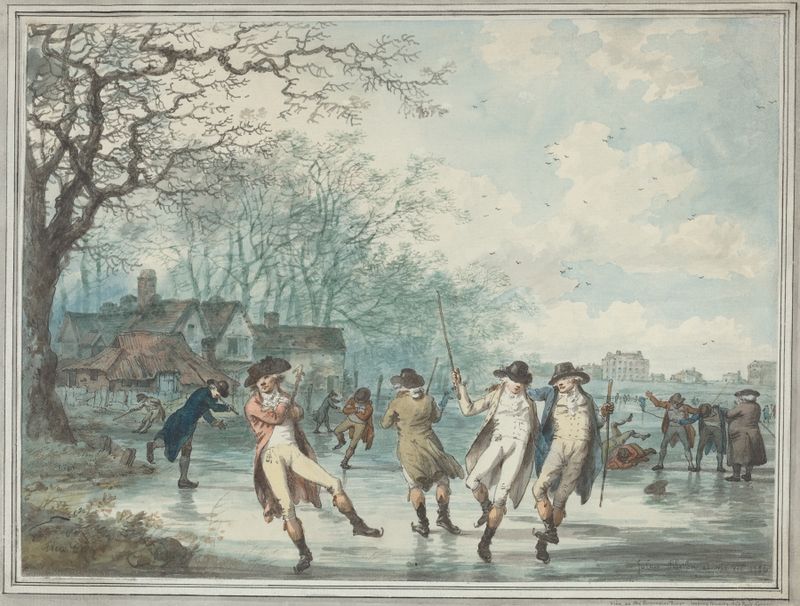
Skaters on the Serpentine in Hyde Park
Julius Caesar Ibbetson
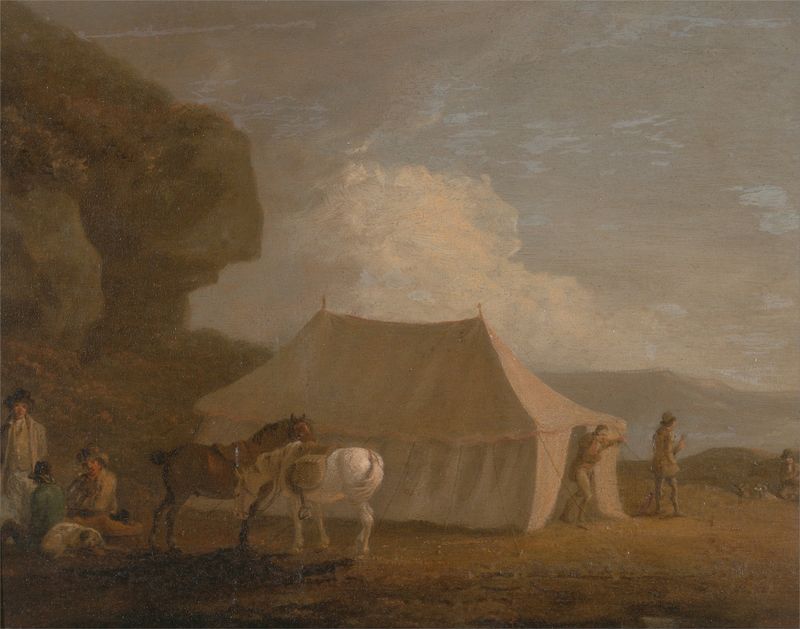
The Shooting Party
Julius Caesar Ibbetson
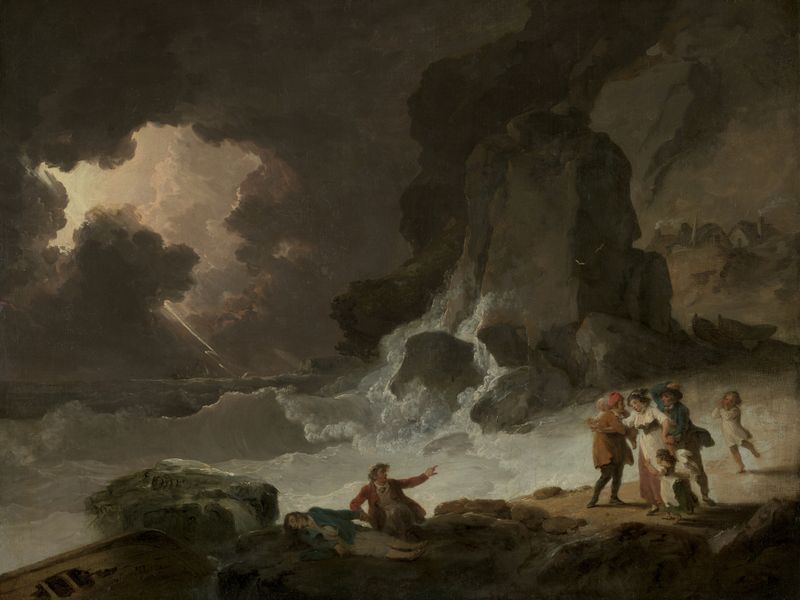
A Storm Behind the Isle of Wight
Julius Caesar Ibbetson
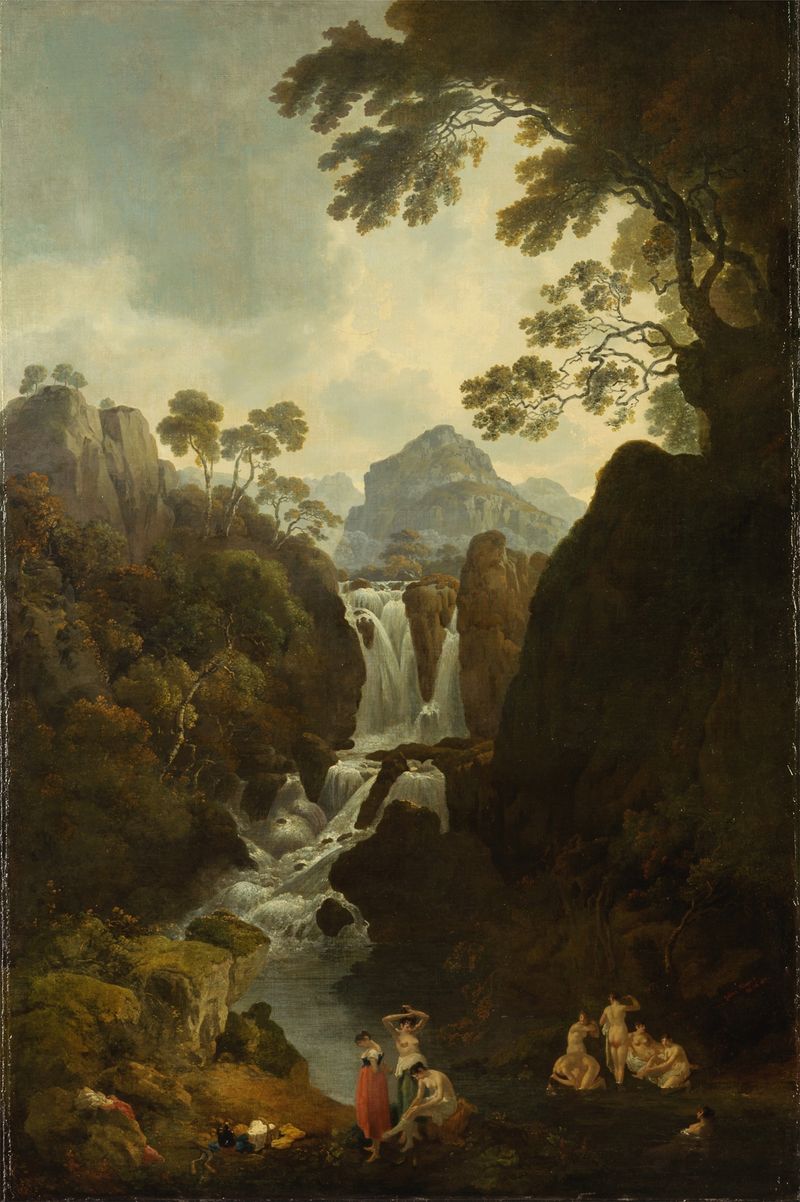
A Waterfall with Bathers
Julius Caesar Ibbetson

A Stage Coach on a Country Road
Julius Caesar Ibbetson

Donkeys and Figures on a Beach
Julius Caesar Ibbetson





