
A Storm Behind the Isle of Wight — History & Facts
Did the painter know this moment would outlive them? In the hushed silence of a turbulent sea, where the horizon blurs between water and sky, emptiness looms larger than life. Focus on the deep blues and greys swirling in the tempestuous clouds, a tumult of emotions captured in brushstrokes. Notice how the whitecaps of the waves mirror the chaos above, creating a dialogue between sky and sea. The composition draws your eye towards the distant isle, barely discernible, as if it teeters on the brink of reality, enveloped by the storm's embrace.
The stark contrast between the violent sky and the calm land invites contemplation on the nature of conflict and peacefulness, suggesting an unseen battle at play. In this work, the artist captures not just a storm, but the visceral sensation of vulnerability that accompanies it. The emptiness in the foreground speaks to isolation, while the boiling clouds convey impending change, hinting at the turbulence within the human experience. This juxtaposition of chaos and stillness reverberates with an emotional weight that transcends the canvas, calling into question the very nature of existence amidst turmoil. During the late 18th century, while living in England, the artist painted this evocative piece.
At that time, he was distinguishing himself within the Romantic movement, which emphasized nature's sublime qualities and human emotion. His exploration of atmospheric effects and dramatic landscapes came at a pivotal moment in art history, as artists sought to convey deeper feelings and reflections on the sublime, challenging traditional depictions of nature.
More Artworks by Julius Caesar Ibbetson
Browse all →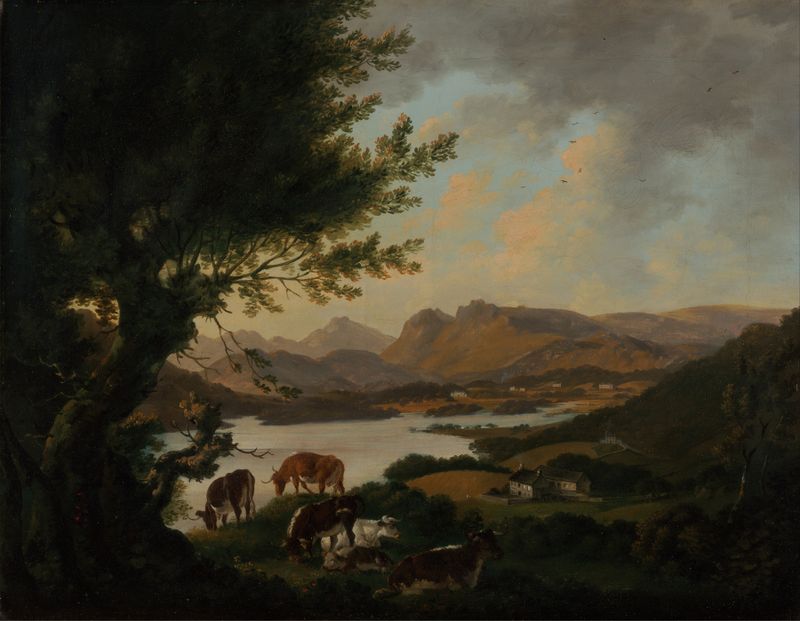
Lake Windermere
Julius Caesar Ibbetson
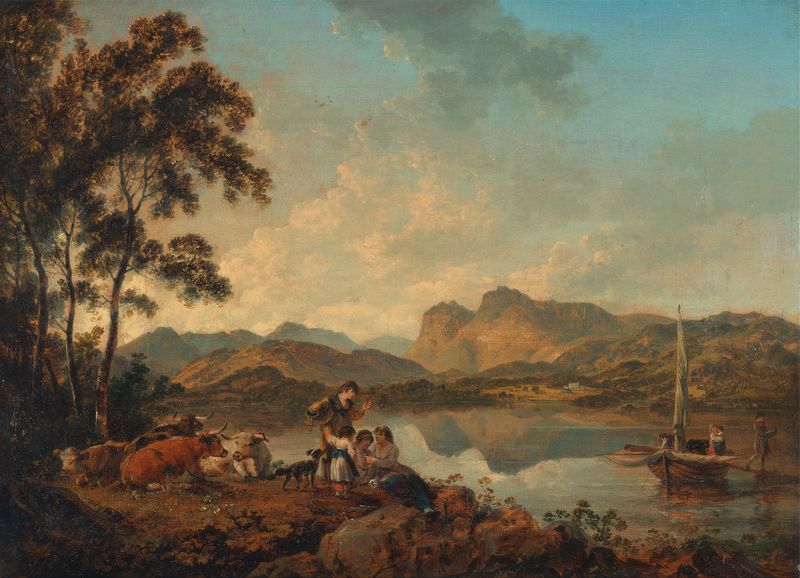
Langdale Pikes from Lowood
Julius Caesar Ibbetson
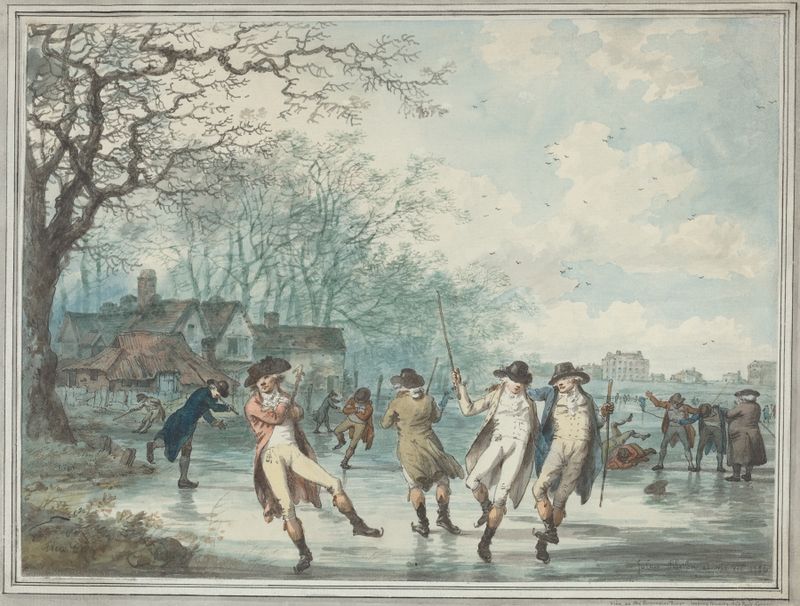
Skaters on the Serpentine in Hyde Park
Julius Caesar Ibbetson
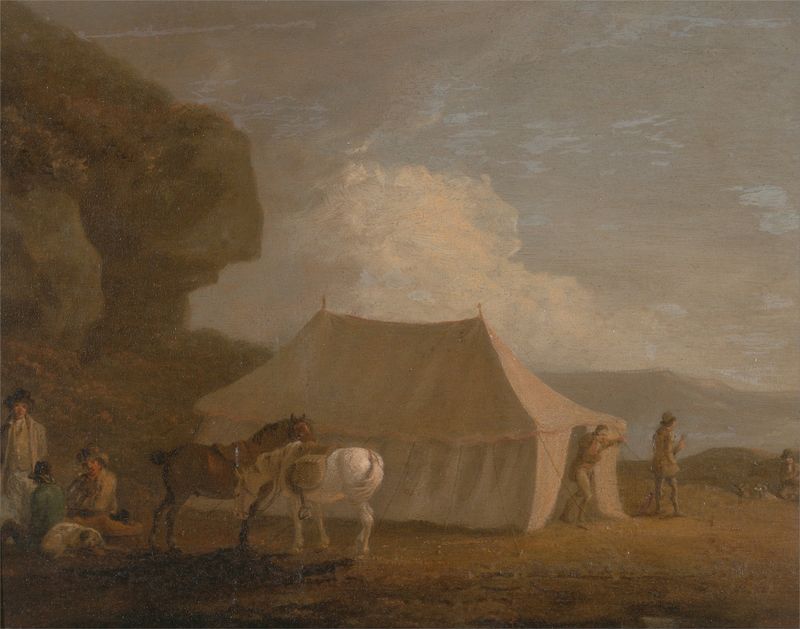
The Shooting Party
Julius Caesar Ibbetson
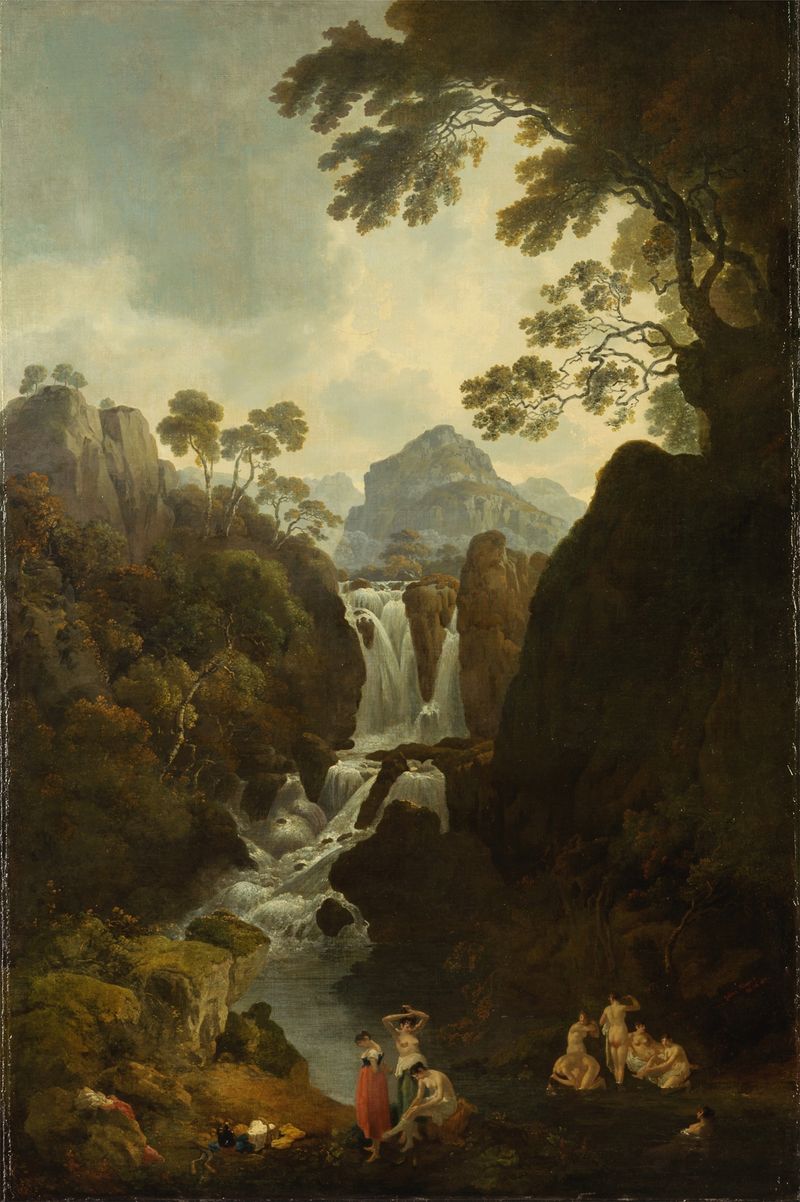
A Waterfall with Bathers
Julius Caesar Ibbetson

A Stage Coach on a Country Road
Julius Caesar Ibbetson

Donkeys and Figures on a Beach
Julius Caesar Ibbetson





