A Stand of Birch Trees — History & Facts
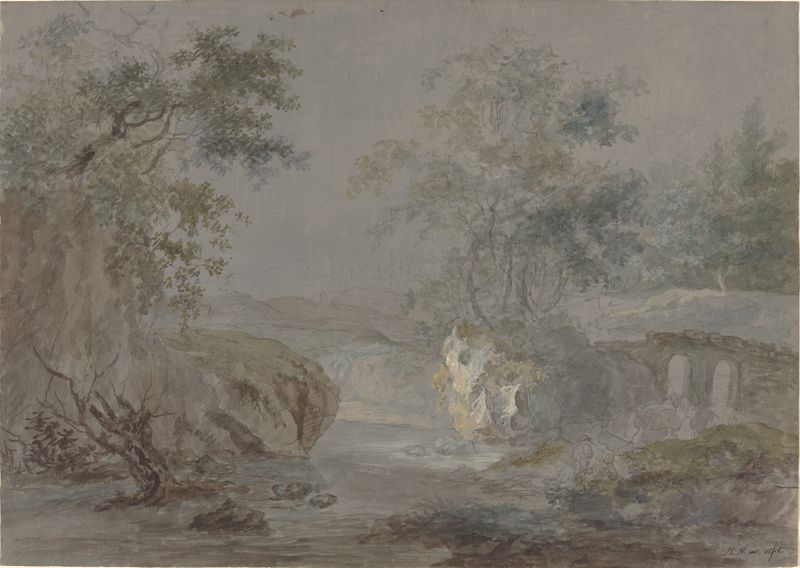
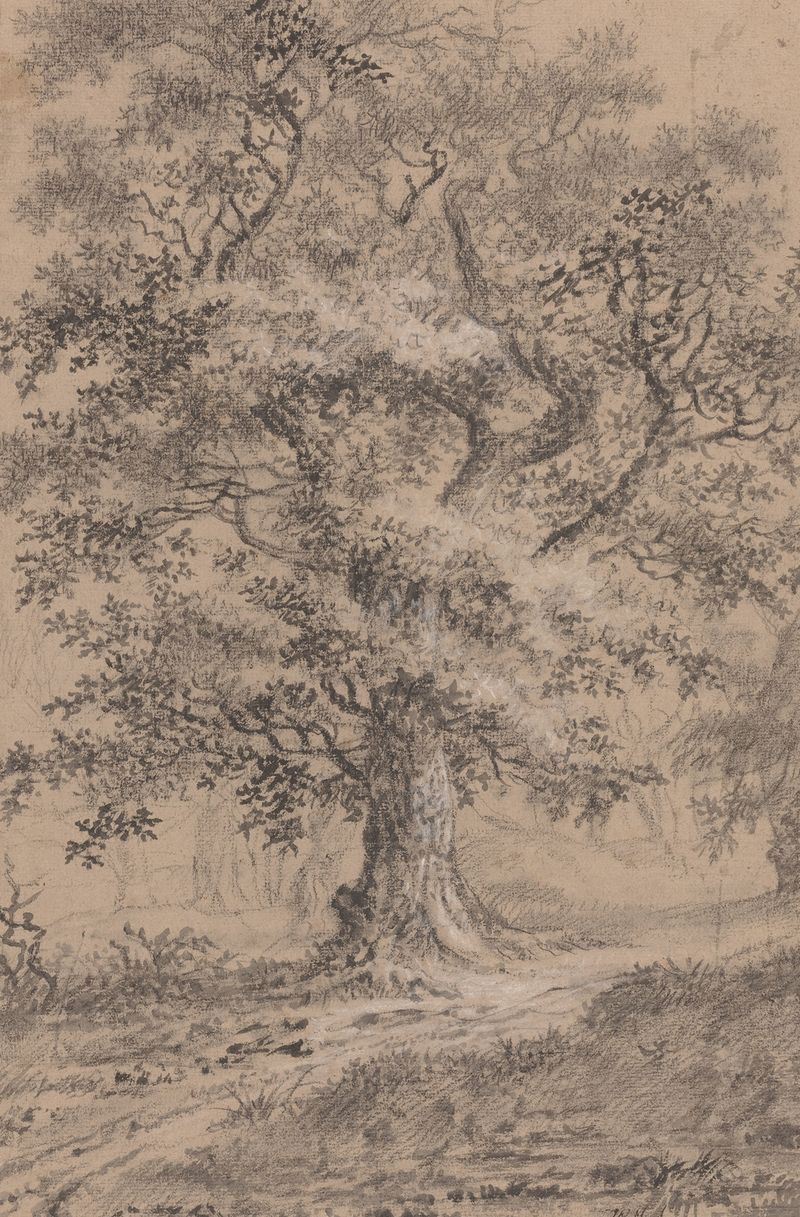
This sentiment resonates deeply in the silent embrace of swaying birch trees, where the delicate interplay of nature and emotion emerges. Look to the center, where the trunks rise gracefully, their pale bark shimmering with a subtle warmth that speaks to both resilience and fragility. Notice how the artist has used dappled light to envelop the scene, casting soft shadows that dance along the ground, imbuing the landscape with a serene yet melancholic atmosphere. The brushwork is deliberate; each stroke adds texture, allowing the viewer to feel the trees' quiet strength while hinting at their solitary existence. As you delve deeper, consider the contrast between the golden light and the somber undertones of the surrounding foliage.
The slight curvature of the trees suggests an unseen weight, perhaps a burden of loss or remembrance that haunts the otherwise picturesque scene. Each bend and sway embodies a narrative of grief, inviting introspection into the beauty of nature and the pain that often accompanies it. During the time this piece was crafted, Johann Caspar Huber was navigating a world marked by emotional and social turbulence, often finding solace in the natural landscapes that enveloped him. The absence of a specific date suggests a timeless quality to his work, as he sought to capture not only the external beauty of the birch trees but also the emotional landscapes that lie beneath the surface, reflecting a profound understanding of human vulnerability amidst the wilderness.