
A Street in Amersfoort — History & Facts
Who listens when art speaks of silence? In the stillness of a quaint Dutch street, the absence of people speaks volumes, evoking a sense of unease and longing. Look closely at the foreground, where cobblestones glisten under a muted sky. The careful brushstrokes reveal an empty pathway lined with modest homes, their facades bathed in somber tones of gray and brown. Notice how the light diffuses softly, casting gentle shadows that seem to stretch away from the viewer, amplifying the sense of isolation.
The dilapidation of a nearby fence hints at neglect, enveloping the scene in a haunting stillness. The juxtaposition of the quaint architecture against the stark emptiness fosters a tension that resonates deeply. One can’t help but feel the weight of unspoken stories. The fixtures of daily life—a door ajar, windows curtained—signal an absence, as if the inhabitants have vanished into thin air, leaving behind only echoes of their presence.
The artist captures a moment that teeters on the brink of familiarity and fear, inviting the viewer to contemplate what lies beyond the surface. Johannes Jelgerhuis created this work in 1826, a period marked by a burgeoning interest in realism within the Dutch art scene. Living in Amersfoort, he was inspired by his surroundings, often depicting the quieter aspects of urban life. The atmosphere of uncertainty and introspection in this piece reflects not only his personal exploration but also the broader societal shifts of his time, a society in transition amid the remnants of the past.
More Artworks by Johannes Jelgerhuis
Browse all →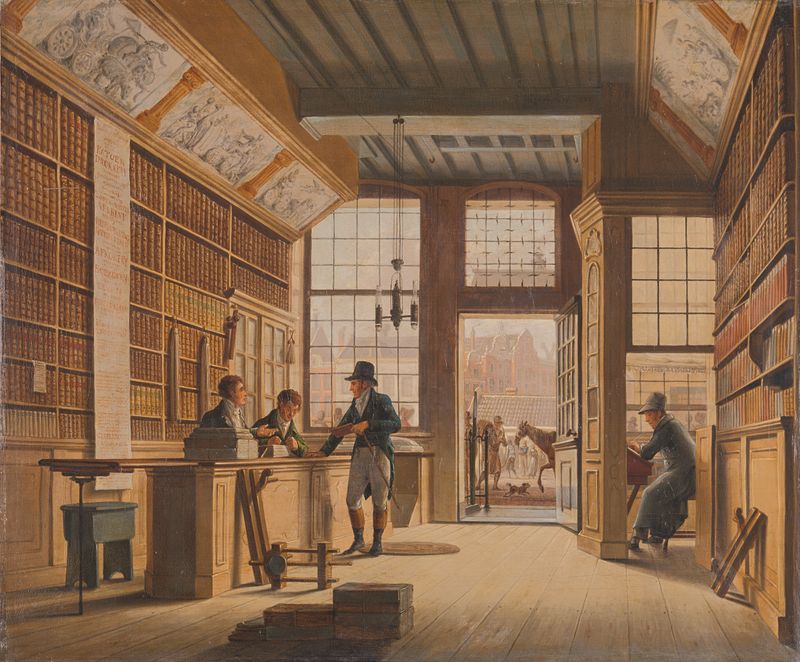
The Shop of the Bookdealer Pieter Meijer Warnars on the Vijgendam in Amsterdam
Johannes Jelgerhuis
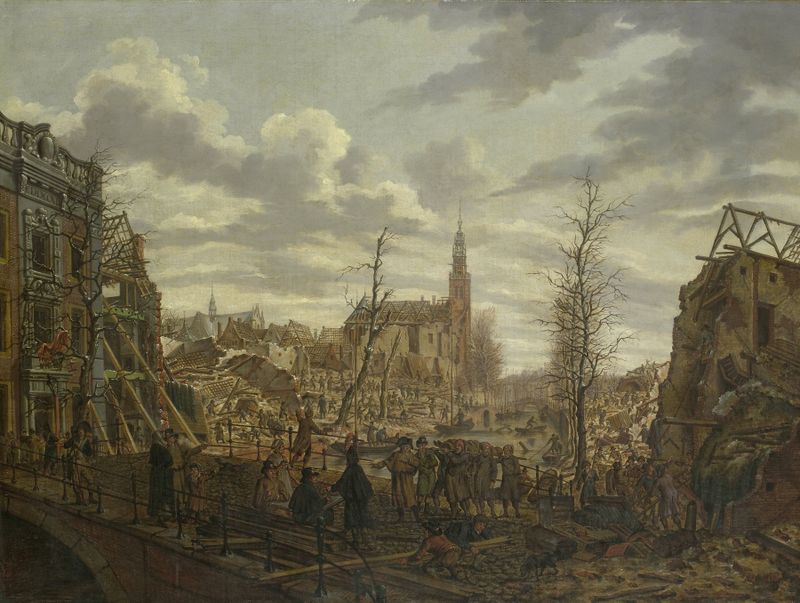
The Rapenburg, Leiden, three Days after the Explosion of a Powder Ship on 12 January 1807
Johannes Jelgerhuis

The Amsterdam Outer Canal near the Leidsepoort Seen from the Theatre
Johannes Jelgerhuis
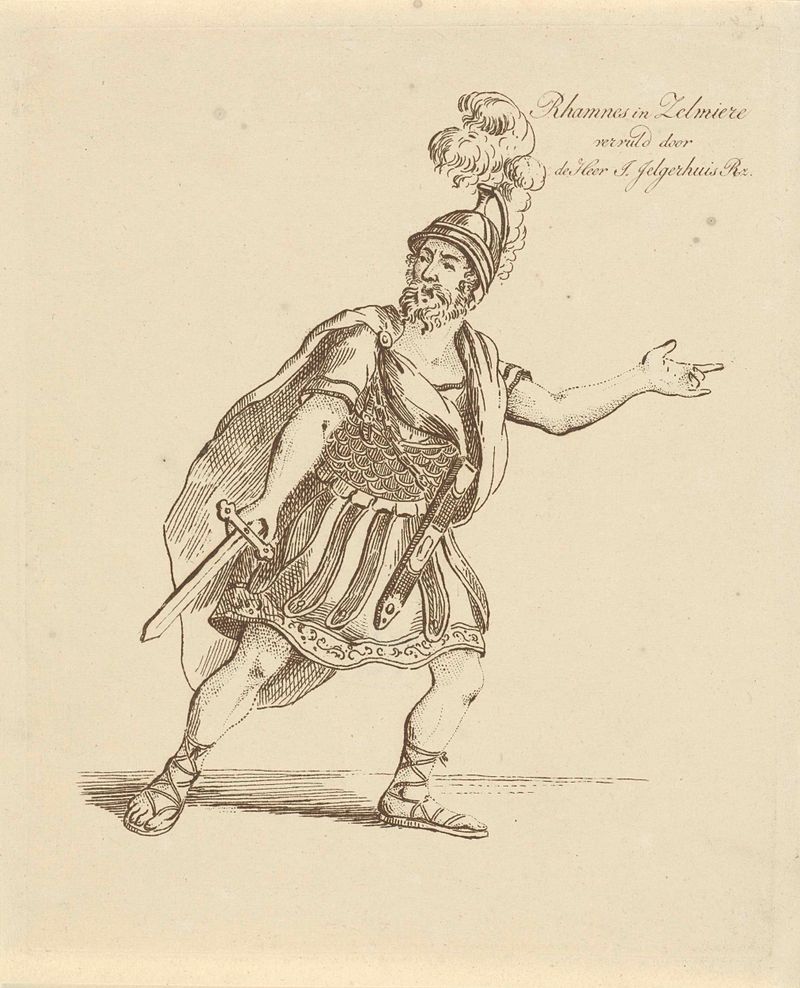
Johannes Jelgerhuis in de rol van Rhamnes
Johannes Jelgerhuis
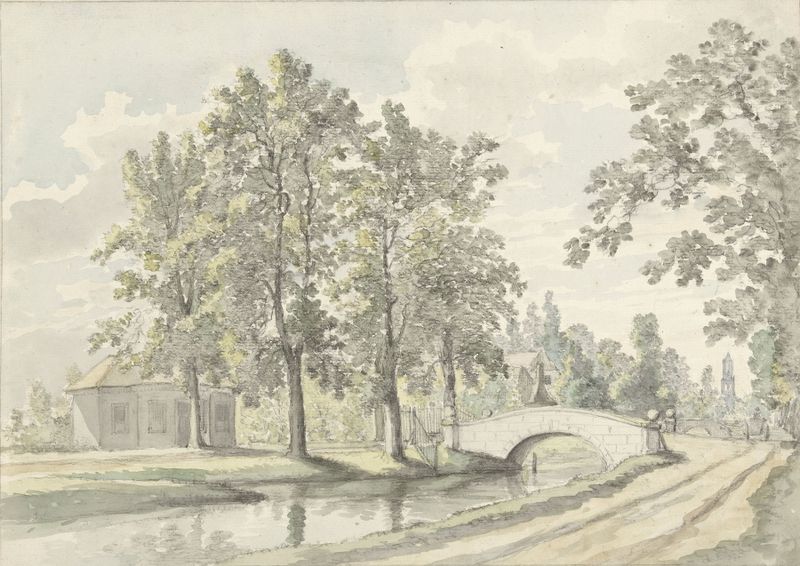
Gezicht op de Biltstraat buiten Utrecht
Johannes Jelgerhuis
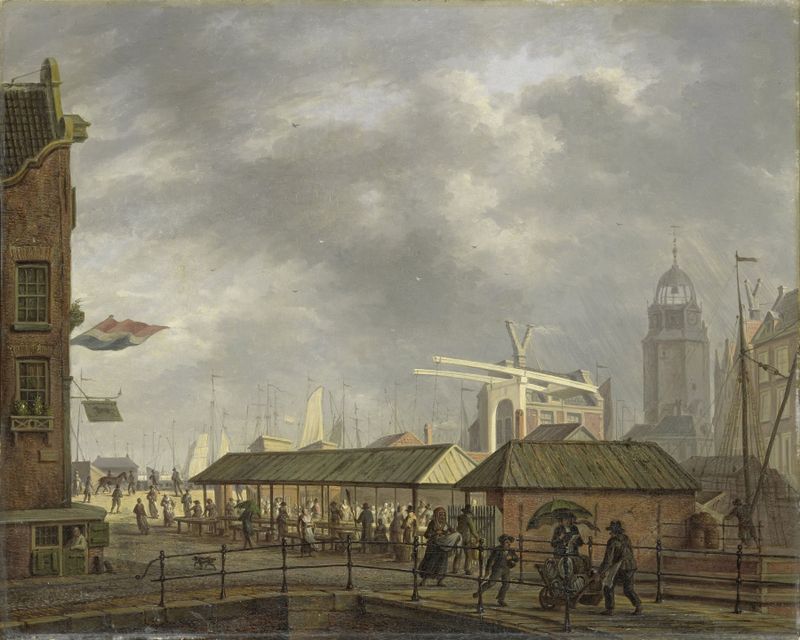
The small Fish Market on the Corner of the Brouwersgracht and Singel, Amsterdam
Johannes Jelgerhuis

Vrouw en een kind lopen op straat in een vissersdorp
Johannes Jelgerhuis
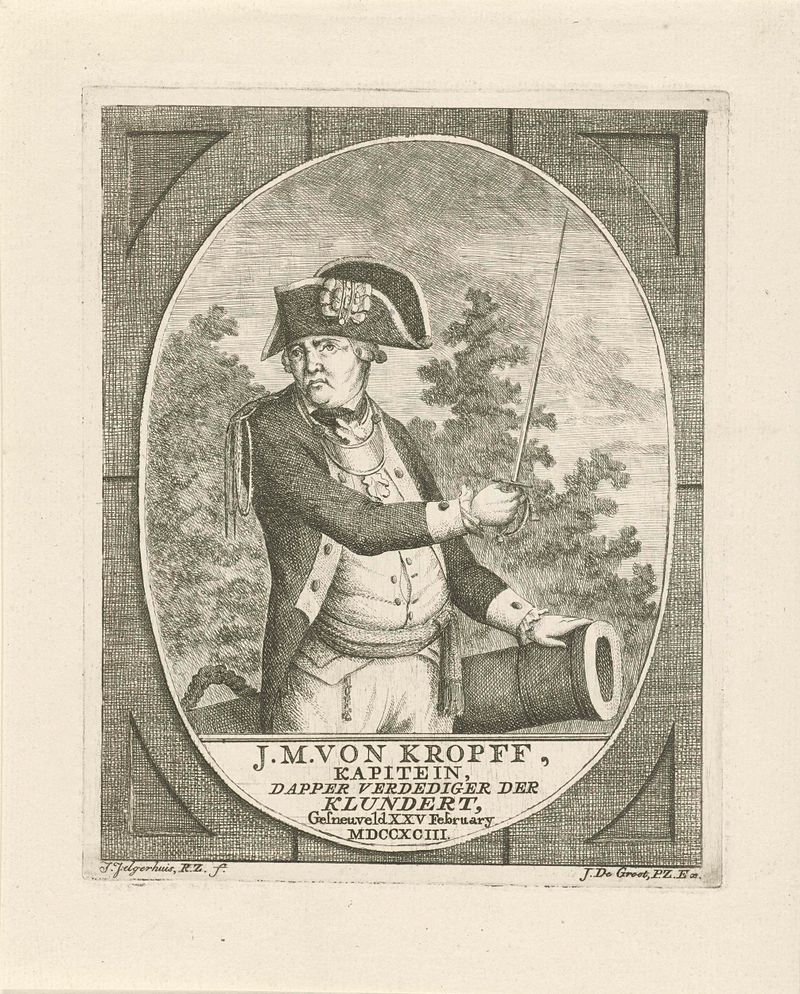
Portret van Joachim Maurits von Kropff
Johannes Jelgerhuis
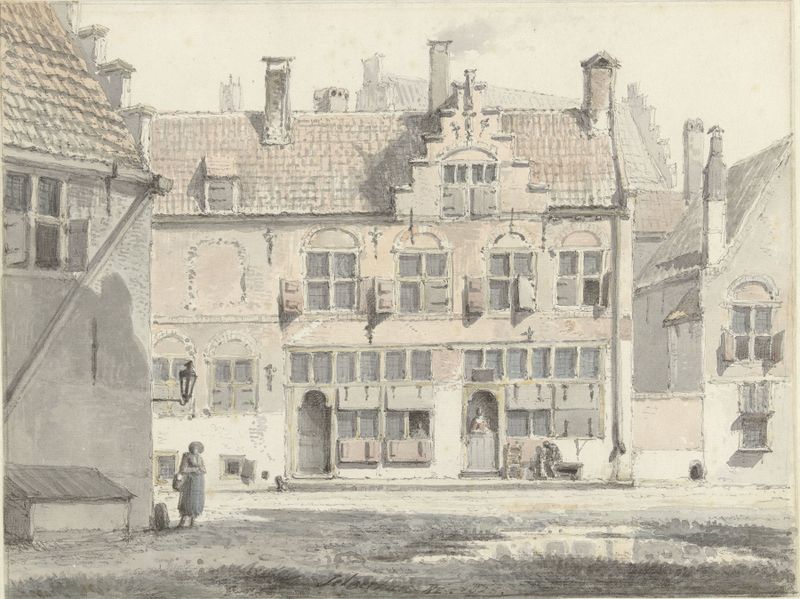
Huizen te Amersfoort
Johannes Jelgerhuis





