
The Rapenburg, Leiden, three Days after the Explosion of a Powder Ship on 12 January 1807 — History & Facts
In moments of devastation, art emerges as a powerful vessel for transformation and remembrance. Look closely at the foreground, where the riverbanks cradle the remnants of shattered lives; the chaos of the past lingers in the stillness. Notice the muted palette of grays and browns, evoking both the desolation of the recent explosion and the resilience of the homes and people nearby. The composition draws your eye across the serene water, which reflects both the bleak sky and the whispers of life that persist despite the tragedy. As your gaze wanders, observe the subtle interplay between light and shadow.
The flickers of sunlight breaking through the clouds symbolize hope amidst despair, while the somber figures on the riverbanks reveal a poignant contrast between communal mourning and personal strength. Each detail — the fragile boats on the water, the distant church steeple — signifies a narrative of rebuilding and reconciliation, quietly urging the viewer to contemplate the resilience of the human spirit. In early 1807, Jelgerhuis painted this scene in Leiden, shortly after the catastrophic explosion of a powder ship that devastated part of the city. This period was marked by significant social change and recovery from disaster, influences that permeated artistic expression at the time.
The artist not only documents a moment in history but also captures the essence of transformation, inviting viewers to reflect on the interplay between devastation and renewal.
More Artworks by Johannes Jelgerhuis
Browse all →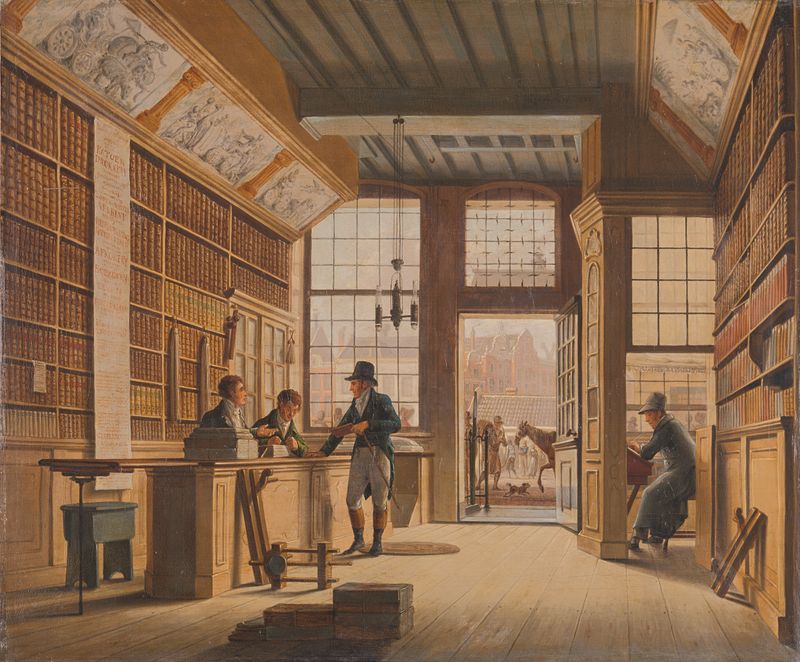
The Shop of the Bookdealer Pieter Meijer Warnars on the Vijgendam in Amsterdam
Johannes Jelgerhuis

The Amsterdam Outer Canal near the Leidsepoort Seen from the Theatre
Johannes Jelgerhuis
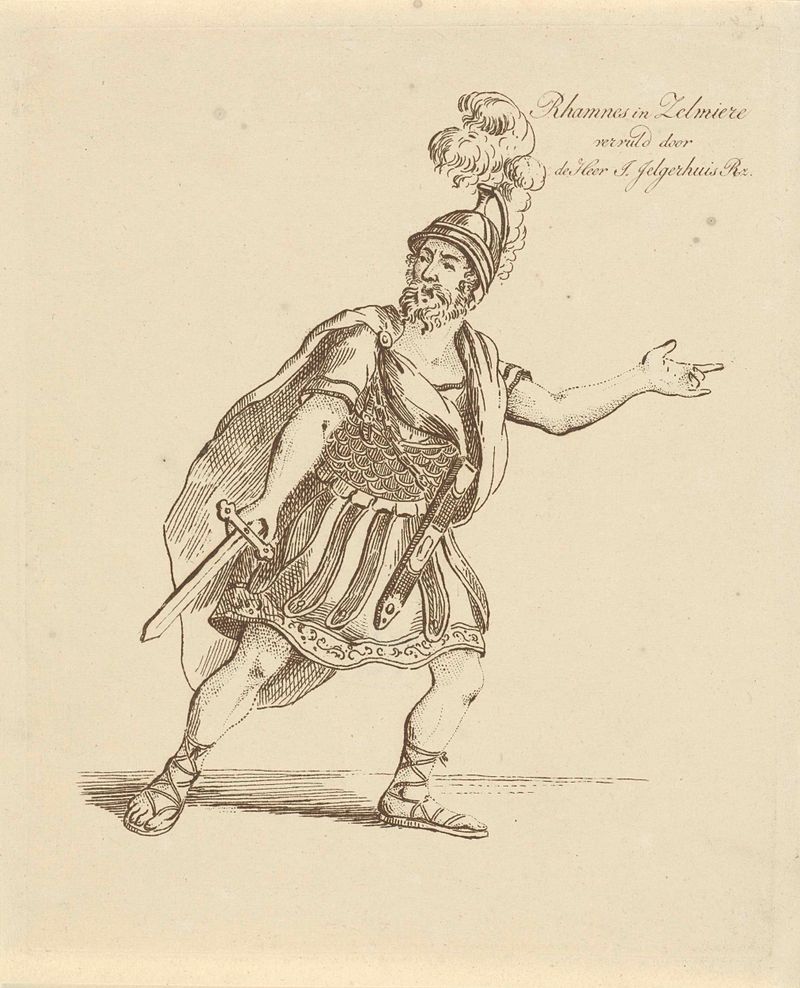
Johannes Jelgerhuis in de rol van Rhamnes
Johannes Jelgerhuis
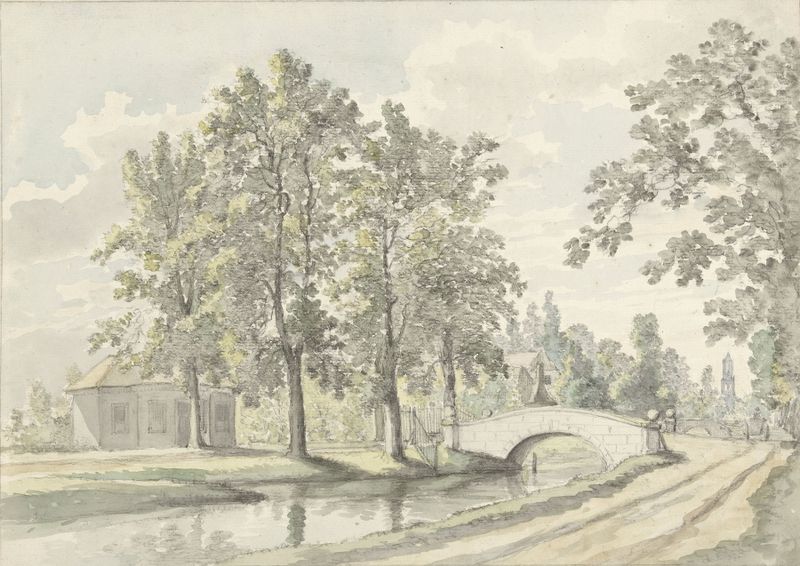
Gezicht op de Biltstraat buiten Utrecht
Johannes Jelgerhuis
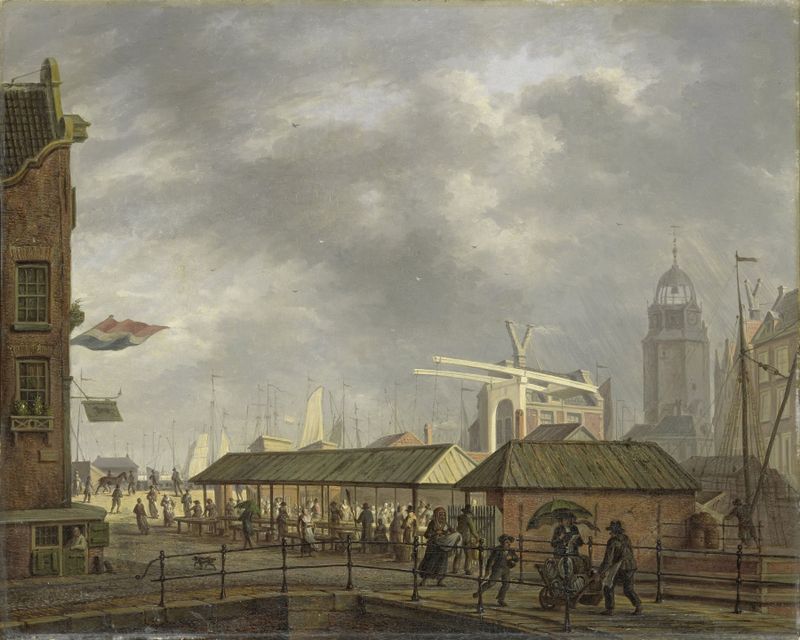
The small Fish Market on the Corner of the Brouwersgracht and Singel, Amsterdam
Johannes Jelgerhuis

Vrouw en een kind lopen op straat in een vissersdorp
Johannes Jelgerhuis
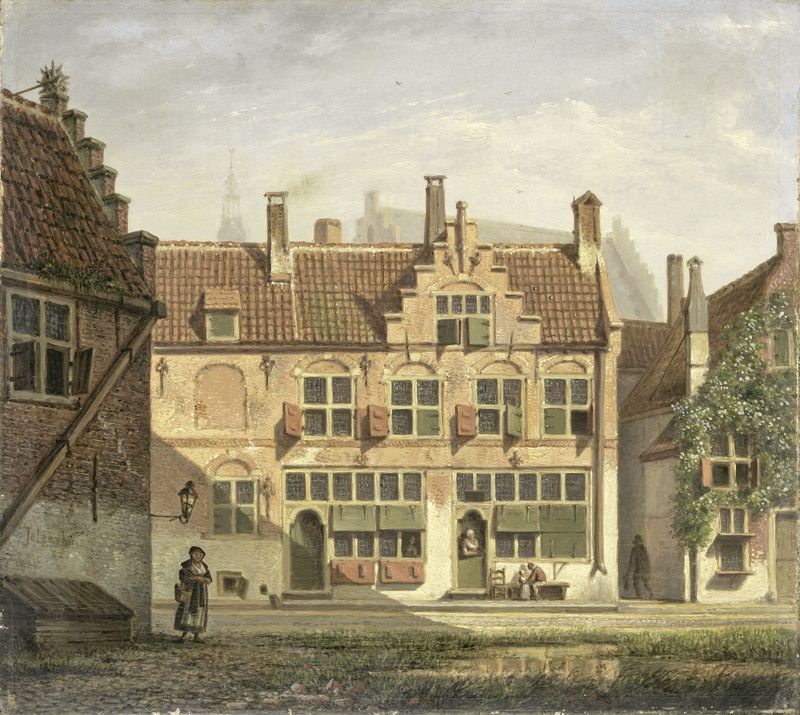
A Street in Amersfoort
Johannes Jelgerhuis
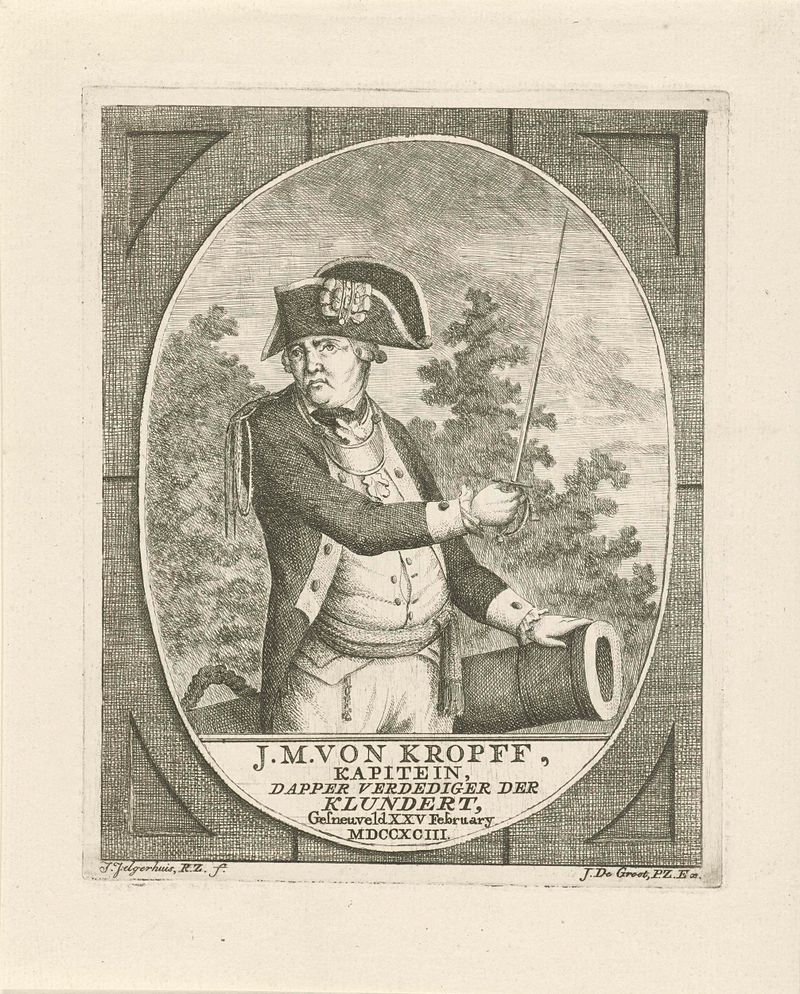
Portret van Joachim Maurits von Kropff
Johannes Jelgerhuis
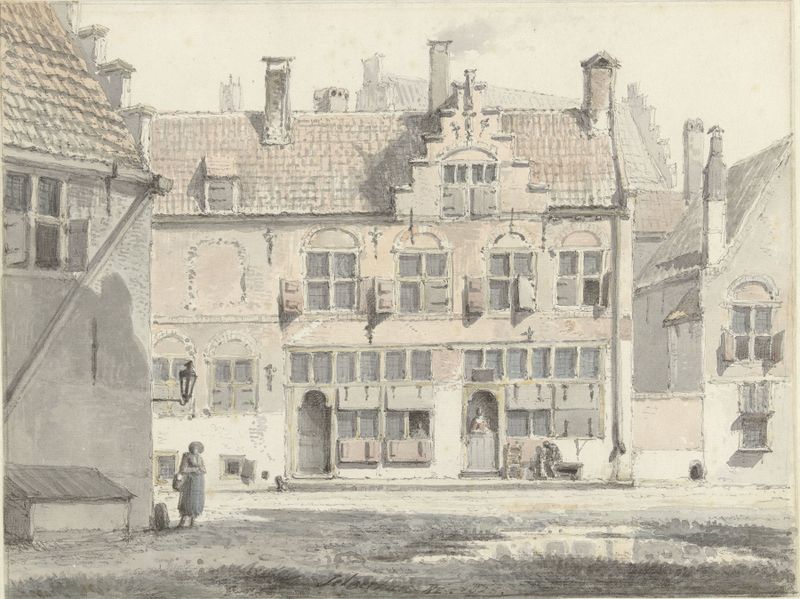
Huizen te Amersfoort
Johannes Jelgerhuis
More Historical Art
Browse all →
The Night Watch Militia Company of District II under the Command of Captain Frans Banninck Cocq
Rembrandt van Rijn
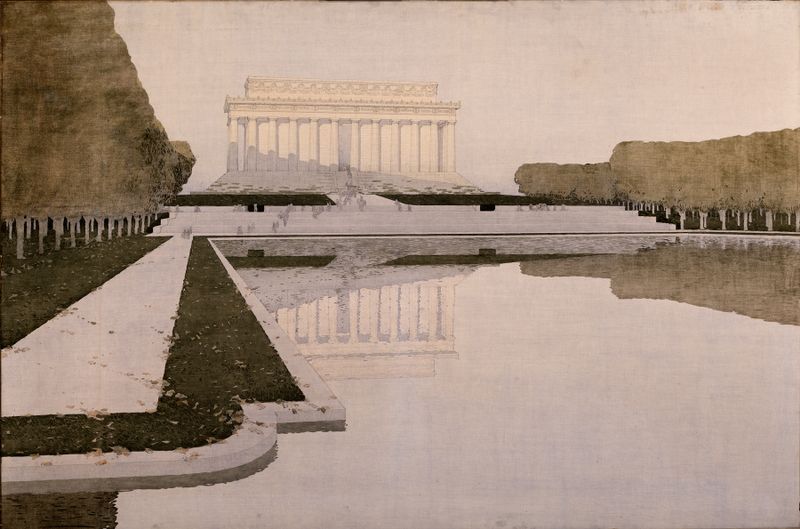
Lincoln Memorial
Henry Bacon
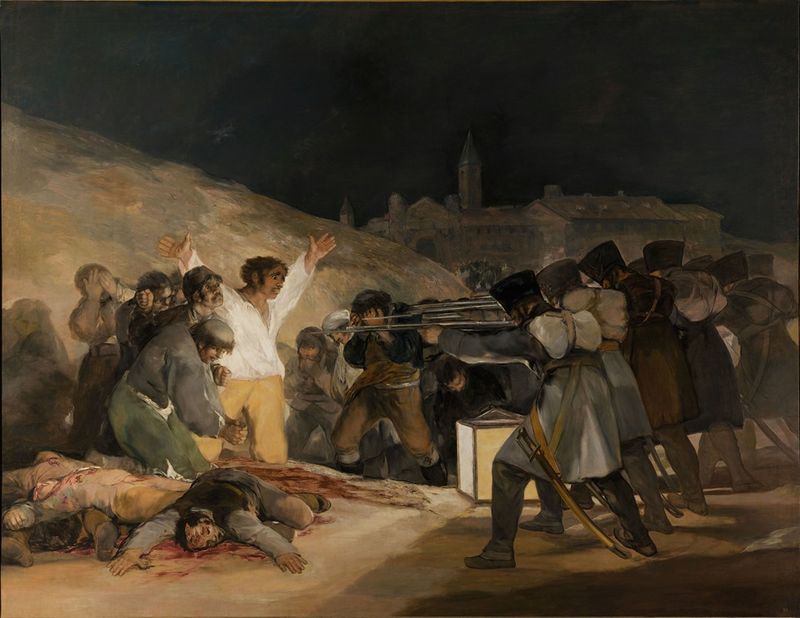
The Third of May 1808
Francisco de Goya

Isaac and Rebecca, Known as ‘The Jewish Bride’
Rembrandt van Rijn
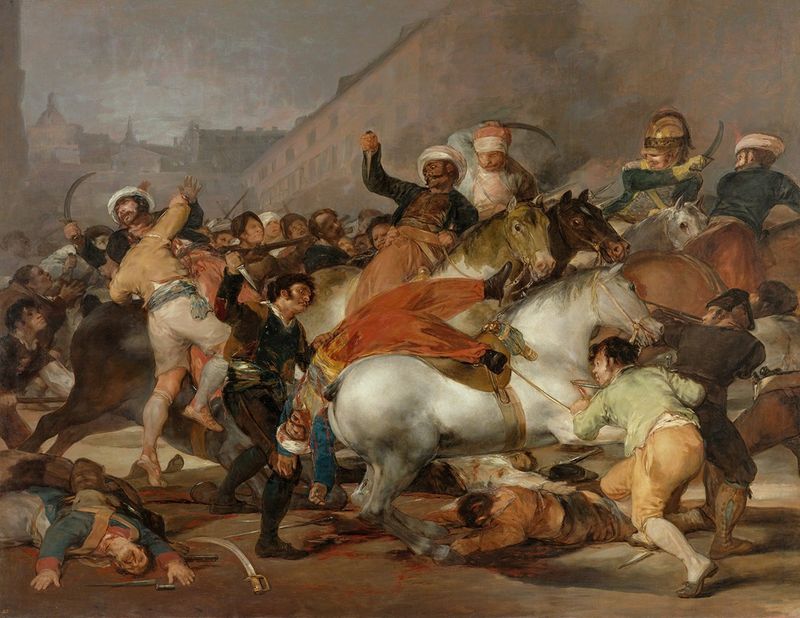
The Charge of the Mamelukes (1814)
Francisco de Goya

De vier ruiters van de apocalyps
Albrecht Dürer