
The Amsterdam Outer Canal near the Leidsepoort Seen from the Theatre — History & Facts
This sentiment encapsulates the bittersweet allure of solitude as it dances through the canals of Amsterdam. In moments of stillness, one might find a soft whisper of melancholy lingering in the air, evoking the beauty of transience. Focus on the shimmering waters of the canal, where light plays delicately upon the surface. The reflections tug at the edges of reality, blurring the line between the tangible and the ethereal.
Notice how the muted palette of blues and grays speaks to a somber atmosphere, drawing the eye toward the distant figures that dot the banks, each a silent participant in their own narrative. Digging deeper, one can sense a tension between serenity and isolation within the scene. The gentle arch of the bridge suggests connection, yet the solitary figures evoke a profound sense of detachment. Here, the juxtaposition of architecture and nature highlights the dichotomy of urban life: the allure of communal spaces contrasted by the solitude of individual experience.
Each brushstroke resonates with the emotional weight of a city that thrives yet remains achingly lonely. Johannes Jelgerhuis painted this work in 1813 while living in Amsterdam, a time when the city was emerging from the throes of conflict during the Napoleonic Wars. His focus on urban landscapes was part of a broader movement in Dutch art, reflecting both the beauty of the environment and the complexities of human existence in an evolving world.
More Artworks by Johannes Jelgerhuis
Browse all →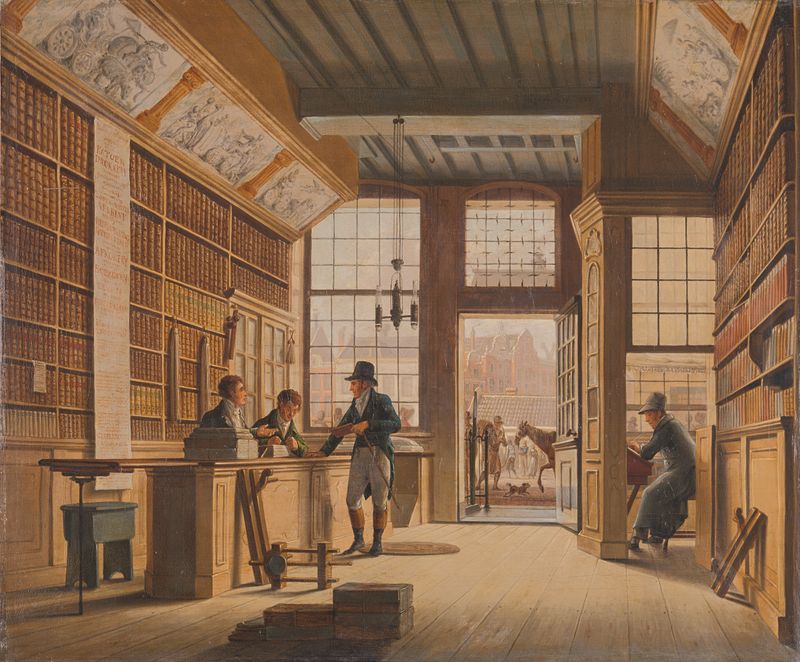
The Shop of the Bookdealer Pieter Meijer Warnars on the Vijgendam in Amsterdam
Johannes Jelgerhuis
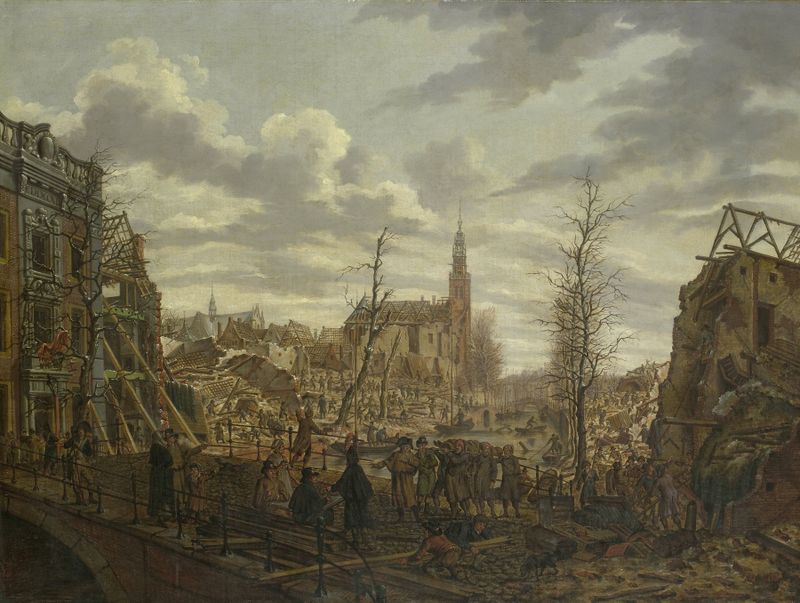
The Rapenburg, Leiden, three Days after the Explosion of a Powder Ship on 12 January 1807
Johannes Jelgerhuis
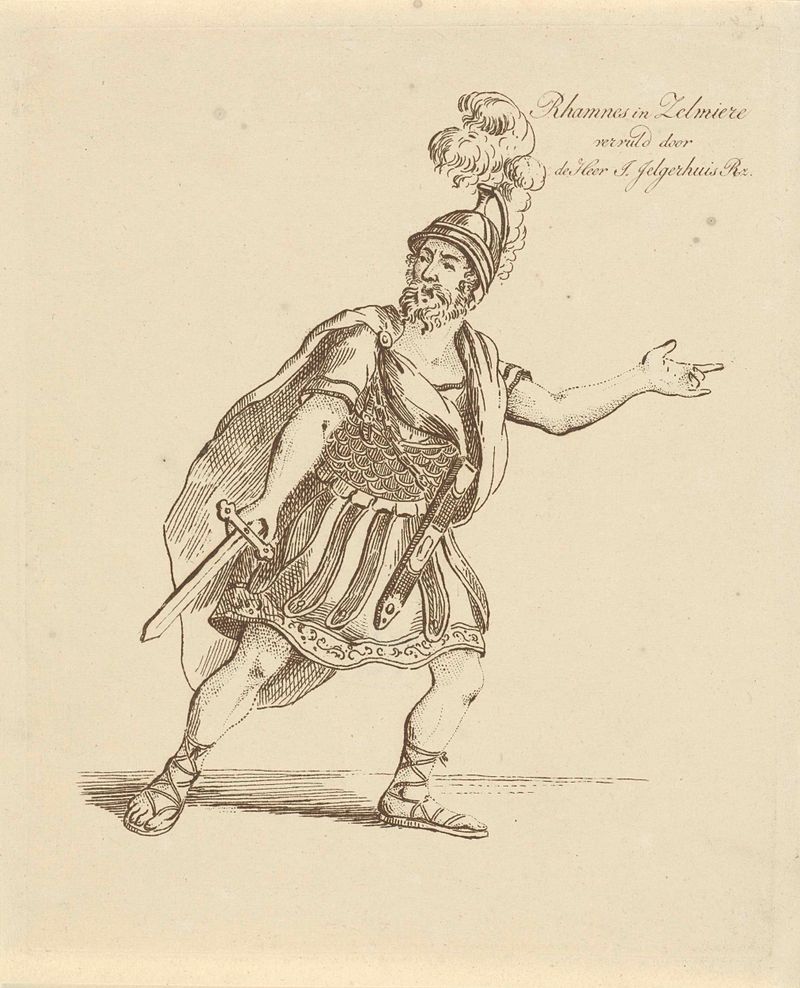
Johannes Jelgerhuis in de rol van Rhamnes
Johannes Jelgerhuis
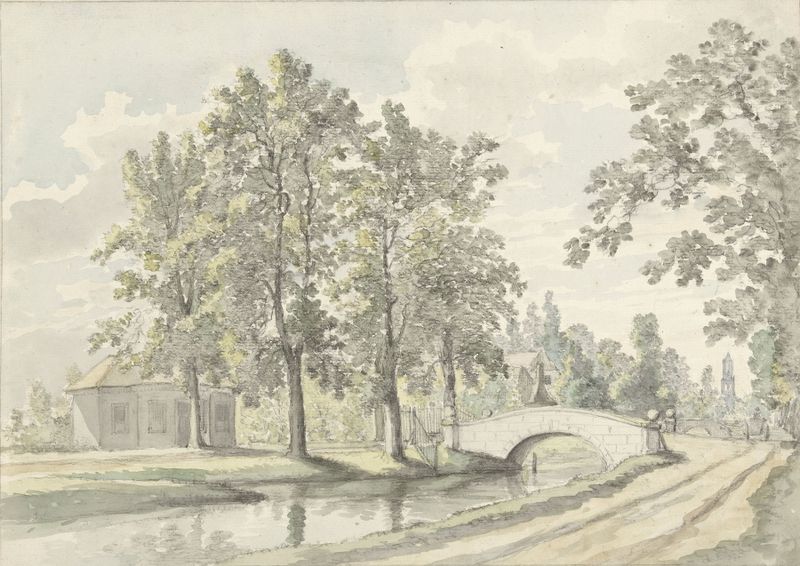
Gezicht op de Biltstraat buiten Utrecht
Johannes Jelgerhuis
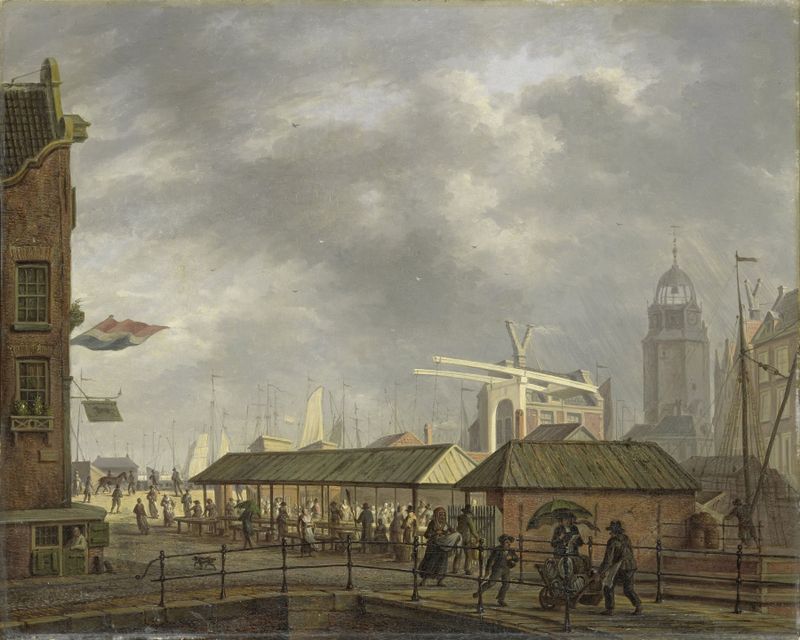
The small Fish Market on the Corner of the Brouwersgracht and Singel, Amsterdam
Johannes Jelgerhuis

Vrouw en een kind lopen op straat in een vissersdorp
Johannes Jelgerhuis
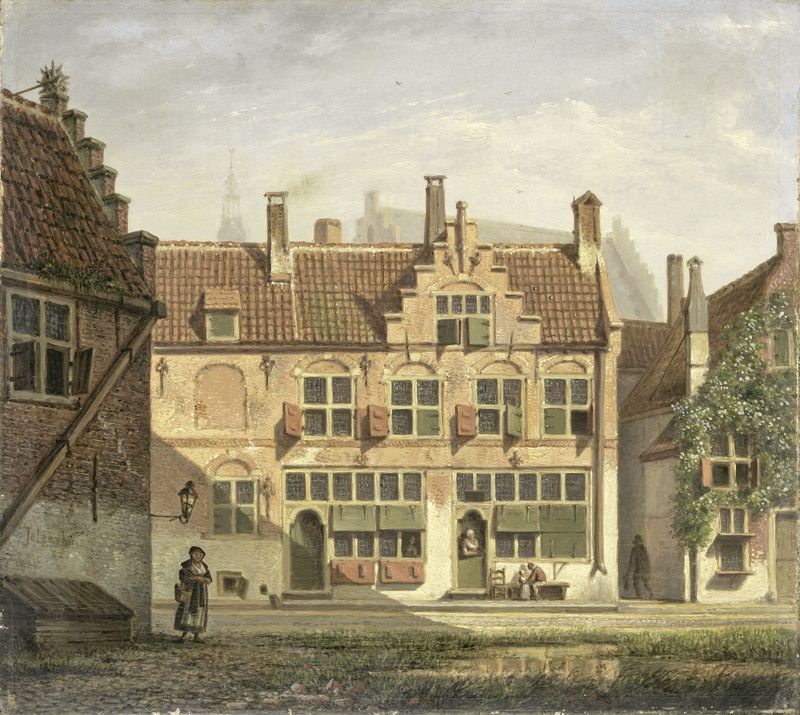
A Street in Amersfoort
Johannes Jelgerhuis
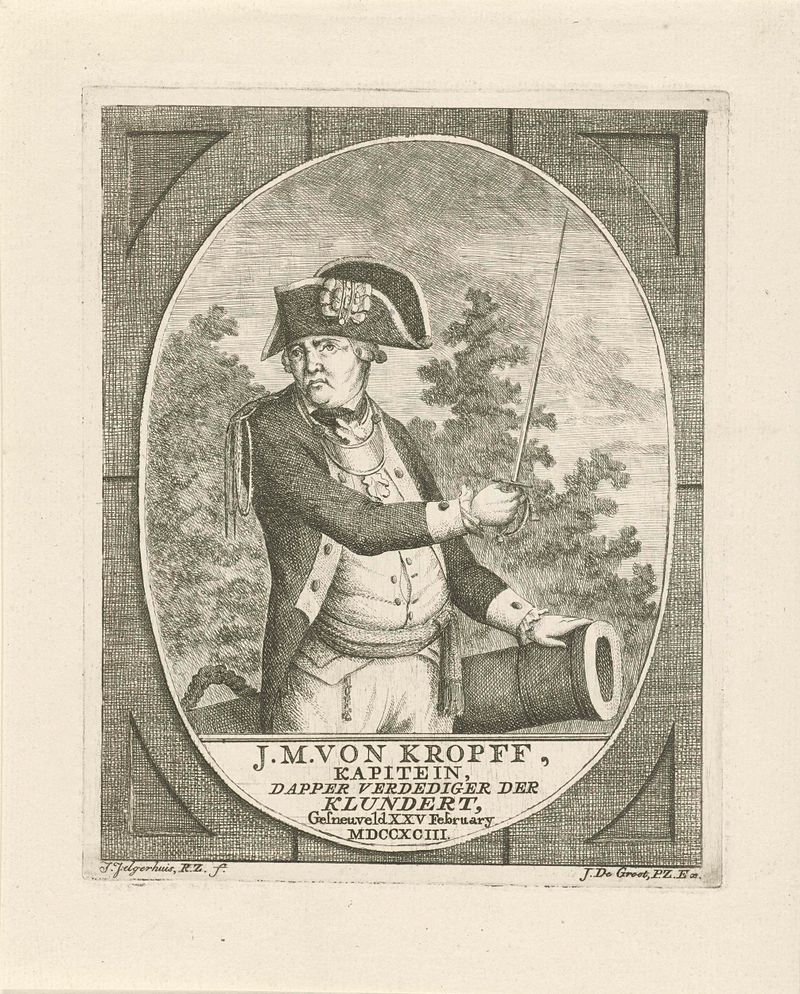
Portret van Joachim Maurits von Kropff
Johannes Jelgerhuis
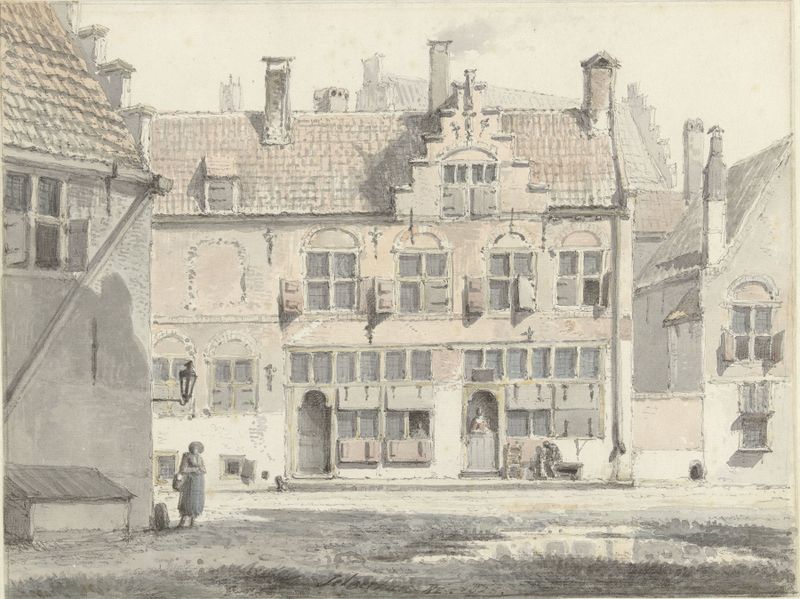
Huizen te Amersfoort
Johannes Jelgerhuis





