A Tree Trunk In A Landscape — History & Facts
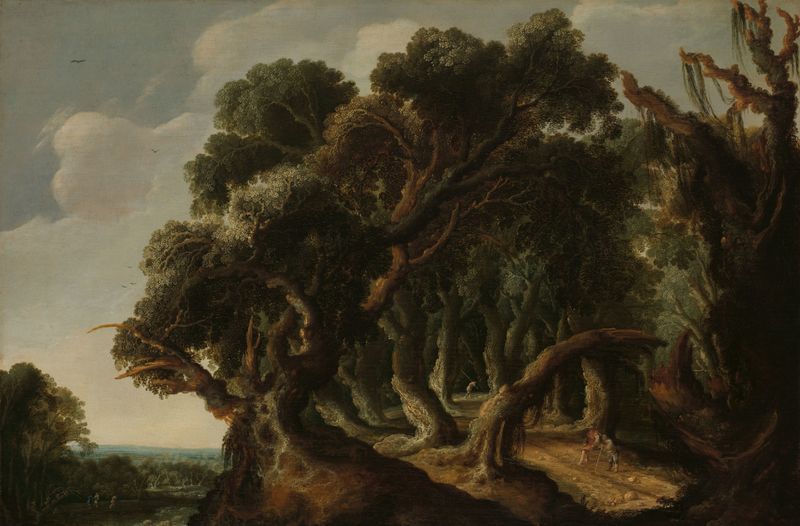
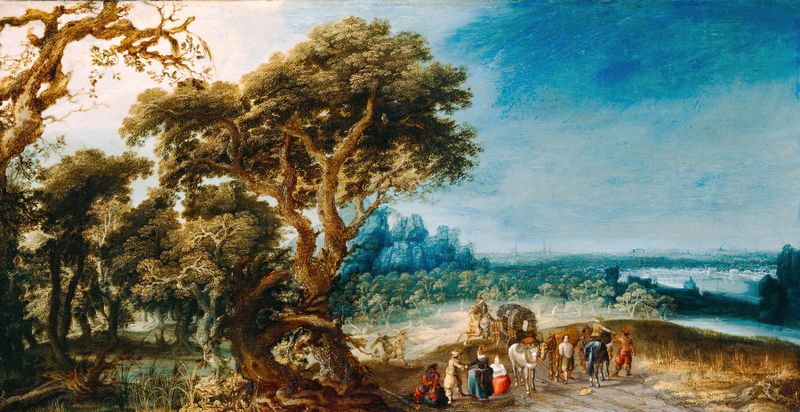
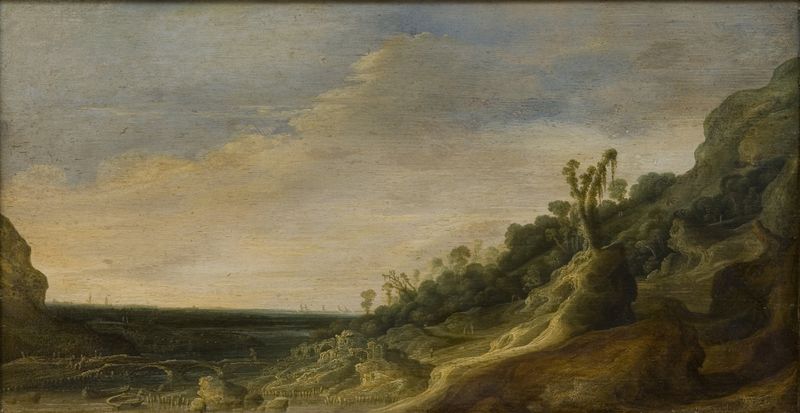
A tree trunk stands resolute against the backdrop of a soft, muted landscape, capturing a fleeting moment that speaks volumes about memory and existence. Focus on the texture of the trunk, with its rough bark and deep grooves that carry whispers of the past. Notice how the artist employs a palette of gentle greens and browns, creating a serene harmony that invites contemplation. The play of light and shadow enhances the trunk's form, guiding the viewer’s gaze upward where the delicate branches seem to blend into the atmosphere, suggesting a connection to both earth and sky. The contrast between the solidity of the tree and the ethereal quality of the surrounding landscape reveals the tension between permanence and transience.
Each line etched into the bark serves as a reminder of time’s passage, while the subdued colors evoke nostalgia and longing. This singular tree trunk becomes a symbol of resilience, anchored in place yet whispering tales of seasons long gone. Created during a period of exploration in Dutch art, the work reflects Jacob van Geel's dedication to capturing the essence of nature. While the exact date remains unknown, the painting likely emerged in the late 17th century, a time when artists began to delve deeper into landscape as a genre, seeking to intertwine realism with emotional resonance.