
A Turn in the Road — History & Facts
In the tranquil embrace of nature, a fork in the road whispers unspoken truths, hinting at choices that weigh heavy on the heart. Look to the left at the soft, dappled light filtering through the trees, creating a mosaic of emerald and gold on the path ahead. The subtle brushwork captures movement; the swaying branches suggest a gentle breeze, inviting the viewer to step into this serene moment. The winding road, a metaphor for life’s uncertainties, draws the eye towards the horizon where the landscape fades into a quiet mystery.
Each stroke reflects Sisley's mastery in capturing atmospheric effects, allowing color and light to evoke a sense of both peace and unease. Beneath the surface of this idyllic scene lies a deeper emotional tension. The fork in the road symbolizes the betrayals of choice, the unforeseen consequences of decisions made. The quietude is almost palpable, suggesting a moment of reflection where past transgressions linger unaddressed.
The absence of figures amplifies the solitude, evoking a sense of longing or regret that resonates with anyone who has faced a critical junction in their life. In 1873, shortly after moving to France, Sisley was immersed in the Impressionist movement, creating works that centered on the beauty of rural landscapes. Personal strife, including financial instability, loomed over him, influencing his introspective approach to art. During this period, the burgeoning movement sought to capture fleeting moments, yet Sisley, through works like this one, transcended simple representation, delving into the emotional complexities of the human experience amid nature's tranquil facade.
More Artworks by Alfred Sisley
Browse all →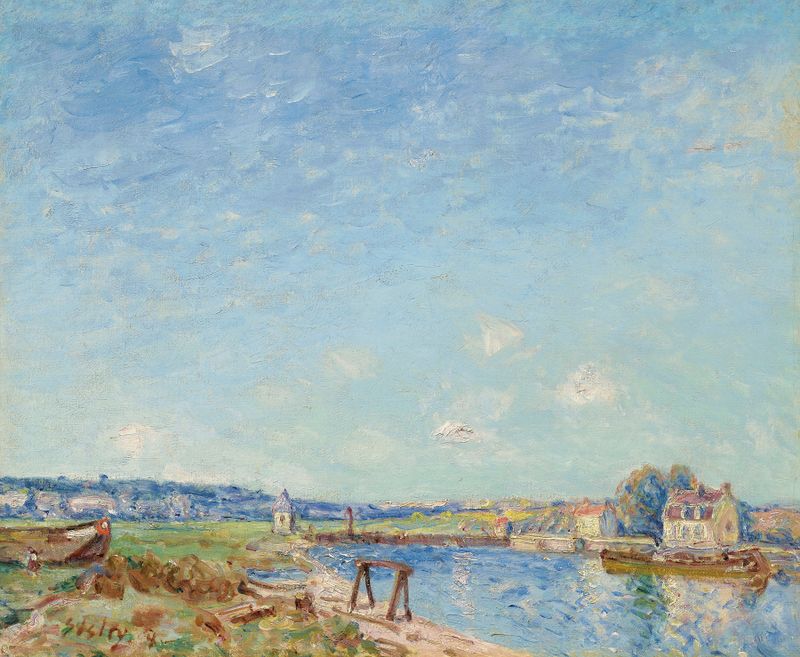
Le Loing à Saint-Mammès
Alfred Sisley
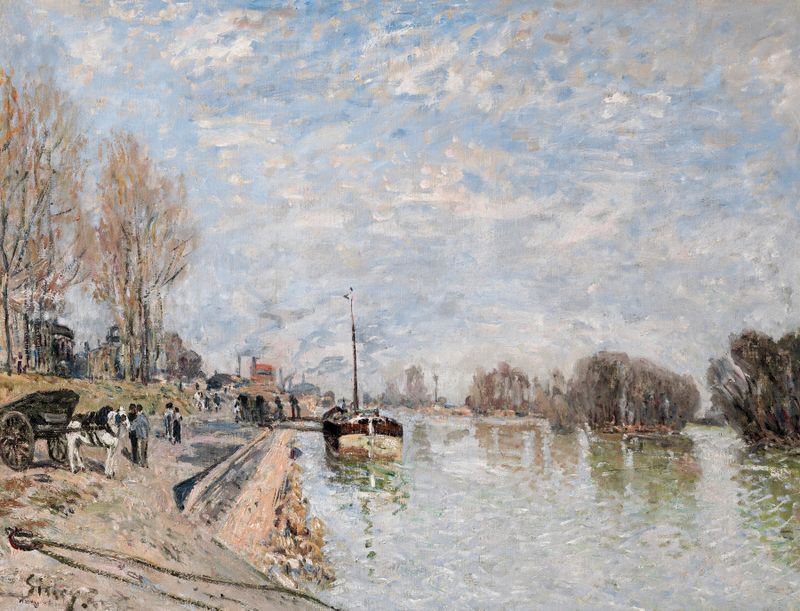
La Seine à Suresnes
Alfred Sisley
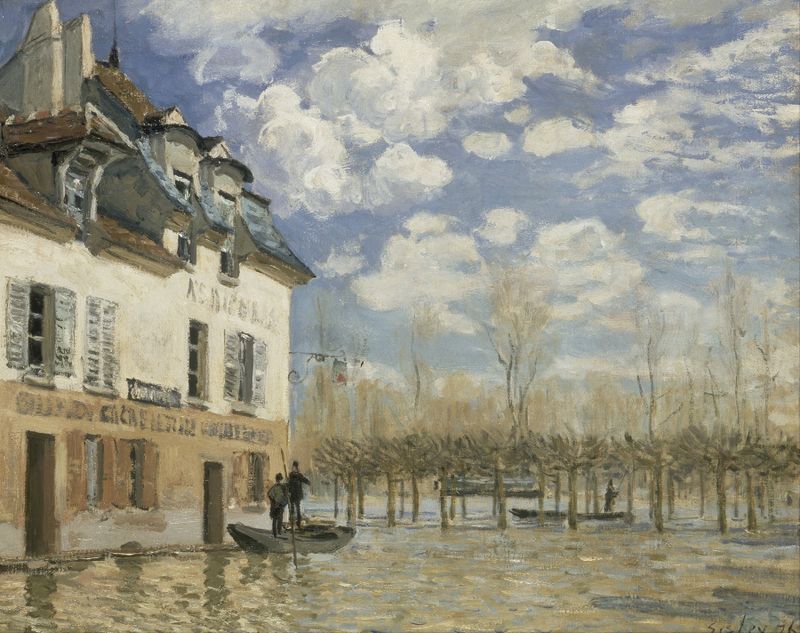
Boat in the Flood at Port Marly
Alfred Sisley
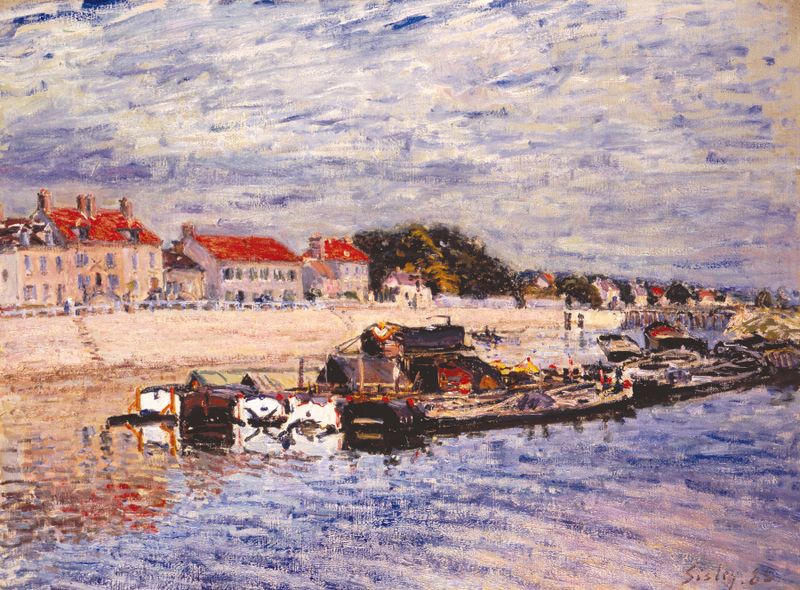
Barges on the Loing at Saint-Mammès
Alfred Sisley

L’allée des peupliers au bord du Loing
Alfred Sisley

Molesey Weir, Hampton Court
Alfred Sisley
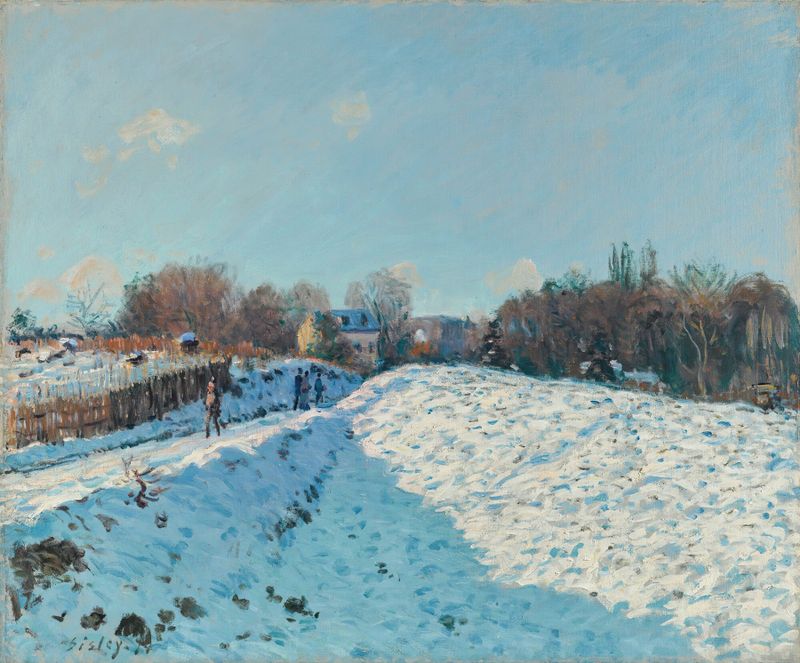
Effet De Neige À Louveciennes
Alfred Sisley
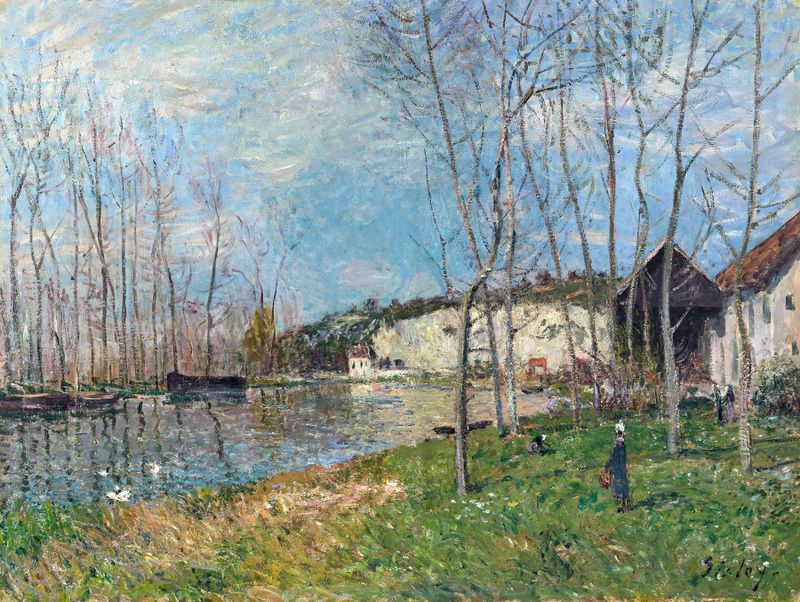
Printemps au bord du Loing
Alfred Sisley
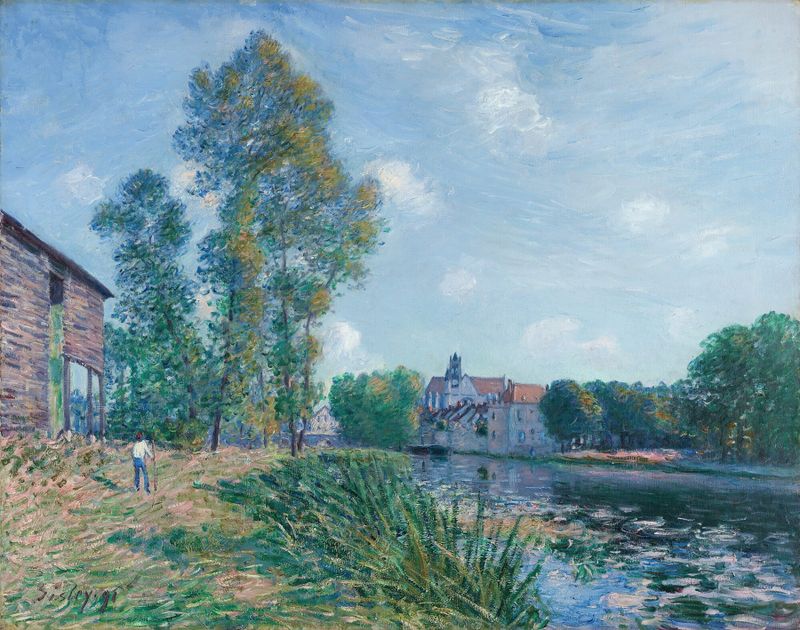
Le Loing À Moret, En Été
Alfred Sisley
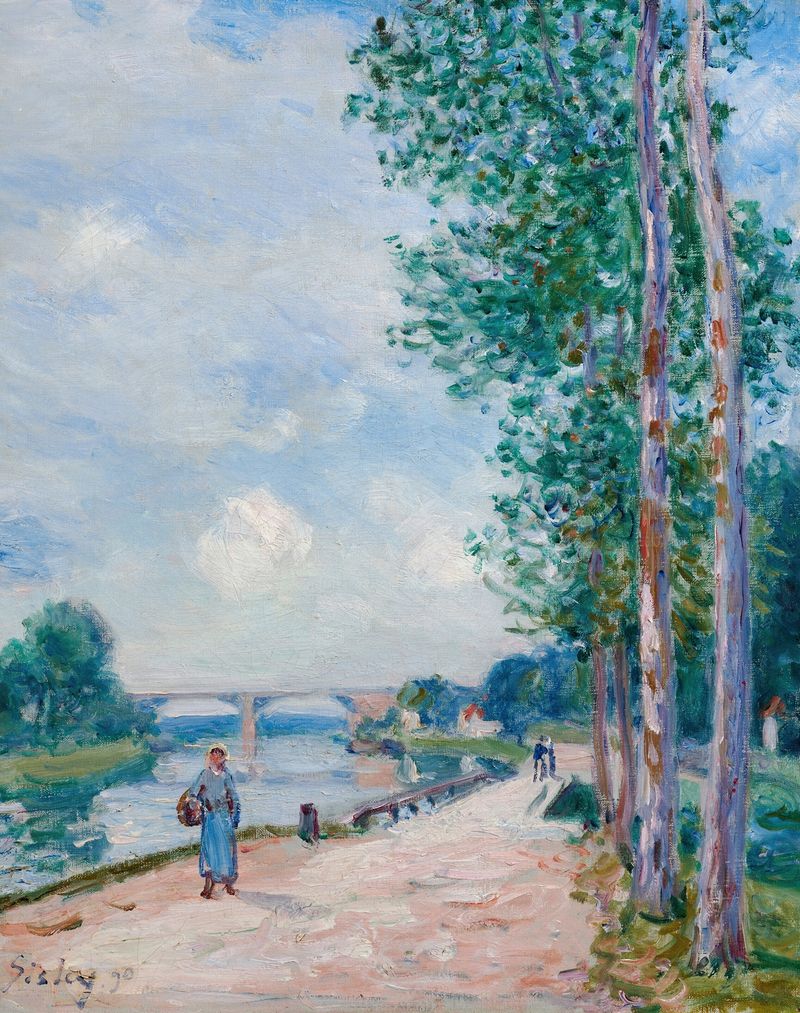
Les bords du Loing près de Moret
Alfred Sisley





