
A Turn in the Road — History & Facts
What secret hides in the quiet of the canvas? In the stillness of a moment captured, memory whispers through the leaves and soft earth, inviting viewers to explore the intersection of time and place. Look to the left at the winding pathway that beckons the eye forward, flanked by lush, verdant trees awash in dappled sunlight. Notice how Sisley deftly employs the interplay of light and shadow, the greens vibrantly alive under a gentle summer’s glow, while hints of soft pastels breathe life into the sky above. The brushstrokes are fluid, creating a sense of motion that encourages the viewer to step into the scene, to feel the warmth of the day and the promise of adventure ahead. Beneath the serene exterior lies an intricate web of contrasts.
The path, while inviting, also suggests uncertainty—a juxtaposition between comfort and the unknown. The trees stand as guardians of memory, their steadfastness echoing the fleeting nature of time. One can sense the pull of nostalgia, as if Sisley urges us to reflect on our own journeys, urging us to consider what lies beyond the familiar bend. In 1873, Sisley painted this work during a period of artistic exploration, living in a France that was teetering between tradition and modernity.
He was part of the Impressionist movement, focused on capturing ephemeral moments in nature. The artist faced challenges in his personal life, including financial struggles, yet these difficulties only seemed to deepen his connection to the landscapes around him, allowing him to imbue his canvases with the rich emotional resonance present in A Turn in the Road.
More Artworks by Alfred Sisley
Browse all →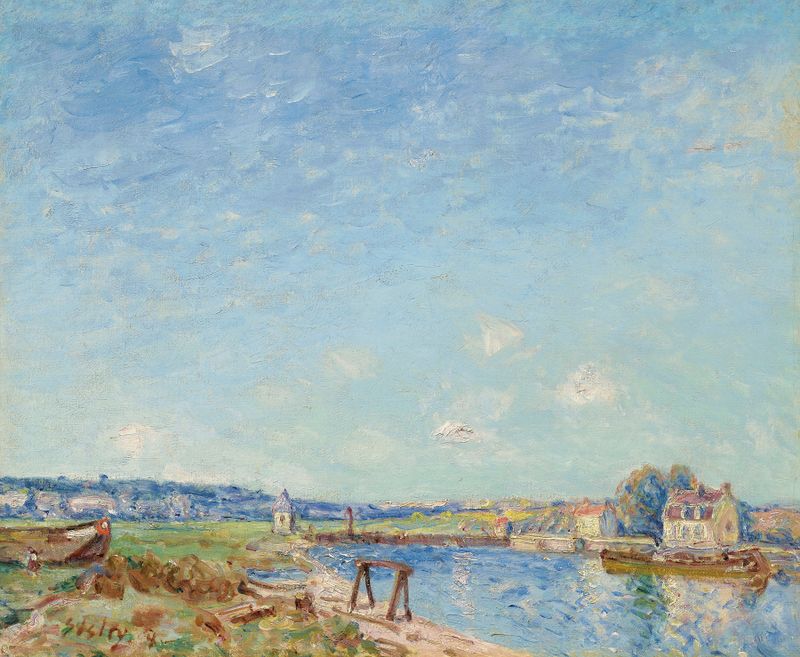
Le Loing à Saint-Mammès
Alfred Sisley
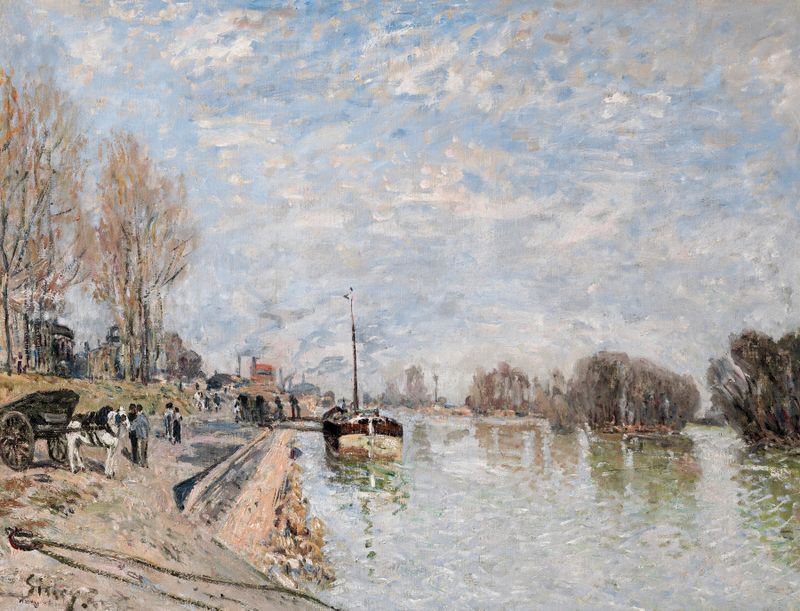
La Seine à Suresnes
Alfred Sisley
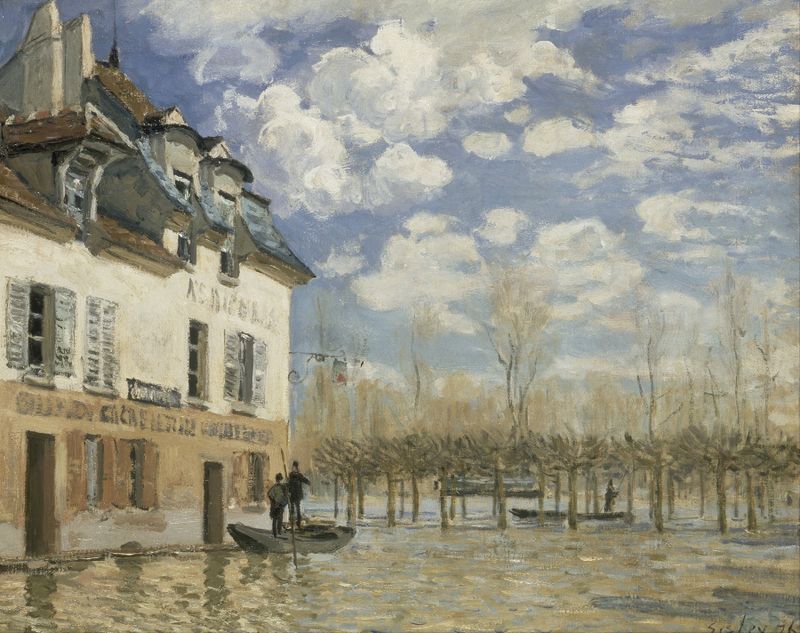
Boat in the Flood at Port Marly
Alfred Sisley
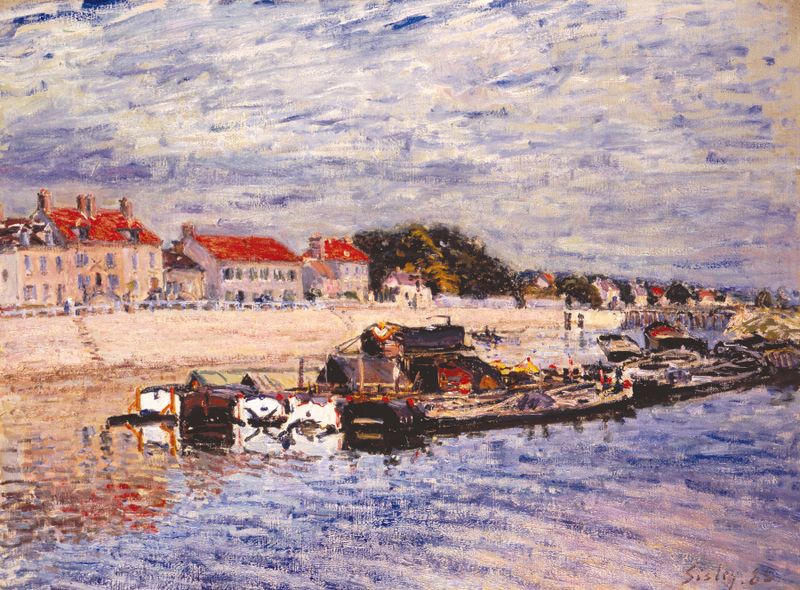
Barges on the Loing at Saint-Mammès
Alfred Sisley

L’allée des peupliers au bord du Loing
Alfred Sisley

Molesey Weir, Hampton Court
Alfred Sisley
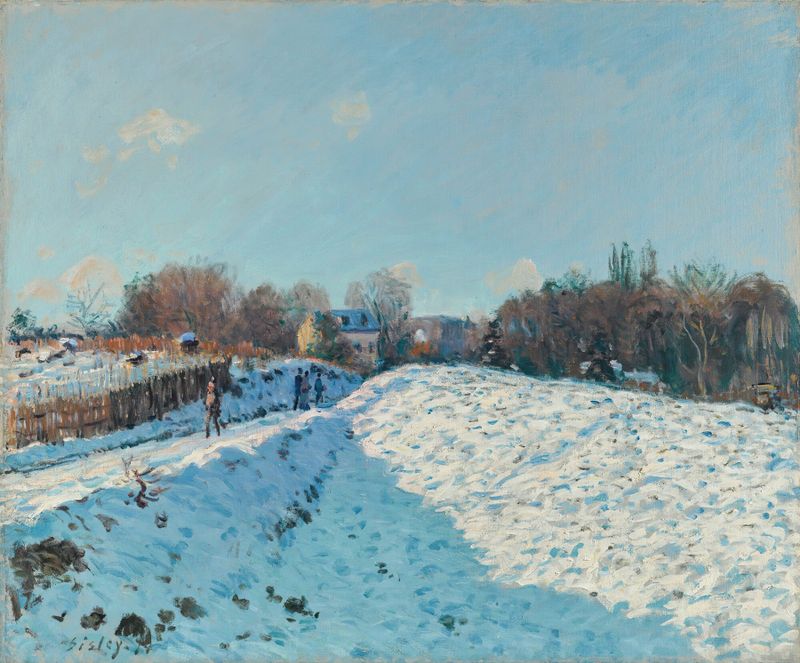
Effet De Neige À Louveciennes
Alfred Sisley
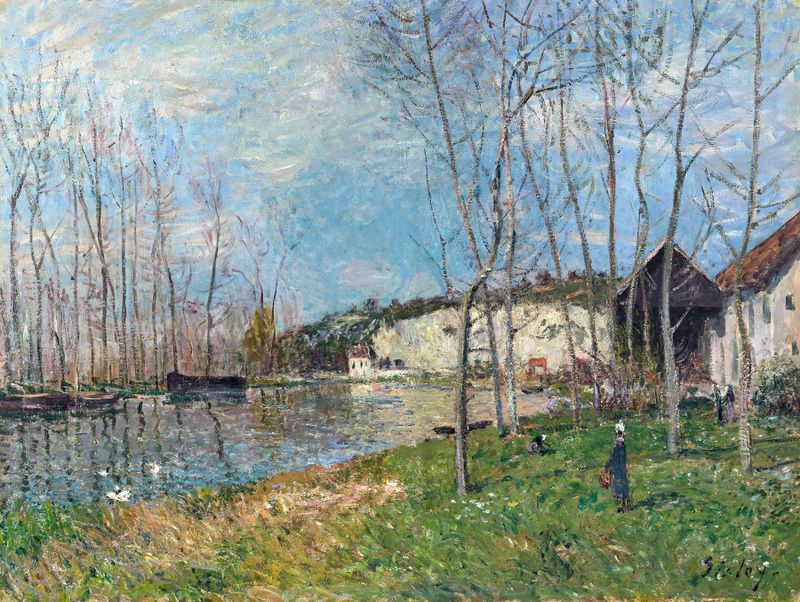
Printemps au bord du Loing
Alfred Sisley
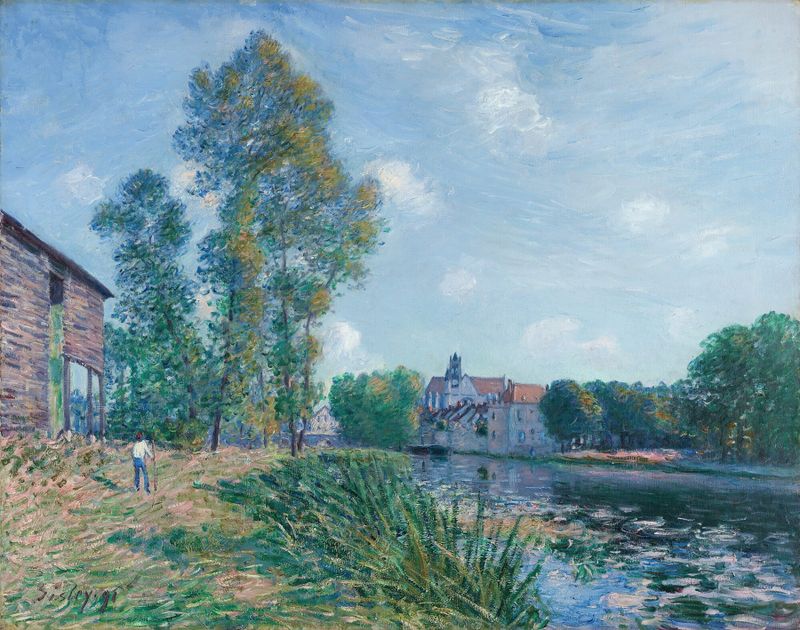
Le Loing À Moret, En Été
Alfred Sisley
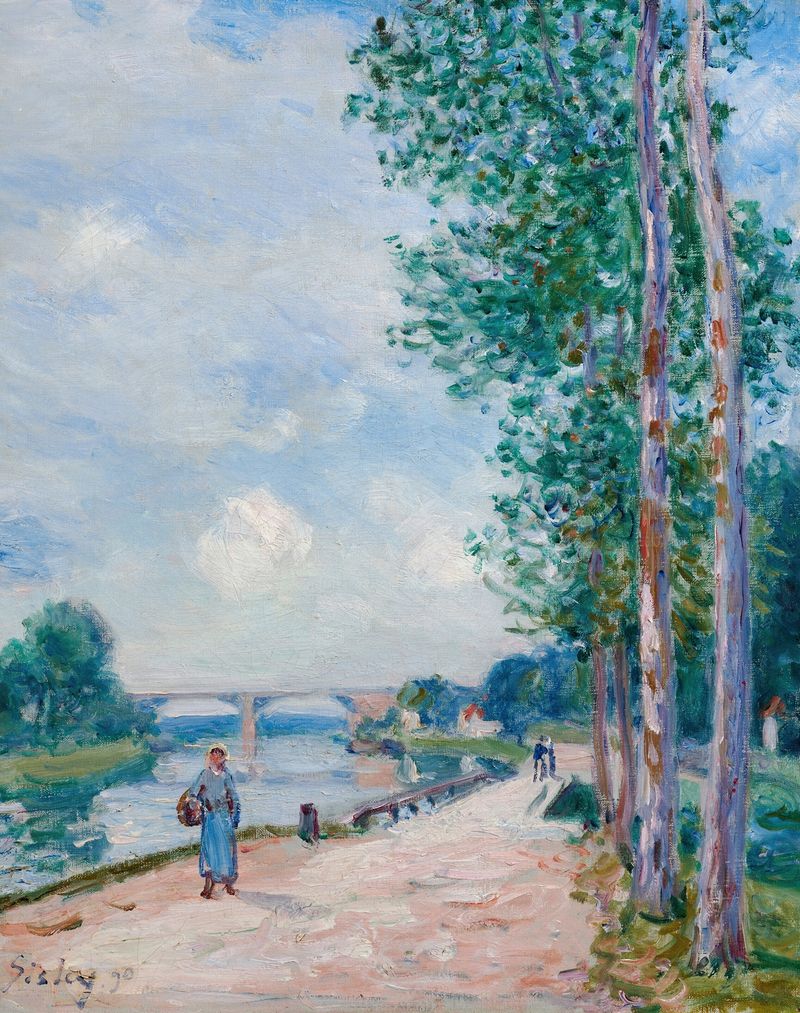
Les bords du Loing près de Moret
Alfred Sisley





