A Two-Master at Sea — History & Facts
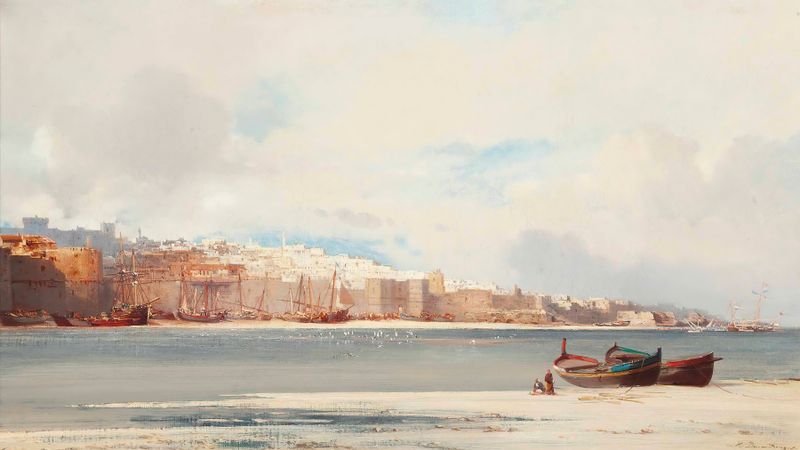
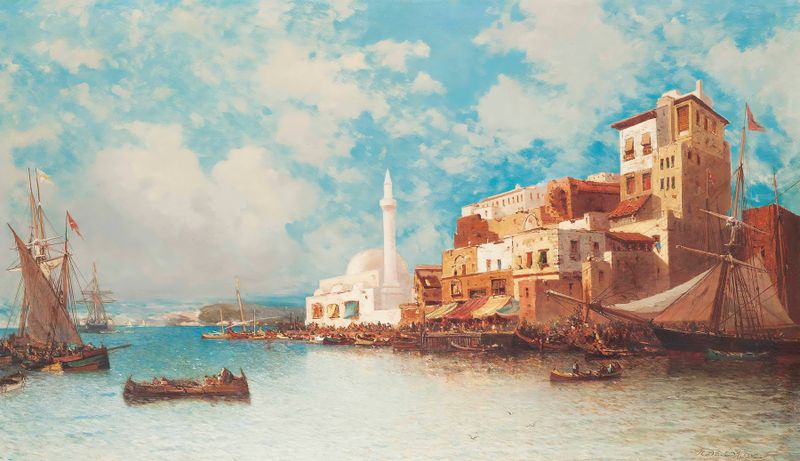
Where does light end, and longing begin? In the wake of untold journeys, shadows linger just as poignantly as the light that dances across the waves. Look to the left, where the two-masted ship stands resilient against a backdrop of tempestuous clouds. The sails, billowing with the wind, capture not just movement but an energy that seems to pulse with life. Notice how the hues of cerulean and gray intertwine, suggesting both promise and foreboding, while the glint of the sun reflects off the rolling waves, illuminating the ship’s hull with a golden glow.
This interplay of light and shadow conjures the duality of hope and despair present in every sailor's heart. Deeper within the scene, the juxtaposition of the vessel’s sturdy form against the roiling sea evokes themes of adventure and vulnerability. The ship, though seemingly steadfast, is positioned delicately upon the edge of chaos, hinting at the transient nature of existence. As the clouds loom overhead, they serve as a metaphor for the decay of dreams and the inevitability of time’s passage, inviting viewers to ponder the fragility of life amidst the quest for exploration. During the period this artwork was created, Durand-Brager was navigating through the evolving realms of maritime art in France, embracing realism while capturing the emotive power of the sea.
His career was influenced by the broader Romantic movement, which boldly celebrated nature's magnificence and man's struggle against it. Although the exact date of creation remains uncertain, it reflects the artist's engagement with both his surroundings and the rich history of seafaring, echoing the yearnings of many who dared to voyage into the unknown.